
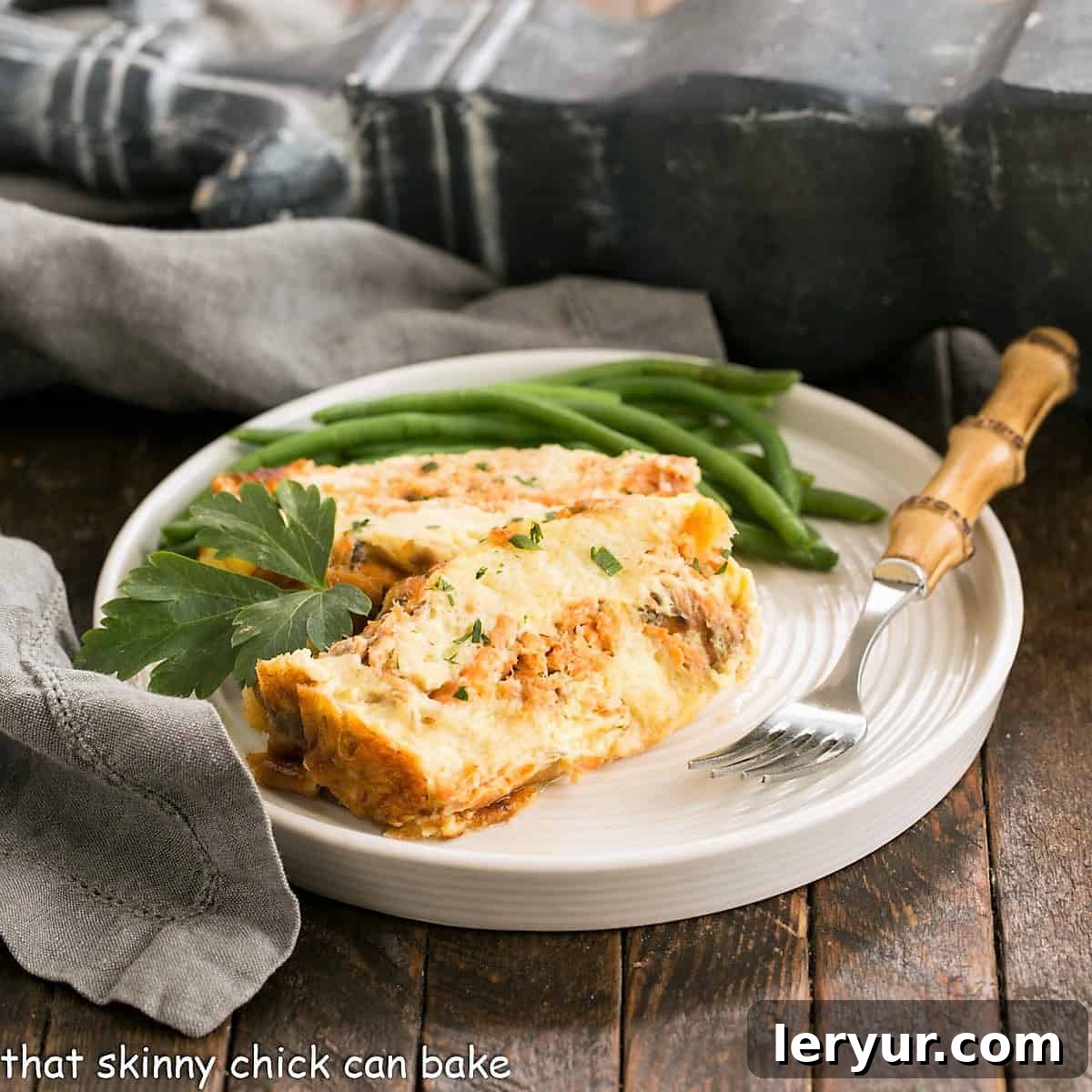
Discover the ultimate weeknight hero: a simple, comforting, and incredibly delicious Baked Salmon Loaf. This recipe has been a treasured staple in our family since my mother-in-law first shared it with us as newlyweds, quickly becoming a go-to for its ease and heartwarming appeal. Perfect for busy evenings, Lenten Fridays, or whenever you crave a satisfying meal, this canned salmon casserole comes together in a flash, proving that gourmet flavors don’t always require complex ingredients. It’s not just a meal; it’s a memory-maker, packed with wholesome goodness and an irresistible charm that will make it a regular on your dinner rotation.
There’s something wonderfully nostalgic about a well-made salmon loaf. For many, it evokes images of simple, home-cooked meals, a testament to culinary comfort that has stood the test of time. Our rendition takes the humble canned salmon and transforms it into a flaky, flavorful, and incredibly moist loaf, bound together with common pantry ingredients. It’s the kind of dish that nourishes both body and soul, delivering hearty satisfaction without any fuss. Forget complicated techniques or obscure ingredients; this recipe focuses on straightforward steps and accessible components, making it an ideal choice for cooks of all skill levels. Get ready to fall in love with a dish that’s both economical and exceptionally tasty.
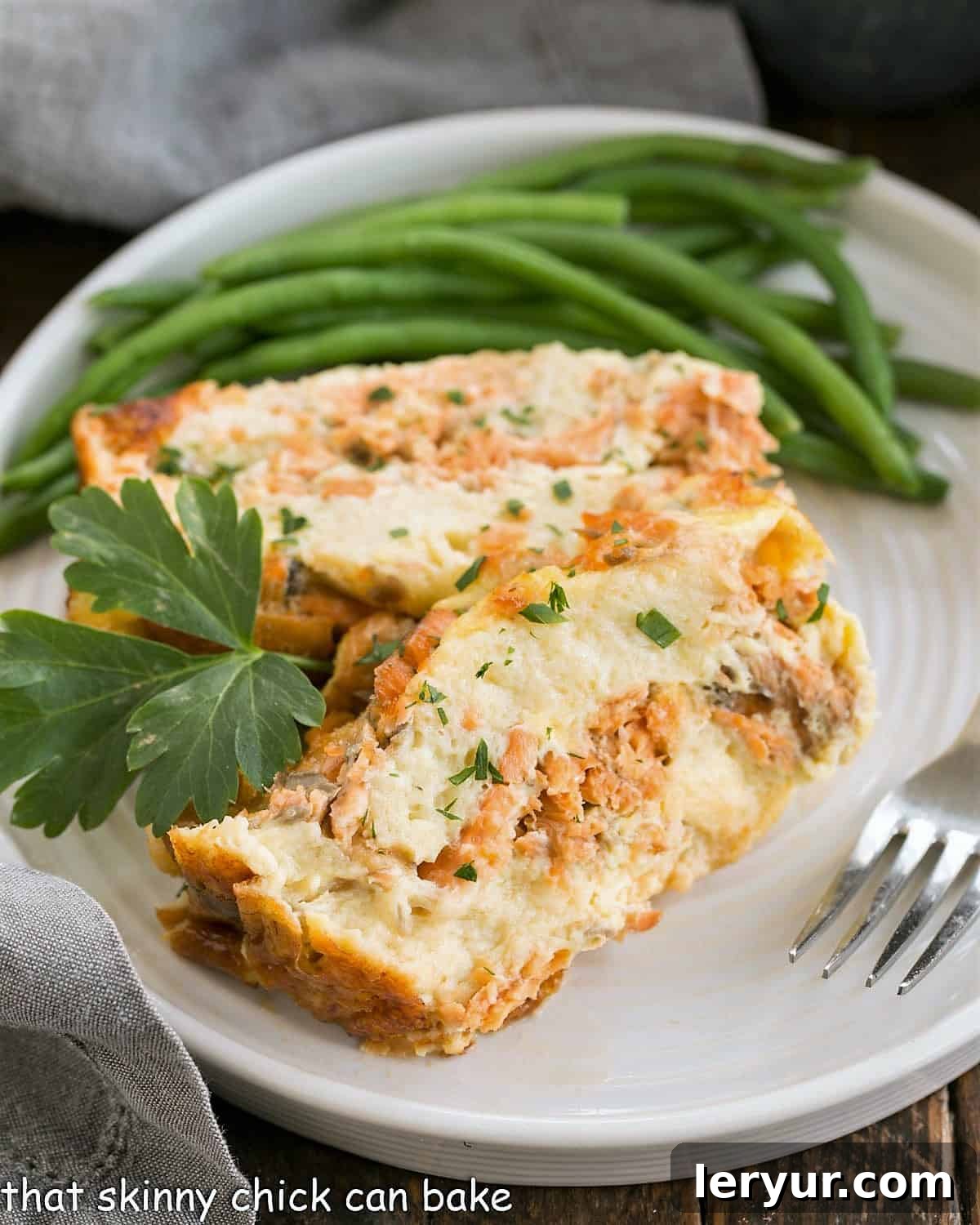
Why This Baked Salmon Loaf Will Become Your New Favorite
There are countless reasons why this easy baked salmon loaf isn’t just another recipe, but a must-try for your kitchen. It masterfully combines convenience, nutrition, and comforting flavor in a way that truly simplifies meal planning. If you’re looking for a dish that delivers on all fronts – quick preparation, wholesome ingredients, and undeniable taste – then you’ve found your match.
- Effortless Pantry & Refrigerator Staples: This simple salmon loaf recipe is built on ingredients you likely already have on hand. Eggs, milk, salt, soft bread, and a can of salmon are all it takes to create a delicious and satisfying meal. No special trips to the grocery store, no obscure items to track down – just pure, unadulterated convenience, making it perfect for those last-minute dinner decisions.
- A Super Easy Lenten Meal Solution: Finding appealing meatless meals for Lent can sometimes be a challenge, but this salmon loaf makes it incredibly easy. It’s a flavorful and protein-packed alternative to traditional meat dishes, ensuring your Friday dinners (or any meatless day) are both compliant and enjoyable. Its robust flavor ensures nobody feels like they’re missing out.
- Picky-Eater Approved Comfort Food: If my notoriously picky husband eagerly devours this dish, you know it’s got to be a winner! Its mild, savory flavor and soft, comforting texture make it appealing to even the most discerning palates, including children. It’s a fantastic way to introduce seafood into your family’s diet without any complaints.
- Nutrient-Rich & Wholesome: Salmon, even from a can, is a powerhouse of nutrition. It’s an excellent source of Omega-3 fatty acids, which are vital for heart and brain health, as well as high-quality protein, vitamins, and minerals. This recipe allows you to enjoy these benefits in a delicious, approachable format, contributing to a balanced diet.
- Budget-Friendly Dinner Idea: Canned salmon is significantly more economical than fresh fillets, making this a smart choice for feeding your family without breaking the bank. It transforms an inexpensive ingredient into a meal that tastes far more luxurious than its cost suggests. This is a truly satisfying and affordable dinner solution.
- Minimal Prep, Maximum Flavor: With just a few simple mixing steps and a straightforward baking process, this dish requires minimal active kitchen time. You can have it prepped and in the oven in under 15 minutes, leaving you more time to relax while it bakes to golden perfection.
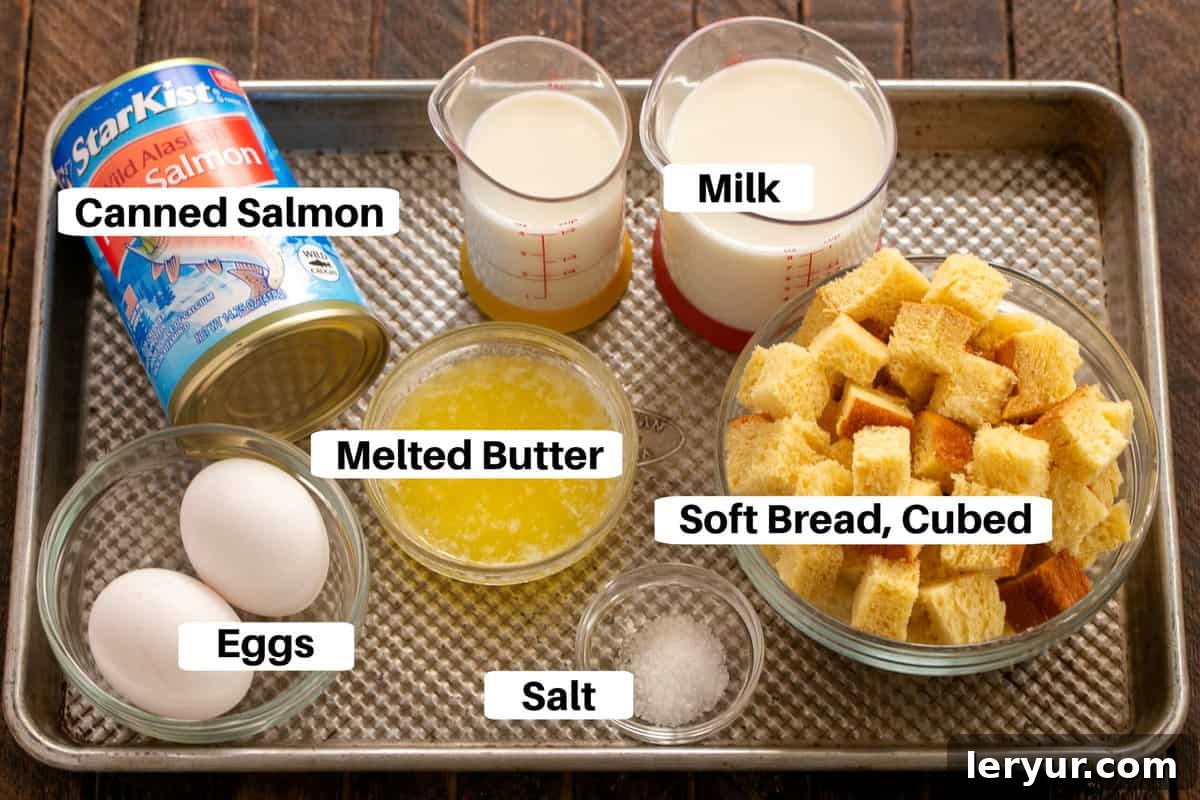
Detailed Ingredient Notes for the Perfect Salmon Loaf
Crafting the perfect baked salmon loaf starts with understanding each ingredient and its role. While this recipe boasts simplicity, a little knowledge goes a long way in ensuring a consistently delicious outcome. Here’s a closer look at the key components:
- Kitchen Staples: Eggs, Milk, and Salt
- Eggs: Act as a crucial binder, holding the loaf together and providing structure. They also contribute to the loaf’s rich flavor and golden-brown crust. Use large eggs for optimal results.
- Milk: Adds essential moisture and richness to the loaf, ensuring it remains tender and succulent rather than dry. Whole milk is generally preferred for its creamy texture, but 2% milk works perfectly fine. For a dairy-free option, unsweetened almond milk or oat milk can be substituted, though the flavor profile might subtly change.
- Salt: A fundamental seasoning that enhances all the other flavors in the dish. Start with the recommended amount and adjust to your preference, especially considering the inherent saltiness of canned salmon. A pinch of black pepper can also be a wonderful addition for a subtle warmth.
- Red Salmon (1 can, 15-ounce, bones and skin removed for best texture)
- Red Salmon Preferred: We highly recommend using red salmon for this recipe. It typically boasts a firmer texture, a richer color, and a more pronounced, robust salmon flavor compared to pink salmon. It elevates the overall taste of the loaf, giving it a premium feel.
- Pink Salmon Alternative: However, don’t fret if red salmon isn’t available. As our process shots show, pink salmon can be used successfully when red is out of stock. Pink salmon is milder in flavor and softer in texture but still makes a delicious loaf. Ensure you choose a quality brand, preferably packed in water, and drain it thoroughly before use.
- Bones and Skin: While the small, soft bones in canned salmon are edible and a good source of calcium (as my mom always reminded us!), and the skin is also safe to consume, for the best texture and family appeal, we prefer to remove them. Simply flake the salmon gently with a fork and pick out any bones or larger pieces of skin. This step ensures a smooth, consistent loaf that’s enjoyable for everyone, even those sensitive to texture.
- Soft Bread (3 slices, cubed)
- Role of Bread: The cubed bread acts as a critical binder and filler, absorbing the liquids and helping to create the classic, tender loaf texture. It also contributes to the loaf’s volume and overall mouthfeel.
- Brioche (as used here): We used brioche bread for its subtle sweetness and rich, buttery flavor, which complements the salmon beautifully. Its soft crumb is ideal for absorbing moisture and adding to the loaf’s tender consistency.
- Other Soft Bread Options: You can absolutely use any soft sandwich bread you have on hand. Ordinary white sandwich bread, potato bread, or even challah bread would work wonderfully. The key is to use a soft-textured bread that will easily absorb the liquid mixture and integrate seamlessly into the loaf. Stale bread can also be used, but ensure it’s still soft enough to cube and moisten effectively.
For an extra layer of flavor, consider adding a teaspoon of dried dill, a quarter teaspoon of onion powder, or a squeeze of fresh lemon juice to your mixture. These subtle additions can truly brighten and enhance the salmon’s natural taste, taking your loaf from delicious to extraordinary.
Step-by-Step Guide: Crafting Your Easy Baked Salmon Loaf
Making this baked salmon loaf is a straightforward process, designed for simplicity and delicious results. Follow these easy steps to bring this comforting dish to life in your kitchen.
Expert Tips & Tricks for a Flawless Salmon Loaf
Even the simplest recipes benefit from a few expert insights. These tips will help you achieve the most flavorful, perfectly textured baked salmon loaf every single time, ensuring it becomes a dish you’re proud to serve.
Speaking of serving, I once tried to subtly hide the fact that we were having salmon loaf from my then-4-year-old, Nick. I started spelling out F-I-S-H-L-O-A-F, thinking I was clever. My jaw literally dropped when he instantly shouted, “Fishloaf! I hate fish loaf!” Mind you, I’d never called it “fish loaf” before, nor could he read at that age. I guess he was just smarter (or luckier) than I realized!
- Choose Quality Canned Salmon: The foundation of your loaf is the salmon, so use the best brand of canned salmon your budget allows. Red salmon (like Sockeye) is often preferred for its richer color, firmer texture, and more intense flavor. However, high-quality pink salmon also works wonderfully, providing a milder taste and softer consistency. Always opt for salmon packed in water or its own juices for the freshest flavor, rather than oil, unless you specifically prefer the oil-packed variety.
- Mind the Bones and Skin (or Don’t!): Canned salmon often contains small, soft bones and pieces of skin. While both are perfectly edible and the bones are a great source of calcium, many (including my family!) prefer a smoother texture. If desired, simply flake the drained salmon with a fork and pick out any visible bones or larger skin pieces. Don’t worry if you miss a few tiny ones; they’ll soften further during baking.
- Flake Salmon Evenly: Once drained and deboned (if preferred), break apart the salmon into bite-sized or slightly larger pieces. Avoid mashing it too finely, as you want some texture in the finished loaf. Uniform flaking ensures the salmon is evenly distributed throughout the mixture.
- Bread Choice Matters: Any soft sandwich bread will work beautifully. While I occasionally use brioche for a richer, slightly sweeter note, ordinary white sandwich bread or even potato bread is a classic choice. The bread acts as a binder and adds volume, absorbing moisture from the other ingredients. Cube the bread into small pieces (about ½-inch) to ensure it integrates well and helps hold the loaf’s shape.
- Proper Loaf Pan Preparation: Always, always grease your loaf pan thoroughly before adding the mixture. You can use butter, cooking spray, or even line it with parchment paper for effortless removal. A well-greased pan ensures the loaf releases cleanly, preventing sticking and making serving and cleanup a breeze. Nobody wants a beautiful loaf stuck to the bottom of the pan!
- Avoid Overmixing: Once you add the bread and salmon to the wet ingredients, mix gently until just combined. Overmixing can develop the gluten in the bread, leading to a tougher, denser loaf. A light hand is key for a tender, moist result.
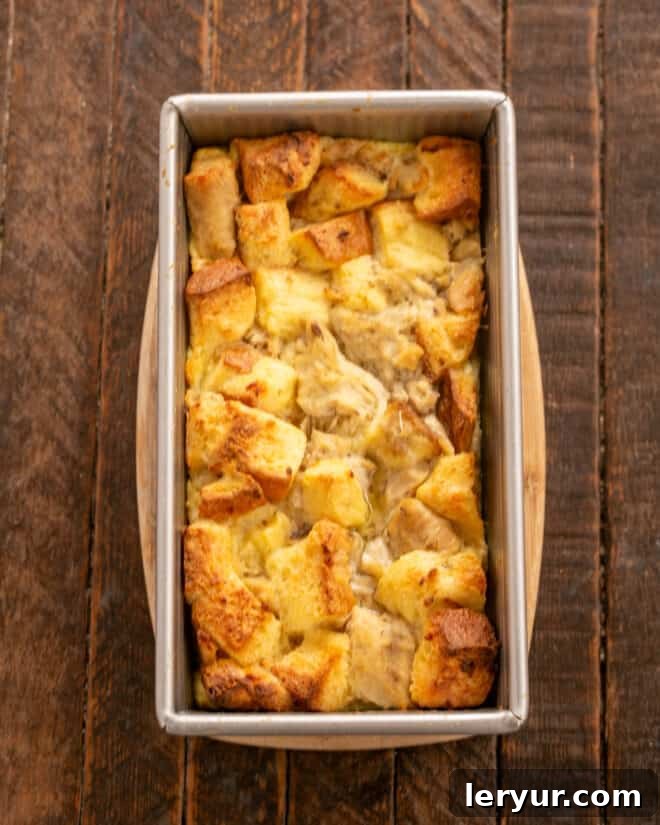
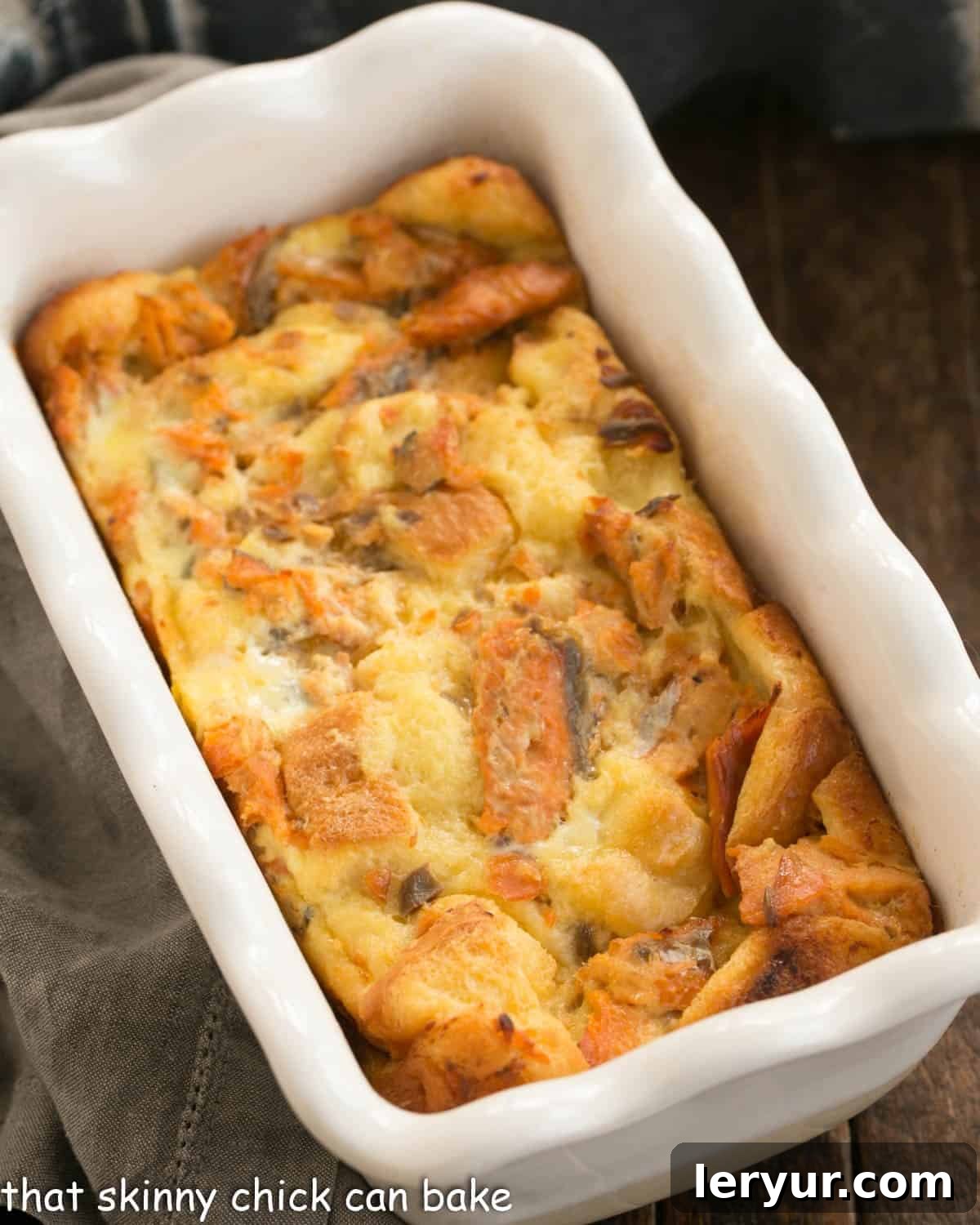
- Check for Doneness: The salmon loaf is cooked when it’s puffed, golden brown on top, and firm to the touch in the center. An inserted wooden skewer or toothpick should come out clean. For absolute certainty, an instant-read thermometer should register an internal temperature of 160°F (71°C).
- Let It Rest: After baking, allow the loaf to rest in the pan for 5-10 minutes before attempting to slice it. This resting period allows the loaf to set, making it easier to slice cleanly without crumbling.
Frequently Asked Questions About Baked Salmon Loaf
Here are some common questions about making and enjoying this delicious and easy baked salmon loaf:
Making salmon loaf is incredibly simple! You start by whisking eggs in a medium bowl, then incorporating melted butter, milk, and salt until well combined. Next, gently fold in the flaked canned salmon and cubed soft bread. Once everything is mixed, pour the mixture into a greased loaf pan and bake it in a preheated oven until it’s puffed, golden brown, and cooked thoroughly. The simplicity of the process makes it a perfect weeknight meal.
Canned salmon is incredibly versatile, much like canned tuna! Beyond making a delicious salmon loaf, you can use it to create savory salmon patties or croquettes, whip up a quick and flavorful salmon salad for sandwiches or crackers, or even substitute it for tuna in your favorite tuna casserole recipe. It’s also excellent flaked over salads, mixed into pasta dishes, or used as a filling for wraps and tacos.
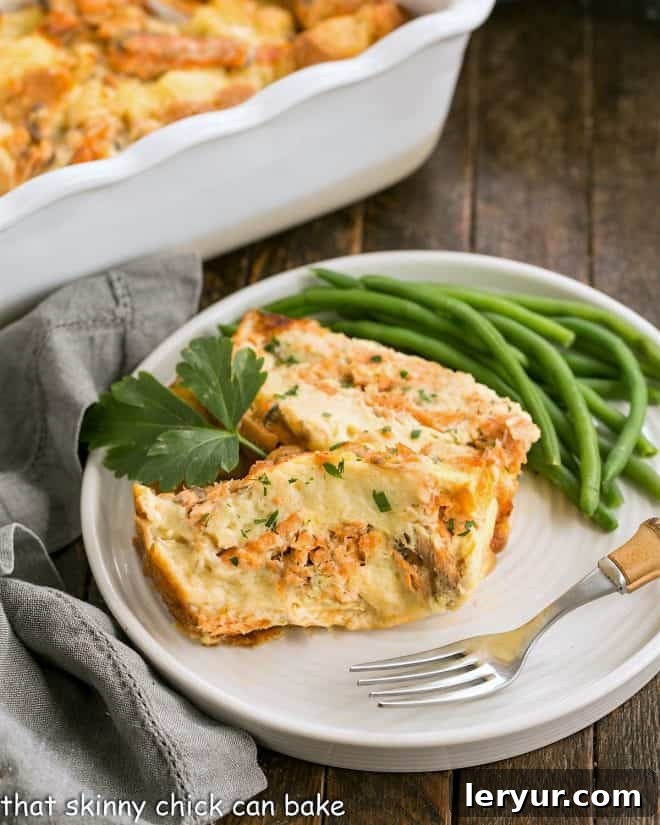
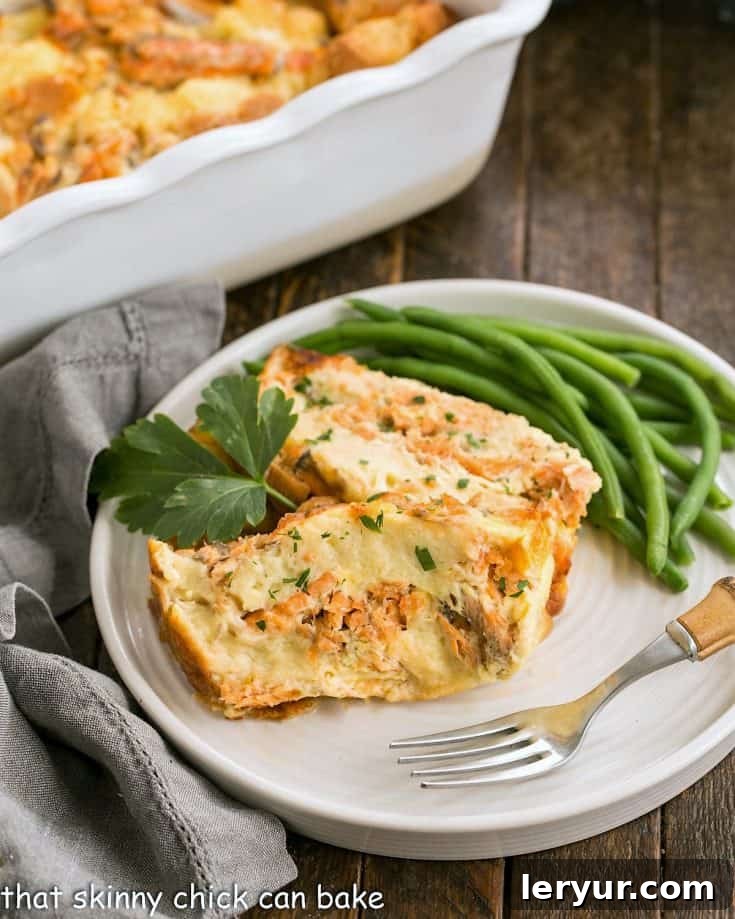
This comforting salmon loaf pairs wonderfully with a variety of sides. Since the salmon itself can be quite savory (which we love!), a crisp, refreshing green salad with a light vinaigrette is an excellent choice. Roasted vegetables like asparagus, broccoli, green beans, or carrots provide a lovely balance. Other fantastic accompaniments include creamy mashed potatoes, fluffy rice pilaf, a side of buttery corn, or even a tangy lemon-dill sauce to drizzle over the top.
Yes, absolutely! The small, soft bones found in canned salmon are completely edible and are an excellent source of calcium, often softening during the canning process to the point of being unnoticeable. Similarly, the skin is also safe and nutritious to eat. Whether you choose to remove them or leave them in is entirely a matter of personal preference and texture comfort. Many people opt to crush the bones or remove larger skin pieces for a smoother loaf.
Yes, you can! You can prepare the salmon loaf mixture and store it covered in the refrigerator for up to 24 hours before baking. Alternatively, you can bake the loaf completely, let it cool, and then refrigerate it. It reheats beautifully in the oven or microwave, making it a great option for meal prep.
Allow any leftover salmon loaf to cool completely, then wrap it tightly in plastic wrap or aluminum foil, or store it in an airtight container. It will keep well in the refrigerator for 3-4 days. For longer storage, you can freeze individual slices for up to 2-3 months. Thaw in the refrigerator overnight before reheating.
While this recipe is specifically designed for the convenience and distinct flavor of canned salmon, you could adapt it for fresh salmon. You would need to cook and flake about 12-15 ounces of fresh salmon fillet first (e.g., by baking or poaching). However, be aware that fresh salmon has a different moisture content and flavor profile, so the final texture and taste of the loaf might vary slightly.
Explore More Delicious Seafood & Pantry Recipes
If you loved the ease and flavor of this Baked Salmon Loaf, you’re sure to enjoy these other fantastic recipes. Dive into more seafood delights or discover clever ways to use your pantry staples for simple, satisfying meals:
- Grilled Salmon Skewers from What’s Gaby Cooking: A vibrant and fresh way to enjoy salmon, perfect for grilling season.
- Dijon Mayonnaise Roasted Salmon: An elegant yet incredibly easy roasted salmon recipe with a flavorful Dijon-mayonnaise crust.
- Maple Glazed Salmon: A sweet and savory glaze elevates tender salmon fillets, making for a delicious and quick dinner.
- Easy Salmon Dip: A creamy and flavorful dip, perfect for entertaining or a quick snack, showcasing the versatility of salmon.
- Best Recipes with Pantry Staples: Discover a collection of creative and delicious meals you can whip up using ingredients you already have on hand.
- Plus, explore even more of my Seafood Recipes for inspiration and variety in your kitchen.
Stay in touch and share your culinary creations with me through social media! Follow me @ Instagram, Facebook, and Pinterest. Don’t forget to tag me when you try one of my recipes! If you love the results and enjoyed this Baked Salmon Loaf, please show your appreciation by giving it a 5-star rating in the recipe card below. Your feedback truly helps!
Baked Salmon Loaf Recipe
5 minutes
1 hour
1 hour
6 servings
An incredibly easy and comforting salmon recipe made with everyday kitchen staples. It’s the perfect budget-friendly, protein-packed solution for busy weeknights and a delightful option for Fridays during Lent.
Ingredients
- 2 large eggs
- ¼ cup unsalted butter, melted
- 1 ½ cups milk (whole or 2%)
- 1 teaspoon salt (adjust to taste)
- 1 can (15 ounces) red salmon, drained, bones and skin removed (see notes)
- 3 slices of soft bread (like white sandwich bread or brioche), cubed
Instructions
- Preheat your oven to 350°F (175°C). Lightly grease a standard loaf pan (approximately 9×5 inches) and set it aside.
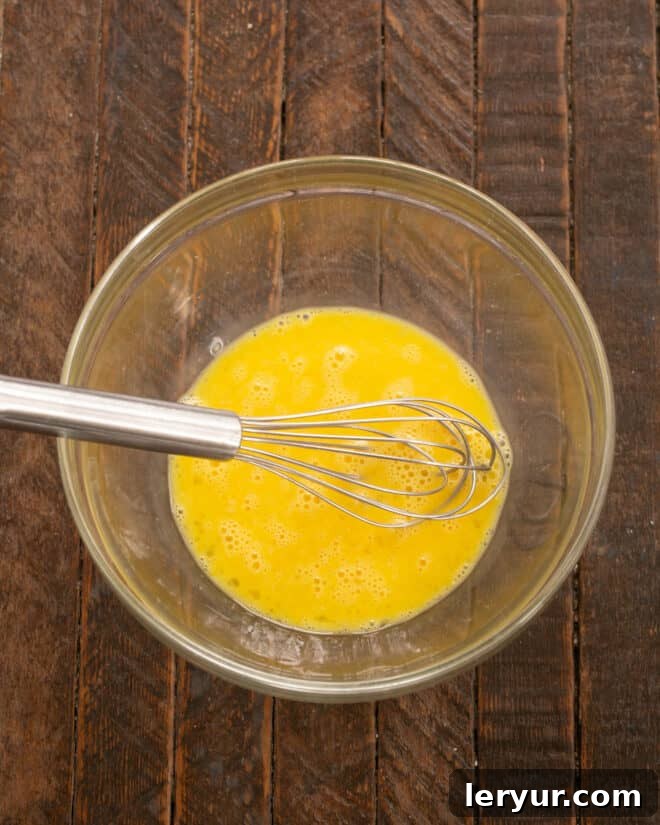
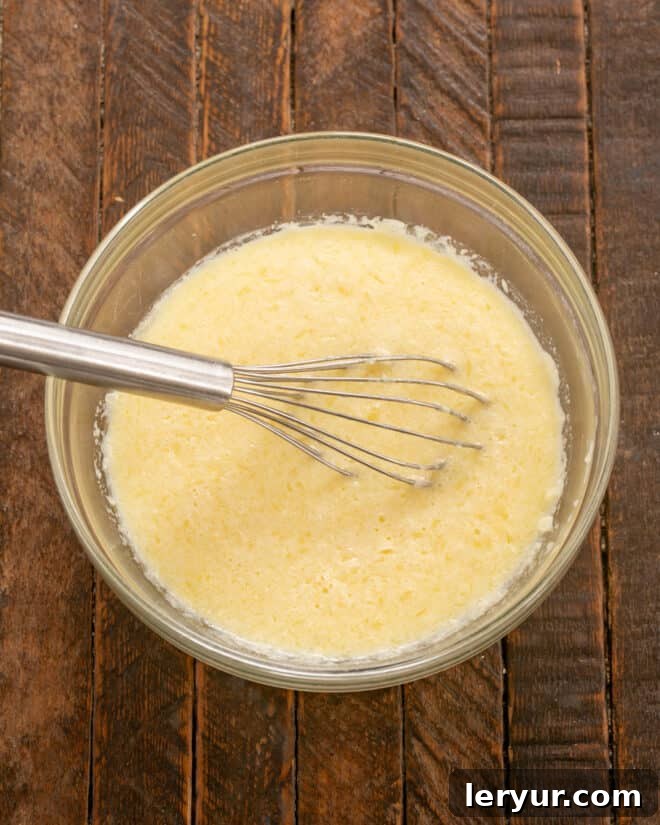
- In a medium mixing bowl, whisk the eggs until well combined and slightly frothy.
- Add the melted butter, milk, and salt to the whisked eggs. Stir thoroughly until all ingredients are fully incorporated.
- If not already done, gently flake the drained salmon into bite-sized pieces, ensuring any bones or large skin pieces are removed if desired.
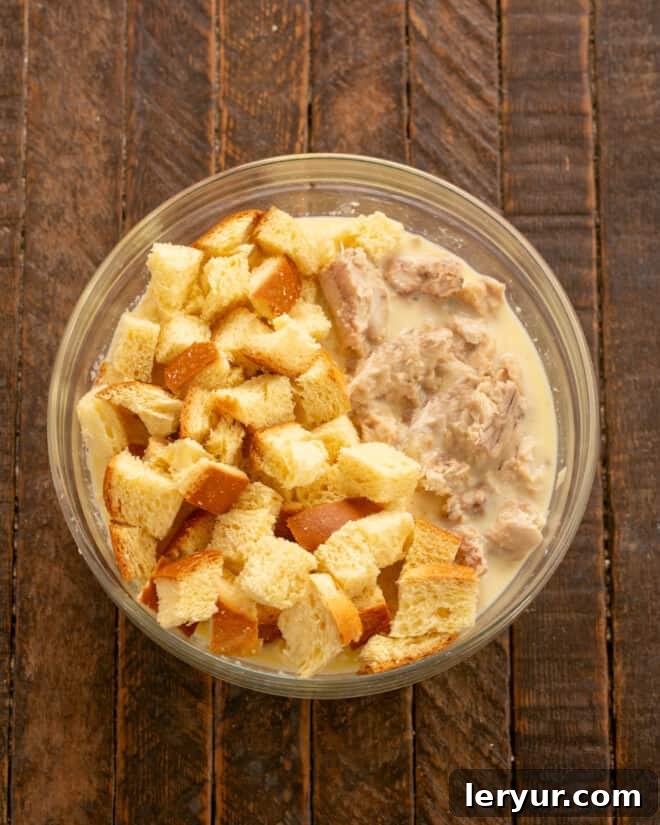
- Add the cubed bread and flaked salmon to the bowl with the wet mixture. Gently toss and fold the ingredients until they are just combined and the bread has absorbed some of the liquid. Be careful not to overmix.
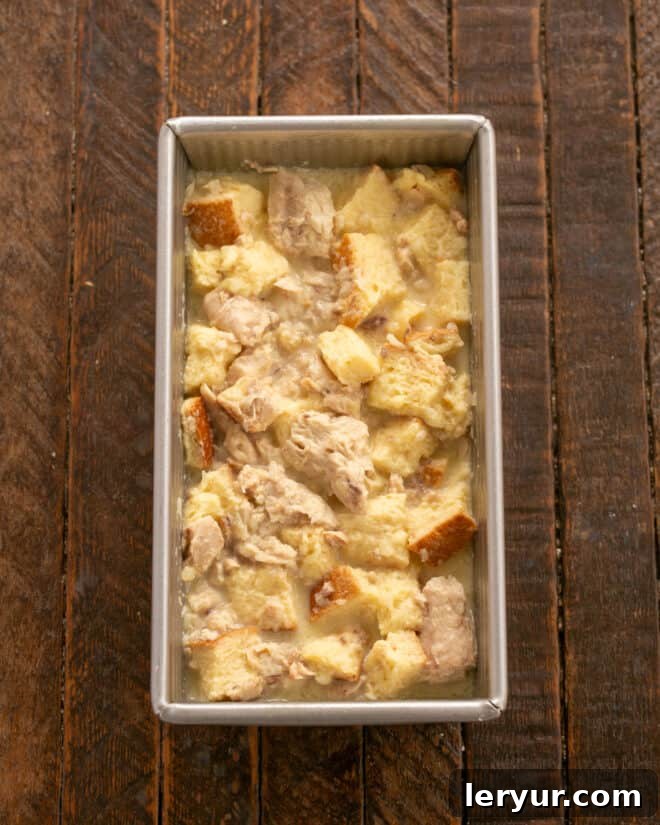
- Scrape the salmon loaf mixture into the prepared loaf pan, spreading it evenly and gently pressing it down to create a smooth, compact surface.
- Bake for 45-60 minutes, or until the loaf is puffed up, golden brown on top, and firm to the touch in the center. An instant-read thermometer should register 160°F (71°C).
- Remove from the oven and let the loaf rest in the pan for 5-10 minutes before carefully inverting it onto a cutting board. Slice into generous portions and serve warm.
Notes
Removing the bones and skin from canned salmon is entirely optional. While they are safe and nutritious to eat (and a source of calcium), many prefer to remove them for a smoother, more palatable texture in the loaf.
For an extra boost of flavor, consider adding 1 teaspoon of dried dill, ¼ teaspoon of onion powder, or a squeeze of fresh lemon juice to the mixture.
Recommended Products
As an Amazon Associate and member of other affiliate programs, I earn from qualifying purchases.
- 3 Pyrex Mixing Bowls
- OXO Good Grips 11-Inch Better Balloon Whisk
- Stainless Steel Loaf Pan
Nutrition Information:
Yield:
6
Serving Size:
1
Amount Per Serving:
Calories: 241Total Fat: 16gSaturated Fat: 7gTrans Fat: 0gUnsaturated Fat: 7gCholesterol: 111mgSodium: 565mgCarbohydrates: 11gFiber: 0gSugar: 4gProtein: 14g
Thatskinnychickcanbake.com occasionally offers nutritional information for recipes contained on this site. This information is provided as a courtesy and is an estimate only. This information comes from online calculators. Although thatskinnychickcanbake.com attempts to provide accurate nutritional information, these figures are only estimates.
Varying factors such as product types or brands purchased can change the nutritional information in any given recipe. Also, many recipes on thatskinnychickcanbake.com recommend toppings, which may or may not be listed as optional and nutritional information for these added toppings is not listed. Other factors may change the nutritional information such as when the salt amount is listed “to taste,” it is not calculated into the recipe as the amount will vary. Also, different online calculators can provide different results.
To obtain the most accurate representation of the nutritional information in any given recipe, you should calculate the nutritional information with the actual ingredients used in your recipe. You are solely responsible for ensuring that any nutritional information obtained is accurate.
HOW MUCH DID YOU LOVE THIS RECIPE?
Please leave a comment on the blog or share a photo on Pinterest