
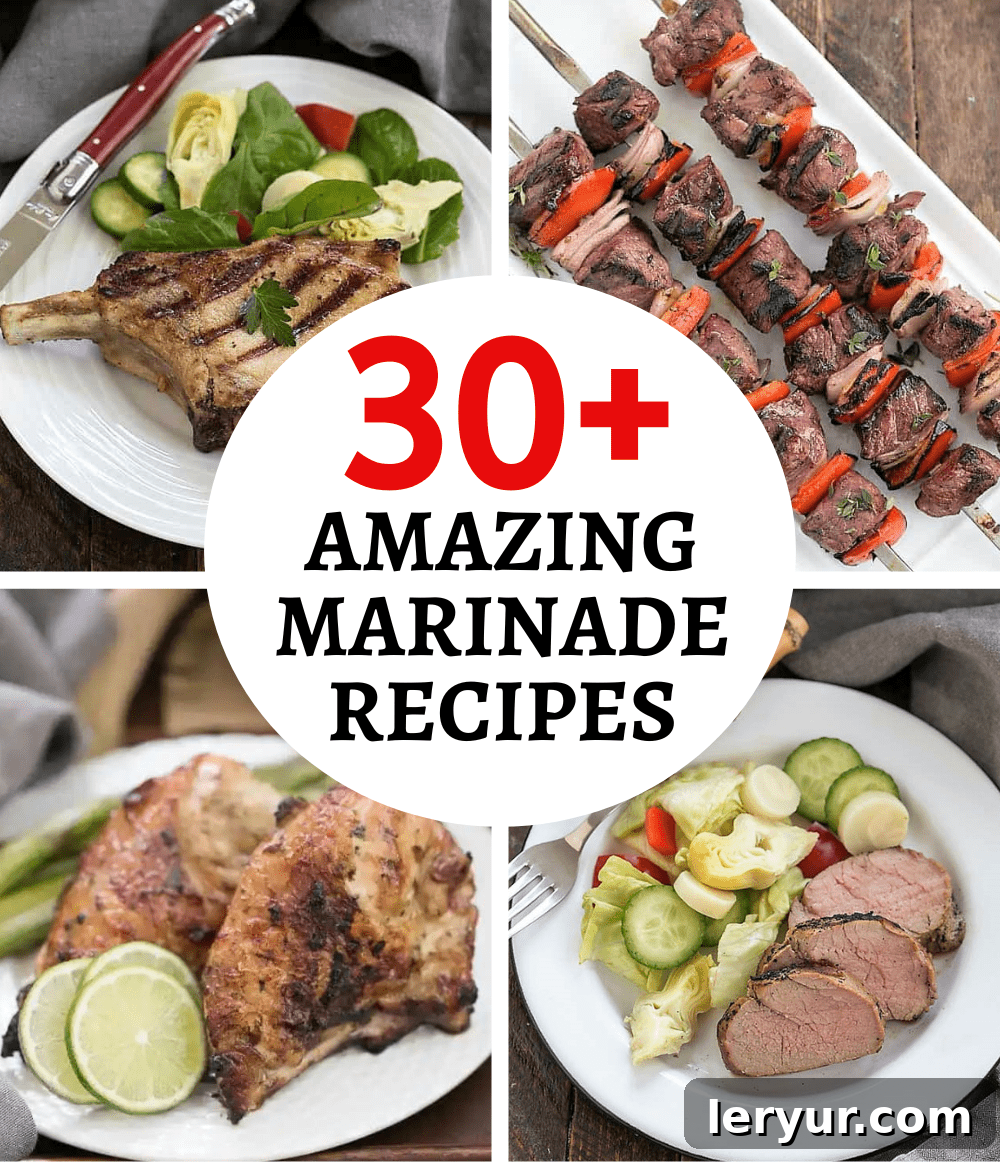
Welcome to the definitive guide on the Best Marinade Recipes for Grilling! Marinades are culinary magic, transforming ordinary cuts of meat, poultry, seafood, and even vegetables into extraordinary culinary experiences. They don’t just add surface flavor; they work their way deep into the cells, infusing every bite with tantalizing tastes. When these perfectly marinated ingredients meet the intense heat and smoky char of a charcoal or gas grill, the result is an entree that’s consistently moist, exceptionally tender, and bursting with deliciousness. This comprehensive resource will equip you with everything you need to become a grilling marinade master.
While some Marinades are meticulously crafted for specific types of protein, others, such as the versatile teriyaki, prove to be incredibly adaptable and are terrific with a wide array of ingredients, including seafood, beef, chicken, pork, and more. Within this expertly curated post, you’ll discover an extensive collection of recipes categorized for optimal pairing with various foods. Beyond just recipes, we delve into essential marinating tips, covering crucial aspects like optimal marinating durations for different foods and highlighting invaluable tools that will elevate your grilling game.
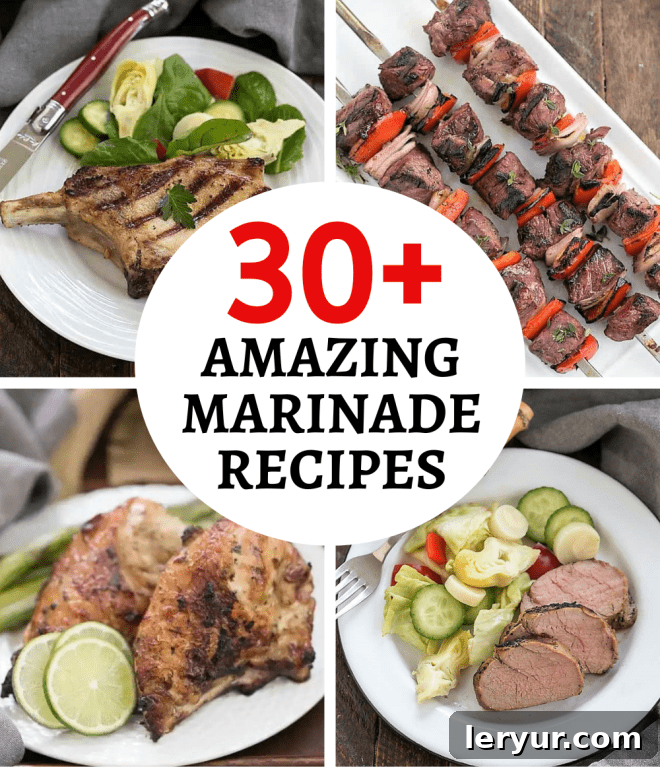
Why Marinades Are Essential for Every Griller
Incorporating marinades into your grilling routine is one of the simplest yet most impactful ways to elevate your outdoor cooking. Here’s why every home cook should embrace the power of a good marinade:
- Effortless Flavor Elevation: Most marinades are crafted from readily available pantry staples, making them incredibly simple and quick to prepare. A few minutes of whisking can yield hours of profound flavor development.
- Unmatched Versatility and Customization: The world of marinades is vast and endlessly creative. You can easily tweak and personalize recipes by experimenting with different spices, herbs, aromatic vegetables, and various acidic components. This adaptability allows you to tailor flavors to your specific preferences or to complement any cuisine style. From zesty citrus and fresh herbs to rich soy and bold spices, the possibilities are limitless.
- Guaranteed Moisture and Tenderness: This is arguably the most significant benefit. Marinades play a crucial role in ensuring your grilled meats, poultry, and fish remain wonderfully moist and exceptionally tender, even when cooked over high heat. The acidic and enzymatic components work to break down tough muscle fibers, while oils help lock in moisture, preventing your food from drying out on the grill. The result is a succulent, melt-in-your-mouth texture that will impress every time.
- Enhanced Food Safety (with proper handling): While not their primary purpose, some marinade ingredients, particularly acidic ones, can contribute to a safer cooking environment by inhibiting bacterial growth on the surface of raw foods, especially when correctly refrigerated.
Mastering the Art of Marinating: Expert Tips for Success
To achieve consistently excellent results with your marinades, consider these expert tips that cover everything from ingredient selection to safe handling and optimal timing:
- Always Include an Acidic Element: An acidic ingredient is the cornerstone of any effective marinade, primarily for its tenderizing properties. Acids work by denaturing proteins in the meat, breaking down connective tissues and allowing flavors to penetrate more deeply. Excellent choices include citrus juices (lemon, lime, orange, grapefruit), various vinegars (apple cider, red wine, balsamic, white wine), dairy products like yogurt or buttermilk, and even some wines. The type of acid will also impart a distinct flavor profile, so choose wisely!
- PRO-Tip on Quantity: A general guideline is to use approximately 1/2 cup of marinade for each pound of meat you plan to prepare. This ratio ensures sufficient coverage and allows the marinade to work its magic effectively without over-saturating the food, which could lead to an overly strong flavor or mushy texture.
- Choose Non-Reactive Containers: It is crucial to use a non-reactive container for marinating. Materials like Pyrex casserole dishes, ceramic bowls, glass containers, or high-quality Ziploc bags are ideal. Avoid using metal containers (especially aluminum, copper, or cast iron) or aluminum foil, as the acid in the marinade can react with the metal, imparting an undesirable metallic taste to your food and potentially causing discoloration.
- Ensure Even Coverage: For uniform flavor and tenderization, make sure all surfaces of your food are equally exposed to the marinade. If using a dish, turn the meat at least once halfway through the marinating process. When using a Ziploc bag, simply flip and massage the bag periodically to redistribute the marinade.
- Exercise Caution with Salt: While salt is a vital flavor enhancer, be mindful not to oversalt your marinade. Too much salt can draw moisture out of the meat through osmosis, counteracting the tenderizing and moisturizing benefits of the marinade and potentially leading to dry, tough results. If using salty ingredients like soy sauce, adjust accordingly.
- PRO-Tip on Timing: Marinating for the correct duration is critical. Over-marinating, especially with highly acidic or enzyme-rich marinades, can lead to an undesirable mushy texture as the proteins break down too much. Similarly, never freeze meat directly in its marinade for extended periods. The goal is to marinate long enough to tenderize and infuse flavor, but not so long that the muscle fibers completely disintegrate. Specific times vary by protein type, as detailed in the sections below.
- Always Refrigerate: For food safety, always marinate food in the refrigerator. Never leave marinating food at room temperature, as this promotes rapid bacterial growth.
- Never Reuse Marinade: Once raw meat has been in contact with a marinade, the marinade can contain harmful bacteria. Never reuse spent marinade as a sauce or for marinating other foods unless you bring it to a rolling boil for at least 5 minutes to kill any pathogens.
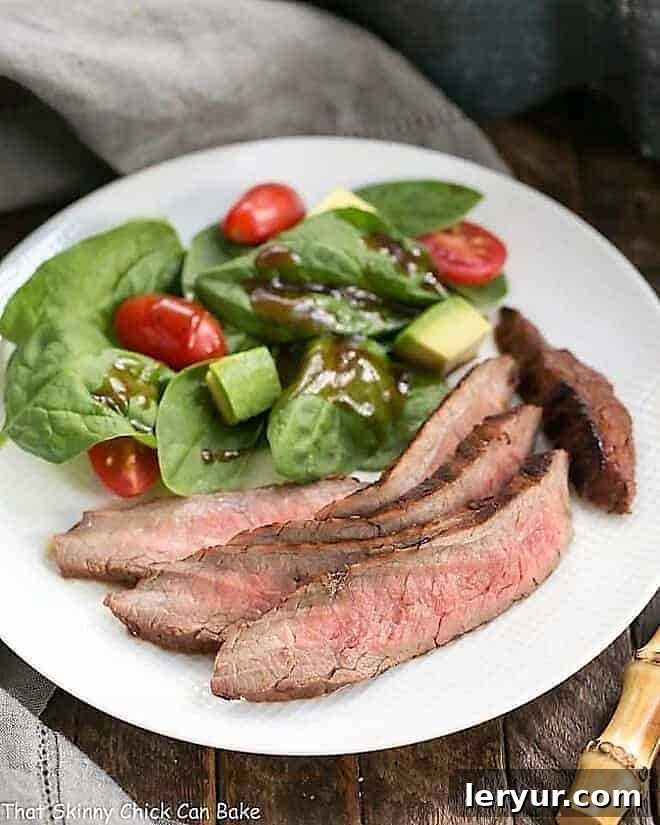
Elevating Your Beef: Best Marinades for Grilling
Beef is a robust protein that can stand up to powerful, flavorful marinades, making it an excellent candidate for long marinating times to maximize tenderness and flavor. Whether you’re grilling steaks, kabobs, or fajitas, a good marinade can make all the difference. Beef typically benefits from stronger acidic components and can be marinated for 3-24 hours, depending on the cut and desired intensity. To ensure optimal taste and safety when grilling beef, always cook to the following internal temperatures:
- Rare: 125°F (52°C)
- Medium-Rare: 130-135°F (54-57°C)
- Medium: 135-140°F (57-60°C)
- Medium-Well: 140-150°F (60-65°C)
- Well Done: 155°F (68°C) (generally not recommended for premium cuts due to dryness)
- Ground Beef: Due to a higher risk of E. coli, ground beef should always be cooked to a safe internal temperature of 160°F (71°C).
Explore these fantastic beef marinade recipes that promise to deliver exceptional flavor and tenderness:
- Soy, Orange Juice, and Red Wine Marinade
- Easy Grilled Flank Steak
- Beef Teriyaki Kabobs
- Korean Grilled Flank Steak
- Grilled Korean Beef Steaks
- Flank Steak Fajitas
- Grilled Beef Shish Kebobs
- Best Steak Marinade from Healthy Delicious
- 5 Easy Steak Marinades from Gimme Some Oven
- Plus, check out this post on How to Make the Ultimate Steak Charcuterie Board from Our Tiny Nest
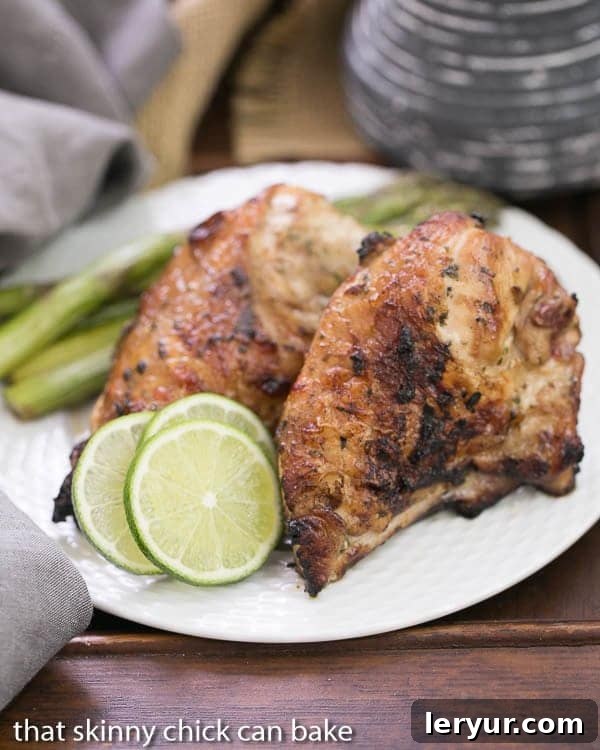
Juicy & Flavorful: Favorite Chicken Marinades for Grilling
Chicken, especially leaner cuts like breasts, greatly benefits from marinating to prevent dryness and infuse moisture and flavor. Marinades for chicken often include lighter acids, herbs, and sweet components to create a balanced profile. Chicken can be marinated for a shorter duration than beef, typically 3-12 hours. Proper cooking temperatures are crucial for safety and texture:
- Chicken Breasts: 165°F (74°C)
- Chicken Thighs: 165-175°F (74-79°C) (thighs are more forgiving and can tolerate higher temps)
- Chicken Burgers (and Ground Chicken): 170°F (77°C). It is imperative to cook ground chicken to a higher temperature than whole cuts. The grinding process can spread bacteria, such as Salmonella, throughout the minced meat, which would ordinarily only reside on the exterior of a whole chicken piece.
Discover these delightful chicken marinade recipes that promise to make your grilled chicken incredibly tender and tantalizingly tasty:
- Thai Chicken
- Honey Glazed Chicken Kebobs
- Feta Chicken Kabobs
- Mustard Garlic Lime Marinated Chicken
- Lemon Herb Grilled Chicken Marinade from Tidy Mom
- Mexican Chicken Marinade from Little Sunny Kitchen
- Best Chicken Marinade from Mom on Timeout
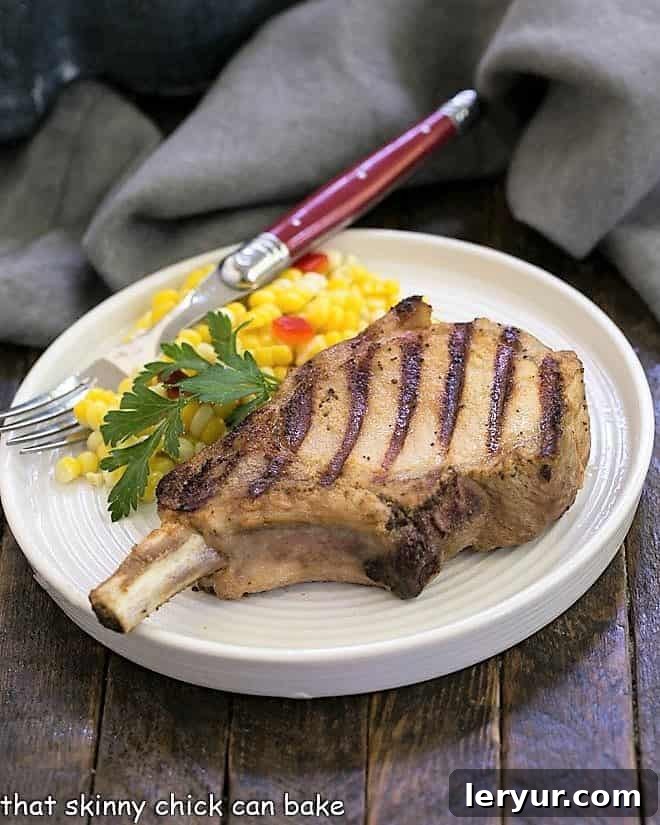
Perfectly Grilled Pork: Our Top Marinade Picks
Pork is another incredibly versatile protein that shines on the grill when properly marinated. Marinades help tenderize tougher cuts and add layers of flavor, complementing pork’s natural sweetness. Pork typically requires a marinating time of 3-12 hours. For succulent and safe grilled pork, adhere to these internal temperature guidelines:
- Medium-Rare Pork: 145°F (63°C)
- Medium Pork: 150°F (66°C)
- Well Done Pork (and Pork Burgers): 160°F (71°C)
Discover our selection of top-rated pork marinades, designed to impart incredible flavor and ensure a juicy, tender result every time you grill:
- The Best Pork Marinade
- Easy Pork Tenderloin Marinade
- Whiskey Marinated Pork Tenderloin
- Maple Grilled Pork Tenderloin
- Grilled Pork Chop Marinade
- Easy Pork Chop Marinade from Easy Budget Recipes
- Easy Pork Tenderloin Marinade from Spend with Pennies
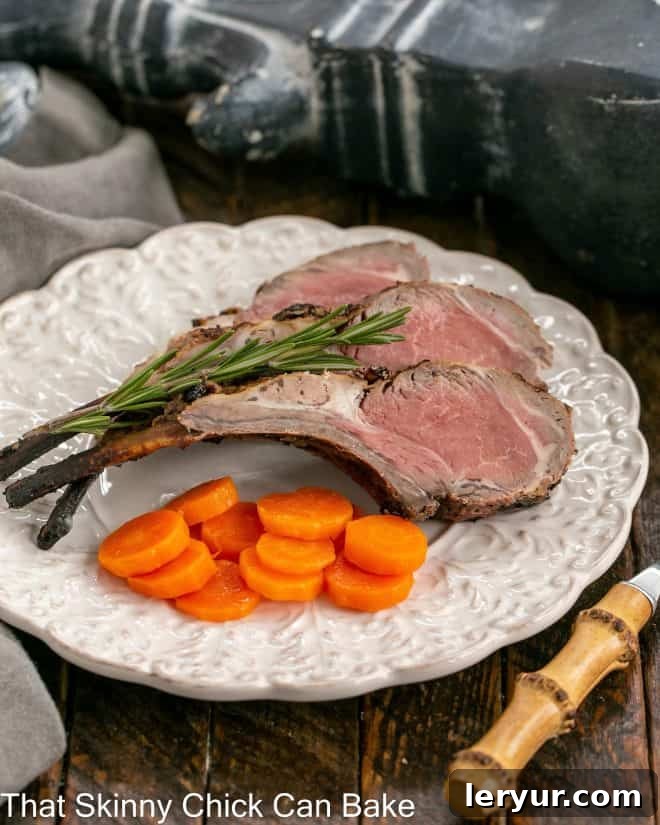
Global Flavors: Lamb, Shrimp, Salmon, and Vegetable Marinades
Beyond the classic trifecta of beef, chicken, and pork, marinades offer incredible potential for enhancing lamb, a variety of seafood, and even your favorite vegetables. Each of these categories benefits from specific marinating approaches to achieve the best results.
Lamb Marinades: Lamb, like beef, has a rich flavor profile that pairs well with robust marinades. Marinating times and doneness temperatures for lamb are generally the same as those for beef, allowing for a thorough infusion of flavor and tenderization. Aim for 3-24 hours of marinating time, depending on the cut and desired intensity.
Seafood Marinades (Shrimp & Salmon): Delicate seafood like shrimp and salmon require much shorter marinating times due to their tender structure. Over-marinating can quickly lead to a “cooked” or mushy texture, especially with acidic marinades. Shellfish (like shrimp) can be marinated for a quick 15 minutes, while other fish (like salmon) can benefit from 15-30 minutes of marinating. This brief period is sufficient to impart flavor without compromising texture.
Vegetable Marinades: Grilling vegetables adds a wonderful smoky char and sweetness, and a simple marinade can elevate them even further. Vegetables can be marinated for up to 30 minutes, allowing them to absorb savory or tangy notes that complement their natural flavors. This step is perfect for adding depth to grilled skewers or standalone vegetable sides.
Explore these diverse marinade recipes designed to bring out the best in lamb, shrimp, salmon, and your garden-fresh vegetables:
- Grilled Lamb Chops
- Greek Lamb Kabobs
- Cedar Plank Salmon
- Easy Glazed Salmon
- Grilled Shrimp Scampi
- Prosciutto Wrapped Shrimp
- Grilled Margarita Shrimp
- Rosemary Prosciutto Shrimp
- Marinated Vegetable Salad (not grilled)
- Easy Baked Shrimp from Living Locurto
- Marinated Grilled Squash from More than Meat and Potatoes
- Grilled Vegetables from What a Girl Eats
Frequently Asked Questions About Marinades
Got more questions about the science and practice of marinating? Here are answers to some of the most common queries to help you refine your technique and achieve perfect results every time.
The primary components that form the foundation of most effective marinades are typically an acid, an oil, and various flavorings. The acid (such as citrus juice, vinegar, yogurt, or buttermilk) is crucial for tenderization. The oil helps distribute fat-soluble flavors and prevents sticking to the grill. Flavorings (herbs, spices, garlic, onion, soy sauce, etc.) provide the desired taste profile.
Making a marinade is wonderfully straightforward. The simplest method involves whisking together all the ingredients in a bowl until they are well combined. For a smoother, potentially thicker consistency, your blender or food processor can also be used. If you slowly drizzle in the oil while the blender is running with the other ingredients, you can create an emulsified marinade, similar to mayonnaise. An emulsification creates a thicker, more stable mixture that clings better to the surface of the meat, enhancing flavor absorption.
Absolutely, yes. Marinating must always be done in the refrigerator to prevent the proliferation of harmful bacteria and significantly reduce the risk of food poisoning. Never marinate at room temperature. Furthermore, it’s critical never to reuse marinade that has come into contact with raw meat, poultry, or seafood, as it will contain raw meat juices and any surface bacteria. If you wish to use some marinade as a basting sauce or serving sauce, set a portion aside *before* it touches any raw food.
While I often opt for extra virgin olive oil for its flavor profile, many vegetable oils like canola, sunflower, or grapeseed oil also work exceptionally well in marinades. These oils are typically neutral in flavor and have high smoke points, making them suitable for grilling. The monoglycerides and diglycerides naturally present in olive oil are sometimes theorized to aid in faster marinade penetration, though any oil will help carry fat-soluble flavors and coat the food.
The ideal marinating time is highly dependent on the type of food and the acidity or enzymatic strength of your marinade. More delicate proteins such as fish and shellfish require significantly less time (15-30 minutes) compared to denser meats like beef or lamb (3-24 hours). The acid or enzymes in the marinade actively break down the surface texture and muscle fibers, allowing flavors to penetrate more easily and tenderizing the food. Marinating for too long can lead to a mushy texture. For specific recommendations, refer to the detailed marinating times listed above under each respective food category.
Essential Tools for a Perfect Marinating and Grilling Experience
Having the right tools can make your marinating and grilling process much smoother, safer, and more enjoyable. From mixing your marinades to flipping your food on the grill, these items are highly recommended for any aspiring grill master.
- Grilling Tongs (all Amazon links): Essential for safely handling and flipping food on a hot grill, ensuring even cooking and perfect grill marks.
- Wusthof 4-Piece BBQ Chef’s Tool Set: A high-quality set of grilling tools can make a significant difference in precision and ease of use.
- Metal Skewers: Reusable and perfect for creating delicious kabobs with marinated meats and vegetables. They conduct heat well for even cooking.
- Whisk: A simple whisk is indispensable for thoroughly blending your marinade ingredients, ensuring they are well combined. For an emulsified, thicker marinade, a blender works even better.
- Non-reactive bowls: Crucial for mixing and storing marinades. Glass, ceramic, or sturdy plastic bowls prevent any undesirable chemical reactions between acidic marinades and certain metals.
- Pyrex Dishes: These durable, non-reactive glass dishes are ideal for marinating larger cuts of meat or multiple pieces, offering both convenience and safety.
- Freezer Quality Gallon Ziploc Bags: My personal favorite for marinating. Their heavy-duty construction prevents leaks, and they allow for easy, even coating of food with minimal mess. Regular gallon Ziploc bags also work well.
- Instant Read Thermometer: An absolute must-have for grilling. It provides a quick and accurate way to monitor the internal temperature of your food, ensuring it’s perfectly cooked to your desired doneness and safe to eat.
- Sauce Pot and Basting Brush: Useful for warming any reserved marinade (remember, never reuse raw marinade!) or preparing a fresh sauce to baste your grilled items for added flavor and glaze.
- Charcoal Grill Chimney Starter: For charcoal grill users, a chimney starter is invaluable for quickly and efficiently lighting charcoal without the need for lighter fluid.
- Original Weber Charcoal Grill: A classic and reliable choice for a fantastic grilling experience, known for its consistent heat and durability.
We hope this guide inspires you to explore the incredible world of grilling marinades. By understanding the science and art behind them, you can transform your backyard barbecues into truly unforgettable feasts. Stay in touch through social media @ Instagram, Facebook, and Pinterest. Don’t forget to tag me when you try one of my recipes! And if you love the results, please give it a 5-star rating in the recipe card.