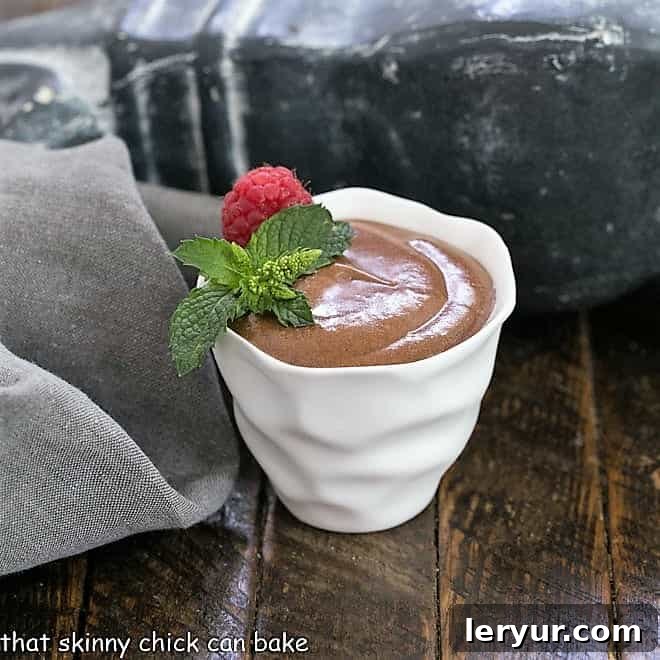
Delight in the unparalleled elegance of a truly classic dessert with Julia Child’s French Chocolate Mousse Recipe. Renowned for its silky-smooth texture and profoundly rich flavor, this iconic “Mousseline au Chocolat” isn’t just a dessert; it’s a culinary experience. In a recent blind taste test among several chocolate mousse recipes, Julia Child’s timeless creation emerged as the undisputed winner, captivating palates with its sophisticated balance and decadent finish. While it may require a few extra bowls and a little more care in the kitchen, the luxurious results are absolutely worth every moment and every dish. Prepare to master the art of making authentic chocolate mousse, just like the French masters!
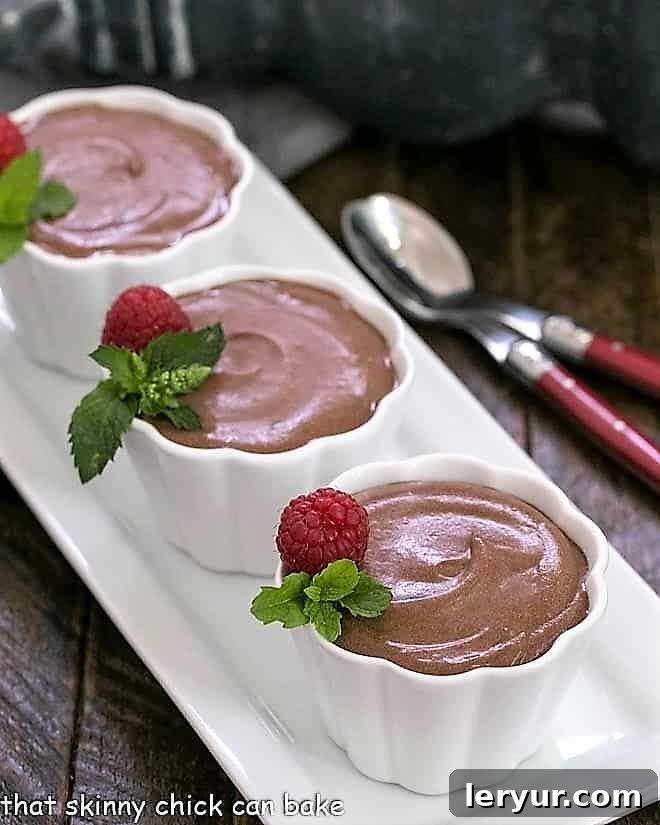
Why You Must Make Julia Child’s French Chocolate Mousse
Imagine gathering your closest friends for an indulgent “Mousse-a-Palooza,” a grand tasting event dedicated to finding the ultimate chocolate mousse. That’s precisely what inspired the rediscovery of this magnificent recipe. We meticulously taste-tested and compared four distinct styles of chocolate mousse: a traditional recipe featuring raw eggs, an egg-free alternative, a simplified version made with marshmallows, and a quick blender-based creation. The objective was clear: to find the most exquisite, restaurant-quality chocolate mousse.
- This recipe is the legendary Julia Child’s French Chocolate Mousse, a testament to her culinary genius and dedication to classic French techniques.
- Crafted the traditional French way, it guarantees an ultra-smooth, light, and incredibly creamy texture that defines true mousse.
- This recipe has not only stood the test of time but continues to deliver a taste and texture that rivals the finest desserts served in upscale restaurants across the globe.
- Most impressively, it was the overwhelming winner in our rigorous blind taste test against three other popular recipes, proving its superior quality and irresistible appeal.
The Art of Perfect Ingredients for French Chocolate Mousse
Achieving a truly exceptional chocolate mousse begins with selecting the right ingredients. Julia Child understood that quality components are the foundation of any great dish, and this recipe is no exception. Each ingredient plays a crucial role in developing the mousse’s characteristic flavor, luxurious texture, and overall appeal. Here’s a detailed look at what you’ll need and why each choice matters.
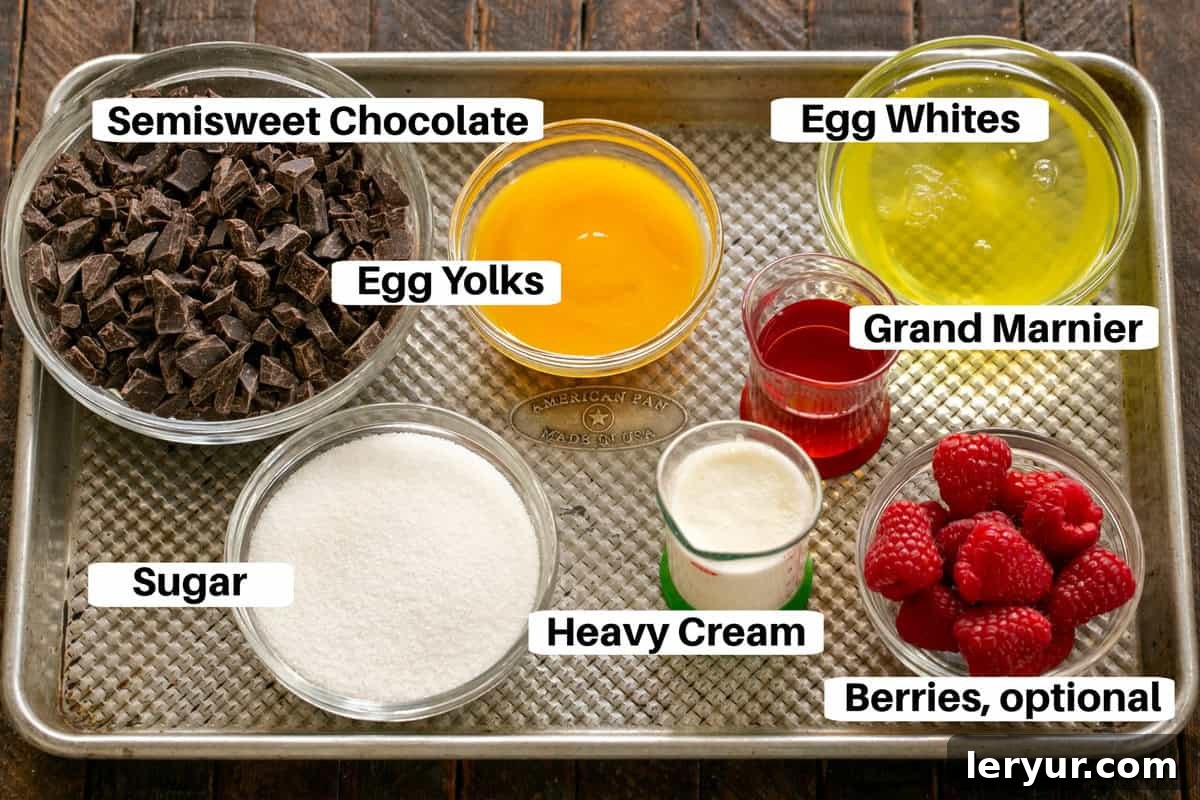
Ingredient Notes:
- Large Eggs: Eggs are fundamental to this classic mousse, providing both richness and structure. For optimal separation, always crack your eggs when they are cold, as the yolk is firmer and less likely to break. Conversely, egg whites whip to a significantly greater volume and achieve stiffer peaks when at room temperature, making them ideal for creating that airy texture. Please be aware that this recipe traditionally contains raw egg whites. For the safety of very young children, the elderly, pregnant individuals, or those with compromised immune systems, consider using pasteurized eggs.
- Granulated Sugar: Simple granulated sugar is all you need. It not only provides sweetness but also helps stabilize the whipped egg yolks and whites, contributing to the mousse’s overall structure and smooth consistency.
- Coffee Liqueur (Kahlua) or Orange Liqueur (Grand Marnier): Julia Child’s original recipe often called for an orange liqueur like Grand Marnier, which adds a bright, citrusy counterpoint to the rich chocolate. However, Kahlua, a coffee liqueur, offers a wonderful alternative, deepening the chocolate notes without imparting an overwhelming coffee flavor. Feel free to use whichever liqueur aligns with your preference, or omit it for a non-alcoholic version, though it truly elevates the complexity.
- High-Quality Semi-Sweet Chocolate: The choice of chocolate is paramount. It’s the star of the show and directly impacts the final taste and texture of your mousse. While readily available Ghirardelli chocolate bars are a good option from most supermarkets, for an truly extraordinary experience, consider seeking out gourmet baking chocolate. Scharffen Berger Semisweet Chocolate Bars, for instance, are a favorite among connoisseurs for their superior quality and depth of flavor. Look for chocolate with a good cacao percentage (around 60-70%) for a balanced sweetness and bitterness, and ensure it melts smoothly.
- Strong Coffee: Don’t underestimate the power of coffee in chocolate desserts. A small amount of strong coffee doesn’t make the mousse taste like coffee; instead, it acts as a flavor enhancer, intensifying the richness and complexity of the chocolate. It deepens the chocolate’s natural bitterness and brings out its hidden aromatic notes, resulting in a more profound and satisfying chocolate experience.
- Unsalted Butter: Butter contributes to the luxurious, melt-in-your-mouth texture of the mousse. Using unsalted butter allows you to control the overall saltiness of the dish. While salted butter can work in a pinch, unsalted is preferred for precision in baking. Ensure it’s softened to room temperature for easier incorporation.
- A Pinch of Salt: A tiny pinch of fine salt, not coarse kosher salt, is crucial for balancing the sweetness and enhancing all the other flavors in the mousse. It subtly brightens the chocolate and prevents the dessert from tasting one-dimensional.
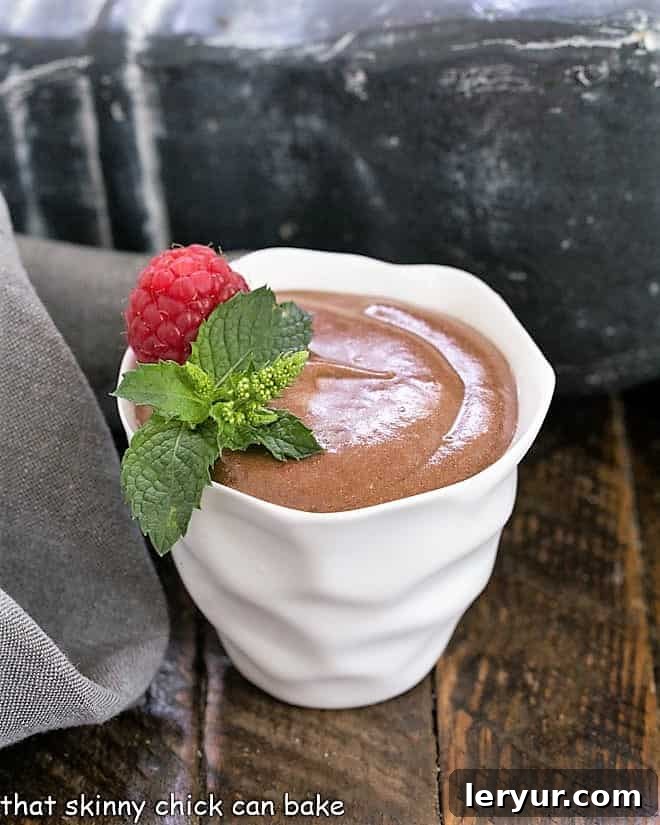
Julia Child’s Mousseline au Chocolat and the Competitors: A Taste Test Showdown
I had a strong conviction about what made my ideal chocolate mousse – the right balance of richness, lightness, and profound chocolate flavor. But the true test lies in the impartial judgment of others. My friends and family, often my most honest critics, always insist on a side-by-side comparison to truly evaluate a recipe’s merits. This desire for direct comparison led to the creation of our “Mousse-a-Palooza” tasting team, ready to dissect every nuance of four different chocolate mousse recipes.
The Skinny Chick tasting team eagerly accepted the challenge, donning their critic hats for an afternoon of decadent evaluation. Here’s a detailed breakdown of the four mousse recipes we tried and their collective critiques:
- Julia Child’s Mousseline au Chocolat: This was the clear standout. Testers described it as remarkably fluffier and lighter than the rest, yet intensely smooth and profoundly chocolaty. The sweetness was perfectly balanced, reminiscent of the sophisticated desserts one would find in a high-end French restaurant. Its texture was often compared to a luxurious French silk pie, offering that unmistakable melt-in-your-mouth quality.
- Alton Brown’s Egg-Free Chocolate Mousse: This contender offered an airy texture with a very dense chocolate flavor. Some found it more “intense” and “authentic” in its chocolate profile, where the coffee addition was more pronounced, creating a bolder, slightly more bitter chocolate experience. While excellent, it lacked the specific richness and delicate silkiness that only egg yolks can provide.
- Blender Chocolate Mousse: This quick version, sampled before being fully chilled, was noted for its pudding-like consistency. It was less sweet than the others, and when freshly made, some tasters commented that it tasted surprisingly similar to Angelina’s famous Parisian hot chocolate – smooth and almost syrupy. However, the lack of full chilling likely affected its final texture, making it less comparable to a traditional mousse.
- Nigella Lawson’s Instant Chocolate Mousse: This recipe, also sampled before fully chilling, was deemed the least chocolaty of the group. Testers noted a discernible grainy texture before it had cooled completely and an obvious taste of marshmallows, indicating an overly sweet profile. While convenient, it couldn’t compete with the complex flavors and refined textures of the more traditional recipes.
After much deliberation and savoring, Julia’s and Alton’s recipes emerged as the clear favorites. However, it was the Classic French Mousse au Chocolat that ultimately edged out Alton’s egg-free version, winning by a hair. The perfectly balanced sweetness, the ethereal lightness, and the deep, complex chocolate flavor made it a truly unforgettable dessert.


How to Make Julia Child’s Classic French Chocolate Mousse
Creating this masterpiece is a process that builds layers of flavor and texture. Follow these steps carefully to achieve Julia Child’s signature silky and airy French chocolate mousse.
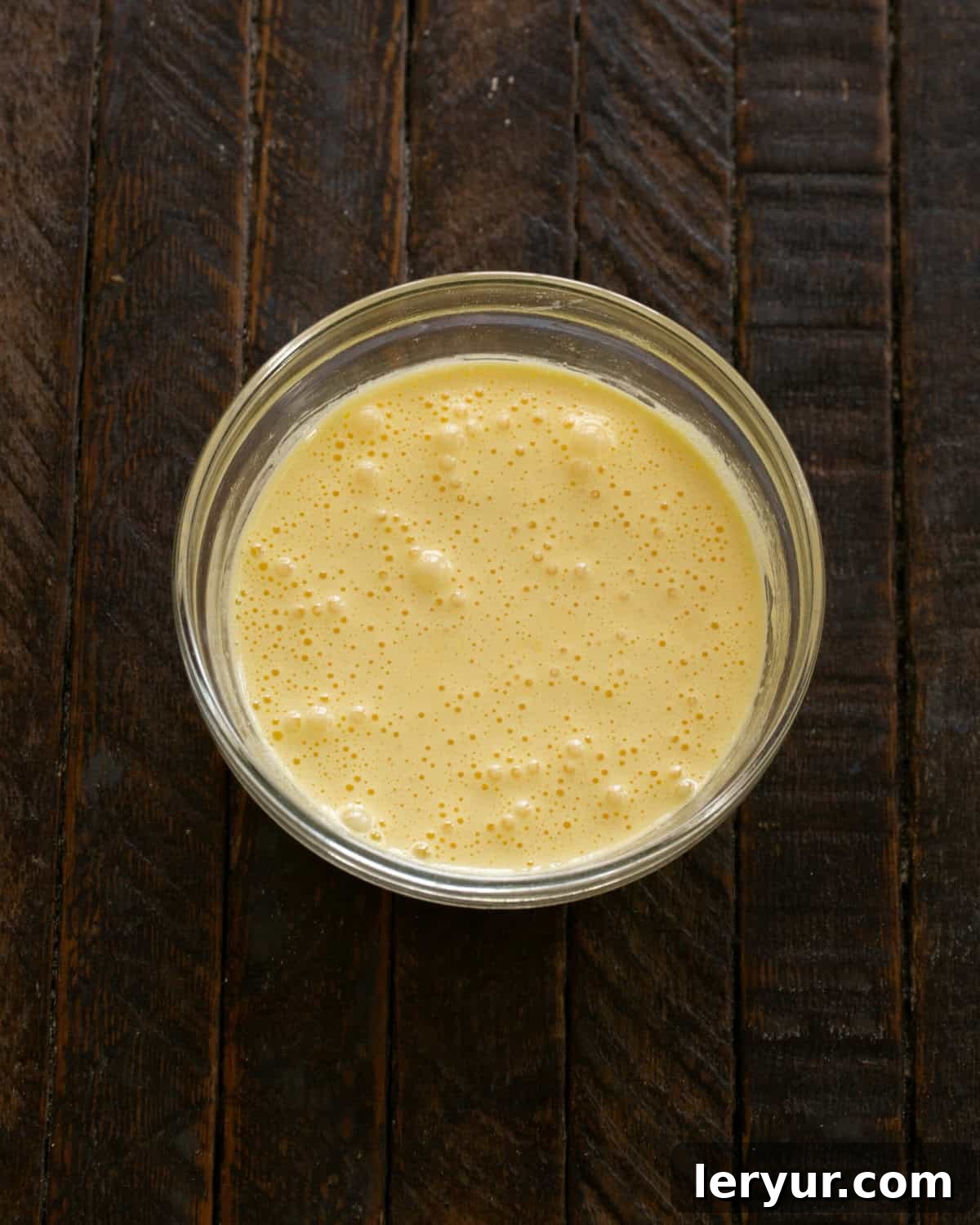
- Prepare the Egg Yolks: In a mixing bowl, combine the egg yolks and granulated sugar. Beat them together vigorously until the mixture becomes thick, pale yellow, and forms a ribbon when lifted. This process incorporates air and creates a stable base.
- Infuse with Liqueur: Gently beat in your chosen coffee liqueur (such as Kahlua) or orange liqueur (like Grand Marnier) into the egg yolk mixture, ensuring it’s well combined.
- Gentle Warming (Bain-Marie): Place the mixing bowl over a pot of water that is barely simmering (not boiling, just steaming gently). Continue beating the mixture over the indirect heat for 3-4 minutes. This pasteurizes the yolks and further thickens them, enhancing stability and richness.
- Rapid Cooling: Immediately transfer the bowl from the heat and place it over a larger bowl filled with cold water and ice. Continue beating for another 3-4 minutes until the mixture is completely cool and has the consistency of thick mayonnaise. This rapid cooling prevents overcooking and sets the texture.
- Melt the Chocolate: In a separate microwave-safe bowl, combine your chopped semi-sweet chocolate and strong coffee. Microwave in 30-second intervals, stirring thoroughly after each, until the chocolate is fully melted and smooth. The coffee will enhance the chocolate’s depth.
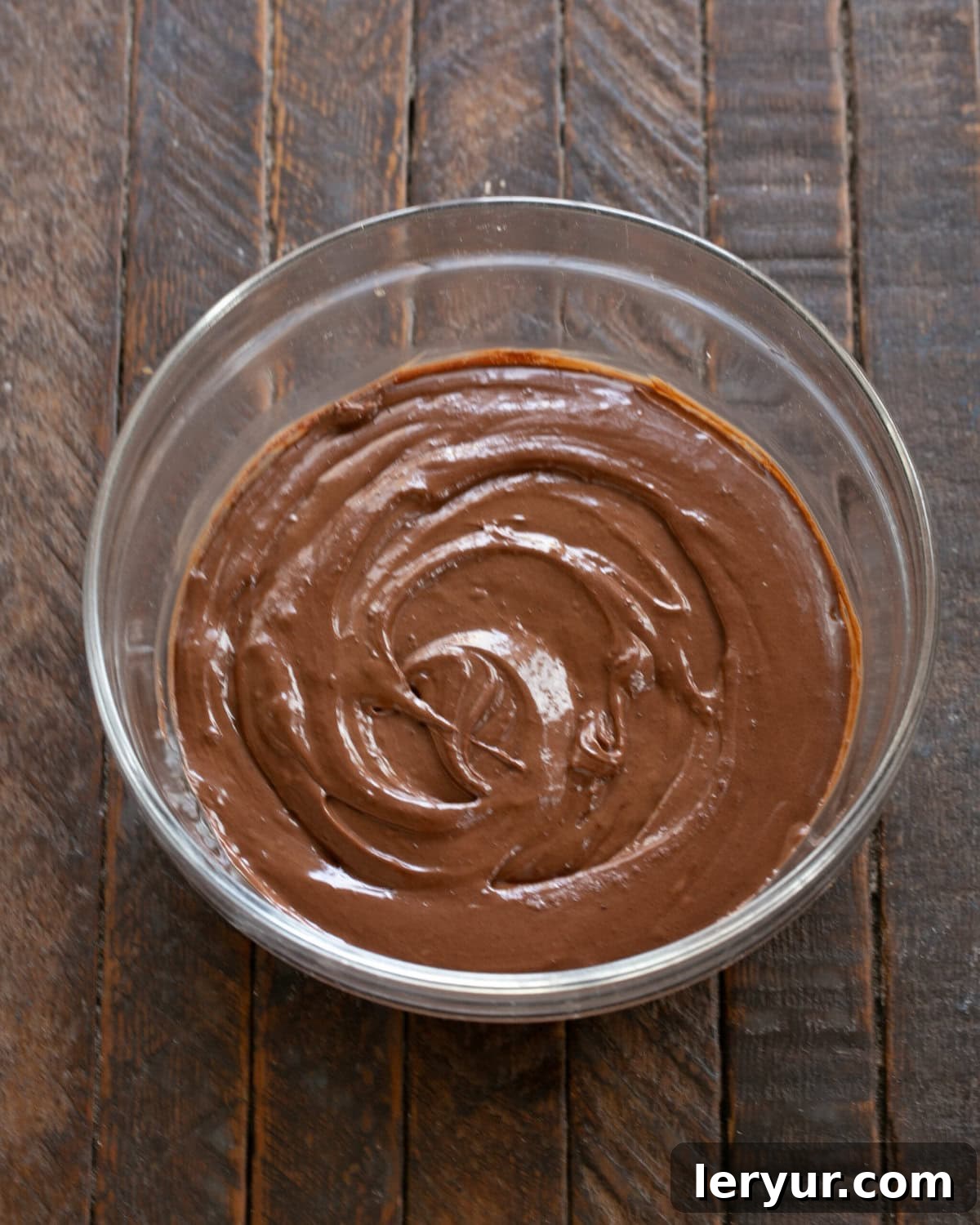
- Incorporate Butter: Gradually whisk in the softened unsalted butter, a little at a time, into the melted chocolate mixture. Continue whisking until the mixture is smooth, glossy, and creamy.
- Combine Chocolate and Yolks: Carefully beat the prepared chocolate-butter mixture into the cooled egg yolk and sugar mixture. Ensure everything is thoroughly combined into a rich, uniform chocolate base. Set this aside.
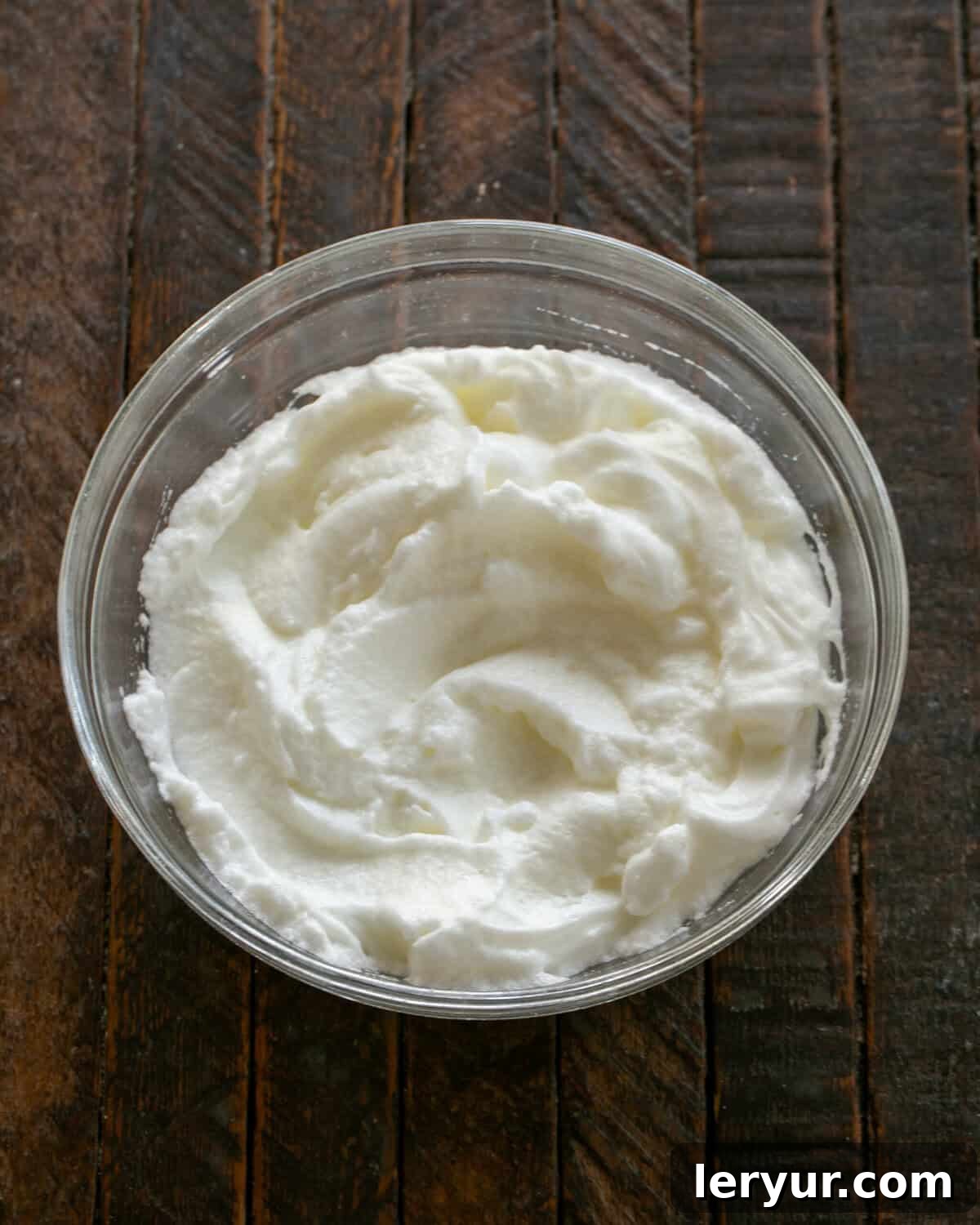
- Whip Egg Whites: In a perfectly clean, grease-free bowl, beat the egg whites with a pinch of salt until soft peaks begin to form. Then, gradually sprinkle in the additional tablespoon of sugar while continuing to beat until stiff, glossy peaks form. These stiff whites are crucial for the mousse’s characteristic lightness.
- Lighten the Chocolate Base: Gently stir about a quarter of the whipped egg whites into the dense chocolate mixture. This “lightens” the chocolate base, making it easier to fold in the remaining whites without deflating them.
- Fold with Care: Add the remaining whipped egg whites to the chocolate mixture. Using a rubber spatula, carefully fold the mixture. Use gentle, sweeping motions, bringing the mixture from the bottom to the top, turning the bowl as you go. Continue until most of the egg whites are just incorporated, leaving no streaks. Be careful not to overmix, as this will deflate the mousse.
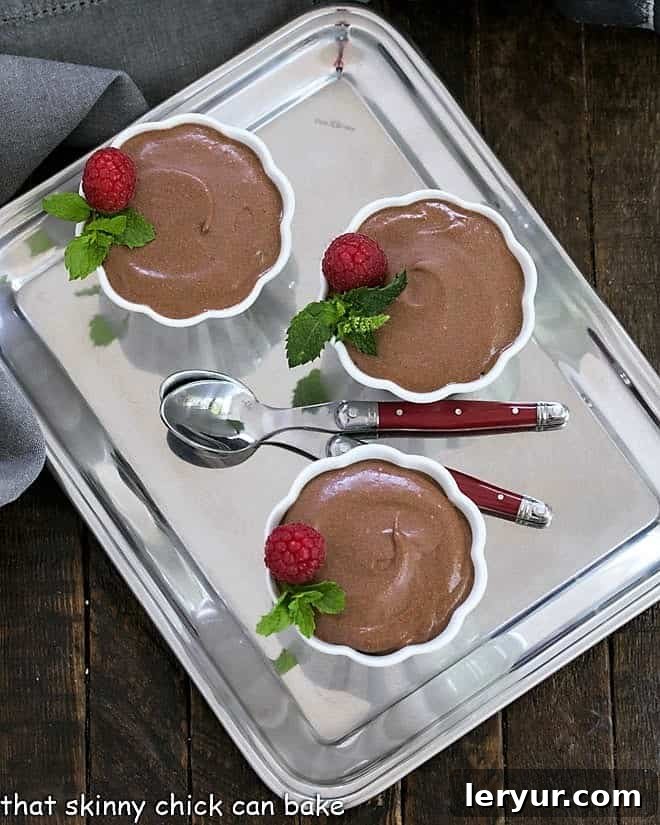
- Chill and Serve: Spoon the delicate mousse into a large serving dish or individual dessert cups. Refrigerate for at least 2 hours, or preferably longer, to allow the mousse to set to its perfect, airy consistency. Serve chilled, optionally garnished with fresh berries and a dollop of lightly sweetened whipped cream. Enjoy your authentic French chocolate mousse!
Elevating Your Chocolate Mousse Tasting Experience: Pro Tips
Hosting your own chocolate mousse tasting can be a fun and insightful way to appreciate the nuances of different recipes. To ensure a fair and enjoyable experience, keep these tips in mind:
- Standardize Flavorings: To truly compare textures and base chocolate flavors, try to equalize the flavorings. For our tasting, Julia Child’s recipe originally called for Grand Marnier (orange liqueur), which we replaced with Kahlua (coffee liqueur) to maintain consistency with other recipes that used coffee. Stick to one or two consistent flavor enhancers like coffee, coffee liqueur, or vanilla across all samples.
- Consistent Chocolate Type: Even if a recipe suggests bittersweet chocolate, using semi-sweet chocolate across all samples will help maintain an even playing field for sweetness and cocoa intensity. This allows you to focus on structural and textural differences.
- Serve Fully Chilled: This is a critical step for an accurate tasting. Mousse develops its characteristic firmness and texture only after adequate chilling. Serving all samples fully chilled ensures they are at their optimal consistency, which greatly influences the tasting experience.
- Invite the Right Critics: Assemble a panel of friends who genuinely enjoy cooking, eating, and are not afraid to offer constructive critique. Their diverse palates and honest opinions will make the tasting much more engaging and valuable.
Our “Mousse-a-Palooza” concluded with Julia’s and Alton’s recipes as the clear front-runners, with Julia Child’s Classic French Mousse au Chocolat just barely surpassing Alton’s egg-free version. The critical factor was serving these two fully chilled, allowing their intended textures to shine. The other two, quicker versions significantly improved after a brief chill, receiving much more favorable reviews once their textures had properly set. Nigella’s, despite its convenience, consistently registered a prominent marshmallow taste, placing it last among our testers, though it’s worth noting that younger tasters (my family and teenage friends) enjoyed it without complaint!
Mastering Mousse: Expert Tips for Success
Creating a truly exquisite chocolate mousse is a rewarding experience, and a few expert tips can make all the difference in achieving perfection. From selecting your ingredients to mastering delicate techniques, these insights will help you craft a dessert worthy of Julia Child herself.
- Choose Quality Chocolate: The quality of your chocolate dramatically impacts the final flavor and texture. Opt for decent baking bars or couverture chocolate rather than standard chocolate chips, which often contain stabilizers that can prevent smooth melting. Ghirardelli bars are a good, affordable option for quality. Invest in the best chocolate you can find – it truly makes a world of difference.
- Understanding Raw Eggs: This classic recipe uses raw egg whites. While the egg yolks are gently heated over a bain-marie, the whites are incorporated uncooked. To ensure safety, especially when serving to young children, the elderly, pregnant individuals, or anyone with health concerns (like those undergoing chemotherapy), always use pasteurized eggs. Salmonella, a foodborne bacteria, can occasionally be found in raw eggs.
- Pasteurizing Eggs at Home: If pasteurized eggs aren’t available, you can pasteurize them at home. This typically involves holding the eggs at a temperature between 140°F and 142°F (60°C to 61°C) for about 3 minutes. Be careful not to exceed these temperatures, as the eggs will begin to cook. Simply Recipes offers a detailed tutorial on how to do this safely.
- The Role of Egg Whites: Whipped egg whites are the secret to a light and airy mousse. They introduce volume and delicate structure, perfectly balancing the richness of the egg yolks and chocolate. Beat them to stiff peaks, but be careful not to overbeat, which can lead to a dry, crumbly texture.
- PRO-Tip: Pristine Egg Whites: Egg whites are incredibly sensitive to fat. Even the tiniest speck of grease or egg yolk will prevent them from whipping up into billowy, stiff peaks. Ensure your mixing bowl and beaters are impeccably clean and completely free from any fat residue. It’s crucial that absolutely no egg yolk contaminates the whites during separation.
- PRO-Tip: Room Temperature Whites: Egg whites whip best and achieve maximum volume when they are at room temperature. If your eggs are cold from the fridge, you can speed up the warming process by placing the bowl of separated whites into a larger bowl of warm water (not boiling) for a few minutes, ensuring the water level comes only partway up the side of the bowl.
- Mastering Egg Separation: To minimize the chance of a yolk breaking and contaminating your whites, separate eggs while they are cold, as yolks are firmer. For 100% safety and success, especially when working with many eggs (like for an angel food cake requiring a dozen whites), use the “three-bowl method”: one small bowl for separating each egg’s white from its yolk, one for collecting the yolks, and a third large bowl to transfer each successfully separated white into. This way, if a yolk breaks, it only contaminates one small amount of white, not your entire batch.
- The Art of Folding: Folding is a critical technique for maintaining the airiness of your whipped egg whites. If you simply stir them into the heavier chocolate mixture, they will deflate, resulting in a dense mousse. To fold, place the lighter ingredient (whipped whites) on top of the heavier ingredient (chocolate mixture). With a rubber spatula, make a circular motion down through the middle of the bowl, scoop up along the side, and then gently fold the lifted mound of mixture over and into the rest. Rotate your bowl about 90 degrees and repeat this process until the mixture is just homogeneous, with no visible streaks of white. This preserves the delicate air bubbles.
- PRO-Tip: Adequate Chilling: Patience is a virtue when it comes to chocolate mousse. Refrigerate your mousse for at least 2 hours, or ideally 4-6 hours, before serving. This chilling period allows the chocolate to firm up and the various components to meld and set, transforming the liquid mixture into the desired silky, airy, and stable mousse consistency.
- Storage and Freezing: Once made, cover your chocolate mousse with plastic wrap and store it in the refrigerator for up to 5 days. For longer storage, it can be frozen for up to 2 months. Thaw frozen mousse slowly in the refrigerator overnight before serving.
Frequently Asked Questions About Chocolate Mousse
The word “mousse” is French for “froth” or “foam,” perfectly describing the light, airy texture of these delectable desserts. Chocolate mousse, in particular, is unique because it often doesn’t require additional thickeners like gelatin; the chocolate itself provides sufficient firmness once cooled. Other mousse recipes, such as a fruit-based Strawberry Mousse, commonly use gelatin to achieve their structure. While sweet mousses are most popular, savory variations like salmon mousse exist, though I suspect my family would be quite surprised if I served one!
For both quality and safety, chocolate mousse must be kept refrigerated until just before it’s served. Given that many recipes, including Julia Child’s classic, contain raw eggs and/or whipped cream, maintaining a chilled temperature is essential to minimize the risk of food-borne illnesses. Store it covered tightly with plastic wrap to prevent it from absorbing refrigerator odors and to keep it fresh.
There is a small but present risk of contracting salmonella, a food-borne illness, from consuming raw or unpasteurized eggs. This risk can be significantly reduced by either purchasing commercially pasteurized eggs or by pasteurizing them at home. To safely pasteurize eggs, they need to be held at a precise temperature between 140°F and 142°F (60°C to 61°C) for exactly 3 minutes; heating them above this range will cook them, while lower temperatures will not effectively eliminate bacteria.
If you choose to use raw eggs in your mousse, which is common in traditional recipes, it is crucial to avoid serving it to individuals who are at higher risk. This includes very young children, the elderly, pregnant women, and anyone who is immune-compromised due to chemotherapy or illness.
You May Also Like: More Decadent Chocolate Desserts
If you’ve fallen in love with the rich flavors and luxurious textures of Julia Child’s French Chocolate Mousse, you’re in for a treat! Explore these other mouth-watering recipes for mousse and desserts that beautifully incorporate the magic of chocolate mousse:
- Chocolate Mousse Brownies from Kate of Diethood: A delightful combination of fudgy brownies topped with a layer of airy chocolate mousse.
- Chocolate Hazelnut Tart with Chocolate Mousse from Aimee of Shugary Sweets: An elegant tart featuring a crunchy hazelnut crust and a creamy chocolate mousse filling.
- Dorie Greenspan’s Top Secret Chocolate Mousse: Discover another acclaimed take on this classic dessert from a renowned baker.
- Chocolate Truffle Mousse: Indulge in an even richer, more intense chocolate experience with this truffle-inspired mousse.
- White Chocolate Mousse Recipe: For lovers of white chocolate, this delicate mousse offers a sweet and sophisticated alternative.
- If you’re short on time, try this 5-Minute Chocolate Mousse Recipe: A quick and easy solution for a chocolate craving.
- Explore more of the Best Chocolate Desserts Recipes: A collection of delightful chocolate creations for every occasion.
Stay connected and share your culinary adventures! Find us on Instagram, Facebook, and Pinterest. Don’t forget to tag me when you create one of my recipes! If you adore the results, please consider leaving a 5-star rating in the recipe card below.
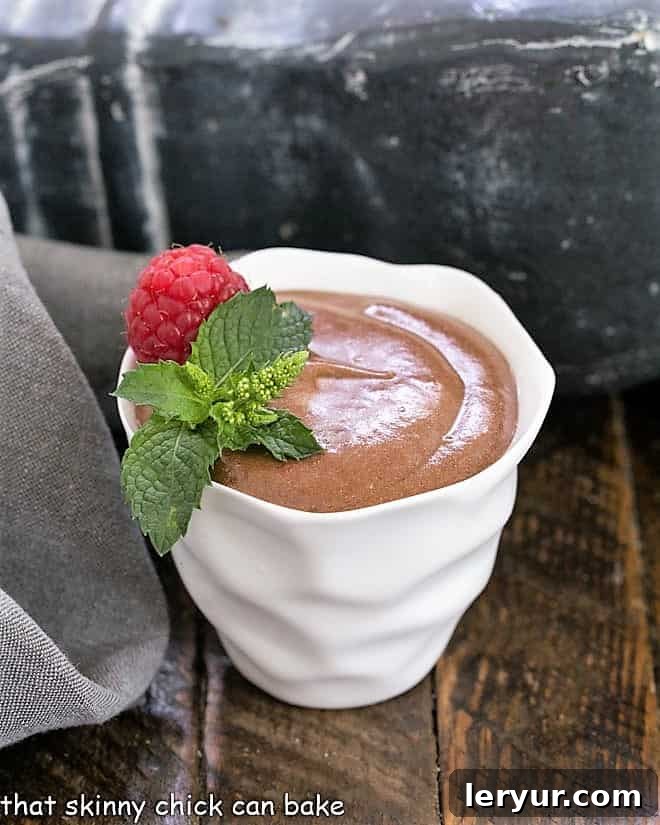
Mousseline au Chocolat Recipe (Julia Child’s French Chocolate Mousse)
30 minutes
5 minutes
35 minutes
6 servings
Experience the authentic taste of France with Julia Child’s classic chocolate mousse. Rich, luscious, and incredibly smooth, it’s a dessert that truly stands out.
Ingredients
- 4 eggs, separated*
- ¾ cup granulated sugar
- ¼ cup coffee liqueur (such as Kahlua) or orange liqueur (like Grand Marnier)
- 6 ounces semi-sweet chocolate, finely chopped
- ¼ cup strong coffee
- 6 ounces unsalted butter, softened
- Pinch of fine salt
- 1 tablespoon granulated sugar (for egg whites)
- Lightly sweetened whipped cream and fresh berries, optional for serving
Instructions
- Beat the egg yolks and ¾ cup sugar together until the mixture is thick, pale yellow, and forms a ribbon when lifted (this will take several minutes). Beat in the coffee liqueur until well combined.
- Set the mixing bowl containing the yolk mixture over a pot of barely simmering water (a bain-marie) and continue beating for 3-4 minutes. This gently heats and thickens the mixture.
- Immediately remove the bowl from the heat and place it over a larger bowl of cold water (or ice water). Continue beating for another 3-4 minutes until the mixture is cool and very thick, resembling mayonnaise.
- In a separate microwave-safe bowl, combine the chopped chocolate and strong coffee. Microwave in 30-second intervals, stirring after each, until the chocolate is smooth and completely melted.
- Whisk the softened butter into the melted chocolate mixture, a little at a time, until smooth and creamy.
- Beat the chocolate-butter mixture into the cooled egg yolk and sugar mixture until fully incorporated. Set this rich chocolate base aside.
- In a perfectly clean, grease-free bowl, beat the egg whites and a pinch of salt until soft peaks begin to form. Sprinkle in the 1 tablespoon of sugar and continue beating until stiff, glossy peaks form.
- Gently stir about a quarter of the whipped egg whites into the chocolate mixture to lighten it. Then, carefully fold in the remaining egg whites until just incorporated, being careful not to deflate them.
- Transfer the mousse into a large serving dish or individual dessert cups.
- Refrigerate for at least 2 hours, or until thoroughly chilled and set. Serve garnished with fresh berries and lightly sweetened whipped cream, if desired.
Notes
* Note that eggs will separate best when cold, but egg whites whip best at room temperature.
Use pasteurized eggs if serving to the very young, elderly, or immune suppressed. There is always the risk of salmonella when eating raw or undercooked eggs.
I used coffee liqueur, but an orange liqueur like Grand Marnier also works wonderfully to complement the chocolate.
Recommended Products
As an Amazon Associate and member of other affiliate programs, I earn from qualifying purchases.
- OXO Good Grips 11-Inch Better Balloon Whisk
- KitchenAid KSM150PSER Artisan Tilt-Head Stand Mixer with Pouring Shield, 5-Quart, Empire Red
- Silicone Spatulas
Nutrition Information:
Yield:
6
Serving Size:
1
Amount Per Serving:
Calories: 541Total Fat: 35gSaturated Fat: 21gTrans Fat: 0gUnsaturated Fat: 13gCholesterol: 186mgSodium: 77mgCarbohydrates: 52gFiber: 3gSugar: 48gProtein: 6g
HOW MUCH DID YOU LOVE THIS RECIPE?
Please leave a comment on the blog or share a photo on Pinterest