
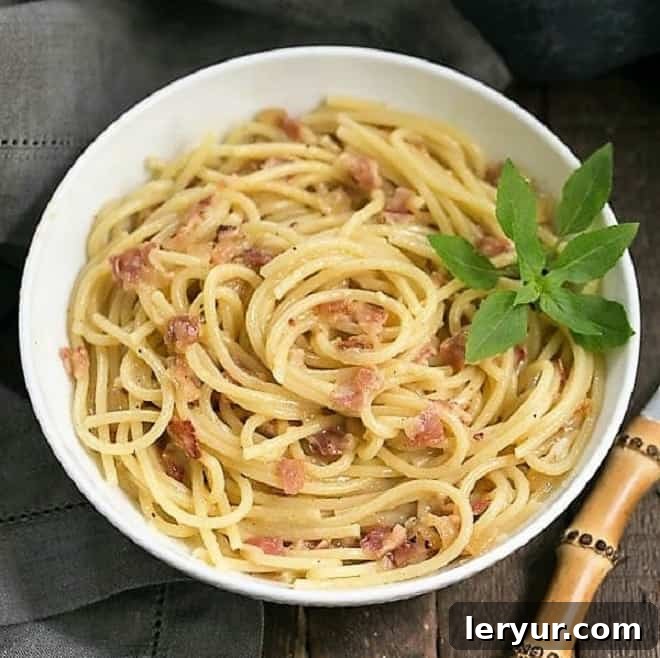
Spaghetti Carbonara: The Ultimate Creamy Italian Pasta for Weeknights
Discover how to prepare this beloved Italian classic – a rich, creamy, and satisfying bacon and egg pasta dish that’s surprisingly simple and always gets rave reviews from your family and friends!
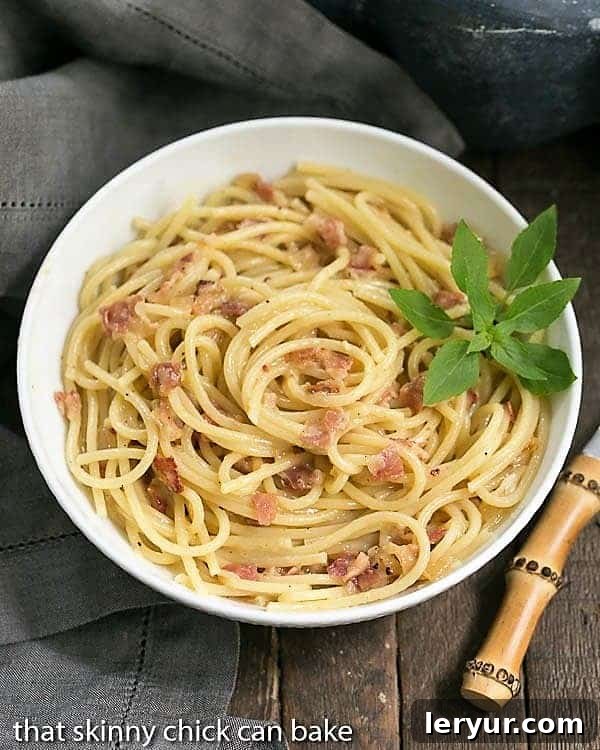
Why You’ll Fall in Love with This Spaghetti Carbonara Recipe
Spaghetti Carbonara isn’t just a meal; it’s an experience. It’s the kind of dish that, with every creamy, peppery bite, transports you straight to a quaint trattoria in Rome. Often misunderstood and sometimes intimidating, this recipe demystifies the authentic process into simple, achievable steps. It guarantees a spectacular result that will not only impress your family and friends but also become a regular request in your household.
With the cooler weather inviting more hearty meals, there’s nothing quite like a comforting pasta dish to warm you from the inside out. Forget complicated ingredients or spending hours in the kitchen – this classic Italian pasta is made with minimal fuss but delivers maximum flavor. You’ll be absolutely amazed at how incredibly creamy it turns out, all without a single drop of cream! It’s the ultimate comfort food, quick enough for a busy weeknight, yet elegant enough for a special gathering.
- Minimal Ingredients, Maximum Flavor: Just a handful of high-quality components are all you need for this culinary masterpiece.
- Remarkably Quick & Delicious: From prep to plate in under 35 minutes, proving that gourmet doesn’t have to mean time-consuming.
- Unbelievably Creamy (No Cream Needed!): The magic lies in the ingenious emulsification of eggs, cheese, and starchy pasta water, creating a velvety, luxurious sauce.
- A True Crowd-Pleaser: Even the most discerning eaters, including those who shy away from “exotic” dishes, will become instant fans of this rich, savory delight.
The Rich History Behind Carbonara: A Beloved Roman Staple
Spaghetti Carbonara is a dish steeped in fascinating history and a subject of much passionate debate among Italian food purists. Hailing from the Eternal City, Rome, its exact origins are somewhat shrouded in mystery, with several compelling theories attempting to explain its birth. One popular belief suggests it was a dish created for Italian charcoal workers (carbonari), lending its name “carbonara” (coal worker’s style), providing them with a hearty, energy-rich meal suited for their demanding labor.
Another widely discussed theory points to its development shortly after World War II, possibly influenced by American soldiers stationed in Italy who introduced cured bacon and eggs to local cooks. Regardless of its precise beginnings, Carbonara evolved into the beloved dish we cherish today. It’s characterized by its elegant simplicity and the harmonious balance of salty cured pork, sharp Pecorino Romano cheese, rich egg yolk, and a generous amount of freshly cracked black pepper, all coating perfectly al dente spaghetti. It’s a testament to how humble ingredients can create something truly extraordinary.
Essential Ingredients for Crafting the Perfect Carbonara
The unparalleled beauty of Carbonara lies in its straightforwardness and, more importantly, the quality of its core ingredients. Using fresh, high-quality components is not just recommended; it is paramount to achieving that authentic Roman taste and texture. Here’s a closer look at what you’ll need:
- Pancetta (or Guanciale): While traditional Carbonara calls for Guanciale (cured pork jowl), which offers an unparalleled depth of flavor and renders its fat beautifully, Pancetta (cured pork belly) is an excellent and more readily available substitute. Both provide the essential savory, salty backbone and the delightful crispy texture that contrasts perfectly with the creamy pasta.
- Eggs: The heart of the sauce. A combination of whole eggs and extra yolks typically creates the most luscious, emulsified sauce. The yolks contribute richness, vibrant color, and emulsifying power, while the whites help bind the sauce.
- Pecorino Romano Cheese: This hard, salty sheep’s milk cheese, originating from Lazio, Italy, is an indispensable ingredient. Its distinct pungent, sharp, and salty flavor is absolutely crucial to Carbonara’s characteristic profile. Always opt for freshly grated cheese – pre-grated varieties often contain anti-caking agents that can hinder the sauce’s smooth emulsification.
- Freshly Ground Black Pepper: Often referred to as “carbon” in the dish (a nod to the charcoal workers), a generous amount of freshly ground black pepper adds a vital aromatic warmth and a subtle, delightful spicy kick that elevates every bite.
- Spaghetti: The classic choice for Carbonara, spaghetti offers the perfect surface area for the rich, creamy sauce to cling to. However, feel free to experiment with other long pasta shapes like bucatini, linguine, or even rigatoni for a different texture.
- Salt: Crucial for seasoning the pasta cooking water. It should be generously salted, tasting much like seawater, so that the salt infuses directly into the noodles as they cook, seasoning them from within.
- Our Delicious Twist: Onion and Dry White Wine (Optional, but Recommended): While not strictly adhering to the most rigid traditional Carbonara recipes, a touch of finely chopped onion sautéed with the pancetta, followed by a splash of dry white wine for deglazing, adds a delightful depth and complexity to the sauce. These subtle additions enhance the overall flavor profile, creating a more nuanced and uniquely delicious dish without overpowering the classic essence. If you prefer to stick to the absolute basics, you can omit these.
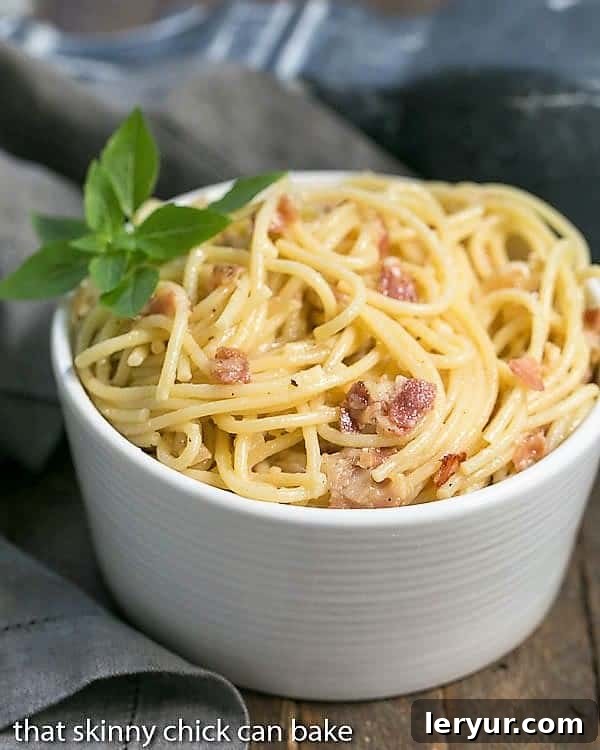
How to Master Spaghetti Carbonara: A Step-by-Step Guide
Creating a truly magnificent Spaghetti Carbonara is an art form that hinges on precise timing and careful technique. Follow these steps diligently to achieve that coveted creamy, non-scrambled egg sauce that defines this iconic Italian dish.
- Crisp the Pancetta: In a large, deep skillet or saucepan, cook the diced pancetta (or guanciale) over medium heat. Render it slowly until it becomes beautifully crispy and has released most of its fat, typically about 5-7 minutes. Keep a close eye to avoid burning. Once crispy, remove the pancetta with a slotted spoon and set aside, leaving the rendered fat in the pan.
- Sauté Aromatics (Optional): If you’re incorporating our delicious twist, add the finely chopped onion to the pan with the rendered pancetta fat. Cook until the onion is soft and translucent, about 5-7 minutes.
- Deglaze for Flavor (Optional): Pour in the dry white wine and let it simmer, scraping up any browned bits from the bottom of the pan with a wooden spoon. Cook until the wine has reduced by half, intensifying the flavors. Remove the pan from the heat and set aside for a moment while your pasta cooks.
- Cook the Spaghetti: Bring a large pot of water to a rolling boil. Add a generous amount of salt – the water should taste distinctly like seawater. Add the spaghetti and cook according to package directions until perfectly al dente. PRO-Tip: Before draining, reserve about 1 to 2 cups of the starchy pasta water! This liquid is your secret weapon for creating a perfectly emulsified sauce.
- Prepare the Egg and Cheese Mixture: While the pasta is cooking, whisk together the eggs (2 whole eggs + 1 extra yolk for optimal richness, as specified in the recipe card), freshly grated Pecorino Romano cheese (and Parmesan, if using), a generous amount of freshly ground black pepper, and a pinch of salt in a large bowl. Whisk until well combined and smooth, ensuring no lumps of cheese remain.
- Combine Pasta and Pork: Once the spaghetti is al dente, drain it quickly (do not rinse!) and immediately add it to the saucepan with the reserved pancetta fat (and onion/wine mixture, if used). Return the pan to very low heat or off the burner and toss everything together vigorously for about 30 seconds to a minute, ensuring the pasta is well coated and heated through.
- Create the Creamy Sauce: This is the most crucial step! Remove the pan completely from the heat to prevent the eggs from scrambling. Wait just a moment for the initial sizzle to subside, then immediately pour the egg and cheese mixture over the hot pasta. Begin tossing continuously and vigorously, using tongs or a large spoon. The residual heat from the pasta and pan, combined with the starchy pasta water, will gently cook the eggs into a silky, emulsified sauce. If the sauce seems too thick or dry, gradually add a tablespoon or two of the reserved hot pasta water, continuing to toss until you achieve your desired creamy consistency. Finally, stir in the crispy pancetta you set aside.
- Serve Immediately: Carbonara is a dish that truly shines when served moments after it’s made. Plate your exquisite Spaghetti Carbonara piping hot, garnished with extra black pepper and a sprinkle of grated cheese if desired.
Expert Tips for Crafting a Flawless Carbonara
Even seasoned cooks hold their breath a little when trying a new recipe, especially one as revered and particular as Carbonara. I vividly remember my husband’s first bite – he grew up with very traditional, non-adventurous meals. But with this recipe, he was an instant fan! Its creamy, salty, and hearty nature truly makes it pure comfort food. Here are some invaluable pro tips to ensure your Carbonara is nothing short of spectacular:
- Guanciale vs. Pancetta: Know Your Pork: The classic, truly authentic recipe uses Guanciale, which is cured pork cheek. It boasts a slightly different texture and a deeper, richer flavor profile compared to Pancetta (cured pork belly). If you can source Guanciale, definitely use it for an authentic experience! However, high-quality Pancetta is an excellent and more widely available substitute that will still yield delicious results.
- Absolutely NO Cream: The Golden Rule: For a true Carbonara, resist the temptation to add any cream. The magic of this dish is its natural creaminess, achieved entirely through the ingenious emulsion of eggs, grated cheese, and a touch of starchy pasta water. Adding cream would fundamentally alter the dish’s character and authenticity.
- The Secret to Creaminess: Temperature Control: The desired creamy texture comes from slowly and gently cooking the beaten eggs and cheese at a temperature low enough to create a velvety sauce, but not so high that they scramble. This is why removing the pan from direct heat before adding the egg mixture is crucial. The reserved starchy pasta water is essential here – its starch helps thicken and emulsify the sauce, preventing the eggs from seizing and creating that luxurious, smooth consistency. It’s all about gentle heat and constant, vigorous tossing!
- Salt Your Pasta Water Generously: It’s Non-Negotiable: This is a fundamental principle for any pasta dish, and especially Carbonara! The pasta water should be heavily salted, tasting akin to the sea. This ensures the salt deeply infuses into the noodles as they cook, seasoning them from within. Adding salt only after the pasta is cooked will not achieve the same depth of flavor.
- Grate Your Own Cheese: Quality Matters: Pre-grated cheeses often contain anti-caking agents like cellulose, which can prevent a smooth, cohesive emulsion and result in a grainy sauce. Always use freshly grated Pecorino Romano (and Parmesan, if using) for the best possible texture and flavor.
- Don’t Overcook the Eggs: Act Swiftly: The goal is a velvety sauce, not scrambled eggs. This is achieved by removing the pan from direct heat before pouring in the egg mixture and then tossing continuously and vigorously. If your pasta is too hot when the eggs are added, they will scramble. If it’s too cold, the sauce won’t emulsify properly. It’s a delicate balance that comes with practice.
- Serve Immediately: Carbonara Waits for No One: Carbonara is a dish that must be enjoyed moments after it’s made. The sauce will continue to thicken and can become clumpy or less appealing if left to sit. Have your plates ready and serve it piping hot!
Delicious Carbonara Variations to Explore
While the classic Carbonara is perfect in its elegant simplicity, its core structure also makes it a versatile base for creative culinary twists. Here are a couple of delightful ideas to inspire your kitchen adventures:
- Smoked Salmon Carbonara: For a delightful seafood variation, you can easily adapt this recipe. Simply eliminate the pancetta from the main ingredients. Instead, just before adding the pasta to the egg mixture, gently fold in strips of high-quality smoked salmon. Since smoked salmon is already cooked, it doesn’t require sautéing. This version is particularly lovely for occasions like Lent, or whenever you’re craving something a little lighter yet equally satisfying.
- Chicken Carbonara Pasta: If you love incorporating lean protein into your meals, consider adding sautéed chicken breast pieces to your carbonara. Cook small cubes or strips of chicken separately until golden brown and tender. Then, add the cooked chicken to the pasta along with the pancetta/onion mixture before incorporating the egg sauce. This makes for an even heartier and more substantial meal. (For a dedicated recipe, check out a fantastic Chicken Carbonara Pasta recipe for further inspiration!)
Perfect Pairings: What to Serve with Your Carbonara
Spaghetti Carbonara is incredibly rich and satisfying on its own, making it a complete meal. However, it pairs wonderfully with a few simple sides to create a well-rounded Italian feast. Think light, fresh, and complementary flavors to balance the richness of the pasta.
- Homemade Garlic Bread: A crusty loaf of warm, buttery garlic bread is absolutely perfect for soaking up any leftover creamy sauce.
- The Best Caesar Salad Recipe: A crisp, refreshing Caesar salad offers a lovely, sharp contrast to the rich pasta, cutting through its richness beautifully.
- Italian Sautéed Green Beans: A simple side of quickly sautéed green beans with grape tomatoes adds a touch of freshness, vibrant color, and a slight crunch.
- Explore more of the Best Side Dish Recipes for endless meal inspiration.
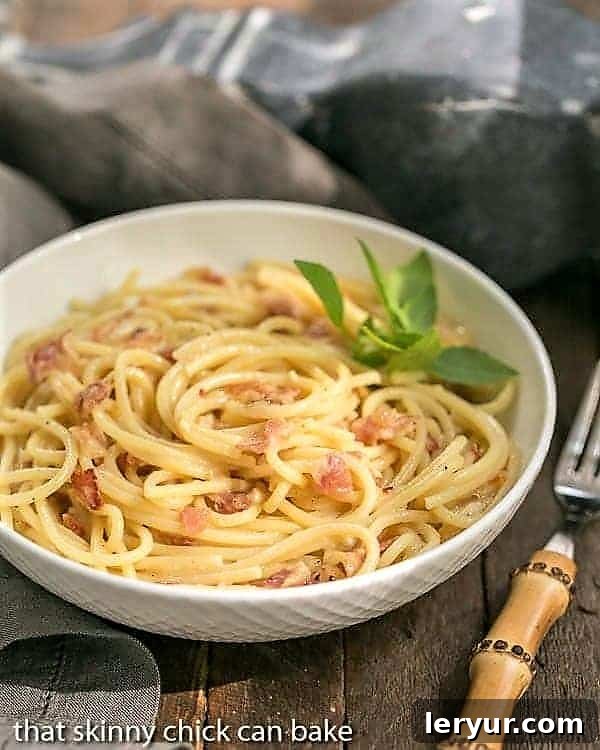
Frequently Asked Questions About Carbonara
What exactly is Carbonara?
Carbonara is a quintessential Italian pasta dish originating from Rome. It’s renowned for its incredibly creamy, emulsified sauce made from just a few core ingredients: eggs (typically a mix of whole eggs and extra yolks), hard cheese (Pecorino Romano is traditional, often with some Parmesan), cured pork (Guanciale or pancetta), and freshly ground black pepper. The magic of Carbonara is that it achieves its rich, velvety texture purely through the emulsion of these ingredients with hot, starchy pasta water, without the addition of any actual cream.
What ingredients are in a traditional Carbonara?
The most traditional and purist Carbonara recipes insist on five essential ingredients: spaghetti (or occasionally other long pasta shapes like rigatoni or bucatini), Guanciale (cured pork jowl, never bacon), freshly ground black pepper, Pecorino Romano cheese (never Parmesan alone), and eggs (typically a ratio of whole eggs to extra yolks). Crucially, the starchy water from cooking the pasta is also an essential component for creating the creamy sauce.
What is a good substitute for Guanciale?
While Guanciale is undeniably the authentic choice for Carbonara due to its unique fat composition and deep flavor, Pancetta (Italian cured pork belly) is an excellent and widely accepted substitute. Both are cured pork products that render beautifully and contribute a delicious salty, savory element to the dish. If neither is available, good quality thick-cut, unsmoked bacon can be used in a pinch, though it will alter the flavor profile slightly from the traditional Italian taste.
Is this Carbonara recipe authentic?
Our recipe embraces a few delightful non-traditional additions that enhance the flavor, specifically finely chopped onions and a splash of dry white wine for extra aroma and depth. We also suggest Pancetta as a readily available and delicious alternative to Guanciale, and recommend a combination of Pecorino Romano and a touch of Parmesan cheese for a balanced flavor. While Carbonara purists might deem these variations less “authentic” to the strict Roman tradition, they undoubtedly elevate the dish, making it incredibly delicious and approachable for home cooks without compromising on the creamy, satisfying essence of classic Carbonara. It’s a fantastic starting point for exploring this beloved dish!
You May Also Love These Delicious Pasta Dishes:
- Chicken Carbonara Pasta from A Dish of Daily Life
- Penne with a Quick Sausage Sauce
- Ricotta Gnocchi
- Cheesy Baked Pasta with Prosciutto
- Ricotta Lasagna
- Spaghetti with Sunday Gravy
- Discover more mouth-watering Pasta Recipes to inspire your next meal.
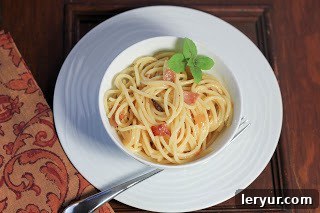
Spaghetti Carbonara Recipe
This easy-to-follow recipe guides you through making a truly delightful Italian Spaghetti Carbonara. Known for its incredible creaminess achieved without any added cream, it’s perfect for a quick, comforting, and deeply satisfying meal that tastes authentically Italian.
Ingredients
- 6 ounces pancetta, diced (or guanciale for authenticity)
- 1 medium onion, finely chopped (optional, for added depth of flavor)
- 1/4 cup dry white wine (optional, for deglazing)
- 1 pound spaghetti
- 3 large eggs (ideally 2 whole eggs + 1 extra yolk for richer sauce)
- 3/4 cup freshly grated Pecorino Romano cheese
- 1/3 cup freshly grated Parmesan cheese (optional, for a milder flavor)
- 1/2 teaspoon freshly ground black pepper (or more, to taste)
- 1/4 teaspoon salt (for egg mixture, adjust to taste based on cheese and pancetta)
- Reserved pasta water (approx. 1-2 cups)
Instructions
- Crisp the Pancetta: In a large skillet, cook diced pancetta over medium heat for 5-7 minutes until crispy. Remove pancetta, leaving fat in pan.
- Add Onion & Deglaze (Optional): If using, add onion to pan and cook until soft (5-7 min). Pour in white wine, simmer until reduced by half. Remove pan from heat.
- Cook the Pasta: Boil heavily salted water. Cook spaghetti until al dente. Reserve 1-2 cups pasta water before draining.
- Prepare Egg & Cheese Mixture: While pasta cooks, whisk eggs, Pecorino Romano, Parmesan (if using), black pepper, and salt in a bowl until smooth.
- Combine & Toss: Drain spaghetti. Immediately add to skillet with pancetta fat (and onion/wine, if used). Toss well over low heat for 30-60 seconds to heat pasta.
- Create the Sauce: Remove skillet completely from heat. Pour egg mixture over hot pasta. Toss continuously and vigorously for 1-2 minutes, adding reserved pasta water (1-2 tbsp at a time) until a creamy, emulsified sauce forms. Stir in crispy pancetta.
- Serve: Serve immediately with extra black pepper and cheese, if desired.
Notes
This recipe incorporates delightful, non-traditional additions like onion and white wine for enhanced flavor depth. For a stricter authentic version, you can certainly omit these. Additionally, bacon can be used in place of pancetta if needed, although it will introduce a slightly different flavor profile to the dish.
Recommended Products
As an Amazon Associate and member of other affiliate programs, I earn from qualifying purchases.
- OXO Good Grips 11-Inch Better Balloon Whisk
- Santoku Knife
- OXO Cutting Board
Nutrition Information:
Amount Per Serving:
- Yield: 4 servings
- Serving Size: 1
- Calories: 572
- Total Fat: 34g
- Saturated Fat: 14g
- Trans Fat: 0g
- Unsaturated Fat: 18g
- Cholesterol: 193mg
- Sodium: 639mg
- Carbohydrates: 40g
- Fiber: 2g
- Sugar: 3g
- Protein: 22g
Did You Love This Recipe?
We’d love to hear from you! Please leave a comment on the blog below or share a photo of your creation on Pinterest and tag us!