
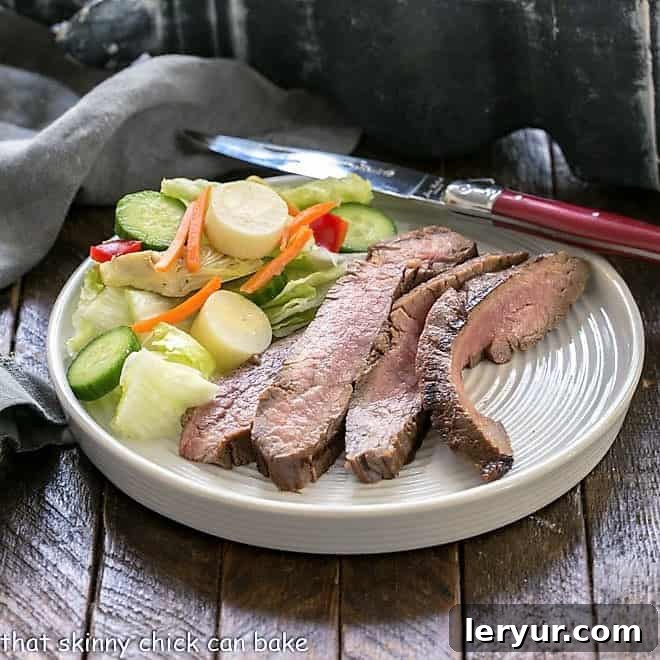
Experience the ultimate in flavor and simplicity with this incredible Easy Grilled Flank Steak recipe. Crafted with a dynamic, flavorful marinade using everyday pantry ingredients, it promises a perfectly grilled entree every time.
Transform your dinner routine with one of the most irresistible and best flank steak recipes you’ll ever encounter. Our simple, yet powerfully delicious 6-ingredient marinade unlocks a complex flavor profile that is truly unrivaled, making this dish a guaranteed family favorite and a showstopper for any gathering.
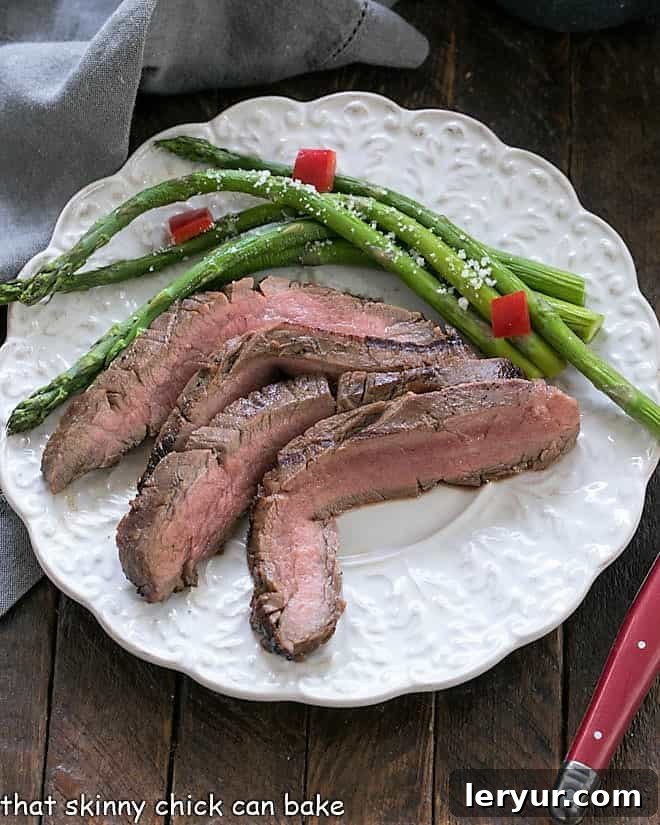
Why This Easy Grilled Flank Steak Will Be Your New Go-To Recipe
Are you searching for a weeknight hero or a crowd-pleasing dish that delivers on taste without demanding hours in the kitchen? This grilled flank steak recipe is your answer. Here’s why it deserves a permanent spot in your culinary repertoire:
- Uncomplicated Flavor: This recipe boasts a quick, delicious, and incredibly flavorful marinade that transforms a simple cut of beef into a gourmet experience.
- Grilling Perfection: It’s specifically designed to perfectly tenderize and infuse flank steak with flavor before hitting the grill, ensuring juicy, tender results.
- Pantry Power: Made almost entirely with kitchen staples, you likely already have all the necessary ingredients on hand, eliminating last-minute grocery runs.
We’ve all been there: a fantastic marinade recipe in mind, only to realize you’re missing that one exotic ingredient – perhaps the ginger root that’s long past its prime or the green onions you forgot to buy. That’s precisely why I became such a huge advocate for this Easy Grilled Flank Steak Recipe. It relies on ingredients you almost always have in your pantry or fridge, making it an effortlessly achievable gourmet meal.
No more searching for obscure spices or specialty produce. As long as there’s a good flank steak in my freezer or refrigerator, this delicious dinner is always a possibility. Soy sauce? Check. Red wine vinegar, ground ginger, fresh garlic, and a trusty vegetable oil? Multiple checks! This recipe isn’t just convenient; it’s genuinely one of the most flavorful and best ways to enjoy flank steak – a promise I stand by.
The Secret to a Tender and Flavorful Marinade for Flank Steak
Beyond being devoted chocolate enthusiasts, my husband and sons are undeniable beef lovers. For birthdays, special occasions, or just before one of the boys headed back to college, “steak” was always the requested entree. From a young age, they lumped flank steak right in with filet mignon, strip steaks, and ribeyes, appreciating it just as much – provided it was cooked to a perfect rare, or as my husband Bill would say, “just short of mooing.”
Grilling is a year-round passion in our household. I recall one memorable instance when I was out of town, and the boys, determined to grill, lugged our Big Green Egg into the house because its lid had frozen shut in the winter chill. Or the times a golf umbrella, secured with duct tape, provided shelter during a summer monsoon, all to ensure our beloved grilled dinners could proceed. This dedication highlights the joy and satisfaction that comes from a perfectly grilled meal, especially when it involves a well-marinated cut like flank steak.
Understanding the Power of a Great Marinade
A marinade does more than just add flavor; it works wonders on the texture of the meat. For a naturally leaner, tougher cut like flank steak, marinating is essential for achieving that desirable tenderness and juiciness. The acidic components break down muscle fibers, while the savory elements penetrate deep, infusing every bite with deliciousness. Our simple marinade is a masterclass in balance, ensuring optimal results with minimal effort.
Key Ingredients for Your Perfect Flank Steak Marinade
The beauty of this flank steak marinade lies in its simplicity and the readily available nature of its components. Here’s a closer look at what goes into creating that incredible flavor:
- Vegetable Oil: Forms the base of our marinade, helping to carry flavors into the meat and ensuring the steak doesn’t stick to the grill. It also aids in achieving a beautiful sear.
- Minced Garlic: Fresh garlic provides an aromatic depth that is fundamental to many great beef marinades. It offers a pungent, savory kick that brightens the overall flavor.
- Brown Sugar: A touch of sweetness from brown sugar balances the savory and acidic notes, and crucially, helps with caramelization on the grill, creating that delicious browned crust.
- Soy Sauce: The star of umami, soy sauce delivers a rich, savory depth that is incredibly satisfying. It’s a cornerstone ingredient for many Asian-inspired marinades and pairs perfectly with beef. Choose a low-sodium option if you are monitoring salt intake.
- Red Wine Vinegar: The essential acid in our marinade. Red wine vinegar helps to tenderize the beef by breaking down muscle fibers, ensuring a more tender bite. It also contributes a subtle tang that cuts through the richness of the steak. It’s a versatile pantry item, also great for homemade salad dressings.
- Ground Ginger: I always keep ground ginger in my pantry, not just for baking gingersnaps, but for its warm, slightly spicy, and aromatic qualities in savory dishes. It adds a unique, zesty brightness to the marinade. While ground ginger is convenient, a viable substitution is freshly minced ginger, which offers an even bolder, fresher flavor.
- Flank Steak: The star of the show! When choosing your flank steak, look for a piece with good marbling. Consider scoring the steak (cutting shallow lines against the grain) before marinating. This technique allows the marinade to penetrate a little deeper into the meat, enhancing flavor and tenderness.
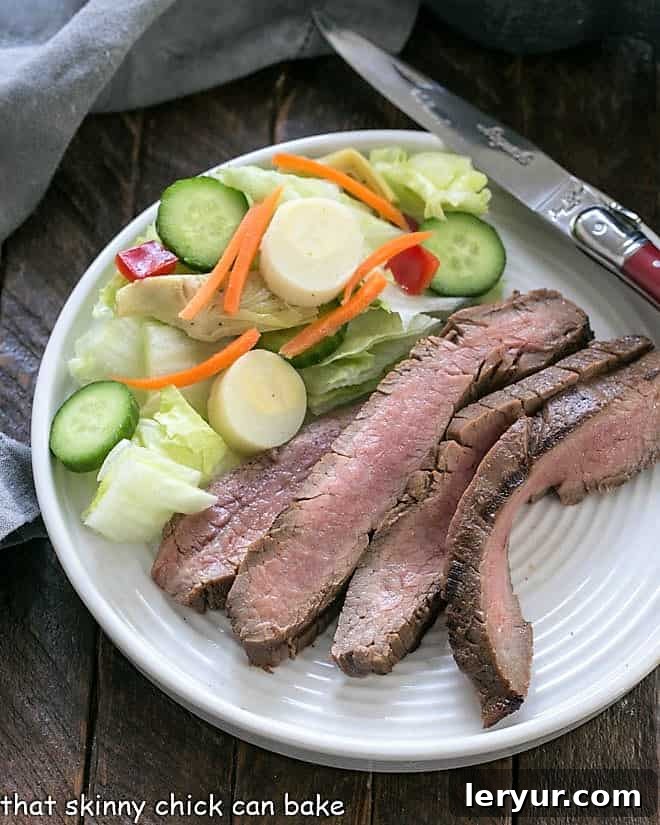
Expert Tips for Grilling Flank Steak to Perfection
Once grilled flank steak became a staple for my family, it earned a regular spot in our menu rotation. While I experimented with different marinades, the core grilling technique remained consistent. If you’re new to grilling this fantastic cut of beef, these pointers will help you achieve outstanding results every time:
- The Art of Scoring: Before you even think about marinating, “score” your flank steak. This means carefully making shallow cuts, about an inch and a half apart, against the grain (perpendicular to the visible lines running across the meat). Make these cuts on a slight diagonal from one long side to the other. Scoring helps prevent the beef from curling on the grill, ensures a more even cook, and critically, allows the marinade to permeate deeper into the meat, maximizing flavor and tenderness. Don’t hesitate to ask your butcher to score the beef for you if you’re unsure.
- Optimal Marinating Time: Beef can handle a longer marinating time compared to more delicate proteins like chicken or seafood. For the most profound flavor and tenderness, aim to marinate your flank steak overnight. If an overnight soak isn’t feasible, ensure it marinates for at least 6-8 hours, placing it in the marinade early on the day you plan to grill. This extended time allows the acid and flavors to work their magic.
- The Ziploc Bag Method: I highly recommend marinating in a well-sealed, heavy-duty Ziploc bag. This method not only prevents accidental spills in your refrigerator (believe me, I’ve learned from experience!) but also makes it incredibly easy to flip the bag a few times throughout the marinating period. This ensures even distribution of the marinade, coating every inch of the steak.
- Grilling Temperature & Doneness: Flank steak truly shines when grilled to medium-rare. Overcooking can quickly lead to a tough and chewy texture, which diminishes the enjoyment of this excellent cut. While my family often prefers it rare, I find medium-rare strikes the perfect balance of tenderness and juiciness. Always monitor with a meat thermometer for accuracy.
- The Crucial Resting Period: This step is non-negotiable for a perfectly juicy steak. Pull the flank steak off the grill *before* it reaches your desired final temperature. Cover it loosely with foil and let it rest for a full 10 minutes before slicing. This resting time is vital because it allows the internal juices, which have been driven to the center by the heat, to redistribute evenly throughout the meat. Additionally, the temperature will continue to rise by approximately 5-10 degrees during this period (known as carry-over cooking), so account for this when removing it from the heat.
- Thin Slicing Across the Grain: The final key to a tender flank steak lies in how you slice it. Always slice the meat thinly, against the grain (again, perpendicular to those visible muscle fibers, from one long side to the other). This technique shortens the muscle fibers, making each bite incredibly tender and easy to chew, even if the steak is slightly less tender than a prime cut.
- Preheating Your Grill: Always preheat your grill to a high temperature before placing the steak on it. A hot grill creates a beautiful sear and helps lock in juices, leading to that delicious Maillard reaction.
- Clean Grill Grates: Start with clean grates to prevent sticking and ensure even cooking. A wire brush works wonders after preheating.
Frequently Asked Questions About Grilled Flank Steak
Flank steak is a lean, flavorful cut of beef derived from the abdominal muscles or “flank” region of the steer. It’s often recognized by its distinct grain, running in long, parallel fibers. Sometimes referred to as London Broil (though London Broil can also be top round), it’s a relatively thin and flat cut. Because these muscles are well-exercised, flank steak can be tough if not cooked properly – specifically, if it’s overcooked or sliced incorrectly. Its robust beefy flavor makes it ideal for marinades and high-heat cooking methods like grilling or broiling.
While I generally recommend grilling flank steak to medium-rare for optimal tenderness and juiciness, personal preferences vary widely. My husband loves his rare, while my dad always preferred medium to medium-well. Cook to your desired doneness, using an instant-read meat thermometer for accuracy.
Crucial Tip: Always remove your beef from the grill when it is 5-10ºF *below* your target final temperature. Cover it loosely with foil and let it rest for 5-10 minutes. This resting period allows the juices to redistribute and the internal temperature to continue rising (carry-over cooking) to your desired doneness.
Here are general guidelines for beef doneness:
- RARE: Cool Red Center. Target final temperature: 125ºF. Remove from grill: 120ºF.
- MEDIUM RARE: Warm Red Center. Target final temperature: 135ºF. Remove from grill: 130ºF.
- MEDIUM: Warm Pink Center. Target final temperature: 145ºF. Remove from grill: 140ºF.
- MEDIUM WELL: Slightly Pink Center. Target final temperature: 150ºF. Remove from grill: 145ºF.
- WELL DONE: Little or No Pink in the Center. Target final temperature: 160ºF. Remove from grill: 155ºF.
Yes, it absolutely can. Most effective marinades, including this one, contain an acidic component like red wine vinegar (or lemon juice, lime juice, etc.). This acid works to tenderize the meat by denaturing, or breaking down, the proteins in the beef. While this is beneficial for tougher cuts like flank steak, if the meat is left in the marinade for an excessive amount of time (typically over 24 hours, though sometimes less depending on the acidity), too much of the protein structure will break down. This can result in a meat that becomes mushy, overly tender, and even mealy in texture, losing its pleasant chew. Stick to the recommended marinating times for the best results.
Our absolute favorite method for cooking flank steak is grilling. The high, direct heat of a grill creates the coveted Maillard reaction, a chemical process that gives browned food its incredibly delicious, complex, and distinctive flavor, along with an appealing crust. Grilling also imparts a subtle smoky essence that enhances the beef’s natural richness. However, if grilling isn’t an option, broiling in your oven works remarkably well, simulating a similar high-heat environment. Pan-searing in a cast-iron skillet, followed by a quick finish in the oven, is another excellent alternative. Regardless of the method, cooking to medium-rare is consistently recommended for the most tender and flavorful outcome.
When selecting a flank steak, look for a piece that is relatively uniform in thickness, which will help ensure even cooking. The color should be a vibrant red. While flank steak is lean, a little bit of marbling (small flecks of fat within the muscle) can contribute to flavor and juiciness. Avoid steaks that look discolored or have dry edges. Freshness is key for optimal taste and texture.
Grilled flank steak is incredibly versatile and pairs well with a variety of side dishes. Classic choices include roasted or grilled asparagus, a crisp green salad with a vinaigrette, corn on the cob, baked potatoes, or mashed potatoes. For a lighter meal, consider quinoa, rice pilaf, or a colorful medley of seasonal grilled vegetables like bell peppers, zucchini, and onions. The tangy notes of chimichurri sauce also complement flank steak beautifully.
Beyond the marinating process, flank steak is best cooked and served fresh for optimal tenderness and flavor. However, you can prepare your marinade ingredients in advance and store them in an airtight container in the refrigerator for up to 3-4 days. You can also score the steak a few hours before marinating. Once cooked, leftover flank steak can be stored in an airtight container in the refrigerator for up to 3-4 days and is delicious thinly sliced in sandwiches, salads, or tacos.
Explore More Delicious Beef Recipes:
If you loved this Easy Grilled Flank Steak, you’ll surely enjoy exploring other fantastic beef recipes and marinades:
- Red Wine, Soy Marinated Flank Steak: A sophisticated twist on a classic.
- Flank Steak with Chimichurri: Bright, herbaceous, and incredibly fresh.
- Korean Grilled Flank Steak: Experience bold, sweet, and savory Asian flavors.
- 30 Marinades for Grilling: A comprehensive collection to elevate any grilled meal.
- Plus, all my Favorite Main Dish Recipes for endless meal inspiration.
What’s your favorite cut of beef to grill? Share your thoughts and grilling adventures in the comments below! We love hearing from you.
Stay connected and get inspired through social media! Follow us on Instagram, Facebook, and Pinterest. Don’t forget to tag us when you try one of our delicious recipes! Your feedback matters – if you love the results, please consider giving this recipe a 5-star rating in the recipe card below.
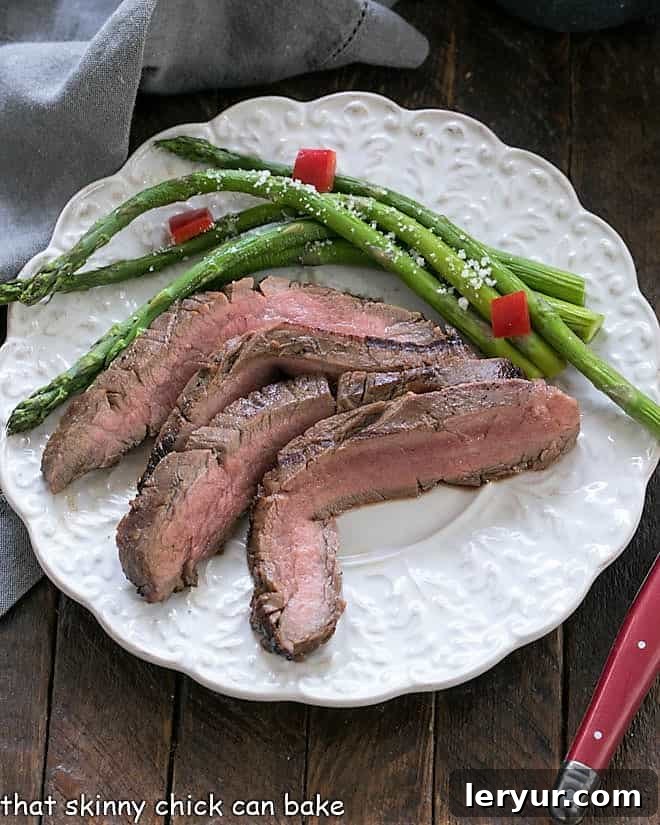
Grilled Flank Steak Recipe
10 minutes
10 minutes
20 minutes
4 servings
An incredibly easy and flavorful marinade transforms flank steak (or tri-tip) into a tender, juicy masterpiece, perfect for grilling. Recipe adapted from my friend, Becky.
Ingredients
- ⅓ cup soy sauce
- 2 tablespoons brown sugar
- 1 tablespoon red wine vinegar
- ½ teaspoon ground ginger
- 1 clove garlic, minced
- 2 tablespoons vegetable oil
- 2 pounds flank steak, scored if desired*
Instructions
- Score both sides of your flank steak by making shallow diagonal slashes over the surface, cutting perpendicular to the grain. This essential step will allow the marinade to penetrate deeper into the meat, tenderizing it and enhancing flavor.
- In a large, heavy-duty ziplock bag, combine all the marinade ingredients: soy sauce, brown sugar, red wine vinegar, ground ginger, minced garlic, and vegetable oil. Add the prepared flank steak to the bag, ensuring it’s fully coated. Seal the bag, pressing out as much air as possible. Chill in the refrigerator for 6-8 hours, or ideally, overnight, turning the bag occasionally to ensure even marination.
- Before grilling, remove the flank steak from the refrigerator and allow it to come to room temperature for about 30 minutes. Preheat your grill to high heat. Grill the flank steak to your desired doneness, typically 4-7 minutes per side for medium-rare (see “Temperatures for Beef Doneness” in the FAQs for exact guidelines). Remember to pull the steak off the grill 5-10 degrees before your target temperature.
- Once grilled, transfer the flank steak to a cutting board. Cover loosely with foil and let it rest for 10 minutes. This resting period is crucial for the juices to redistribute throughout the meat, resulting in a more tender and juicy steak.
- Finally, slice the rested flank steak thinly against the grain. This step is vital for maximum tenderness. Serve immediately with your favorite sides and enjoy!
Notes
* To score your flank steak: make very shallow slits perpendicular to the grain along the entire length of the steak, then flip and repeat on the other side. This method significantly helps the marinade permeate the meat and prevents curling during grilling.
Total time listed does not include the essential marinating time. For best results, allow at least 6-8 hours of marination, with overnight being ideal.
Recommended Products for Your Grilling Success
As an Amazon Associate and member of other affiliate programs, I earn from qualifying purchases.
- OXO Cutting Board
- Measuring Spoons
- OXO Measuring Beakers
Nutrition Information:
Yield:
4
Serving Size:
1
Amount Per Serving (estimated):
Calories: 530Total Fat: 26gSaturated Fat: 8gTrans Fat: 0gUnsaturated Fat: 14gCholesterol: 179mgSodium: 1285mgCarbohydrates: 7gFiber: 0gSugar: 5gProtein: 65g
Thatskinnychickcanbake.com occasionally offers nutritional information for recipes contained on this site. This information is provided as a courtesy and is an estimate only. This information comes from online calculators. Although thatskinnychickcanbake.com attempts to provide accurate nutritional information, these figures are only estimates. Varying factors such as product types or brands purchased can change the nutritional information in any given recipe. Also, many recipes on thatskinnychickcanbake.com recommend toppings, which may or may not be listed as optional and nutritional information for these added toppings is not listed. Other factors may change the nutritional information such as when the salt amount is listed “to taste,” it is not calculated into the recipe as the amount will vary. Also, different online calculators can provide different results. To obtain the most accurate representation of the nutritional information in any given recipe, you should calculate the nutritional information with the actual ingredients used in your recipe. You are solely responsible for ensuring that any nutritional information obtained is accurate.
HOW MUCH DID YOU LOVE THIS RECIPE?
Please leave a comment on the blog or share a photo on Pinterest