
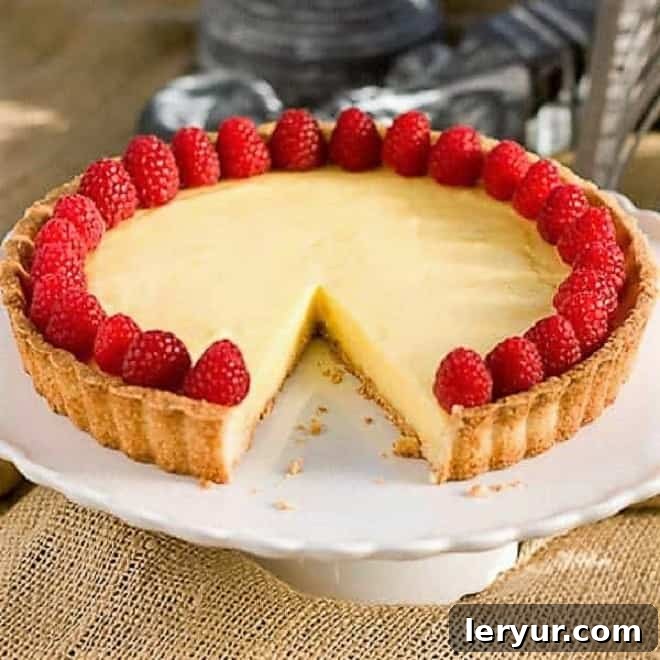
Welcome to the exquisite world of classic French patisserie, where simplicity meets profound flavor. Our focus today is on the iconic French Lemon Tart, known elegantly as Tarte au Citron. This isn’t just any dessert; it’s a testament to the timeless appeal of citrus, masterfully combined with a delicate, buttery crust and a velvety, bright lemon filling. Prepare to embark on a culinary journey that promises to tantalize your taste buds with the perfect symphony of tart, sweet, and creamy notes.
Imagine a dessert that instantly transports you to a quaint French cafe, a slice of sunshine on your plate. This exceptional lemon tart delivers just that experience. Crafted with a rich, melt-in-your-mouth shortbread crust and an ethereal lemon sabayon, this recipe is guaranteed to become a cherished favorite in your kitchen. It’s a sophisticated treat that manages to be both comforting and invigorating, proving why the Tarte au Citron remains a staple in French cuisine and a beloved lemon dessert worldwide.
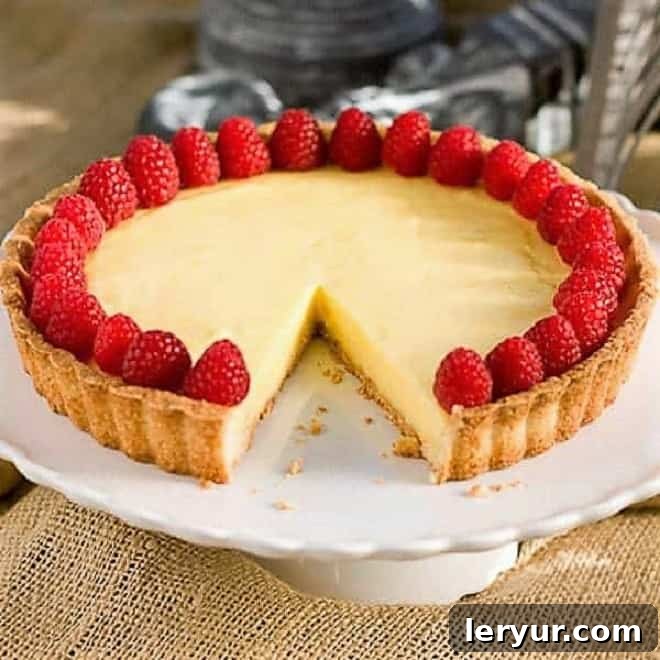
Why This French Lemon Tart is a Must-Try
For those who appreciate the finer things in dessert, the French Lemon Tart is an absolute revelation. Here are compelling reasons why this recipe deserves a special place in your baking repertoire:
- Unforgettable Flavor Harmony: The exquisite pairing of a tender, buttery shortbread crust and a lusciously smooth lemon sabayon creates a flavor profile that is truly fantastic. Each bite offers a delightful contrast of textures and tastes, making it an experience rather than just a dessert.
- Perfectly Balanced Sweetness and Tartness: This tart strikes a masterful balance between the zesty tartness of fresh lemons, the delicate sweetness of the filling, and the richness of the butter. It’s neither overwhelmingly sour nor overly sweet, achieving a sublime equilibrium that is incredibly satisfying. The creamy texture of the sabayon adds another dimension, ensuring every forkful is pure bliss.
- A New Lemon Favorite: If you are a connoisseur of lemon desserts, from vibrant lemon bars to tangy lemon cheesecakes, this Tarte au Citron is poised to become your ultimate go-to. Its sophisticated simplicity and profound lemon flavor set it apart, making it an essential addition to your list of beloved treats.
- Impressive Yet Approachable: While it boasts an elegant appearance that is sure to impress guests, the process of making this French Lemon Tart is surprisingly straightforward, especially with our detailed tips. It’s a dessert that speaks volumes about your culinary skills without requiring excessive effort.
- Versatility for Any Occasion: Whether you’re hosting a sophisticated dinner party, enjoying a casual family gathering, or simply craving a delightful homemade treat, this lemon tart fits seamlessly into any setting. Its bright flavor is especially welcome after a rich meal or as a refreshing summer dessert.
Beyond chocolate, the vibrant tang of lemon holds a special place in many hearts. My husband, for instance, adores lemon desserts. Recently, I whipped up a batch of Lemon Squares for a recipe club, and they garnered rave reviews from both Bill and Katie. A few days before visiting my in-laws, I noticed my fruit bowl was still brimming with beautiful, fragrant lemons. The idea of a simple yet elegant lemon tart, or Tarte au Citron, immediately came to mind. A rich shortbread crust embracing a luxurious, silky lemon sabayon would perfectly fit the occasion. Regardless of whether you call it a lemon tart, a tarte au citron, or even a lemon pie, this creation proved to be a magnificent treat to share during our visit.
And oh, my goodness, what a triumph it was! This particular tart surpasses every single lemon dessert I have ever made or tasted. The harmonious blend of the buttery crust and the creamy, zesty filling was simply exquisite. My sweet mother-in-law, who always enjoys my cooking, bestowed extra accolades upon this one. Even my father-in-law, who wasn’t feeling entirely himself, savored a thin slice each night. Usually, sweet things held little appeal for him, but the impeccable balance of tartness, sweetness, and that irresistible creaminess made this dessert utterly irresistible.
Essential Ingredient Notes for Your Tarte au Citron
The magic of a perfect French Lemon Tart lies in the quality and precise handling of its core ingredients. While seemingly simple, each component plays a crucial role in achieving the desired texture and flavor. Here’s a closer look at what you’ll need and why:
- Kitchen Staples: Flour, Sugar, Salt, Ice Water – These foundational ingredients form the backbone of your shortbread crust. Use all-purpose flour for consistency, granulated sugar for sweetness, and a pinch of salt to balance the flavors. Ice water is critical for keeping the butter cold and ensuring a tender crust.
- Cold Butter: Both for the crust and the filling, cold butter is non-negotiable. For the crust, cold butter prevents the dough from becoming tough by inhibiting gluten development and creates a flaky, tender texture as it melts and creates steam during baking. For the sabayon, cold butter is whisked in at the end to emulsify, adding richness, sheen, and a luxurious mouthfeel without making the filling greasy.
- Large Eggs (Whole Eggs and Egg Yolks): Eggs are central to the sabayon, providing structure, richness, and the signature creamy texture. Using a combination of whole eggs and extra yolks enhances the custard’s richness and contributes to its silky smoothness and beautiful yellow hue. Always use large, cold eggs for best results in this recipe.
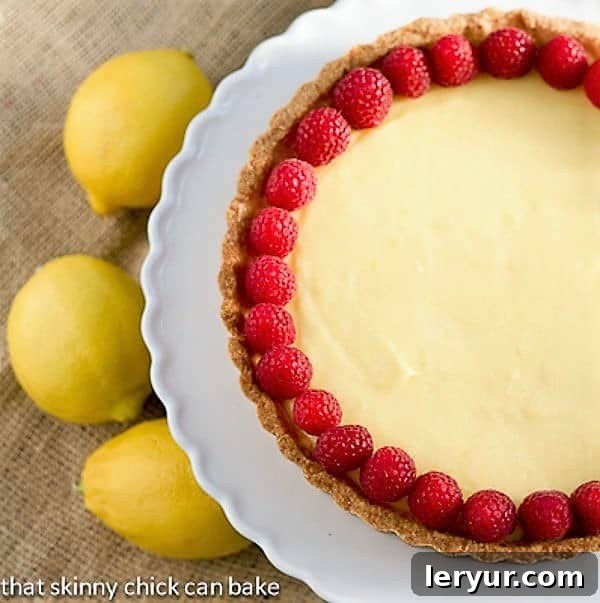
- Freshly Squeezed Lemon Juice: This is arguably the most critical ingredient. The vibrant, complex flavor of fresh lemon juice cannot be replicated by bottled alternatives. Fresh juice provides the bright, tangy zest that defines a true Tarte au Citron, offering a natural acidity that perfectly cuts through the sweetness and richness of the tart. Using fresh lemons ensures your tart has that authentic, irresistible burst of citrus.
Mastering Your French Lemon Tart: Expert Recipe Tips
Creating an exceptional Tarte au Citron, with its two distinct yet harmonious components—the crust and the filling—requires careful attention to detail. Precision in each step ensures a dessert that’s truly unforgettable.
Crafting the Perfect Shortbread Crust
- The Art of Cold Butter: Just like with a traditional pastry crust, the secret to a tender, flaky shortbread lies in using very cold butter. Cold butter pieces, when processed, create pockets within the dough. As the crust bakes, these butter pockets melt, releasing steam that creates delicate layers and prevents the crust from becoming dense or tough.
- Pulsing for Perfection: When combining your dry ingredients with butter in a food processor, use short, quick pulses. The goal is to achieve coarse crumbs—similar to the texture of coarse meal or small peas. Over-processing will warm the butter and develop too much gluten, resulting in a tough crust.
- Just Enough Liquid: After forming the crumbs, add the egg yolk and ice water (the “liquids”). Again, process only until the mixture just barely comes together. The dough should hold its shape when pinched between your fingers, but shouldn’t be sticky or wet. Minimal handling is key to a tender crust.
- The Importance of Chilling: This is a crucial step! Chilling the crust before baking serves multiple purposes. Firstly, it firms up the butter, which helps the crust maintain its shape and prevents shrinkage in the oven. Secondly, it allows any gluten strands that may have developed during mixing to relax, contributing to a more tender and less chewy texture. Aim for at least 30 minutes of chilling.
- Blind Baking for a Crisp Base: Before adding the filling, the crust must be blind-baked. Line the chilled crust with parchment paper or foil and fill it with pie weights or dried beans. This prevents the crust from puffing up and ensures a flat, even base. Bake until the crust is set and lightly golden, removing the weights for the final few minutes of baking to ensure the bottom is fully cooked and crisp, preventing a soggy tart.
Achieving the Dreamy Lemon Sabayon Filling
- The Master’s Technique: This filling recipe is adapted from renowned chef Thomas Keller, known for his precision. The key to its success is proper thickening during the cooking process. Patience and constant whisking are your allies here.
- Consistent Whisking over a Double Boiler: The lemon sabayon is essentially a cooked custard, and it must be prepared over a double boiler (bain-marie) to ensure gentle, even heating. Whisk the egg, egg yolk, and sugar mixture constantly and vigorously over simmering water. This continuous motion prevents the eggs from scrambling and helps them gradually thicken into a smooth, light custard.
- The Lemon Juice Addition: Lemon juice is added in stages. Begin by whisking the eggs and sugar until foamy and slightly thickened. Then, incorporate the fresh lemon juice in thirds, allowing the mixture to thicken between each addition. This gradual incorporation helps to stabilize the eggs and ensures a perfectly emulsified, smooth filling.
- Understanding Consistency: The filling should reach the consistency of a loose pudding or thick cream while it’s still in the double boiler. When you lift the whisk, it should leave a distinct trail on the bottom of the bowl. Don’t be alarmed if it takes longer than expected; my own experience found it needed more time than the original recipe suggested (15-20 minutes versus 8-10). Trust the visual cues and the whisk trail, not just the clock. The filling will continue to thicken and set further as it cools and chills.
- The Unrivaled Flavor of Fresh Lemon Juice: This cannot be stressed enough: always use freshly squeezed lemon juice. Bottled lemon juice, while convenient, lacks the bright, complex, and true lemon flavor essential for this tart. Its taste is often flatter, and it can contain preservatives that alter the overall profile. The difference is truly astounding and well worth the effort of juicing fresh lemons.
Serving and Presentation Pointers
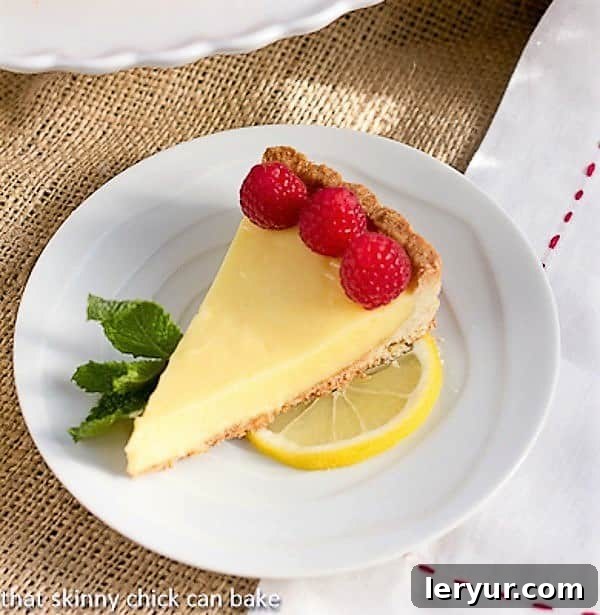
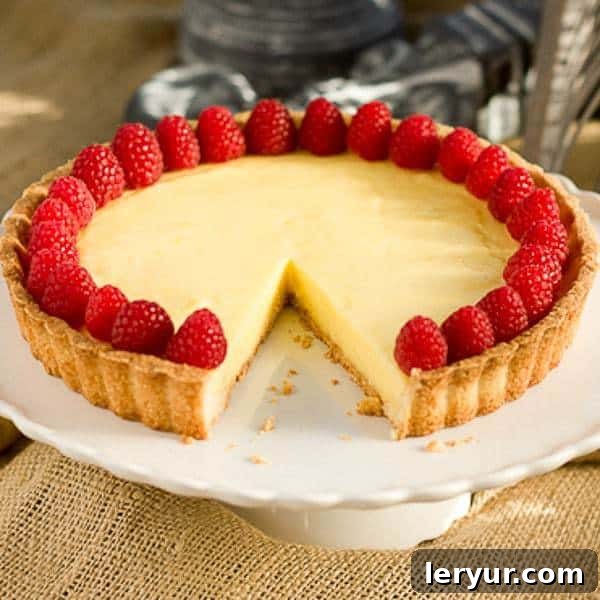
- Garnish for Visual Appeal: I adore garnishing my desserts, and fresh berries are perfect for a lemon tart. Consider what looks best at your local market—vibrant strawberries, juicy raspberries, or plump blueberries. The striking contrast of the colorful berries against the sunny yellow of the lemon filling creates an absolutely beautiful and enticing presentation.
- Elevate with Whipped Cream: For an extra touch of indulgence, a delicate dollop of lightly sweetened whipped cream can elevate this tart over the top, especially if you’re serving it for company. The creaminess beautifully complements the tart lemon, adding another layer of texture and richness.
- Serving Temperature: While delicious at room temperature, chilling your tart for at least a few hours or overnight will make it much easier to slice cleanly and will firm up the filling to a perfect consistency. A cold tart offers a refreshing burst of flavor, especially on a warm day.
Frequently Asked Questions About Tarte au Citron
What is Sabayon?
Sabayon is the exquisite French counterpart to the Italian Zabaglione. It’s a light, airy, and rich custard made by whisking egg yolks, sugar, and typically a liquid (like wine, liqueur, or in this case, lemon juice) together over simmering water until the mixture thickens into a frothy, delightful cream. The constant whisking and gentle heat cook the eggs without curdling them, resulting in a smooth, stable emulsion.
What Does Tarte au Citron Mean?
The translation from French to English is quite straightforward: “tarte au citron” literally means “tart with lemon,” or simply a “lemon tart.” It’s a descriptor that perfectly captures the essence of this bright and zesty dessert.
Why Must You Use Fresh Lemon Juice?
The importance of fresh lemon juice cannot be overstated for a Tarte au Citron. Freshly squeezed lemon juice offers a vibrant, complex, and nuanced flavor profile that is simply superior to bottled juice. Bottled versions often have a flatter, more one-dimensional taste, and they typically contain preservatives and additives to maintain their shelf life and color, which can subtly alter the overall flavor of your delicate tart. For the authentic, bright, and tangy essence that defines this classic French dessert, fresh is always best.
Can I Make This Lemon Tart Ahead of Time?
Absolutely! This Tarte au Citron is an excellent make-ahead dessert. You can prepare and bake the tart up to two days in advance. Once fully cooled, cover it loosely with plastic wrap and store it in the refrigerator. In fact, chilling the tart helps the filling set beautifully, making for cleaner slices and a more refreshing taste. Just add your fresh berry garnish right before serving for optimal presentation.
What if My Lemon Filling Doesn’t Thicken?
Patience is key with the sabayon! If your filling isn’t thickening after the suggested cooking time, don’t worry. Simply continue to whisk it vigorously over the simmering water. Ensure the water is simmering gently (not a rolling boil) and that the bowl is not touching the water directly. The thickening process can sometimes take longer due to variations in egg size, bowl material, or heat intensity. Keep whisking until it reaches the consistency of a loose pudding, leaving a trail when you lift the whisk. It will continue to set as it cools.
More Delightful Lemon Dessert Recipes
If you’ve fallen in love with the bright, zesty flavor of lemon, there’s a whole world of citrus desserts waiting to be explored. Here are some fantastic recipes to continue your lemon-filled culinary adventure:
- Strawberry Lemon Blondies from The View From Great Island: A delightful fusion of sweet strawberries and tangy lemon in a chewy blondie format.
- Greek Lemon Bundt Cake: A moist and flavorful bundt cake, infused with the sunny essence of Greek lemons, perfect for any gathering.
- Best Lemon Bars: The quintessential lemon dessert, featuring a buttery shortbread crust topped with a thick, tangy lemon curd.
- Glazed Lemon Scones: Light and fluffy scones bursting with lemon flavor, finished with a sweet lemon glaze – ideal for breakfast or tea time.
- And for an even wider selection, explore all my Lemon Recipes for more inspiration!
Stay in touch through social media @ Instagram, Facebook, and Pinterest. Don’t forget to tag me when you try one of my recipes! And if you love the results, please give it a 5-star rating in the recipe card below.
The Recipe:
Tarte au Citron Recipe
Prep Time
30 minutes
Cook Time
1 hour
Total Time
1 hour 30 minutes
Yield
8 servings
A sublime lemon tart adapted from Thomas Keller and Bon Appetit
Ingredients
Crust:
- 1 cup plus 2 tablespoons flour
- ¼ cup sugar
- ¼ teaspoon salt
- 7 tablespoons cold butter, cut into pieces
- 1 egg yolk
- 1 tablespoon ice water
Filling:
- 2 large eggs, cold
- 2 large egg yolks, cold
- ¾ cup sugar
- ½ cup fresh lemon juice
- 6 tablespoons (3 ounces) cold butter, cut into pieces
Instructions
- Combine flour, sugar, and salt in a food processor. Add butter; cut in using on/off turns until mixture forms coarse crumbs.
- Mix yolk and ice water in a small bowl. Add to crumb mixture; process until dough begins to clump together.
- Press over the bottom and up the sides of a 9-inch tart pan with removable bottom. Trim edges. Pierce the crust all over with a fork. Chill for 30 minutes.
- Preheat oven to 350°F (175°C). Line crust with foil. Fill with dried beans or pie weights.
- Bake until the crust is set, about 20 minutes. Remove foil and beans. Continue baking until pale golden, pressing with the back of a fork if crust bubbles, about 20 minutes longer. Transfer crust to rack to cool.
- Bring about 1½ inches of water to a boil in a pot that is slightly smaller than the diameter of the bowl you will be using for the filling.
- Meanwhile, in a large metal bowl, whisk the eggs, yolks, and sugar for about 1 minute, or until the mixture is smooth.
- Set the bowl over the pot with simmering water (creating a double boiler) and, using a large whisk, whip the mixture constantly while turning the bowl (for even heating).
- After about 2 minutes, when the eggs are foamy and have thickened slightly, add one-third of the lemon juice.
- Continue to whisk vigorously and, when the mixture thickens again, add another one-third of the lemon juice.
- Whisk until the mixture thickens again, then add the remaining lemon juice. Continue whisking vigorously, still turning the bowl, until the mixture is thickened, light in color, and the whisk leaves a clear trail in the bottom of the bowl.
- The total cooking time should be 8 to 10 minutes, but it might take longer (mine took about 15-20 minutes). Just ensure it has noticeably thickened.
- Turn off the heat and leave the bowl over the water. Whisk in the cold butter, one piece at a time, until fully incorporated. The filling may loosen slightly, but it will thicken and set as it cools.
- Pour the warm filling into the baked and cooled tart crust and place the pan on a baking sheet. Chill for at least 4 hours, or preferably overnight, if you want to serve it cold and for easier slicing.
- Serve at room temperature or chilled. May garnish with whipped cream and fresh raspberries or other berries if desired.
Notes
Your tart will slice much better and offer a more refreshing experience if thoroughly chilled before serving.
Nutrition Information:
Yield: 8
Serving Size: 1 slice
Amount Per Serving:
Calories: 322Total Fat: 22gSaturated Fat: 13gTrans Fat: 1gUnsaturated Fat: 8gCholesterol: 189mgSodium: 252mgCarbohydrates: 28gFiber: 0gSugar: 25gProtein: 4g
HOW MUCH DID YOU LOVE THIS RECIPE?
Please leave a comment on the blog or share a photo on Pinterest