

Welcome to the ultimate guide for preparing a truly spectacular breakfast or brunch entree that effortlessly combines flavor, convenience, and crowd-pleasing appeal. This Easy Breakfast Casserole isn’t just a dish; it’s a tradition in the making, a dish eagerly anticipated by friends and family alike. Imagine waking up on a holiday morning or a relaxed weekend, knowing that the most challenging part of breakfast was already handled the night before. This casserole embodies stress-free entertaining, allowing you to enjoy your guests and the festive atmosphere without being tethered to the kitchen stove. It’s specifically designed to transform your mornings, offering a delicious, hearty meal with minimal effort on the day of serving.
Often referred to as a savory Bacon and Egg Casserole, this recipe brings together two breakfast champions – crispy bacon and fluffy eggs – in a comforting, cheesy bake. It’s the kind of dish that warms you from the inside out, providing sustained energy and deep satisfaction. Whether you’re hosting a large brunch gathering, feeding hungry overnight guests, or simply want to simplify your busy weekday mornings, this casserole rises to the occasion. Its rich combination of textures and flavors, from the tender bread to the salty bacon and melted cheddar, ensures that even the heartiest appetites will be thoroughly satisfied. Prepare to impress without the stress, and create memorable morning moments around a table laden with this incredible make-ahead marvel.

Why This Breakfast Casserole is a Must-Try
There are countless reasons why this particular breakfast casserole has earned its place as a cherished recipe. It’s more than just a meal; it’s a solution for effortless entertaining and a beloved comfort food. Here’s why you absolutely need to make it:
- Ultimate Convenience for Entertaining: The greatest benefit of this casserole is its make-ahead nature. All the preparation, from chopping to mixing, is completed the day before. This frees up your morning, allowing you to relax, enjoy your company, or focus on other holiday preparations instead of scrambling in the kitchen. It’s ideal for weekend guests, holiday brunches, or even just busy family mornings when you want a warm, satisfying start without the fuss.
- A Symphony of Favorite Flavors: This dish is a celebration of classic breakfast staples. It’s loaded with all your favorite omelet ingredients: fluffy scrambled eggs, savory crispy bacon, and an generous amount of rich, melted cheese. Each bite offers a harmonious blend of textures and tastes that are both familiar and incredibly satisfying.
- Effortless Host/Hostess Appeal: Serving this delicious overnight breakfast casserole instantly elevates your status as a gracious host. You’ll appear organized and effortlessly put-together, even if you’ve been busy enjoying the evening festivities the night before. Your family and brunch guests will be delighted by a warm, homemade meal that tastes like it took hours of effort, all thanks to your clever planning.
- Versatile and Customizable: While the core recipe is a winner, it’s also incredibly flexible. You can easily adapt it to suit different tastes or dietary preferences by swapping out the protein, adding various vegetables, or experimenting with different cheeses. This versatility ensures it never gets old and can be tailored for any occasion.
- Hearty and Satisfying: This casserole is designed to be substantial. It’s a complete meal in one dish, packed with protein and carbohydrates to keep everyone feeling full and satisfied throughout the morning. It’s particularly perfect for fueling up before a day of activities or enjoying a leisurely start to a relaxed weekend.
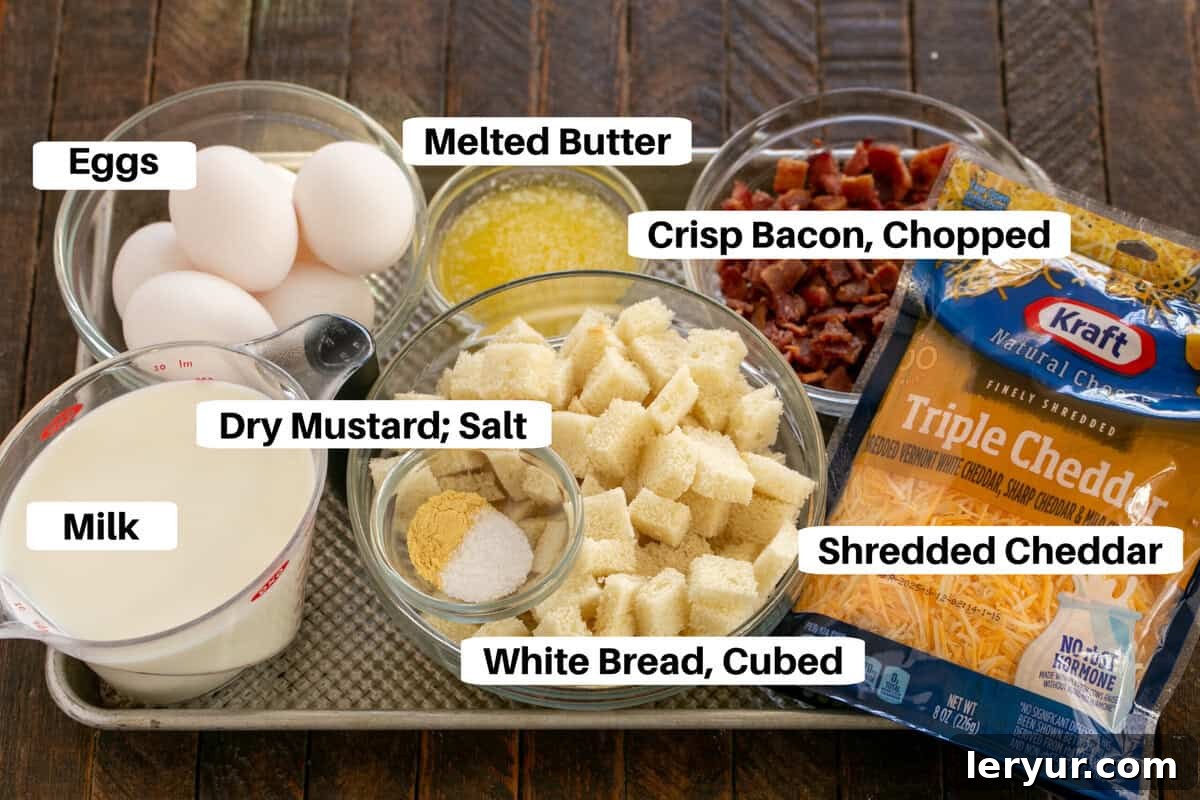
Essential Ingredient Notes for Your Perfect Casserole
Crafting the perfect breakfast casserole starts with understanding your ingredients. While the recipe is forgiving, selecting quality components and knowing a few key tips can elevate your dish from good to absolutely unforgettable. Here’s a closer look at what you’ll need and why:
- Kitchen Staples:
- Salt: Essential for seasoning the eggs and bringing out the flavors of the other ingredients. Adjust to your taste, especially considering the saltiness of bacon and cheese.
- Milk: I typically use 2% milk, but whole milk will yield an even richer, creamier custard. Skim milk can be used for a lighter version, though it might slightly impact the texture.
- Large Eggs: The foundation of any great breakfast casserole. Ensure they are fresh for the best flavor and texture. All my recipes specify large eggs unless otherwise noted, as this provides consistency in liquid ratios.
- Melted Butter (salted is fine): Butter adds a wonderful richness and helps create that golden-brown crust. Salted butter is perfectly acceptable here, as the overall salt content can be adjusted.
- White Bread: This acts as the base, soaking up the egg custard and adding a delightful, custardy texture.
- Preparation: Make sure to remove the crusts before cubing the bread. The crusts can become too chewy or hard in the casserole.
- Brand Choice: I’ve had great success with Pepperidge Farm brand white bread due to its consistent texture and ability to absorb the liquid without becoming soggy. Any good quality white bread, brioche, or challah will work beautifully. Day-old bread is actually ideal as it’s slightly drier and less likely to become mushy.
- Shredded Cheddar Cheese: The star of the cheesy component, providing rich, tangy flavor and a gooey texture.
- Variety: Kraft Triple Cheddar is a fantastic choice for a complex cheddar flavor profile. However, feel free to use sharp, medium, or mild cheddar based on your preference.
- Freshly Shredded vs. Pre-shredded: While convenient, pre-shredded cheese often contains anti-caking agents that can slightly inhibit melting. For the best gooey texture, consider shredding your own cheese from a block.
- Dry Mustard Powder: This is a secret weapon for adding a subtle depth of flavor.
- Purpose: It enhances the savory notes of the cheese and eggs without imparting an obvious mustard flavor. It’s a background hero that ties everything together. Don’t skip it!
- Bacon: Crispy, salty bacon bits are crucial for flavor and texture.
- Cooking: Ensure your bacon is cooked until extra crispy and then crumbled or chopped into small pieces. This prevents it from becoming chewy or soggy in the casserole.
- Drainage: Thoroughly drain any excess grease from the cooked bacon to avoid an oily casserole.
Step-by-Step Guide: Crafting Your Easy Breakfast Casserole
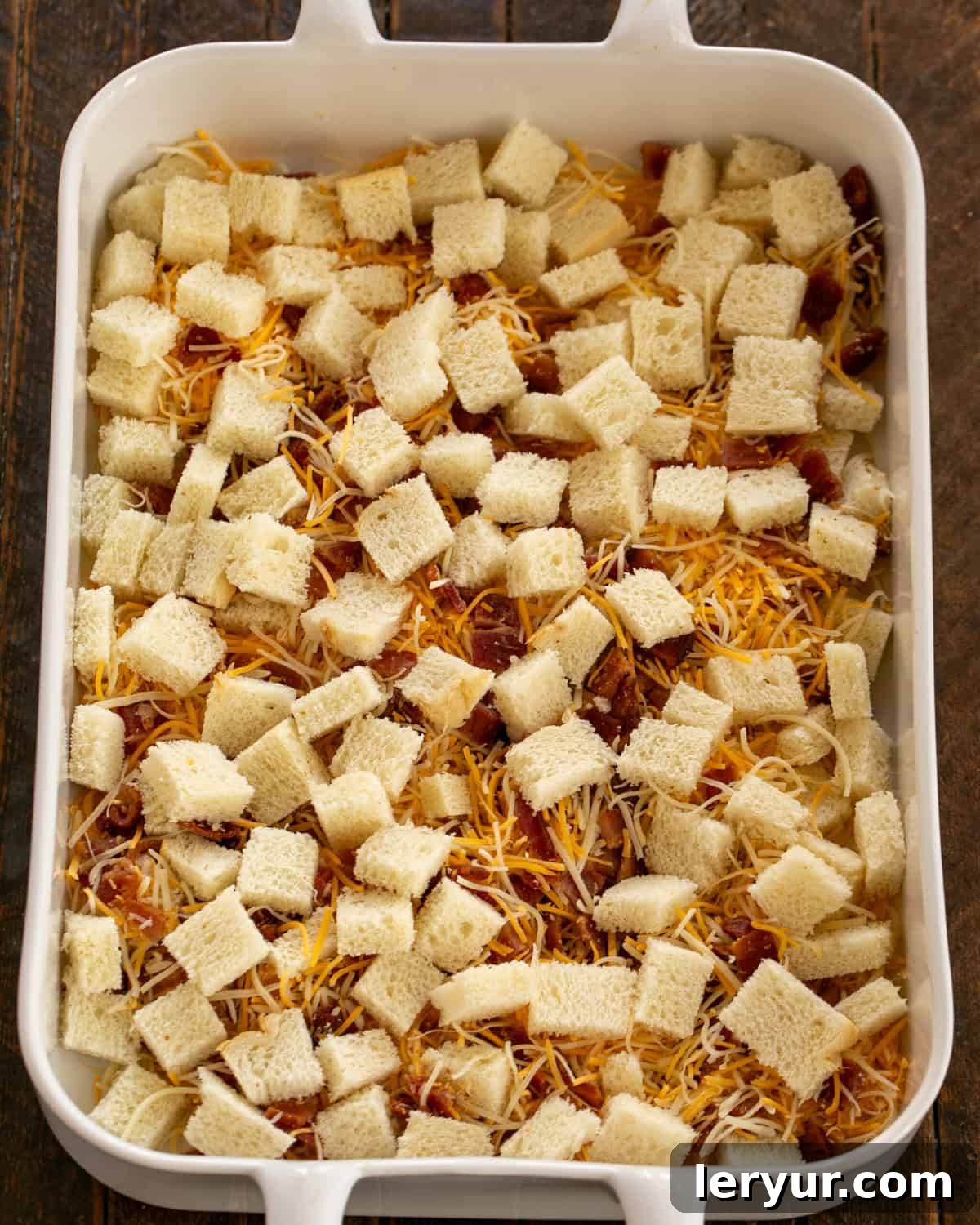
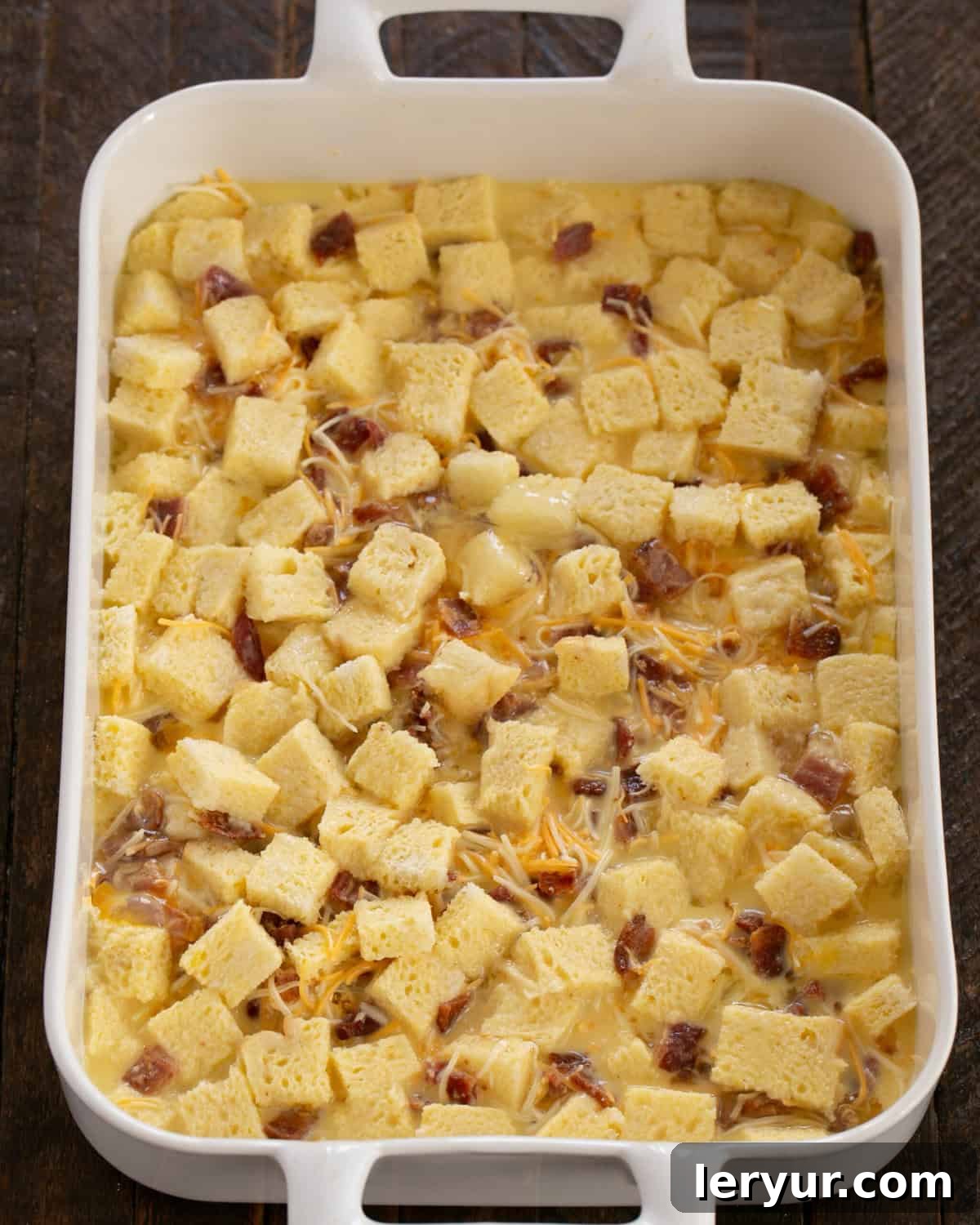
Creating this delicious overnight breakfast casserole is incredibly straightforward, making it perfect for even novice cooks. Follow these simple steps for a truly satisfying result:


Expert Recipe Tips for the Best Breakfast Casserole
Achieving breakfast casserole perfection is easy with a few insider tips. These suggestions will help you customize, store, and serve your casserole like a pro, ensuring delicious results every time:
- Overnight Refrigeration is Key: When refrigerating overnight, always cover your casserole dish tightly with foil or plastic wrap. This prevents the bread from drying out and allows the egg custard to fully permeate the bread cubes, leading to a much more flavorful and evenly textured final product. Don’t rush this step; the extended soak is what makes it so good!
- Protein Power-Ups:
- Sausage Swap: If bacon isn’t your preference, cooked breakfast sausage (pork, turkey, or chicken) makes a fantastic alternative. Ensure you drain it very well after cooking to remove excess grease before adding it to the egg mixture.
- Ham Addition: Diced cooked ham, especially leftover holiday ham, can also be a wonderful addition, offering a different savory note.
- Vegetable Variations for Freshness: Enhance your casserole with some lightly seasoned, sautéed vegetables. This adds flavor, texture, and a healthy boost.
- Recommended Veggies: Chopped red bell pepper (adds color and sweetness), sliced mushrooms (earthy flavor), and/or yellow onion (aromatic depth) are excellent choices.
- Preparation: Sauté vegetables briefly before adding them to ensure they are tender and release their flavors without making the casserole watery.
- Cheese, Please! Different Varieties to Explore: While cheddar is classic, don’t hesitate to experiment with other cheeses.
- Delicious Alternatives: Gouda (nutty and slightly sweet), Fontina (creamy and melts beautifully), or Swiss cheese (mildly nutty) would all be delicious. A blend of cheeses can also create a more complex flavor profile.
- Achieving Thicker Slices: If you prefer a taller, more substantial slice of casserole, you can make 1½ times the recipe or use a slightly smaller baking dish (e.g., an 8×12 or even a 9×9 inch pan, if significantly increasing ingredients). However, remember that increasing the thickness will require a longer baking time. Always ensure the center is fully set before removing it from the oven to avoid a runny middle.
- Perfect Pairings and Serving Suggestions: This savory casserole pairs wonderfully with a variety of accompaniments for a complete brunch spread.
- Fresh Elements: A vibrant fruit salad, fresh juice, or a light green salad can balance the richness.
- Baked Goods: Serve alongside fluffy muffins (like Morning Glory Muffins), sweet cinnamon rolls, or flaky Danishes.
- Beverages: Don’t forget coffee, tea, or even a celebratory Mimosa Cocktail to complete the experience!
- Storage and Reheating: Leftovers store beautifully in an airtight container in the refrigerator for up to 3-4 days. To reheat individual portions, use the microwave or a toaster oven for crispier edges. For a larger portion, cover loosely with foil and reheat in the oven until warmed through.
- Freezing for Future Meals: This casserole is freezer-friendly! Once completely cooled, cut into individual portions and wrap tightly in plastic wrap, then foil. Freeze for up to 2-3 months. Thaw overnight in the refrigerator and reheat as directed above. You can also freeze the unbaked casserole; just ensure it’s completely thawed before baking and allow extra baking time.
Frequently Asked Questions About Breakfast Casseroles
For consistent results and proper liquid ratios in all my recipes, I recommend using large eggs unless specifically stated otherwise. Using a different size can affect the overall texture and moisture of the casserole.
The top of the casserole should appear golden brown and visibly set. A reliable test is to insert a knife into the center; if it comes out clean, the casserole is done. For absolute certainty and food safety, use a meat thermometer. The internal temperature of the eggs should reach 160°F (71°C). Keep in mind that the internal temperature will continue to rise slightly after the casserole is removed from the oven (carryover cooking), so it’s okay if it’s a few degrees under 160°F when you pull it out, especially if you plan to let it rest for 10 minutes or more before serving.
A good breakfast casserole is often the centerpiece, but it shines even brighter with thoughtful accompaniments. Besides the essential coffee, tea, and/or juice, consider a refreshing fruit salad to cut through the richness, light and fluffy muffins or a sweet Danish pastry, and perhaps some crispy hashed browns or roasted breakfast potatoes for extra heartiness. A simple green salad with a light vinaigrette can also be a surprisingly delightful addition for brunch.
While bread is a core component for soaking up the custard and creating the traditional casserole texture, you can adapt it for a low-carb version. Simply omit the bread and increase the amount of cheese, vegetables, and meat. You might need to adjust the egg-to-milk ratio slightly and reduce baking time, as it will be less dense. This would create more of a frittata or crustless quiche style dish.
Yes, this casserole freezes beautifully! To freeze a baked casserole, allow it to cool completely, then slice into individual portions. Wrap each portion tightly in plastic wrap, then foil, and store in an airtight freezer bag for up to 2-3 months. Thaw overnight in the refrigerator and reheat in the microwave or oven. For an unbaked casserole, assemble everything in a freezer-safe dish, cover tightly, and freeze. Thaw completely in the refrigerator before baking as directed, allowing for potentially longer baking times.
Explore More Brunch Favorites
If you loved this easy breakfast casserole, you’re sure to enjoy these other delightful recipes perfect for any breakfast or brunch occasion. Expand your repertoire and discover new favorites!
- Honey Lime Fruit Salad: A refreshing and vibrant side dish that perfectly complements any savory breakfast entree.
- Morning Glory Muffins: Packed with carrots, apples, and nuts, these wholesome muffins are a delightful way to start your day.
- Cream Cheese Danish: Flaky, sweet, and filled with luscious cream cheese, these Danishes are a brunch classic.
- Mimosa Cocktail: The quintessential brunch drink, light and bubbly, made with orange juice and sparkling wine.
- Gruyere Spinach Strata: Another excellent make-ahead savory bake, featuring earthy spinach and nutty Gruyère cheese.
- Plus, check out all my favorite Brunch Recipes for more inspiration and culinary adventures.
Stay in touch and share your culinary creations with me! Follow me @ Instagram, Facebook, and Pinterest. Don’t forget to tag me when you try one of my recipes – I love seeing your delicious results! And if you absolutely adore this Easy Breakfast Casserole, please consider giving it a 5-star rating in the recipe card below. Your feedback helps other home cooks discover and enjoy these recipes too!
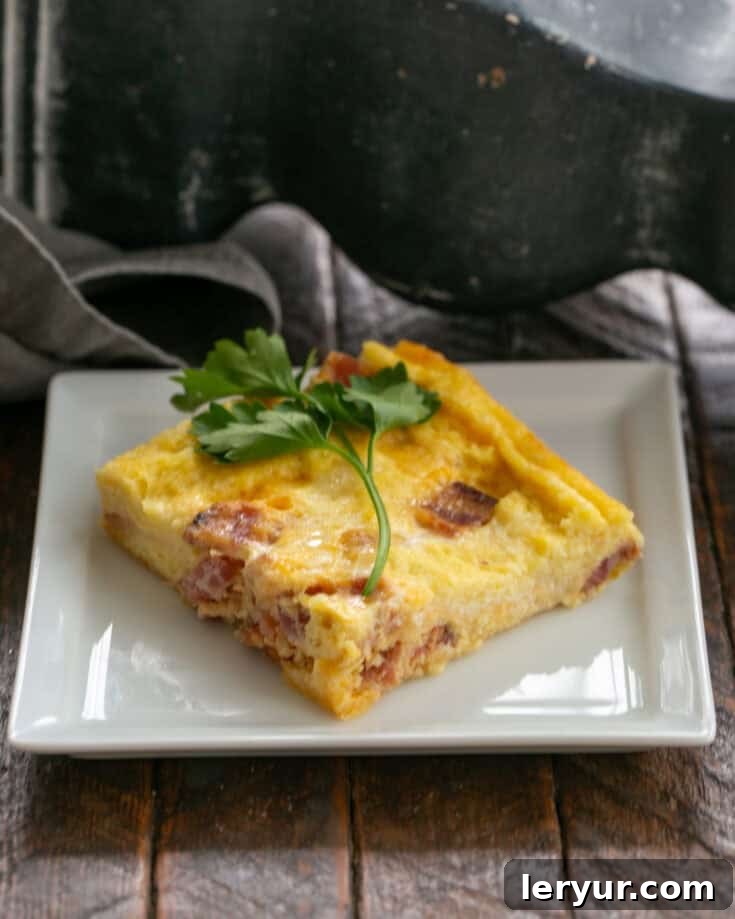
Easy Breakfast Casserole Recipe
20 minutes
45 minutes
8 hours
9 hours 5 minutes
8
A make-ahead breakfast or brunch casserole that’s perfect for holidays or weekend company.
Ingredients
- 8 slices white bread, crusts removed and cubed. Pepperidge Farm White Bread recommended.
- 1 pound bacon, fried crisp and crumbled or chopped
- ¾ pound shredded Cheddar or Triple Cheddar cheese
- ¼ cup butter, melted
- ½ teaspoon salt
- ½ teaspoon dried mustard powder
- 6 large eggs
- 2 cups milk, (2% recommended)
Instructions
- Grease a large baking dish (a 9 x 13-inch pan works well). Set aside.
- Add the cubed bread, crumbled bacon, and shredded cheese to the baking dish and toss them together gently to combine.
- Drizzle the melted butter evenly over the bread and other ingredients in the dish.
- In a separate bowl, whisk together the eggs, milk, dry mustard powder, and salt until well blended.
- Pour the egg mixture over the bread cubes in the baking dish. Gently press down any floating bread pieces to ensure they are fully saturated. Cover the dish tightly with foil or plastic wrap and refrigerate overnight (for at least 8 hours).
- When you’re ready to bake, preheat your oven to 350°F (175°C).
- Remove the casserole from the refrigerator and bake uncovered for 45 minutes, or until the top is golden brown and the center is set. Let the casserole stand for a few minutes after it comes out of the oven before cutting into squares and serving warm.
Notes
Use a smaller dish if you desire thicker slices, but be aware that you may need to increase the baking time to ensure the center is fully cooked.
Recommended Products
As an Amazon Associate and member of other affiliate programs, I earn from qualifying purchases.
- OXO Cutting Board
- OXO Good Grips 11-Inch Better Balloon Whisk
- 9 x 13-inch Pyrex casserole dish
Nutrition Information:
Yield:
8
Serving Size:
1
Amount Per Serving:
Calories: 560Total Fat: 39gSaturated Fat: 17gTrans Fat: 1gUnsaturated Fat: 19gCholesterol: 209mgSodium: 1290mgCarbohydrates: 20gFiber: 1gSugar: 4gProtein: 32g
Thatskinnychickcanbake.com occasionally offers nutritional information for recipes contained on this site. This information is provided as a courtesy and is an estimate only. This information comes from online calculators. Although thatskinnychickcanbake.com attempts to provide accurate nutritional information, these figures are only estimates.
Varying factors such as product types or brands purchased can change the nutritional information in any given recipe. Also, many recipes on thatskinnychickcanbake.com recommend toppings, which may or may not be listed as optional and nutritional information for these added toppings is not listed. Other factors may change the nutritional information such as when the salt amount is listed “to taste,” it is not calculated into the recipe as the amount will vary. Also, different online calculators can provide different results.
To obtain the most accurate representation of the nutritional information in any given recipe, you should calculate the nutritional information with the actual ingredients used in your recipe. You are solely responsible for ensuring that any nutritional information obtained is accurate.
HOW MUCH DID YOU LOVE THIS RECIPE?
Please leave a comment on the blog or share a photo on Pinterest