
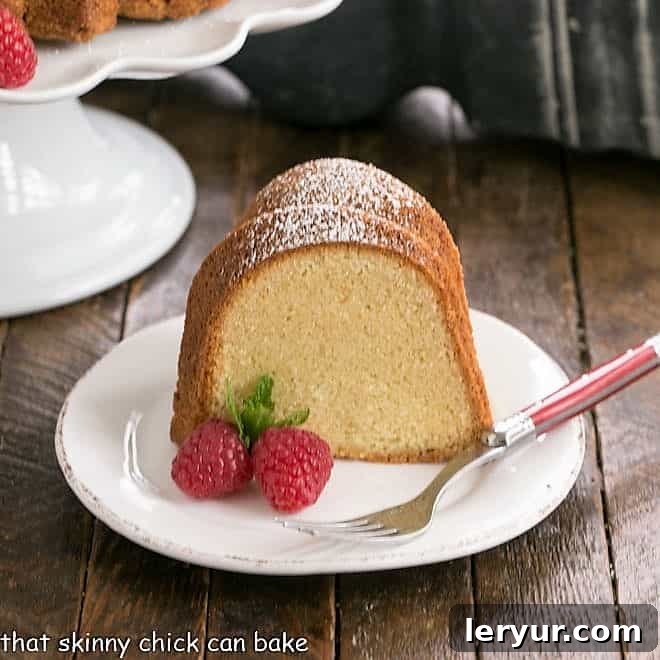
Experience the ultimate in dessert decadence with a slice of **Sour Cream Pound Cake**, a truly exquisite treat that promises to elevate your baking prowess. This perfectly sweet and wonderfully dense cake, with its delicate crumb, is simply divine when adorned with a medley of fresh, seasonal berries and a generous dollop of fluffy whipped cream. Prepare to impress friends and family and become renowned for your baking skills, especially when you master the art of **How to Make a Pound Cake** using our comprehensive, foolproof guide.
Infused with rich sour cream, which guarantees an unparalleled moistness and a wonderfully fine, tender crumb, this **Pound Cake Recipe** is an absolute winner that simply cannot be surpassed. Its irresistible charm means you’ll undoubtedly be asked to share the recipe countless times – so be ready!
Why This Sour Cream Pound Cake is a Must-Bake
While the classic pound cake traditionally relies on just four core ingredients—butter, sugar, eggs, and flour—this exceptional sour cream version introduces a few thoughtful additions that propel it into a league of its own. The inclusion of sour cream is the secret behind its incredibly tender crumb and rich texture, transforming a simple cake into a luxurious dessert. Furthermore, the harmonious blend of pure vanilla and a hint of almond extract works to enhance and deepen the cake’s flavor profile, creating a complex and utterly satisfying taste experience that will delight any palate.
- Unmatched Texture and Flavor: The sour cream in this recipe is a game-changer, ensuring a consistently moist cake with a delicate, fine crumb that melts in your mouth. The classic flavors of vanilla and almond extract are expertly balanced, creating a taste that is both comforting and sophisticated.
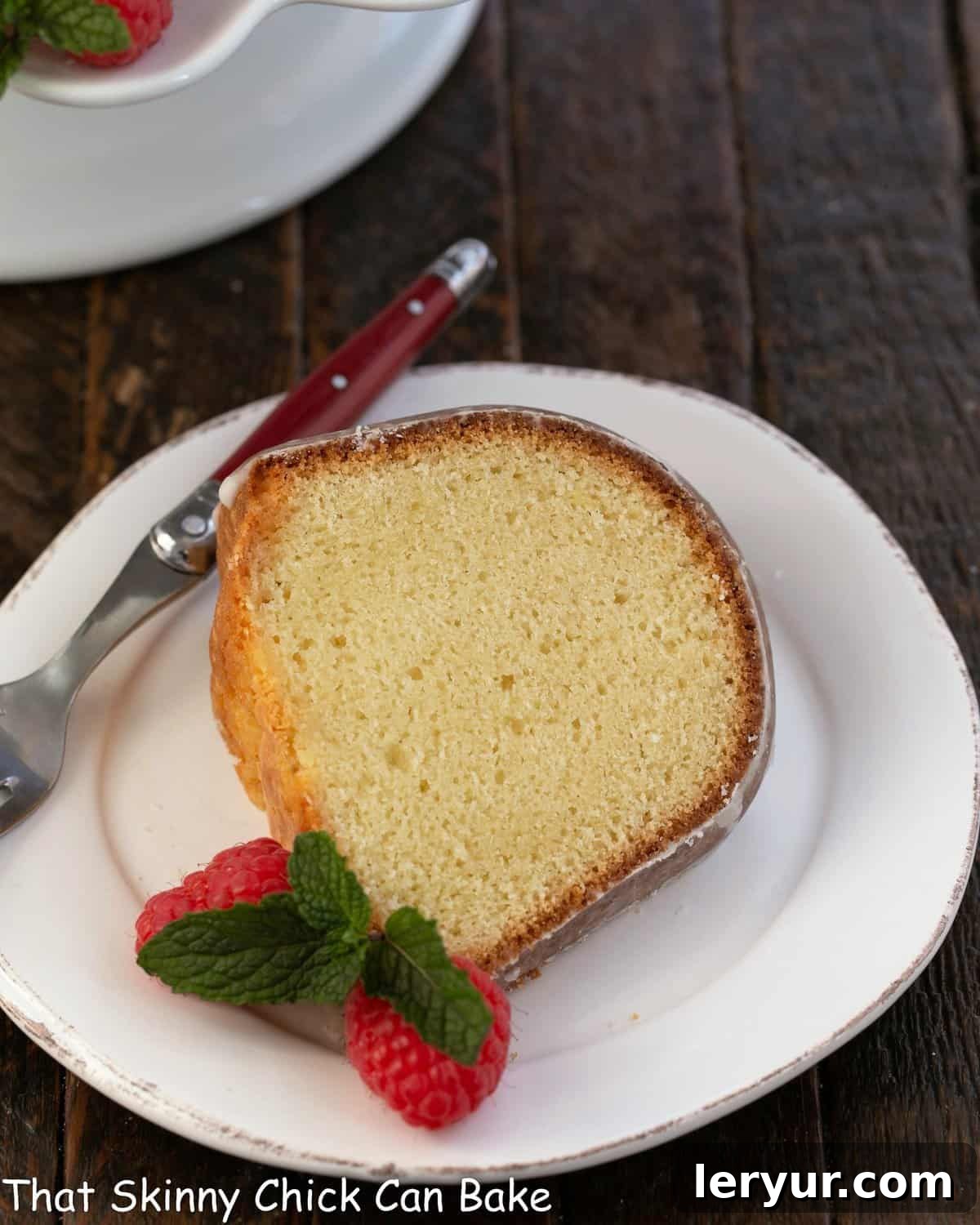
- Simplicity with Elegance: Despite its gourmet appeal, this cake remains delightfully simple to prepare and even easier to enjoy. It requires nothing more than a fork to savor its rich taste. For an added touch of perfection, a thin coating of homemade **Pound Cake Glaze**, made from powdered sugar and water, not only seals in moisture but also introduces a subtle, pleasing texture to the already delicious crust.
- Versatile Serving Options: This pound cake is inherently elegant and needs only a minimal garnish to be worthy of any special occasion. While a few fresh berries are sufficient for a beautiful presentation, the cake truly shines with a variety of toppings. Imagine serving it with a luscious, sweetened raspberry sauce, a generous dollop of freshly whipped cream, or even a scoop of your favorite vanilla bean ice cream for an elevated dessert experience. Whether enjoyed simply or elaborately dressed, this cake is always a winner.
Essential Ingredient Notes for the Perfect Pound Cake
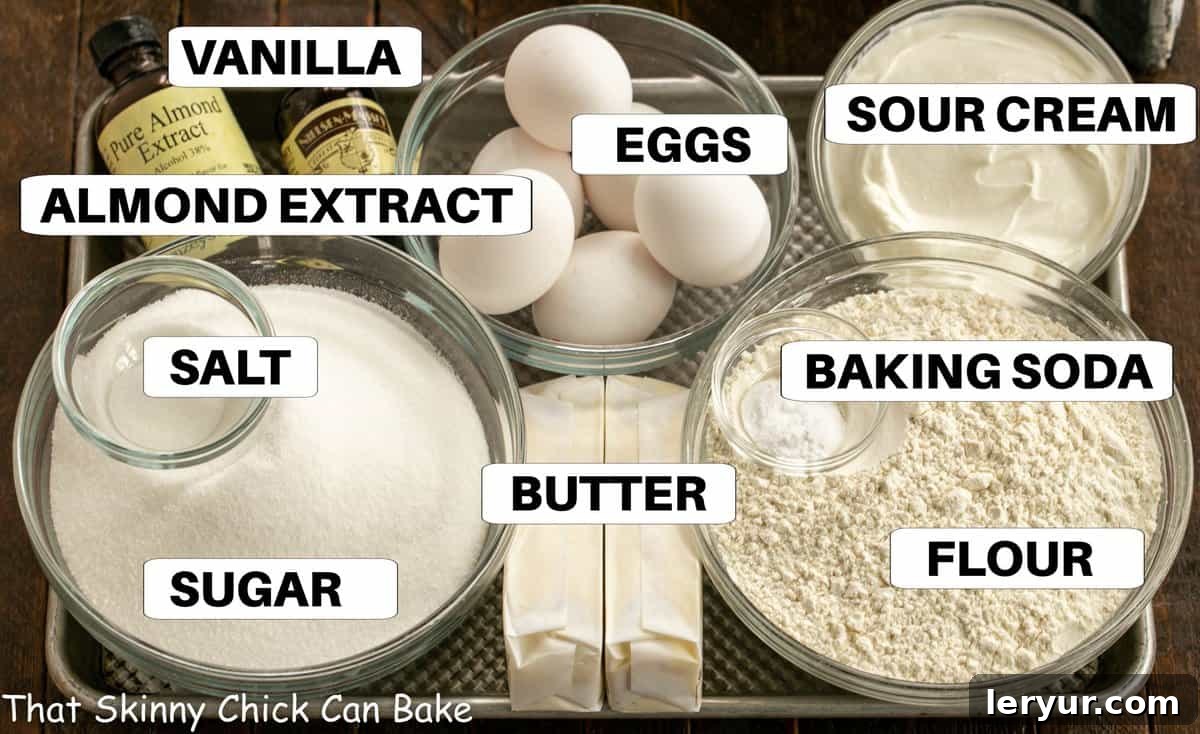
Crafting a truly exceptional sour cream pound cake begins with understanding the role of each ingredient. Quality and preparation matter, so pay close attention to these notes to ensure your cake turns out perfectly moist, tender, and flavorful every time.
- Butter: The Foundation of Flavor – For the best possible flavor and texture, we strongly recommend using high-quality salted butter. European butter, known for its higher fat content, can yield an even richer result. If you opt for unsalted butter, remember to compensate by adding an extra pinch of salt to the dry ingredients. Crucially, ensure your butter is at **room temperature**. This allows it to cream properly with the sugar, incorporating air and creating a light, fluffy base for your batter. Never substitute margarine for butter; the difference in taste and structure will be significant.
- Sour Cream: The Moisture Maestro – This is the star ingredient that sets this pound cake apart. Always use **full-fat sour cream**. Its richness and acidity contribute significantly to the cake’s exceptional moistness and incredibly tender crumb. The fat content adds depth, while the acidity helps to tenderize the gluten, preventing a tough cake.
- Large Eggs: For Structure and Richness – You’ll need six large eggs for this recipe, acting as a binder and providing essential structure and richness to the cake. Just like the butter and sour cream, ensure your eggs are at **room temperature**. Room temperature eggs emulsify better with the creamed butter and sugar, resulting in a smoother, more uniform batter and a finer crumb.
- Vanilla Extract: Aromatic Depth – Do not compromise on quality here. Use **real vanilla extract**, not imitation. The authentic, complex flavor of real vanilla is incomparable and greatly elevates the overall taste of your pound cake. Its warm, sweet notes are fundamental to the classic pound cake profile.
- Almond Extract: A Subtle Enhancement – A small amount of quality almond extract adds a delightful nuance to the cake’s flavor, complementing the vanilla beautifully without overpowering it. Brands like Penzey’s are excellent choices for their pure, potent flavor. This ingredient isn’t mandatory for a great cake, but it certainly pushes it over the top.
- Powdered Sugar: For a Velvety Glaze – If you plan to make the optional glaze, sifting your powdered sugar is a non-negotiable step. This prevents any lumps and ensures a smooth, silky glaze that will beautifully coat your cake.
- All-Purpose Flour: The Right Balance – While some pound cakes might suggest pastry or cake flour, **all-purpose flour** is perfectly suited for this recipe. It strikes the ideal balance between providing structure and maintaining a tender crumb, making it accessible and effective for home bakers. Measure your flour correctly by spooning it into a measuring cup and then leveling it off, avoiding packing it down.
How to Make the Best Sour Cream Pound Cake: A Step-by-Step Guide
Making a pound cake from scratch can seem daunting, but with these clear, easy-to-follow steps, you’ll achieve a perfect result every time. We’ll guide you through the process, from mixing the batter to the final, delicious slice.
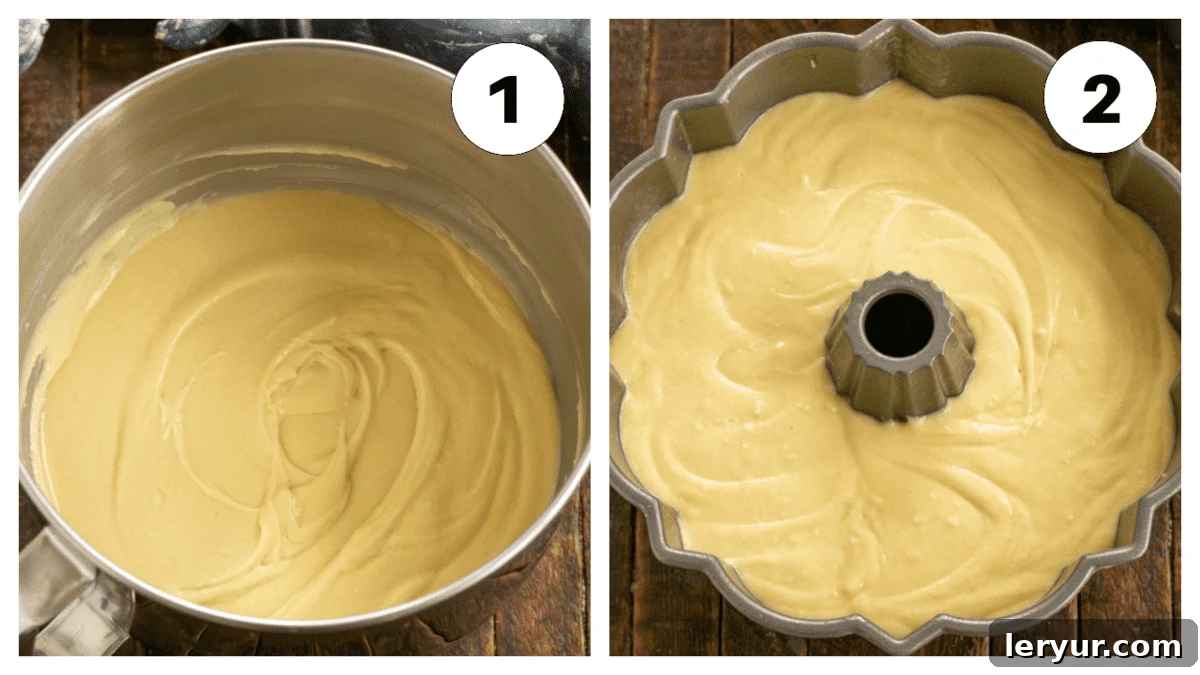
- Prepare Your Pan and Oven: Begin by preheating your oven to 325°F (160°C). This lower temperature is ideal for pound cakes, allowing them to bake through evenly without drying out. Next, thoroughly grease and flour your Bundt pan. Use shortening or a high-quality baking spray like Baker’s Joy to ensure every nook and cranny is coated, then dust with flour, tapping out any excess. This crucial step prevents the cake from sticking and ensures a clean release.
- Cream Butter and Sugar: In a large mixing bowl, using either a stand mixer with the paddle attachment or a hand mixer, cream together the softened butter and granulated sugar until the mixture is light, fluffy, and pale yellow. This process incorporates air, which is vital for the cake’s texture. Beat for at least 3-5 minutes.
- Incorporate Sour Cream: Add the room-temperature sour cream to the creamed butter and sugar mixture. Beat on low speed until just combined. The sour cream will make the mixture incredibly smooth and add richness.
- Alternate Dry and Wet Ingredients: In a separate bowl, sift together the all-purpose flour, baking soda, and salt. This ensures uniform distribution and prevents lumps. Now, begin adding the sifted dry ingredients to the wet mixture, alternating with the room-temperature eggs. **PRO TIP:** Always start and end with flour. Add about one-third of the flour mixture, mix until just combined, then add two eggs, mix until just incorporated. Repeat this process, finishing with the last third of the flour. This method helps prevent overmixing, which can lead to a tough cake. Scrape down the sides and bottom of the bowl periodically to ensure all ingredients are thoroughly incorporated.
- Add Flavorings: Stir in the vanilla extract and almond extract until just combined. Do not overmix at this stage.
- Transfer to Pan and Bake: Carefully scrape the thick, smooth batter into your prepared Bundt pan, spreading it evenly. Bake in the preheated oven for approximately 1 hour and 20 minutes, or until a wooden skewer or toothpick inserted into the center comes out clean. The cake should be golden brown and spring back when lightly touched.
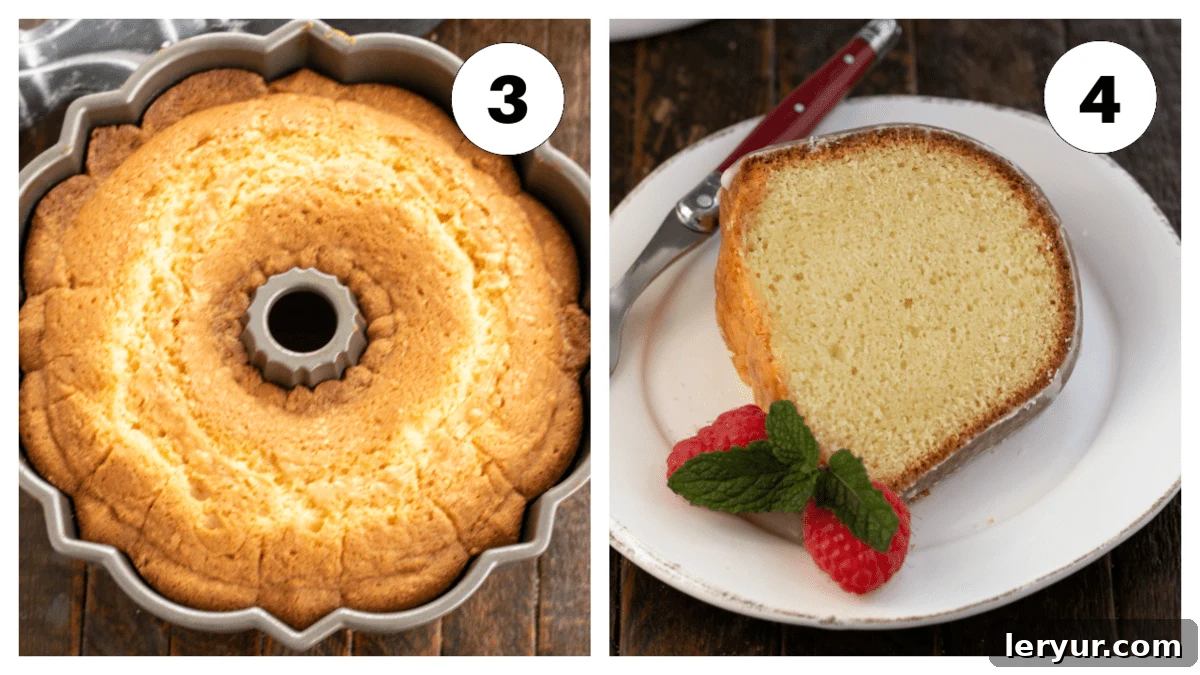
- Cooling Process: Once baked, remove the cake from the oven and let it rest in the Bundt pan on a wire rack for 10-15 minutes. This crucial resting period allows the cake to firm up and prevents it from breaking when inverted.
- Invert and Finish Cooling: After resting, carefully invert the cake onto a wire cooling rack to cool completely. Allowing it to cool fully on the rack is essential for the texture. If you plan to glaze the cake, do so while it’s still slightly warm but not hot, which helps the glaze adhere beautifully. Alternatively, a simple dusting of powdered sugar makes for an elegant finish.
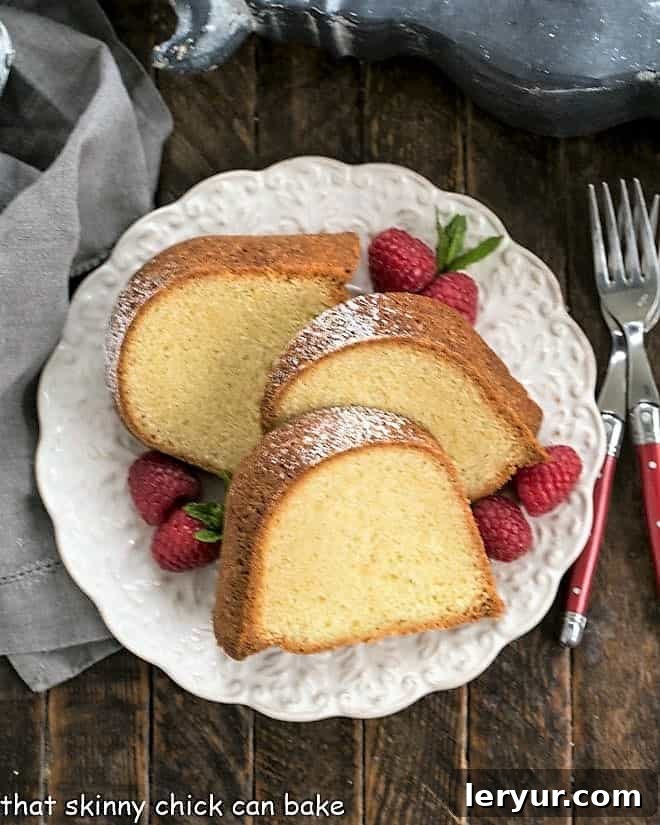
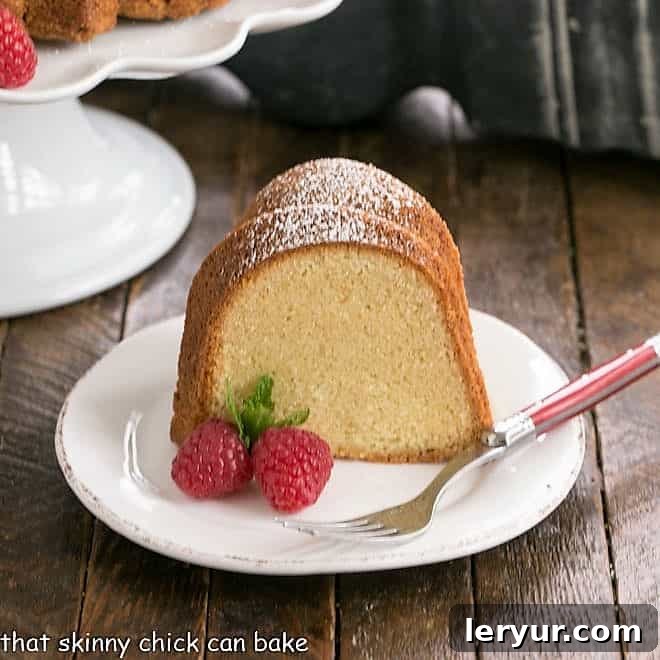
- Slice, Serve, and Enjoy: Once cooled, slice your magnificent Sour Cream Pound Cake and serve! It’s delightful on its own, or enhance it with your favorite toppings like fresh berries, whipped cream, or a fruit sauce.
Expert Baking Tips for Pound Cake Perfection
Pound cakes are renowned for their dense, yet tender crumb and rich flavor, making them a beloved classic. While they might seem simpler than elaborate layer cakes with piped buttercream or delicate cupcakes, achieving that signature pound cake perfection requires a nuanced approach. Here are some expert tips to ensure your Sour Cream Pound Cake turns out flawlessly every single time, elevating your baking from good to extraordinary.
Ingredients and Mixing Techniques: The Core of a Great Cake
- The Golden Rule: Room Temperature Ingredients: This tip is paramount for any successful cake, especially pound cake. Ensuring your butter, eggs, and sour cream are at room temperature (around 68-72°F or 20-22°C) is key to a smooth, emulsified batter. Cold ingredients will not combine properly, leading to a lumpy batter and a denser, less uniform cake texture. Plan ahead and set these ingredients out on your counter for at least an hour before you begin. If you forget, a quick trick for eggs is to place them in a bowl of warm (not hot or boiling) water for about 10-15 minutes. For butter, cut it into smaller pieces to speed up the softening process.
- Choosing the Right Mixer Attachment: Most traditional pound cake recipes call for using the **paddle attachment** on a stand mixer (or beaters on a hand mixer) to cream the butter and sugar. This method creates a smooth, thick, and dense batter by incorporating air evenly without over-aerating. While a whisk attachment adds more air, which is desirable for lighter cakes, for a pound cake, a denser, fine crumb is the goal. However, with this specific sour cream pound cake recipe, a whisk attachment can sometimes be used successfully due to the added moisture and tenderizing effect of the sour cream. Always follow the recipe’s specific guidance if it deviates.
- Proper Creaming is Essential: Take your time to thoroughly cream the butter and sugar until the mixture is light in color and fluffy in texture. This process, often taking 3-5 minutes, is vital for incorporating air and creating the delicate structure of the cake. Do not rush this step.
- The Art of Alternating Wet and Dry: When the recipe instructs you to add eggs and flour alternately, remember this crucial **PRO-Tip: Always start and end with flour.** This technique helps to prevent (or at least minimize) the over-development of gluten, which can make your cake tough. By incorporating flour first and last, you create a buffer that limits the direct interaction of the liquid (from eggs and sour cream) with the gluten in the flour. We are aiming for a tender, dense, and fine-crumbed cake, not a chewy one.
- Scrape the Bowl Religiously: During the entire mixing process, pause a couple of times to scrape down the sides and, more importantly, the bottom of your mixing bowl with a spatula. This ensures that all ingredients are fully incorporated into the batter, preventing pockets of unmixed butter or flour that can lead to an uneven texture in the final cake.
- Mindful Mixing: Avoid Overmixing: This is another critical **PRO-Tip** for pound cakes, similar to cheesecakes. Once you start adding the eggs, beat in each one only until it is *just incorporated*. The same applies after you’ve added the flour: mix only until the ingredients are *just combined*. **Do not over-mix or aggressively beat the flour.** Overmixing develops the gluten in the flour too much, resulting in a cake that is dry, tough, and chewy instead of moist and tender. Stop mixing as soon as you no longer see streaks of dry ingredients.
Baking and Storing Your Pound Cake to Perfection
Once your batter is perfectly mixed, the next steps are baking and proper storage. These details are just as important for achieving a beautifully golden, evenly baked, and long-lasting pound cake.
- Flawless Pan Preparation: Always generously grease and flour your Bundt pan. While butter or baking sprays can work, **shortening often performs best for greasing your pan** due to its higher melting point, creating a more reliable non-stick barrier. Ensure every crevice is coated to guarantee an easy release. For intricate Bundt designs, using a pastry brush to apply the shortening and then dusting with flour ensures complete coverage.
- Patience During Baking: Pound cakes are substantial and typically require a longer baking time, often an hour or more, depending on your oven and the specific pan size. Resist the urge to open the oven door frequently, as this can cause the cake to sink. Be patient and allow the cake to bake undisturbed.
- Checking for Doneness: The Toothpick Test: To ascertain if your pound cake is perfectly baked, insert a wooden toothpick or a thin skewer deep into the center of the cake. When the cake is done, the toothpick should emerge clean, without any wet batter clinging to it. For large Bundt cakes, it’s wise to perform this test in a couple of different spots to ensure even baking. You’ll also notice a wonderful baked cake aroma filling your kitchen, and the top of the cake will be golden brown and spring back lightly when gently touched.
- The Crucial Cooling Phase: Once removed from the oven, let the pound cake cool in its pan on a wire rack for 10 to 15 minutes. This allows the cake’s structure to set properly. Attempting to invert it too soon can cause it to break or stick to the pan. Conversely, leaving it in the pan for too long can cause it to steam and become soggy, or even stick more firmly as it cools and contracts. After the initial cooling period, gently shake the pan to loosen the cake, then carefully invert it onto the wire rack to cool completely.
- Slice Only When Fully Cooled: For the best texture and clean slices, ensure your cake is completely cooled before cutting into it. Slicing a warm pound cake can result in a gummy texture and crumbly slices.
- Optimal Storage for Freshness: Your pound cake, if well-covered, will stay wonderfully fresh and moist at room temperature for up to 3 to 4 days. Store it in an airtight container or wrapped tightly in plastic wrap to prevent it from drying out.
- Freezing for Extended Enjoyment: For longer storage, a well-wrapped pound cake freezes beautifully. Wrap it tightly first in plastic wrap, then in aluminum foil, and place it in a freezer-safe bag or container. It can be frozen for an impressive 4 to 6 months. Thaw frozen pound cake overnight in the refrigerator or at room temperature for a few hours before serving.
Frequently Asked Questions About Pound Cake
The charming and simple answer lies in its original recipe. Historically, classic pound cakes called for a pound of each of its four main ingredients: a pound of sugar, a pound of butter, a pound of flour, and a pound of eggs. This straightforward ingredient list not only gave the cake its name but also made it easy to remember and prepare in kitchens long ago.
A pound cake is characterized by its exceptionally fine texture, dense crumb, and rich flavor. Originally, it was made with the aforementioned equal-weight ingredients, often flavored simply with vanilla or lemon. Over time, the recipe evolved; modern versions frequently include leavening agents like baking powder or baking soda to aid in a slight rise, along with other delightful additions such as coconut, various nuts, or dried fruit. While traditionally baked as a loaf cake, it is now very common to find pound cakes baked in elegant Bundt or tube pans, which allow for beautiful presentation and an even bake.
Baking time for a pound cake can vary based on several factors, including your specific oven, the material and size of your pan, and even the altitude. While a recipe provides a good guide, always use it as an estimate. A standard Bundt or tube pan pound cake often bakes for 1 hour and 15 minutes to 1 hour and 30 minutes. It’s crucial to note the recommended oven temperature in your recipe. Many pound cakes benefit from a slightly lower baking temperature, like 325°F (160°C), rather than the common 350°F (175°C). This lower temperature allows the dense batter to cook through slowly and evenly, preventing the edges from drying out or burning before the center is done, resulting in a perfectly baked cake.
The most reliable method for checking doneness is the **toothpick test**. Insert a long wooden skewer or toothpick deep into the very center of the pound cake. When it comes out clean, with no wet batter clinging to it, the cake is ready. It’s a good practice to test in more than one location. Beyond the toothpick test, pay attention to the aroma; a beautiful baked cake scent will fill your kitchen. The top of the cake should be golden brown and the edges should appear slightly pulled away from the pan. You can also gently press the top of the cake; if it springs back, it’s likely done. Begin checking a few minutes before the recipe’s minimum suggested baking time to prevent overbaking, which can lead to a dry cake.
Allowing your pound cake to cool in the pan for the correct amount of time is crucial for its structural integrity. A pound cake should typically cool on a wire rack, still in its pan, for 10 to 15 minutes. This resting period allows the cake’s delicate structure to set and firm up sufficiently before you attempt to invert it. If you try to remove it too soon, the cake may be too fragile and could break apart. Waiting too long, however, can cause the cake to cool down and potentially stick more firmly to the pan as it contracts. The 10-15 minute window is the sweet spot for a clean, easy release.
Pound cakes generally bake best in **tube pans**, such as an angel food cake pan or, more commonly, a **Bundt pan**. These pans, with their central tube, allow heat to penetrate the cake from both the outer edges and the center, ensuring a more even bake for the dense batter. **Crucially, avoid using a 2-piece angel food pan with a removable bottom for pound cake batter**, as the thicker, richer batter will likely leak out during baking. While pound cakes can be baked in loaf pans, be aware that a recipe designed for a large Bundt pan will typically yield enough batter to fill more than one standard loaf pan, and the baking time will need to be significantly adjusted and monitored closely.
Adding sour cream to a pound cake recipe is a brilliant technique for several reasons, significantly enhancing both its texture and flavor. First, sour cream contributes a remarkable amount of **moisture and richness** to the cake without thinning the batter, leading to an incredibly soft and fine crumb that is characteristic of a superior pound cake. Second, the **acid in the sour cream plays a vital role in tenderizing the cake**. It works to weaken the gluten strands in the flour, preventing the cake from becoming tough or rubbery. This results in a melt-in-your-mouth texture. Lastly, if your recipe includes baking soda, the acidity of the sour cream helps to **activate the baking soda**, contributing to a slight rise and an even lighter texture. It’s truly a secret weapon for an elevated baking experience.
Delicious Ways to Serve Your Sour Cream Pound Cake
While this Sour Cream Pound Cake is absolutely delightful on its own, its versatility allows for endless creative serving possibilities. Here are a few ideas to make your pound cake even more special:
- Fresh Berries and Whipped Cream: A classic pairing that never disappoints. The tartness of fresh raspberries, strawberries, or blueberries beautifully complements the cake’s sweetness, while a dollop of homemade whipped cream adds a luxurious touch.
- Fruit Sauces: Elevate your presentation with a vibrant fruit sauce. A warm raspberry coulis, a tangy lemon curd, or a sweet strawberry compote drizzled over a slice can transform it into a gourmet dessert.
- Ice Cream or Sorbet: Serve a slice alongside a scoop of vanilla bean ice cream for a comforting dessert, or pair it with a refreshing fruit sorbet for a lighter, more vibrant option.
- Chocolate Drizzle: For chocolate lovers, a simple warm chocolate ganache or a drizzle of melted dark chocolate can add an extra layer of indulgence.
- Caramel Sauce: A warm, buttery caramel sauce can add a delightful richness and a hint of salted caramel flavor.
- Coffee or Tea Companion: This dense, moist cake is also perfect for enjoying with a warm cup of coffee or tea during an afternoon break.
Explore More Pound Cake and Dessert Recipes
If you’ve fallen in love with the classic charm of pound cake, there’s a whole world of delicious variations to discover! Or perhaps you’re simply looking for more delightful cake recipes to expand your baking repertoire. Here are some fantastic suggestions to inspire your next baking adventure:
- Condensed Milk Pound Cake from A Family Feast: A rich and incredibly moist pound cake featuring the sweetness of condensed milk.
- Strawberry Pound Cake: A delightful spring and summer treat, bursting with fresh strawberry flavor.
- Key Lime Pound Cake: Zesty and refreshing, perfect for those who love a citrusy dessert.
- Glazed Lemon Pound Cake: A bright and tangy classic, often enhanced with a sweet lemon glaze.
- Vanilla Pound Cake: The timeless classic, pure and simple, highlighting the rich flavor of vanilla.
- English Trifle Recipe made with pound cake: Discover how to use slices of pound cake as a base for this elegant, layered dessert by checking out our Traditional English Trifle Recipe.
- Explore more of the Best Cake Recipes on our site for every occasion.
Don’t forget to check out even more terrific cakes on our Delicious Cakes and Cupcakes Pinterest Board for endless inspiration and stunning visuals!
Stay connected and share your baking journey with us on social media! Find us @ Instagram, Facebook, and Pinterest. We’d absolutely love to see your creations, so don’t forget to tag us when you try one of our delicious recipes! And if you’re thrilled with the results, please consider leaving a 5-star rating in the recipe card below – your feedback means the world to us and helps other bakers discover these fantastic recipes.
Sour Cream Pound Cake Recipe
20 minutes
1 hour 20 minutes
1 hour 40 minutes
10 servings
A dense, classic vanilla pound cake, made incredibly moist with sour cream. Perfect for serving with fresh berries and cream, or simply on its own.
Ingredients
- ½ lb (2 sticks) of butter, at room temperature
- 3 cups granulated sugar
- 1 cup sour cream, at room temperature
- 3 cups all-purpose flour
- ½ teaspoon baking soda
- ½ teaspoon salt
- 6 large eggs, at room temperature
- 1 teaspoon pure vanilla extract
- ½ teaspoon almond extract
Optional Glaze:
- 1½ cups powdered sugar, sifted
- ½ teaspoon pure vanilla extract
- Hot water (as needed for consistency)
Instructions
- Preheat your oven to 325°F (160°C).
- Thoroughly grease and flour a standard 10-12 cup Bundt pan (or use a quality baking spray like Baker’s Joy).
- In a large mixing bowl, using a stand mixer with a paddle attachment or a hand mixer, cream together the room-temperature butter and granulated sugar until light, fluffy, and pale, about 3-5 minutes. Then, mix in the room-temperature sour cream until just combined.
- In a separate medium bowl, sift together the all-purpose flour, baking soda, and salt.
- Add the sifted dry ingredients to the creamed mixture, alternating with the room-temperature eggs. Begin and end with the flour. Add about one-third of the flour mixture, mix until just combined, then add two eggs and mix until just incorporated. Repeat this process, finishing with the last third of the flour. Do not overmix. Scrape down the bowl as needed.
- Stir in the vanilla extract and almond extract until just combined. Pour the smooth batter into your prepared Bundt pan. Bake for 1 hour and 20 minutes, or until a wooden skewer inserted into the center comes out clean. Let the cake cool in the pan on a wire rack for 10-15 minutes, then invert and carefully release from the pan onto the rack to cool completely.
- If you’d like to add the optional glaze, prepare it while the cake is cooling in the pan, or once the cake is out of the pan and still slightly warm.
- To make the glaze, gradually add hot water to the sifted powdered sugar and vanilla extract, whisking until the mixture is thin enough to brush on and slightly soak into the cake. Brush or drizzle the glaze over the warm cake. Alternatively, simply dust the cooled cake with powdered sugar for an elegant finish.
Notes
This recipe has been adapted from a classic Paul Deen method, with enhancements for optimal moistness and flavor.
Remember that using room-temperature eggs, butter, and sour cream is critical for easier incorporation and a smoother, more uniform batter.
For a simpler, yet beautiful presentation, consider dusting the cooled cake with powdered sugar instead of preparing a glaze.
Recommended Products
As an Amazon Associate and member of other affiliate programs, I earn from qualifying purchases.
- KitchenAid 9-Speed Digital Hand Mixer
- Baker’s Joy Baking Spray
- Classic Bundt Pan
Nutrition Information:
Yield:
10
Serving Size:
1
Amount Per Serving:
Calories: 524Total Fat: 8gSaturated Fat: 3gTrans Fat: 0gUnsaturated Fat: 3gCholesterol: 125mgSodium: 115mgCarbohydrates: 106gFiber: 1gSugar: 77gProtein: 8g
HOW MUCH DID YOU LOVE THIS RECIPE?
Please leave a comment on the blog or share a photo on Pinterest