
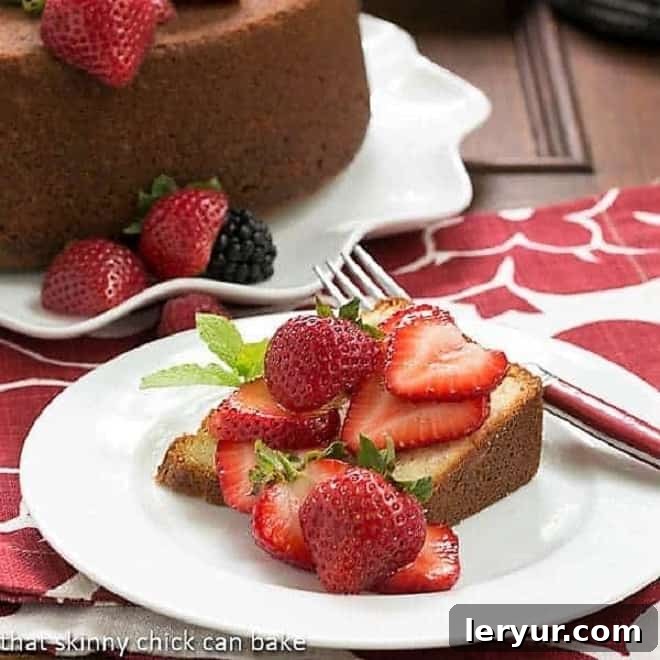
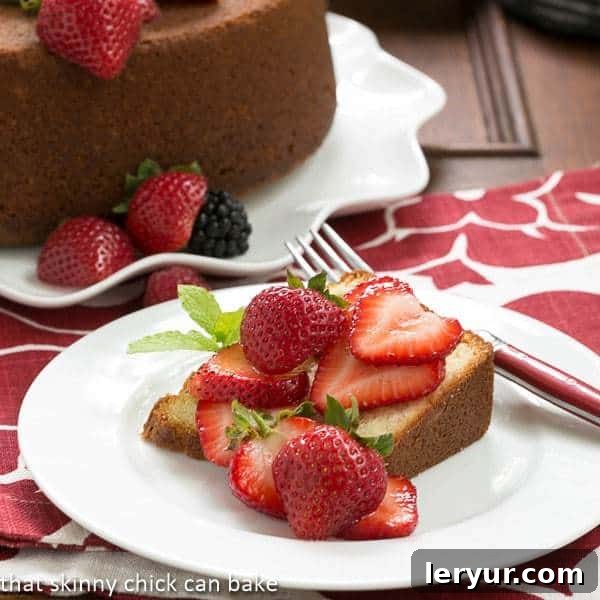
There’s something uniquely comforting and timeless about a classic Vanilla Pound Cake. More than just a simple dessert, it’s a culinary canvas, ready to be adorned with anything from seasonal fresh fruits to rich, decadent sauces. This iconic cake, with its signature dense yet tender crumb, embodies home baking at its finest, offering a taste of tradition in every moist, vanilla-scented slice. Whether you’re a seasoned baker or just starting your journey, this Simple Pound Cake Recipe is designed for success, promising a perfectly baked treat that delights the senses and can be transformed into countless other dessert creations like elegant trifles or delightful parfaits.
Our perfected Vanilla Pound Cake recipe elevates this beloved classic, ensuring a consistently moist texture and a profound vanilla flavor that stands out. It’s the kind of cake that evokes cherished memories and creates new ones, making it an indispensable addition to your baking repertoire. Prepare to fall in love with its simplicity, versatility, and sheer deliciousness.
Why This Vanilla Pound Cake is a Must-Bake
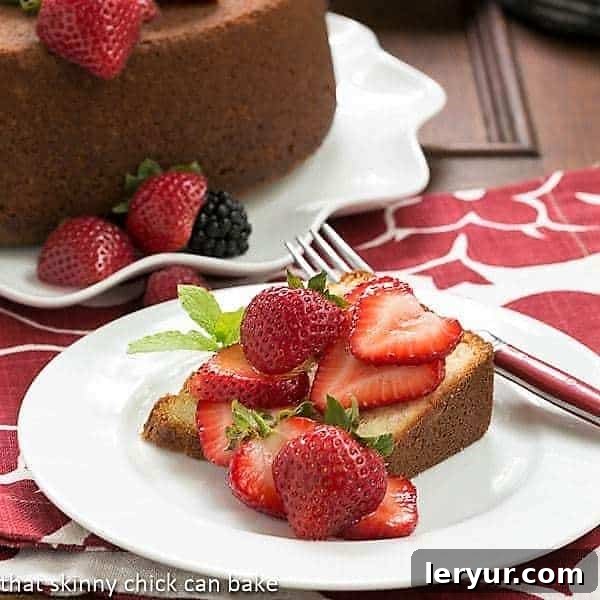
Beyond its sheer deliciousness, our Vanilla Pound Cake holds a special place in the hearts of many, symbolizing warmth, celebration, and shared moments. Imagine the joy of preparing a cake that becomes the centerpiece of family gatherings, whether it’s a spontaneous summer picnic or a cozy holiday dinner. We recently brought this very cake on our annual summer trip, packed carefully alongside suitcases, knowing it would be the perfect complement to my spry 87-year-old mother-in-law’s eight quarts of freshly frozen strawberries. It’s these simple moments, enhanced by homemade goodness, that make baking truly rewarding.
This recipe isn’t just about baking a cake; it’s about creating an experience. Here’s why this particular pound cake recipe should be your next baking project:
- Unmatched Versatility: A simple vanilla pound cake is a culinary chameleon. Its neutral yet rich flavor profile makes it compatible with an endless array of toppings and accompaniments. From a vibrant Fresh Strawberry Compote, sweet peaches, or tart raspberries, to luxurious scoops of vanilla bean ice cream drizzled with warm fudge or salted caramel sauce, this cake is always ready to impress. A simple dusting of powdered sugar is often all it needs to shine.
- A Base for Endless Desserts: Don’t let a few slices of leftover pound cake go to waste! Its firm yet tender structure makes it ideal for transforming into other spectacular desserts. Cubes of pound cake can be layered with fresh berries, fruit preserves, and dollops of sweetened whipped cream to create an elegant trifle, or arranged in glasses for individual parfaits. It even makes a delightful base for bread pudding or French toast.
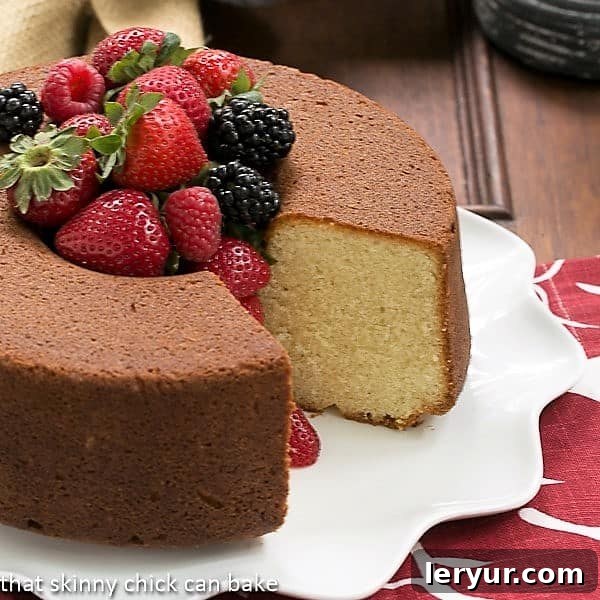
- Effortless Elegance: Despite its sophisticated taste and appearance, this vanilla pound cake is remarkably straightforward to prepare. It utilizes common pantry staples and doesn’t demand specialized ingredients like cake flour, making it an accessible recipe for bakers of all skill levels. The result is a cake with a consistently tight crumb and exceptional moisture, delivering that quintessential “pound cake” experience without any fuss.
- Tested and Approved: This particular recipe has been lauded as the “best pound cake” by many who have tasted it, often rivaling other celebrated recipes. Its perfect balance of vanilla flavor and satisfying texture makes it an instant classic in any home.
The Essential Ingredients for Your Best Pound Cake
Achieving a truly exceptional Vanilla Pound Cake starts with understanding the role of each ingredient. Quality and preparation are key to unlocking the perfect texture and flavor. Here’s a detailed look at what you’ll need and why:
- All-Purpose Flour: The foundation of our cake. While some pound cakes call for cake flour, this recipe performs beautifully with regular all-purpose flour, making it incredibly convenient. For best results and to ensure accuracy, measure your flour by spooning it into a measuring cup and then leveling it off with a straight edge, rather than scooping directly from the bag, which can compact the flour and lead to a dry cake.
- Baking Powder: Our primary leavening agent. Unlike baking soda, baking powder has a shorter shelf life and loses its potency over time. Always check the expiration date. To test its freshness, simply place a teaspoon into a small bowl of hot or boiling water. If it fizzes vigorously, it’s still active and ready to give your cake that desirable lift.
- Fine Sea Salt: A crucial flavor enhancer. Salt doesn’t just make things salty; it brightens and balances the sweetness of the cake, bringing out the depth of the vanilla. Without it, the cake can taste flat.
- Unsalted Butter (at room temperature): The backbone of a rich pound cake. Using unsalted butter allows you to precisely control the salt content in your recipe. More importantly, ensure your butter is at true room temperature (soft enough to indent with a finger, but not melted) for optimal creaming with sugar. This process incorporates air, contributing to the cake’s structure and tender crumb.
- Granulated Sugar: Provides sweetness, moisture, and aids in browning. When creamed with butter, sugar crystals create tiny air pockets, further contributing to the cake’s light yet dense texture.
- Large Eggs (at room temperature, lightly whisked): Eggs provide structure, richness, and help emulsify the batter, creating a smooth, cohesive mixture. Using large eggs ensures the correct liquid-to-dry ingredient ratio. Bringing them to room temperature is vital, as cold eggs can cause the butter to seize, resulting in a lumpy batter and a less uniform cake. Whisking them lightly before adding helps them incorporate more smoothly.
- Milk (at room temperature): Adds essential moisture and contributes to the cake’s tenderness. I typically use 2% milk, but whole milk will also work wonderfully, adding a slightly richer flavor. Like eggs, room temperature milk mixes more evenly with the other ingredients, creating a stable emulsion.
- Pure Vanilla Extract: The star flavor! Do not compromise on quality here. Pure vanilla extract offers a complex, aromatic depth that imitation vanilla simply cannot match. It’s the defining essence of this Vanilla Pound Cake, so invest in the best you can find for truly sublime results.
Pro Tips for Baking a Flawless Pound Cake
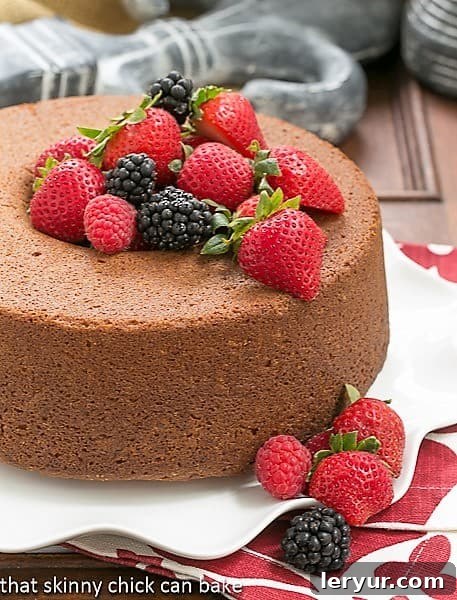
Achieving the perfect moist pound cake with that signature dense, fine crumb is an art, but one that’s easily mastered with a few expert tips. Follow these guidelines to ensure your vanilla pound cake turns out flawlessly every time:
- Harness the Power of Your Mixer: If you own a stand mixer, always use the paddle attachment for pound cake batter. The paddle attachment is designed to cream ingredients without incorporating excessive air, which is crucial for achieving the characteristic tight, dense crumb of a traditional pound cake. Over-aerating the batter with a whisk attachment can result in a more open, fluffy texture, which is lovely for other cakes but not for a classic pound cake.
- Precision in Flour Measurement: Accurate flour measurement is paramount to prevent a dry, crumbly cake. Avoid scooping flour directly from its container, as this can compact it significantly, leading to too much flour in your recipe. Instead, gently spoon the flour into your measuring cup until it overflows, then level it off with the straight edge of a knife or an offset spatula. This “spoon and level” method ensures you get the correct amount every time.
- The Golden Rule of Room Temperature Ingredients: This tip cannot be stressed enough. Ensure your eggs and milk are at room temperature. Cold ingredients can cause the butter to stiffen or curdle when added, creating an inconsistent batter that separates easily. Room temperature ingredients, on the other hand, emulsify smoothly and uniformly, resulting in a perfectly blended batter that bakes evenly and yields a tender, moist cake.
- Mastering the Mixing Sequence: Follow the recipe’s instructions meticulously regarding the order and duration of mixing each ingredient. The creaming of butter and sugar until light and fluffy, the slow addition of eggs to maintain emulsion, and the alternating additions of dry and wet ingredients are all critical steps. This careful process builds the cake’s structure and ensures that fine, dense crumb that makes pound cake so irresistible.
- Adjusting for Salted Butter: While unsalted butter is preferred for precise salt control, if you only have salted butter on hand, you can still proceed. Simply reduce the amount of added salt in the recipe by ¼ teaspoon per stick (½ cup) of salted butter used.
- Pan Preparation is Key: Even if you’re using a high-quality nonstick tube pan, proper preparation is essential to prevent sticking and ensure your beautiful cake releases cleanly. Always thoroughly butter the interior of the pan, making sure to get into all crevices if using a Bundt pan. Then, dust it evenly with flour, tapping out any excess. This creates a protective barrier that guarantees an easy release and a pristine cake exterior.
- Don’t Overbake: Overbaking is the fastest way to a dry pound cake. Begin checking for doneness about 10-15 minutes before the minimum bake time. Insert a wooden skewer or toothpick into the deepest part of the cake. When it comes out clean, with no wet batter clinging to it, your cake is done.
- Cooling with Patience: Allow the cake to cool in the pan on a wire rack for about 10-15 minutes. This resting period allows the cake to firm up slightly, making it less fragile when inverted. After this initial cooling, carefully invert the cake onto the wire rack to cool completely to room temperature. Cooling on a rack allows air circulation, preventing the bottom from becoming soggy.
Understanding Pound Cake: A Brief History and Baking Science
The history of pound cake is as rich and comforting as its flavor. Originating in 18th-century Europe, the traditional recipe famously called for a pound each of butter, sugar, flour, and eggs – hence its name. This simple, balanced ratio yielded a dense, sturdy, and richly flavored cake that was easy to remember and stood the test of time. Over centuries, variations emerged, incorporating leavening agents like baking powder and buttermilk for a slightly lighter texture, but the core essence of a rich, butter-laden cake remained.
From a baking science perspective, the magic of pound cake lies in the creaming method. When butter and sugar are beaten together, air pockets are incorporated into the mixture. These air pockets expand during baking, creating a tender, uniform crumb. The slow addition of eggs emulsifies the fat and liquid, contributing to the cake’s structure and moisture. The absence of a significant chemical leavener (or only a small amount, as in modern recipes) means that the cake relies heavily on this mechanical aeration and the protein in the eggs to rise, resulting in its characteristic dense, close-grained texture that is distinct from a fluffy sponge cake.
Creative Serving Suggestions for Your Vanilla Masterpiece
While a slice of our Vanilla Pound Cake is exquisite on its own, its versatility truly shines when paired with complementary flavors and textures. Here are some inspiring ideas to elevate your serving experience:
- Classic Berry Bliss: Emphasize the fresh flavors of the season. Serve slices with a generous pile of mixed berries (strawberries, blueberries, raspberries), perhaps lightly macerated with a touch of sugar and lemon juice, alongside a dollop of freshly whipped cream or a scoop of vanilla bean ice cream.
- Decadent Chocolate Dream: For chocolate lovers, a warm drizzle of homemade fudge sauce or a glossy chocolate ganache takes this cake to a new level of indulgence. A sprinkle of sea salt can enhance the chocolate notes beautifully.
- Citrusy Zest: Brighten the rich vanilla with a tangy lemon curd or a simple citrus glaze made from powdered sugar and fresh lemon or orange juice. A grating of fresh citrus zest adds aromatic appeal.
- Caramel Indulgence: A luscious salted caramel sauce or a butterscotch drizzle provides a rich, sweet counterpoint that complements the vanilla beautifully. Chopped toasted pecans or walnuts can add a delightful crunch.
- Whipped Cream Variations: Beyond plain whipped cream, consider infusing it with flavors like almond extract, a hint of cinnamon, or even a touch of bourbon for an adult twist.
- Leftover Transformations:
- Elegant Trifles: Layer cubes of pound cake with berry compote, custard, and whipped cream in a glass bowl for a stunning presentation.
- Quick Parfaits: Individual servings of layered cake, yogurt or pudding, and fruit make for an easy and delicious dessert.
- Pound Cake French Toast: Thick slices of day-old pound cake dipped in an egg batter and pan-fried make for an incredibly rich and satisfying breakfast or brunch.
- Bread Pudding: Cubed pound cake can replace regular bread in your favorite bread pudding recipe for an extra decadent twist.
Frequently Asked Questions About Vanilla Pound Cake
The traditional pound cake recipe, popular in the 18th century, famously called for one pound each of butter, sugar, flour, and eggs. This simple, equal ratio made it easy to remember and explain, and it yielded a dense, rich cake that quickly became a beloved classic. While modern recipes often deviate slightly from these exact proportions and include leavening agents, the name “pound cake” has stuck to describe this distinct style of cake.
Ensuring a moist pound cake involves a few critical steps. First, do not overbake! Start checking your cake for doneness 10-15 minutes before the specified bake time. The moment a toothpick or wooden skewer inserted into the center comes out clean, the cake is done. Overbaking, even by a few minutes, can significantly dry out your cake. Secondly, precise ingredient measurement, especially flour, is crucial. Following the specific mixing instructions is also vital: properly creaming the butter and sugar to incorporate air, slowly adding room temperature eggs to maintain emulsion, and alternating dry and wet ingredients will all contribute to a tender, moist crumb. Using room temperature ingredients ensures a smooth, well-emulsified batter that bakes evenly.
For optimal freshness, leftover pound cake should be wrapped tightly in plastic wrap or stored in an airtight container to prevent it from drying out. At room temperature, a properly stored pound cake will remain fresh and delicious for about 5-7 days. For longer storage, pound cake freezes exceptionally well. Wrap individual slices or the whole cake tightly in plastic wrap, then an additional layer of aluminum foil, and freeze for up to 2 months. To serve, simply defrost overnight in the refrigerator, then bring to room temperature before enjoying. This method ensures your cake remains moist and flavorful.
While unsalted butter is generally recommended for baking to give you precise control over the salt content, you can use salted butter in a pinch. If you do, remember to decrease the amount of added salt in the recipe. A good rule of thumb is to reduce the recipe’s salt by about ¼ teaspoon for every stick (or ½ cup) of salted butter used. Be aware that the flavor profile might be slightly different, but the cake will still be delicious.
A dry pound cake is most commonly caused by overbaking or using too much flour due to improper measurement. To avoid this, always use the “spoon and level” method for flour and test for doneness with a toothpick. A cake that is overly dense (beyond the typical pound cake density) can result from overmixing the batter once the flour is added, which overdevelops gluten and makes the cake tough. It can also be caused by ingredients being too cold, leading to poor emulsification, or inactive baking powder. Ensuring all ingredients are at room temperature and following mixing times closely will help achieve the desired tender, dense crumb.
Explore More Irresistible Pound Cake Recipes
If you’ve fallen in love with the classic charm of this Vanilla Pound Cake, you’re in for a treat! The world of pound cakes is incredibly diverse, offering a range of flavors and textures to explore. Here are some other fantastic pound cake recipes and variations to try:
- Apple Pound Cake from Julie Blanner: A delightful seasonal twist, perfect for fall.
- Key Lime Pound Cake: Zesty and refreshing, bringing a taste of the tropics to your table.
- Sour Cream Pound Cake: Known for its extra moist crumb and rich flavor, thanks to the sour cream.
- Whipping Cream Pound Cake: An incredibly tender and rich pound cake, a true indulgence.
- Discover more of the Best Cake Recipes for every occasion.
Stay in touch and share your baking creations! You can find me on social media: Instagram, Facebook, and Pinterest. Don’t forget to tag me when you try one of my recipes! If you loved this Vanilla Pound Cake, please consider leaving a 5-star rating in the recipe card below – your feedback means the world!
Classic Vanilla Pound Cake Recipe
20 minutes
1 hour 5 minutes
1 hour 25 minutes
12 servings
This classic vanilla pound cake is dense, exquisitely delicious, and incredibly versatile. Perfect on its own or with your favorite toppings.
Ingredients
- 3 cups all-purpose flour
- 2 teaspoons baking powder
- ½ teaspoon fine sea salt
- 2 sticks (8 oz each) unsalted butter, at room temperature
- 2 cups granulated sugar
- 3 large eggs, at room temperature, lightly whisked
- 1 cup milk (2% or whole milk), at room temperature
- 2 teaspoons pure vanilla extract
Instructions
- In a medium bowl, whisk together the flour, baking powder, and salt. While sifting is an option for a finer texture, it’s not strictly necessary for a delicious pound cake.
- In the bowl of a stand mixer fitted with the paddle attachment (or using a handheld mixer), beat the softened butter at medium speed until smooth and creamy. Gradually add the granulated sugar in a steady stream with the machine running. Scrape down the sides of the bowl as needed. Continue to beat until the mixture is light, fluffy, and pale in color, typically 4 to 5 minutes. This step is crucial for incorporating air.
- With the mixer still running at medium speed, add the lightly whisked eggs in small additions, about a tablespoon at a time. Allow each addition to fully incorporate before adding the next. If the mixture appears watery or begins to separate, stop adding eggs and beat for another minute until it comes back together. Scrape down the sides of the bowl as needed. The mixture is properly combined when it’s homogenous, appears slightly white, fluffy, and has increased in volume.
- Reduce the mixer speed to low. Gradually add the dry flour mixture and the room temperature milk alternately, starting and ending with the flour. Add about ¼ of the flour mixture, mix until just combined, then add ⅓ of the milk, mix until just combined. Repeat this sequence until all the flour and milk are incorporated (4 additions of flour, 3 of milk). Be careful not to overmix; mix only until the batter is smooth after each addition. Scrape down the sides of the bowl frequently.
- Finally, add the pure vanilla extract and mix on low speed just until blended into the batter. Do not overmix.
- Pour the batter evenly into a well-buttered and floured 10-inch tube pan or Bundt pan. Smooth the top with a spatula. Bake in a preheated oven at 350°F (175°C) for 55 to 65 minutes, or until a wooden skewer or toothpick inserted into the center comes out clean.
- Once baked, remove the pan from the oven and let the cake cool in the pan on a wire rack for 10-15 minutes. This allows the cake to set and firm up before unmolding.
- After cooling in the pan, carefully invert the cake onto the wire rack to cool completely to room temperature. This typically takes 1-2 hours.
- Serve the Classic Vanilla Pound Cake in thin slices, plain or with your favorite toppings.
Notes
Recipe adapted from a classic method, inspired by Flo Braker’s techniques in “Baking with Julia.”
Baking Powder Freshness: Always ensure your baking powder is fresh for optimal rise. Test it by adding a spoonful to hot water; it should fizz vigorously.
Butter Substitution: If using salted butter instead of unsalted, decrease the amount of added salt in the recipe by ¼ teaspoon per stick of butter used to maintain flavor balance.
Room Temperature Ingredients: For the best results, ensure all cold ingredients like butter, eggs, and milk are at room temperature before you begin. This allows them to emulsify correctly, creating a smooth batter and a perfectly textured cake.
Recommended Baking Tools
As an Amazon Associate and member of other affiliate programs, I earn from qualifying purchases.
- Non-stick Tube Pan
- 10-Inch Wire Whisk
- KitchenAid Stand Mixer
Nutrition Information:
Yield:
12
Serving Size:
1 slice
Amount Per Serving:
Calories: 290Total Fat: 4gSaturated Fat: 2gTrans Fat: 0gUnsaturated Fat: 2gCholesterol: 53mgSodium: 223mgCarbohydrates: 59gFiber: 1gSugar: 33gProtein: 6g