
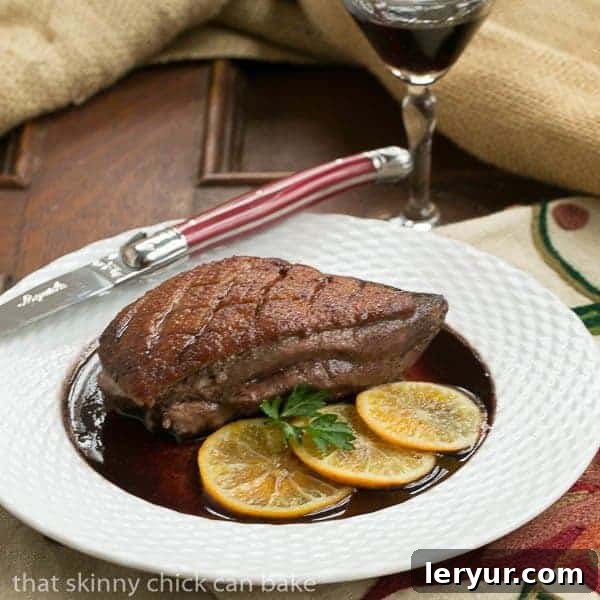
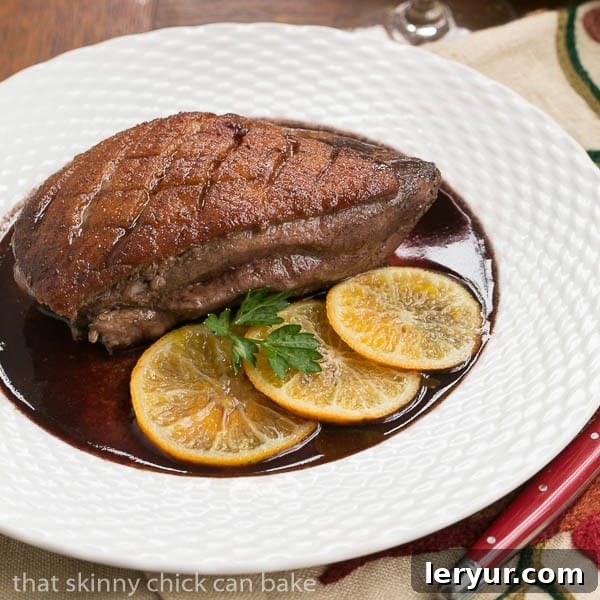
Elevate your holiday dining experience with this exquisite recipe for Pan Seared Duck Breasts with Clementines and a Red Wine Sauce. Featuring perfectly rendered crispy skin, tender meat, and a gourmet sauce, this dish promises a restaurant-worthy culinary adventure right in your home.
While the classic pairing for duck often involves orange, this particular Duck Breast Recipe introduces the bright, sweet-tart notes of clementines, creating an equally delicious and refreshingly unique flavor profile.
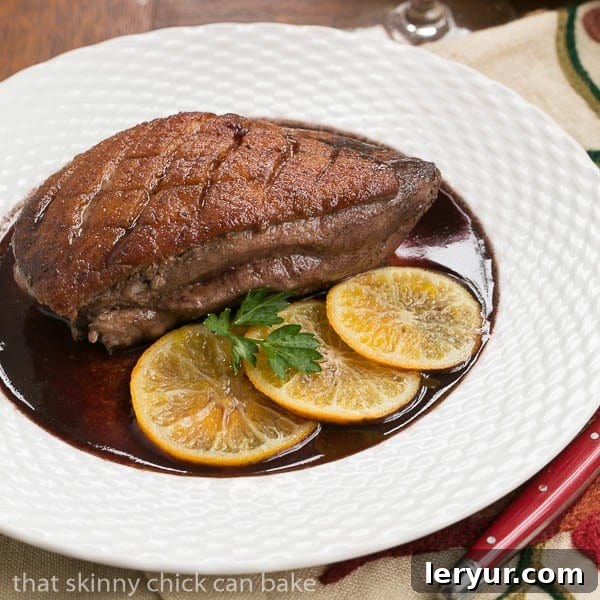
Why You Must Make This Pan-Seared Duck Breast Recipe
Cooking duck at home might seem daunting, but with the right techniques and a reliable recipe, it becomes an achievable and incredibly rewarding culinary feat. This particular pan-seared duck breast recipe stands out for several compelling reasons:
- Expertly Crafted by Dorie Greenspan: This recipe comes from the esteemed Dorie Greenspan, a culinary icon known for developing sophisticated yet accessible dishes. Her methods ensure fantastic results, even for home cooks embarking on their first duck adventure.
- Impressive & Elegant for Any Occasion: Whether you’re hosting a holiday dinner, celebrating an anniversary, or simply want to treat yourself to something extraordinary, this duck dish delivers. Its vibrant presentation and rich flavors make it a showstopper, guaranteeing rave reviews from your guests.
- Achieve Perfectly Crispy Skin and Tender Meat: The primary goal when cooking duck breast is to render off the excess fat, resulting in incredibly crispy skin while keeping the meat succulent and tender, ideally medium-rare. This recipe guides you through the process flawlessly, ensuring that coveted balance of textures and flavors.
- A Unique Flavor Combination: Moving beyond traditional orange, the use of clementines introduces a delicate sweetness and tang that beautifully cuts through the richness of the duck, complemented by a luxurious red wine sauce. It’s a sophisticated twist that truly elevates the dish.
Mastering Pan-Seared Duck Breast: Essential Tips and Techniques
Achieving culinary perfection with pan-seared duck breast hinges on a few crucial steps. Follow these expert tips to ensure your dish is nothing short of magnificent, featuring that sought-after crispy skin and tender, flavorful meat:
- Choose the Right Duck Breast: For the best results, Dorie Greenspan specifically recommends Muscovy duck breasts. These are typically leaner and have a superior flavor profile, making them ideal for pan-searing. Ensure your duck breasts are fresh and of high quality.
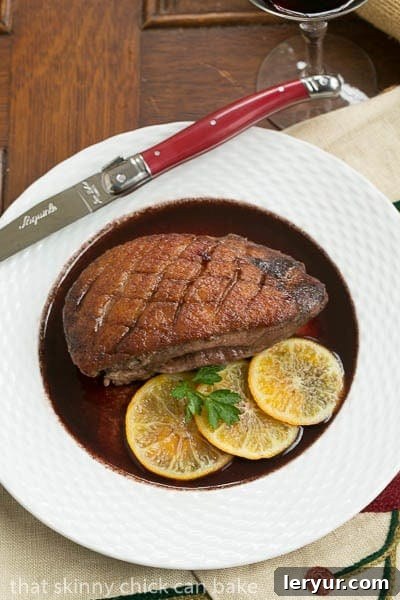
- Scoring the Skin is Key: Before cooking, carefully score the duck skin in a diamond or crosshatch pattern. Use a very sharp knife to cut through the fat layer without piercing the meat underneath. This crucial step allows the fat to render more efficiently, leading to wonderfully crispy skin and preventing the breast from curling during cooking. A ¾-inch crosshatch pattern is recommended for optimal rendering and an elegant appearance.
- The Art of Rendering Fat: Place the duck breasts skin-side down in a cold pan (or a Dutch oven, as Dorie suggests, to minimize splatter). Gradually bring the heat to medium-high. Cooking slowly at this initial stage allows the fat to slowly melt and render out. This process, which can take around 8 minutes, is what transforms the skin from flabby to golden brown and irresistibly crisp.
- Utilize a Dutch Oven for Less Splatter: Duck breast, especially when rendering fat, can create some splatter. Dorie Greenspan wisely recommends using a Dutch oven for pan-searing. Its higher sides help contain any oil splatters, making for a cleaner cooking experience without compromising on the crispness of the skin.
- Achieving Perfect Doneness: Duck is best served rare to medium-rare. Once the skin is beautifully crisp and browned, flip the breasts and cook for an additional 3-6 minutes, depending on your desired doneness and the thickness of the breast. The most accurate way to check is with a meat thermometer.
- Resting is Non-Negotiable: After cooking, transfer the duck breasts to a cutting board and let them rest for at least 5-10 minutes before slicing. This allows the juices to redistribute throughout the meat, ensuring every slice is tender and moist.
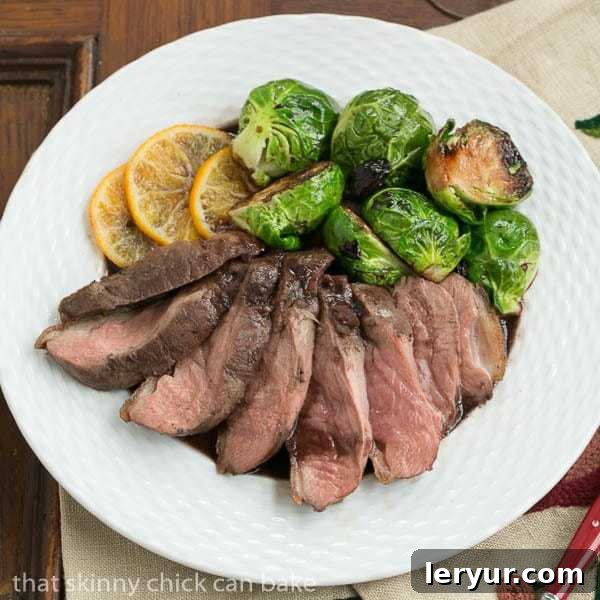
- Elegant Presentation: To serve, slice the duck breasts on the diagonal into ½-inch thick pieces. Fan them out beautifully on individual plates, then drizzle generously with the rich red wine sauce and garnish with the candied citrus. This presentation elevates the dish to a true culinary masterpiece.
When the original recipe called for candied kumquats, I faced a delightful dilemma. Kumquats, with their unique sweet-tart bite, are fantastic, but they can be challenging to procure outside of their season or specific regions. Fortunately, Dorie Greenspan’s genius lies in her adaptability. She suggests that other citrus can be used, such as oranges or clementines. So, for those times when kumquats are elusive, the readily available clementine steps in beautifully. Tangerines also make an excellent substitute, offering a similar sweetness and bright acidity. The goal is to provide that vibrant citrus counterpoint to the rich duck, and clementines deliver perfectly.
The mention of “clementine” always brings a smile to my face, evoking fond memories of my dad. He would often croon the beloved tune “Oh, my darling, Clementine” when the mood struck. It was one of his favorite songs, a charming alternative to some of the less-savory college ditties he knew. But I digress from culinary tales to family anecdotes!
How to Make Pan-Seared Duck Breasts with Clementine Red Wine Sauce
This remarkable duck recipe, a treasured find from Dorie Greenspan’s “Around My French Table,” is the third duck dish we’ve perfected from her collection. It demystifies what many consider a complex meal, making it approachable and incredibly rewarding.
Crafting the Aromatic Red Wine Sauce:
The accompanying red wine sauce is a masterpiece of flavor, forming the perfect complement to the rich duck. It begins with a careful reduction of fruity red wine, such as Beaujolais, combined with finely chopped shallots, balsamic vinegar, and the warm, pungent notes of crushed black peppercorns and coriander seeds. This initial reduction concentrates the flavors into a robust base. Fresh orange juice is then introduced, adding brightness, followed by low-salt chicken broth, which is further reduced to achieve a velvety, intense sauce. The aroma alone is utterly heavenly, hinting at the gourmet experience to come.
Pan-Searing the Duck Breasts to Perfection:
Dorie’s method for cooking the duck breast is truly foolproof. Begin by meticulously scoring the duck skin in a ¾-inch diamond pattern, being careful not to cut into the meat. Season generously with salt and pepper. Place the duck breasts, skin-side down, in a cold Dutch oven or heavy-bottomed skillet, then turn the heat to medium-high. This gradual heating allows the fat to render slowly and thoroughly, resulting in incredibly crispy, golden-brown skin, typically taking about 8 minutes. Once the skin is perfectly crisp, flip the breasts and cook for another 3-6 minutes for rare to medium-rare doneness, aiming for an internal temperature of 130°F. My husband, our resident duck enthusiast, proclaimed this dish “fabulous,” a testament to its impeccable execution.
Finishing Touches and Elegant Presentation:
Once cooked, transfer the duck breasts to a warm oven (250°F) to rest while you finish the sauce. Crucially, don’t discard all the rendered duck fat! Reserve about two tablespoons in the skillet. This flavorful fat forms the base for thickening the sauce, which is then combined with the pre-prepared red wine reduction and, if using, a touch of reserved kumquat syrup. Boil this mixture until it thickens to a luscious, ¾-cup consistency. Slice the rested duck breasts crosswise into ½-inch-thick slices. Arrange these slices elegantly, fanned out on individual plates, drizzle with the exquisite red wine sauce, garnish with candied kumquats (or clementines), and a sprinkle of additional crushed peppercorns. This presentation is as delightful as the taste.
If your family appreciates the fine flavors of duck, this recipe is a must-add to your holiday menu. And if you’re fortunate, you might even catch it during kumquat season for that authentic touch!
Frequently Asked Questions About Cooking Duck Breast
The most reliable method for checking doneness is with an instant-read meat thermometer. Dorie Greenspan recommends an internal temperature of 130°F for medium-rare duck, which is generally considered ideal for tenderness and flavor. While recipes often provide time guidelines, duck breast sizes can vary, and its starting temperature (room temperature vs. refrigerated) will affect cooking time. A good rule of thumb is that approximately three-quarters of the cooking time should be spent with the skin side down to ensure proper fat rendering and crisping.
Duck breast typically has a thick layer of fat beneath its skin. Scoring the skin, cutting through the fat but not into the meat, serves two primary purposes: it allows the fat to render more effectively during cooking, resulting in much crispier skin, and it helps prevent the duck breast from curling up in the pan, ensuring even cooking and a flatter, more appealing presentation.
A key secret to a truly flavorful duck sauce lies in utilizing the rendered duck fat. This fat is packed with rich, savory flavor. After cooking the duck, reserve about 2 tablespoons of this precious fat in the skillet. Deglazing the pan with a good quality red wine also significantly enhances the depth and complexity of the sauce. Like salt, wine acts as a wonderful flavor enhancer, deglazing the caramelized bits from the bottom of the pan to form the foundation of a luxurious sauce.
Absolutely! The red wine sauce can be prepared a day in advance. Simply follow the sauce instructions, then allow it to cool completely before storing it in an airtight container in the refrigerator. When you’re ready to serve, gently rewarm the sauce over low heat, stirring occasionally, until it reaches your desired temperature and consistency.
Pan-seared duck breast with clementine red wine sauce pairs wonderfully with a variety of side dishes. Consider rich and earthy options like creamy polenta, roasted root vegetables (carrots, parsnips, potatoes), wild rice pilaf, or even a simple potato gratin. For a fresh contrast, sautéed green beans with garlic or asparagus spears can provide a nice balance to the richness of the duck and sauce.
You May Also Like: Other Main Course Recipes
If you enjoyed this gourmet duck recipe, explore more of our favorite main course dishes perfect for any occasion:
- Filet Mignon with Red Wine Balsamic Sauce
- Rotisserie-Style Chicken
- Sheet Pan Chicken with Roasted Fall Vegetables
- Classic Roast Chicken with Mustard Potatoes
- Discover more of the Best Main Course Recipes on our site.
Stay connected with us for more delicious recipes and culinary inspiration! Follow us on Instagram, Facebook, and Pinterest. Don’t forget to tag us when you try one of our recipes! Your feedback is invaluable; if you love the results, please consider giving it a 5-star rating.
Pan Seared Duck Breasts with Clementines
10 minutes
35 minutes
45 minutes
6 servings
An elegant, restaurant-worthy duck recipe courtesy of Dorie Greenspan, featuring crispy pan-seared duck and a vibrant clementine red wine sauce.
Ingredients
- 2 ¼ cups fruity red wine, such as Beaujolais
- ¾ cup chopped shallots (about 3 large)
- 4 ½ tablespoons balsamic vinegar
- 22 whole black peppercorns, crushed
- 12 coriander seeds, crushed
- 1 cup plus 2 tablespoons fresh orange juice
- 3 cups low-salt chicken broth
- 2 large or 4 small duck breast halves with skin (Dorie recommends Muscovy duck breast halves)
- Candied kumquats (or clementines/oranges for garnish)
- Additional crushed whole black peppercorns, for serving
- Salt and freshly ground black pepper, to taste
Instructions
- Prepare the Sauce Base: In a medium saucepan, combine the Beaujolais, chopped shallots, balsamic vinegar, crushed peppercorns, and crushed coriander seeds. Bring to a boil over medium-high heat and reduce until approximately 1 ½ cups remain (about 12 minutes).
- Add Citrus: Stir in the fresh orange juice and continue to boil for another 5 minutes to further integrate the flavors.
- Add Broth and Reduce: Pour in the chicken broth and boil until the sauce is reduced to about 3 cups (approximately 15 minutes). Strain the sauce through a fine-mesh sieve into a clean bowl, discarding the solids. Set aside.
- Preheat Oven: Preheat your oven to 250°F (120°C) to keep the duck warm while you finish the sauce.
- Prepare Duck Breasts: Using a very sharp knife, score the skin of the duck breasts diagonally in a ¾-inch-wide diamond pattern, being careful not to cut into the meat. Season both sides generously with salt and freshly ground black pepper.
- Sear Skin Side: Place a Dutch oven or heavy-bottomed skillet over medium-high heat. Place the duck breasts skin-side down in the cold pan. Cook until the skin is beautifully brown and crisp, rendering much of its fat, typically about 8 minutes.
- Flip and Finish: Turn the duck breasts over and cook on the meat side until browned and a meat thermometer inserted into the thickest part registers 130°F (54°C) for medium-rare, about 6 minutes. Adjust cooking time for desired doneness (e.g., slightly longer for medium).
- Rest Duck: Transfer the cooked duck breasts to a rimmed baking sheet and place them in the preheated oven to keep warm and rest while you complete the sauce.
- Finish the Sauce: Carefully drain off most of the rendered duck fat from the skillet, reserving 2 tablespoons in the pan. Add the previously strained sauce base and 4 ½ tablespoons of reserved kumquat (or clementine) syrup (if using candied fruit) to the skillet with the duck fat. Bring to a boil and cook until the sauce is thickened and reduced to about ¾ cup, approximately 5 minutes.
- Slice Duck: Remove the rested duck breasts from the oven and slice them crosswise into ½-inch-thick pieces.
- Serve: Arrange the duck breast slices elegantly among 6 plates. Drizzle generously with the rich red wine sauce, garnish with candied kumquats or fresh clementine slices, and sprinkle with additional crushed peppercorns for a final flourish. Serve immediately.
Notes
This recipe is adapted from “Around My French Table” by Dorie Greenspan, a renowned cookbook for delicious and accessible French cuisine.
The red wine sauce can be prepared up to a day in advance. Store it in the refrigerator and gently rewarm it on the stovetop before serving.
HOW MUCH DID YOU LOVE THIS RECIPE?
Please leave a comment on the blog or share a photo on Pinterest
This magnificent recipe, a testament to Dorie Greenspan’s culinary prowess, can be found in her acclaimed cookbook, “Around My French Table,” and is also viewable and printable from Epicurious.

Skinny Tip: Maintain Your Health During the Holidays
As part of an ongoing series, I share practical “Skinny Tips” based on frequent inquiries about maintaining a healthy lifestyle. These insights aim to help you navigate dietary choices without sacrificing enjoyment. Look for more tips in upcoming posts, or click on the #SkinnyTip tag to explore all my previous advice.
Tip #49: With Thanksgiving and other festive celebrations just around the corner, it’s the perfect time to revisit our healthy eating habits. If you’re indulging in a slice of delicious pumpkin pie (or apple, chocolate, or pecan), consider eating just the filling and skipping the crust. This simple choice can significantly reduce calorie intake without completely depriving you of the holiday spirit. Remember, the primary goal during the holidays is often to maintain your weight, not necessarily to lose it. Small adjustments can make a big difference!