
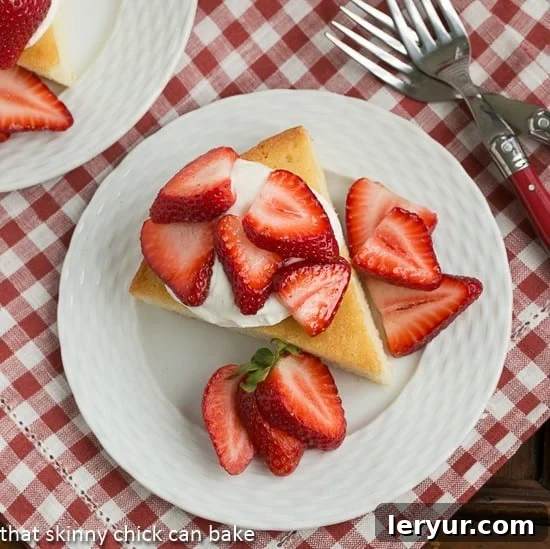
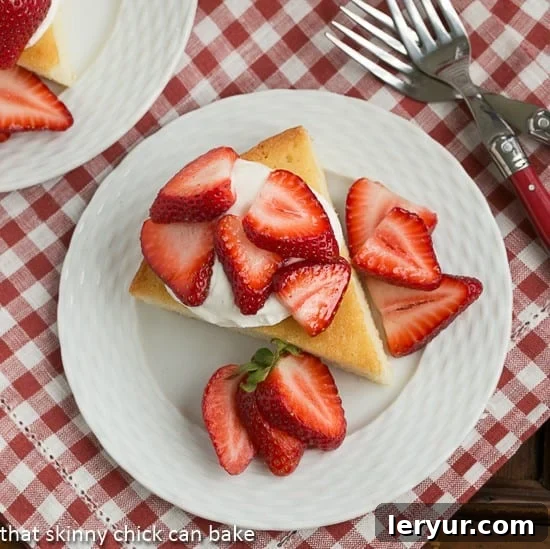
The French Visitandine Cake: A delicate, vanilla-infused sponge cake, effortlessly crowned with a vibrant medley of fresh berries and luscious cream. This exquisite French pastry offers a sublime and elegant alternative to the traditional biscuit shortcake, promising a truly memorable dessert experience.
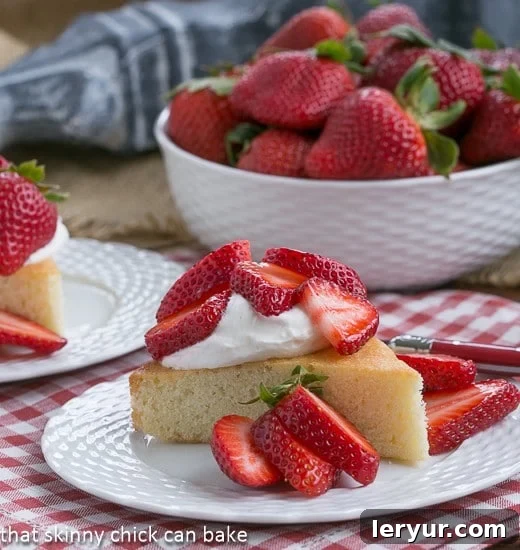
The Exquisite French Visitandine Cake: A Simple Yet Sophisticated Vanilla Sponge Perfection
Venturing into the world of French patisserie can often seem daunting, filled with intricate techniques and exotic ingredients. However, some French desserts brilliantly demonstrate that elegance can be found in simplicity. The Visitandine cake is a shining example. If you’ve ever wondered about this intriguing name and what makes this cake so special, you’re in for a delightful discovery. Far from being a complex creation, the Visitandine is a testament to the power of high-quality ingredients and a straightforward method, resulting in a cake that is both approachable for the home baker and utterly captivating for any connoisseur.
Discovering the Visitandine: France’s Elegant Sponge Cake
The name “Visitandine” often sparks curiosity, and rightfully so. This charming cake takes its name from the Order of the Visitation of Holy Mary, a Catholic religious order founded in France. Legend has it that these nuns, known as Visitandines, developed or popularized this particular cake. What defines a Visitandine is its exquisite simplicity: a fine-crumb sponge cake, primarily flavored with the rich notes of butter and the aromatic essence of vanilla. It’s a cake that doesn’t rely on flashy adornments but rather on the purity and balance of its core components.
Historical Roots and the Financier Connection
Historically, the Visitandine shares a close kinship with another beloved French almond cake, the Financier. In fact, over time, the distinct identity of the Visitandine has largely merged with that of the Financier. Both are small, often rectangular cakes, traditionally made with egg whites, butter (often browned), flour, and almond flour. The primary distinction used to lie in the Financier’s inclusion of ground almonds, which the classic Visitandine typically omitted, focusing purely on a vanilla and butter sponge. However, modern interpretations often blur these lines, with many considering the terms somewhat interchangeable or the Visitandine as a particular type of Financier. This evolution speaks to the enduring appeal of these simple, rich, and moist little cakes.
When my first “French Fridays with Dorie” assignment for April involved a Visitandine, I admit to a moment of trepidation. But as is often the case with Dorie Greenspan’s brilliant recipes, my worries were quickly assuaged. Her rendition of the Visitandine, served layered with fresh cream and an abundance of ripe berries, presented itself as an irresistible alternative to the common strawberry shortcake. This unique serving style immediately sold me on its potential, and I knew it would be a guaranteed hit with my family, especially my husband, Bill.
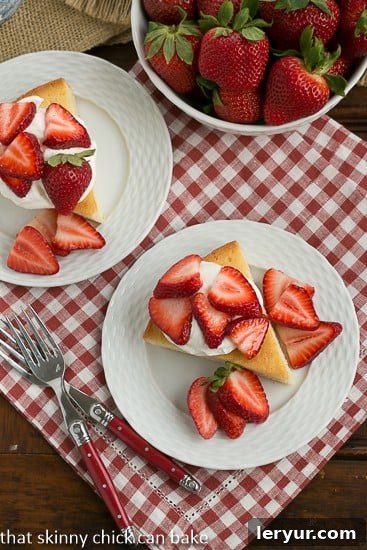
The Allure of Simplicity: Why a Vanilla Cake Captivates
In a culinary landscape often dominated by elaborate desserts, there’s a profound beauty in a perfectly executed simple vanilla cake. The Visitandine, at its heart, is just that. It celebrates the nuanced flavors of its core ingredients, allowing the delicate sweetness of vanilla and the rich aroma of butter to shine without overwhelming the palate. This understated elegance makes it incredibly versatile and universally appealing.
Beyond the Basics: Elevating the Vanilla Experience
Recently, when preparing a meal for friends who preferred something not overly rich, I opted to include a few slices of this exquisite vanilla gâteau. I served it alongside beautifully macerated berries, allowing their natural juices to mingle with the cake’s fine crumb. At home, I often elevate this already lovely vanilla cake by offering a side of lightly sweetened whipped cream, transforming it into a more decadent, yet still balanced, treat.
The beauty of the Visitandine lies in its adaptability. It can be a humble accompaniment to a cup of tea or coffee, a simple dessert dusted with powdered sugar, or a show-stopping centerpiece when adorned with the right embellishments. Its pure flavor profile ensures it complements a wide array of toppings and sauces without ever being overshadowed.
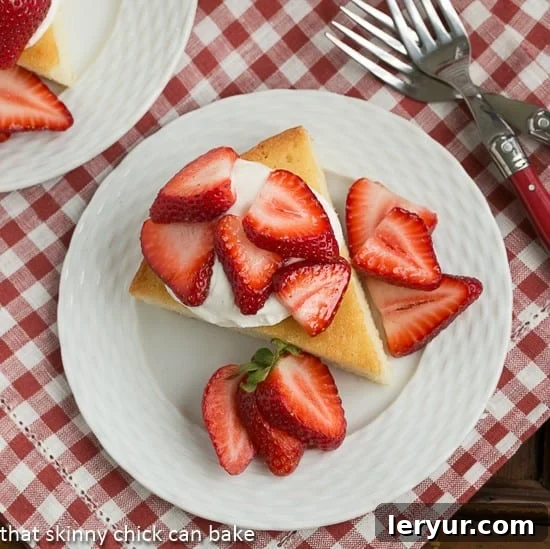
Baking the Perfect Visitandine: Essential Tips for Success
While the Visitandine is a simple cake, achieving its signature fine crumb and delicate flavor requires attention to detail, particularly regarding ingredient quality and technique. Following these expert tips will ensure your Visitandine turns out perfectly every time, delighting everyone who tastes it.
The Power of Premium Ingredients
With only a handful of ingredients in this recipe, the quality of each component becomes paramount. This is not the time to skimp. Investing in the best butter and vanilla extract you can find will profoundly impact the final taste and texture of your cake.
- European Butter: If available, seek out European-style butter. Its higher fat content and often cultured flavor contribute to a richer taste and a more tender crumb, characteristic of authentic French baking. The difference is palpable.
- Premium Vanilla Extract: Forget imitation vanilla. Opt for pure vanilla extract, or even better, a vanilla bean paste for visible flecks and a more complex aroma. Good vanilla is not just a background note; it’s a star in a cake like the Visitandine.
Mastering the Beurre Noisette Technique
For an added layer of sophistication and depth, consider browning your butter. This technique, known as beurre noisette in French, involves gently cooking the butter until the milk solids toast and turn a beautiful golden-brown, releasing a wonderfully nutty aroma. This subtle undertone complements the vanilla perfectly, elevating the cake’s flavor profile from delightful to truly extraordinary.
Achieving the Ideal Texture: Egg Whites and Folding
The Visitandine’s characteristic fine crumb relies heavily on the proper handling of egg whites. Ensure your egg whites are at room temperature before whipping; this allows them to incorporate more air and achieve better volume. Whip them until they form firm, glossy peaks – not dry, stiff peaks, as this can make them harder to fold in and result in a drier cake. The gentle folding of the whipped egg whites into the batter is crucial. This step is about preserving as much air as possible, which contributes to the cake’s light, airy, and delicate texture. Overmixing will deflate the whites and compromise the crumb.
Troubleshooting Common Baking Queries
- Why is my cake dry? Overbaking is a common culprit. Keep a close eye on your oven and start checking for doneness at the lower end of the recommended baking time. Also, ensure your ingredients, especially egg whites, are handled gently.
- My cake stuck to the pan! Proper pan preparation is key. Thoroughly butter your pan and line it with parchment paper, then butter the parchment as well. This creates a non-stick barrier that ensures an easy release.
- Can I use a different pan size? Yes, but be mindful of baking times. If using a pan larger than 10 inches, the cake will be thinner and will require less cooking time. Always monitor for visual cues of doneness.
My husband, Bill, was absolutely effusive about this dessert, gushing with praise. Words like “darned good,” “terrific,” “tasty,” and “fabulous” were uttered with enthusiastic conviction. He even had the audacity to declare it superior to the biscuit version of strawberry shortcake I’ve been perfecting for decades! Such a ringing endorsement unequivocally confirms that this cake is a genuine winner, whether presented simply with a dusting of powdered sugar or transformed into a lavish strawberry shortcake masterpiece.
Serving Your Visitandine: From Classic Shortcake to Gourmet Dessert
The Visitandine cake’s delicate flavor and tender crumb make it a perfect canvas for a variety of serving styles, allowing it to adapt to any occasion, from a casual family treat to an elegant dinner party dessert.
A Versatile Canvas for Seasonal Flavors
While the classic pairing with strawberries and whipped cream is undeniably superb, the Visitandine’s subtle vanilla and butter notes welcome an array of seasonal fruit accompaniments. Imagine it with plump blueberries and a lemon curd in spring, macerated peaches and a touch of créme fraîche in summer, or even roasted apples with a hint of cinnamon in the fall. For a truly indulgent touch, I often recommend topping each slice with a decadent white chocolate whipped cream, adding another layer of creamy sweetness that perfectly complements the fruit and cake. A simple dusting of confectioners’ sugar is also a timeless and elegant presentation that allows the cake’s inherent qualities to shine.
The Ultimate Alternative to Biscuit Shortcake
For those who adore the concept of a strawberry shortcake but desire a lighter, more refined texture than a biscuit, the Visitandine is the ideal solution. Its sponge-like consistency readily absorbs the juices of macerated berries, creating a moist and flavorful bite without becoming soggy. The subtle sweetness of the cake provides a beautiful counterpoint to the fresh, tart fruit, making for a sophisticated and incredibly satisfying dessert that feels both familiar and refreshingly new.
Explore More Delectable Desserts
If the delightful Visitandine has ignited your passion for fruit-centric or French-inspired baking, there’s a world of sweet treats waiting to be explored. When strawberries are perfectly ripe and intensely fragrant, you’ll undoubtedly revel in the creamy decadence of this Strawberry Cream Pie. For those seeking a lighter, airier option, these elegant Strawberry Soufflés offer a cloud-like texture and intense strawberry flavor. And for a truly impressive presentation, this stunning Strawberry Filled Meringue Roulade combines crisp meringue with a luscious strawberry filling. Don’t forget to delve into our broader collection of Cake Recipes to satisfy any sweet tooth craving!
Elegant Visitandine Cake
15 minutes
38 minutes
53 minutes
8 servings
A beautifully simple French vanilla cake distinguished by its wonderfully fine and tender crumb. Perfect on its own or as a base for fruit and cream.
Ingredients for Visitandine Cake
- 4 large egg whites, at room temperature (essential for volume)
- 3/4 cup all-purpose flour
- 2/3 cup granulated sugar
- Pinch of fine sea salt
- 7 tablespoons unsalted butter, melted and slightly cooled (or browned for a nutty flavor)
- 1 teaspoon pure vanilla extract (premium quality recommended)
Step-by-Step Instructions
- Preheat your oven to 350 degrees Fahrenheit (175°C).
- Prepare a 10-inch round cake pan by thoroughly buttering it, then lining the bottom with a circle of parchment paper. Butter the parchment paper as well to ensure a clean release.
- In the bowl of a stand mixer fitted with the whisk attachment, or using a large bowl and a hand mixer, whip the room-temperature egg whites until they form firm but still glossy peaks. Be careful not to over-whip them into dry, brittle peaks.
- In a separate medium bowl, whisk together the flour, granulated sugar, and salt until well combined. Gradually pour in the melted and slightly cooled butter (or browned butter), followed by the vanilla extract. Whisk thoroughly until all ingredients are just combined into a smooth batter.
- Gently incorporate half of the whipped egg whites into the batter using a whisk. Whisk them in just until combined. Then, using a whisk or a rubber spatula, delicately fold in the remaining egg whites until no streaks remain, being careful to maintain as much air as possible in the mixture.
- Pour the prepared batter into your buttered and parchment-lined 10-inch cake pan. Gently smooth the top with a spatula.
- Bake the cake for approximately 33 to 38 minutes. The cake is ready when it is lightly golden brown, springs back when gently pressed, and begins to pull away from the sides of the pan.
- Once out of the oven, immediately run a thin knife or metal spatula around the inside edge of the pan to loosen the cake. Let the cake cool in the pan on a wire rack for about 3 minutes.
- Carefully invert the warm cake onto the wire rack. Gently remove the parchment paper from the bottom, and allow the cake to cool completely to room temperature before slicing.
- Serve your exquisite Visitandine cake as desired: with a simple dusting of powdered sugar, or elegantly topped with fresh sliced berries and a dollop of sweetened whipped cream. Enjoy!
Chef’s Notes
Note that if you use a cake pan larger than 10-inches, the batter will spread thinner, and the cake will likely require less cooking time. Always keep an eye on visual cues for doneness. Conversely, a smaller pan will result in a thicker cake, possibly requiring a slightly longer bake time. Adjust accordingly for best results.
Nutrition Information:
Yield:
8
Serving Size:
1 slice
Amount Per Serving:
Calories: 207Total Fat: 10gSaturated Fat: 6gTrans Fat: 0gUnsaturated Fat: 3gCholesterol: 27mgSodium: 124mgCarbohydrates: 26gFiber: 0gSugar: 17gProtein: 3g
How Much Did You Love This Recipe?
We’d be thrilled to hear your thoughts! Please leave a comment on the blog below, or share a photo of your beautiful Visitandine creation on Pinterest. Your feedback helps us grow!
The original recipe that inspired this delightful cake can be viewed here, or you can find it on page 436 in the acclaimed cookbook “Around My French Table” by Dorie Greenspan.