
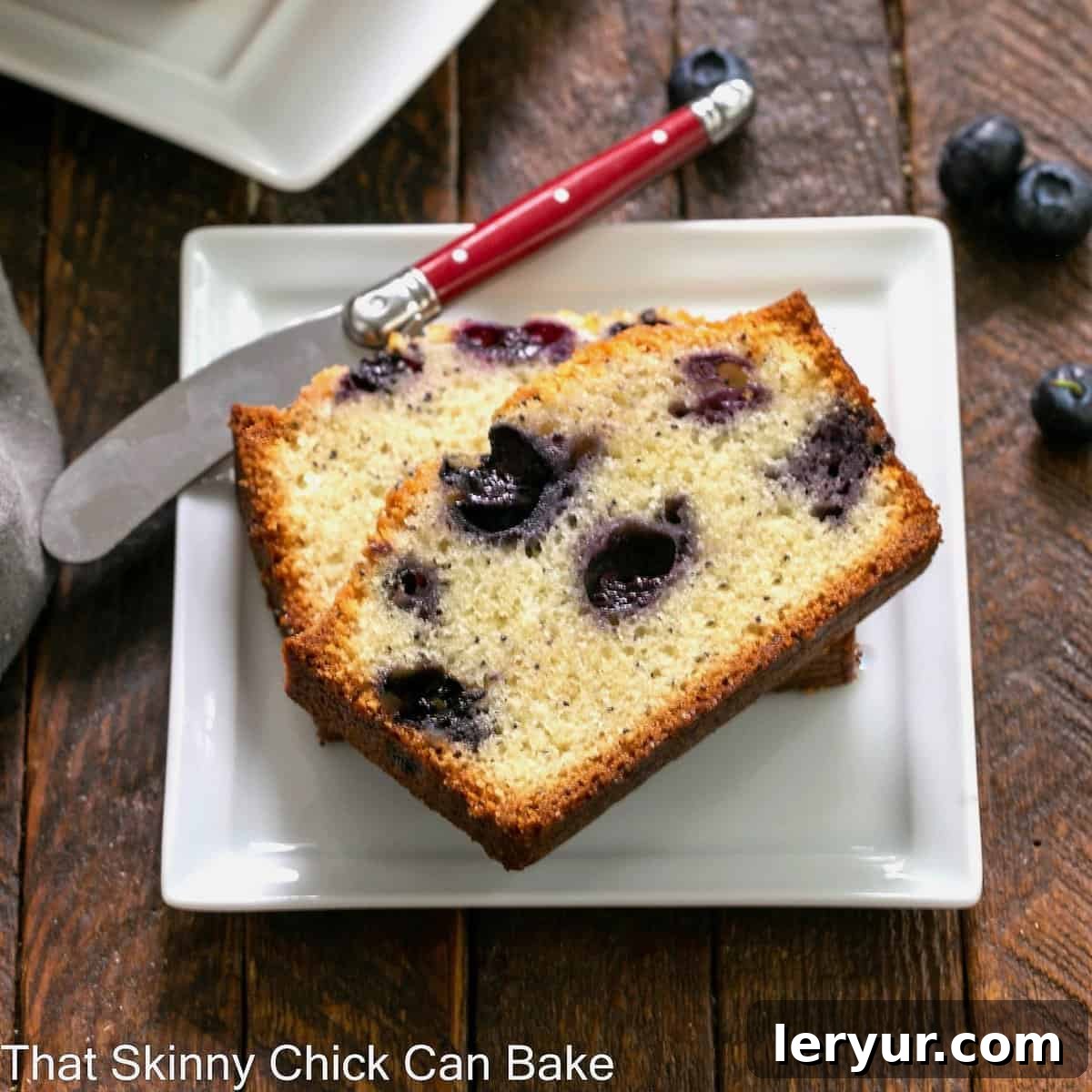
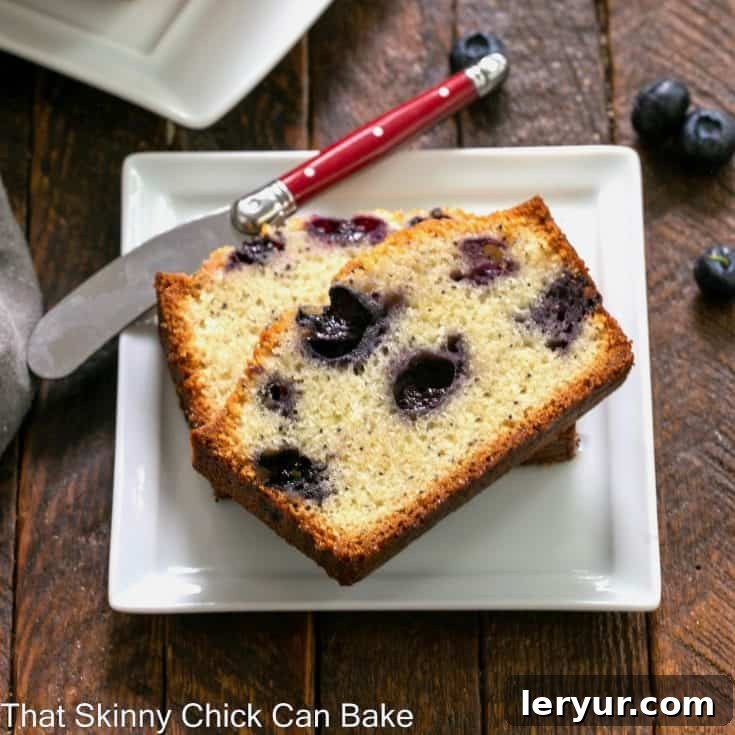
Indulge in the irresistible charm of this Poppy Seed Bread with Blueberries – a truly sweet, incredibly tender quick bread bursting with succulent, juicy berries and delightful nutty poppy seeds. Infused with a subtle hint of almond, this recipe transforms simple ingredients into an extraordinary treat.
Our perfected Almond Poppy Seed Bread recipe is designed to yield two generous loaves. This means you can savor one delicious loaf immediately, perhaps with your morning coffee or as an afternoon snack, and have another readily available to share with a loved one, offer as a thoughtful hostess gift, or simply freeze to enjoy a taste of summer any time of the year. Its versatility makes it a staple for any home baker.
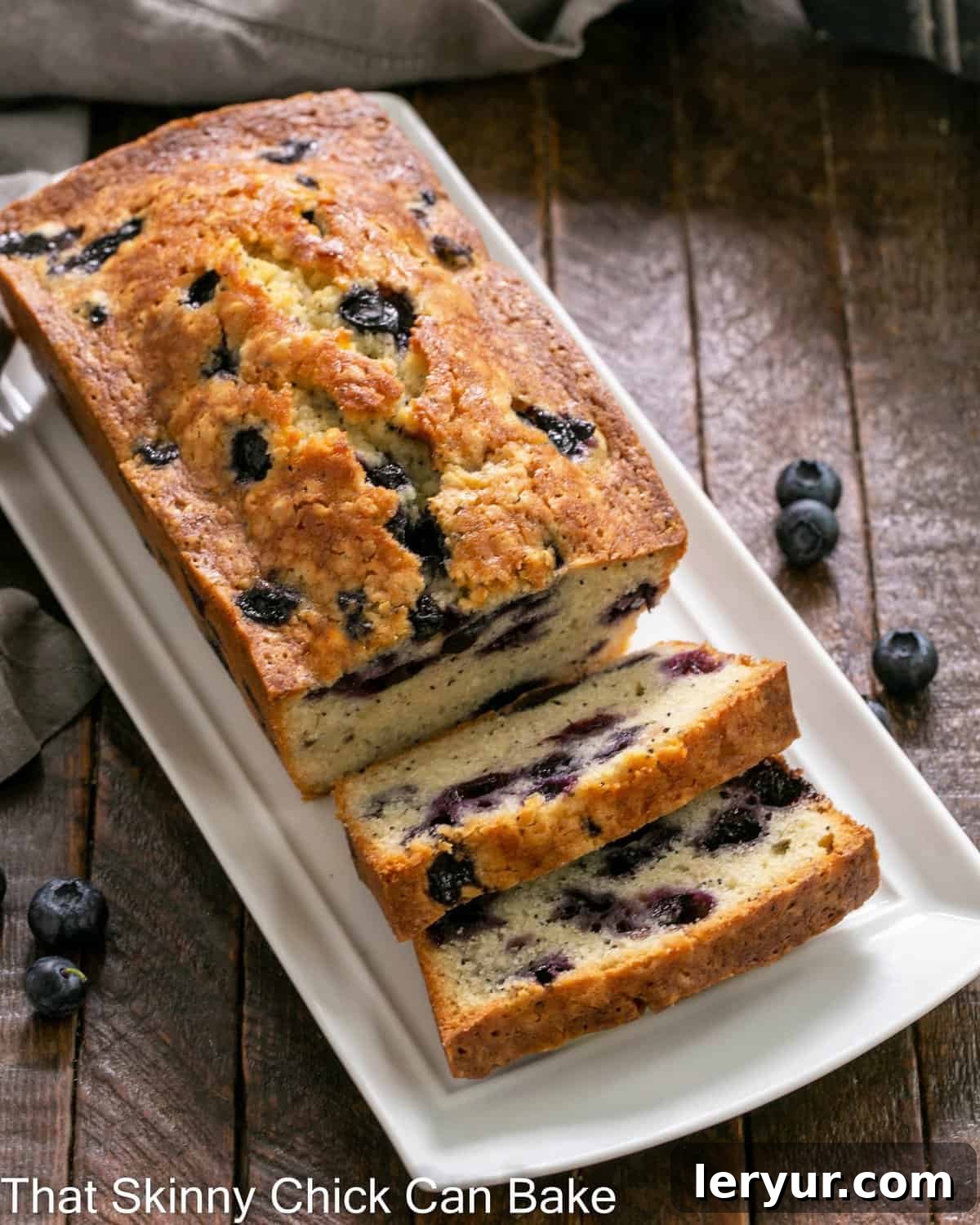
Why This Blueberry Poppy Seed Bread Is a Must-Bake
There are countless reasons to add this exquisite Blueberry Poppy Seed Bread to your baking repertoire. It’s more than just a recipe; it’s an experience waiting to happen in your kitchen. Here’s why this quick bread stands out:
- Seasonal Delight: Embrace the peak of summer by utilizing fresh, plump blueberries. Their natural sweetness and burst of flavor are perfectly highlighted in this bread, making it an ideal treat during the berry season. However, this recipe is so delightful, you’ll want to make it year-round, even with frozen blueberries (see tips below!).
- Double the Deliciousness: This recipe graciously yields two loaves. This thoughtful feature ensures you always have an extra loaf for sharing. Imagine presenting a warm, fragrant loaf as a hostess gift, a thoughtful gesture for a neighbor, or a comforting treat for a friend. Alternatively, freeze the second loaf, allowing you to enjoy homemade goodness with minimal effort weeks or months later.
- Irresistible Almond Infusion: The secret to this bread’s exceptional flavor lies in the almond extract. It doesn’t just complement the blueberries and poppy seeds; it elevates them, adding a sophisticated depth and warmth that makes each bite truly unforgettable. This subtle almond note is what truly makes this blueberry poppy seed bread so incredibly yummy and unique.
- Effortless Elegance: Despite its gourmet taste and appearance, this is a quick bread recipe, meaning no yeast, no kneading, and no long proofing times. It’s perfect for both novice bakers and seasoned pros looking for a satisfying project that delivers impressive results without the fuss.
- Perfect for Any Occasion: Whether it’s a cozy breakfast, a delightful brunch centerpiece, an elegant afternoon tea accompaniment, or a simple dessert, this bread fits seamlessly into any setting. Its appealing texture and vibrant colors make it a crowd-pleaser every time.
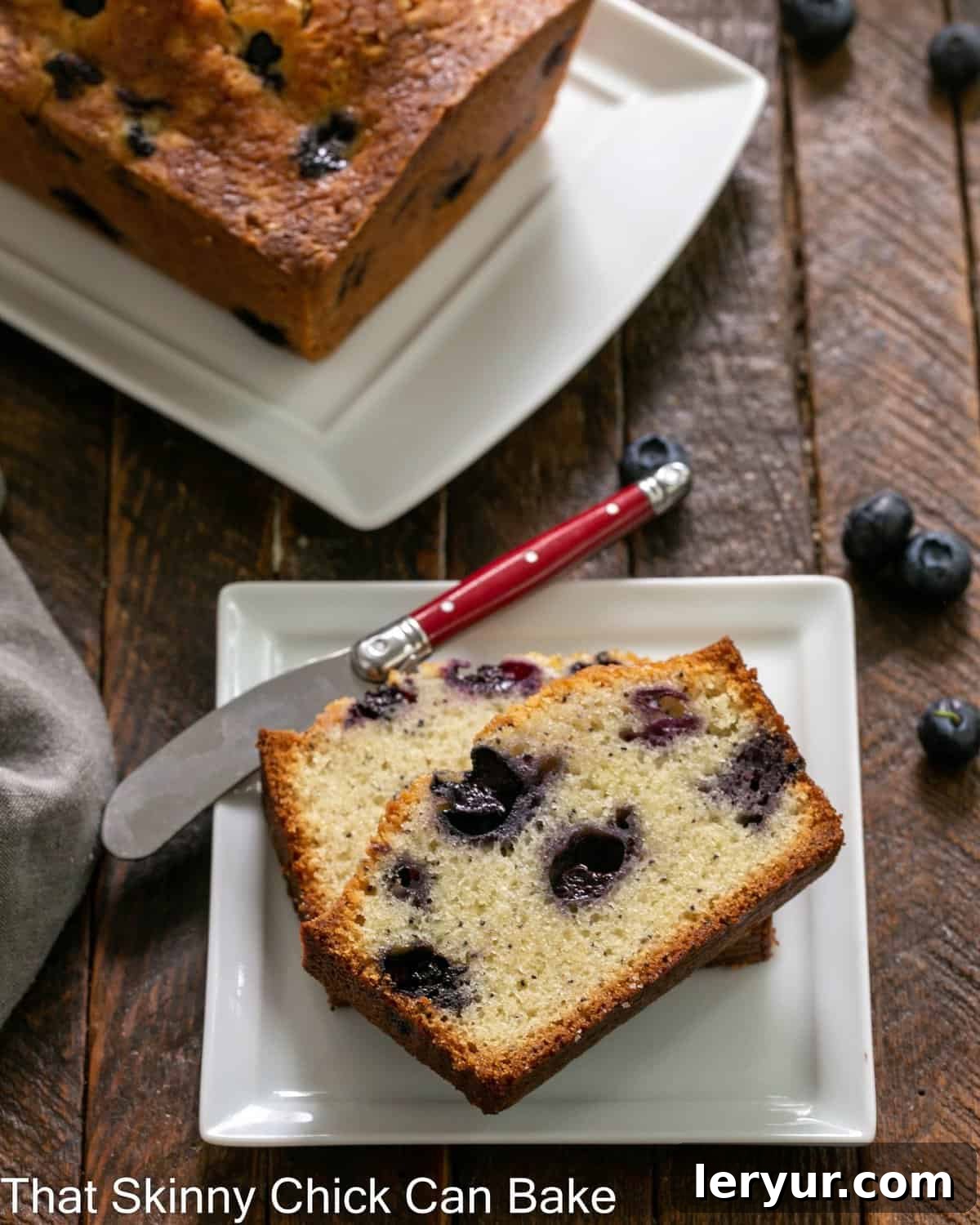
Expert Tips for Baking Flawless Blueberry Poppy Seed Bread
Achieving bakery-quality results at home is simpler than you think with these professional tips and tricks. Follow these guidelines to ensure your Blueberry Poppy Seed Bread turns out perfectly moist, flavorful, and beautifully risen every single time.
- PRO-Tip: Room Temperature Ingredients Are Key: Just like with most successful baking endeavors, starting with room temperature ingredients is paramount. This is especially true for eggs and milk. Ingredients at room temperature emulsify more easily, creating a smoother, more uniform batter. This leads to a more tender and evenly baked loaf. Plan ahead and take your dairy and eggs out of the refrigerator at least 30-60 minutes before you begin mixing.
- Prepare Your Pans Thoroughly: To guarantee your beautiful loaves release effortlessly, invest time in properly prepping your loaf pans. A thorough coating of non-stick flour and oil spray, such as Baker’s Joy, works wonders. For an extra layer of assurance and peace of mind, I highly recommend placing a small piece of parchment paper cut to fit the bottom of each loaf pan. This not only prevents sticking but also ensures clean, intact loaves every time.
- Mini Loaves for Gifting: This versatile recipe can also be perfectly adapted for four mini loaf pans (typically 5 x 3 inches). Baking mini loaves makes them absolutely perfect for gifting – imagine a delightful individual treat for friends, family, or colleagues! Keep in mind that mini loaves will require a slightly adjusted baking time, usually around 45 minutes to an hour, depending on your specific oven and pan material. Always check for doneness.
- PRO-Tip: Preventing Sinking Blueberries: A common challenge in blueberry bread is berries sinking to the bottom. To combat this, lightly dust your fresh blueberries with a tablespoon or two of all-purpose flour before folding them into the batter. This light coating helps the blueberries suspend evenly throughout the loaf during baking. If you use a more substantial dusting of flour, it’s a good practice to subtract that amount from the total flour called for in the recipe to maintain the correct batter consistency.
- Optimal Cooling for Easy Release: Once your loaves are out of the oven, resist the urge to immediately remove them from the pans. Allow them to cool on a wire rack for precisely 10 minutes. This crucial resting period allows the bread to set and firm up slightly, making it much easier to remove without breaking or sticking. If you let them cool too long in the pans, moisture can build up, potentially making them stick or resulting in a soggy bottom. After 10 minutes, gently invert and transfer the loaves directly onto the wire rack to cool completely.
- Adjust Poppy Seed Quantity to Your Liking: The original recipe offers a balanced amount of poppy seeds, providing a subtle nutty flavor and texture. However, if you’re someone who appreciates a more pronounced crunch and a richer poppy seed presence in your bread, feel free to increase the amount from 1½ tablespoons to 3 tablespoons. Experiment to find your perfect balance!
- Boost Your Berries: For an even more intense burst of fruity flavor and juiciness throughout your bread, consider increasing the quantity of fresh blueberries. While 1 cup provides a good distribution, an increase to 1½ cups will make your loaf even more dense with those delicious, sweet-tart gems.
- Using Frozen Blueberries: If fresh blueberries are not in season or readily available, frozen blueberries can be used! Do not thaw them before mixing. Toss them directly from the freezer with flour as described above. This helps prevent them from bleeding color into the batter and keeps the bread from becoming too moist.
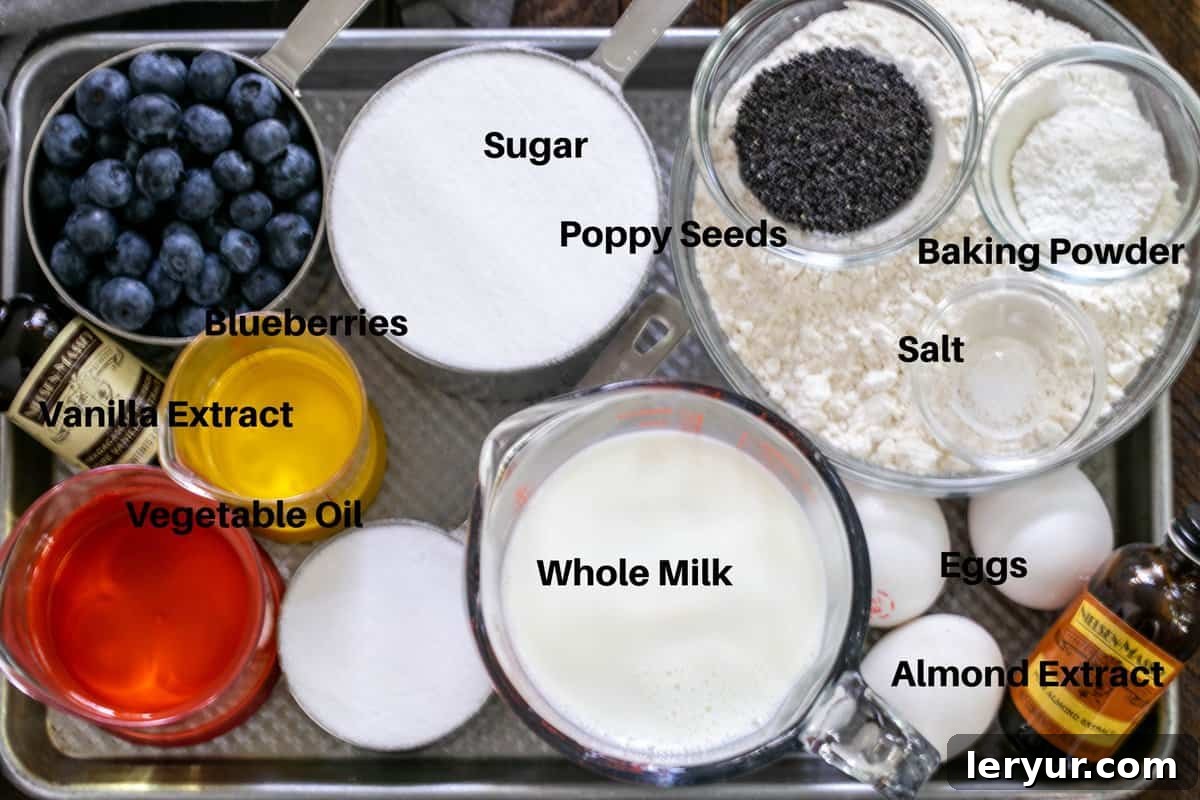
Detailed Ingredient Guide for Best Results
Understanding each ingredient’s role is crucial for successful baking. Here’s a closer look at the key components of our Blueberry Poppy Seed Bread and how to choose and use them for optimal flavor and texture.
- Vegetable Oil: For this recipe, a neutral-flavored vegetable oil like canola oil, grapeseed oil, or sunflower oil is ideal. These oils contribute moisture without imparting any strong flavors that could compete with the delicate notes of almond and blueberry. Avoid olive oil or other strongly flavored oils, as their distinct taste would overpower the bread.
- All-Purpose Flour: Use standard unbleached all-purpose flour. Sifting the flour beforehand can help ensure a lighter, airier texture, though it’s not strictly necessary if you measure correctly (spooning flour into a measuring cup and leveling off).
- Baking Powder: Baking powder is a chemical leavening agent vital for quick breads, enabling them to rise without yeast. It has a shelf life and can lose its potency over time, especially if stored improperly. Always check the expiration date on your container. A simple test for freshness: place a spoonful in a bowl of very hot water. If it fizzes vigorously, it’s still good to go! If not, it’s time for a fresh batch.
- Granulated Sugar: Sugar not only adds sweetness but also contributes to the bread’s tenderness and moisture. The recipe calls for 2½ cups, but if you prefer a less sweet bread, you can confidently decrease the amount to 2 cups without significantly impacting the texture. Taste preferences vary, so adjust to your liking.
- Salt: A small amount of salt is essential in baking to enhance and balance the other flavors, making the bread taste richer and more complex. I personally prefer using fine table salt for baking, as it dissolves quickly and distributes evenly throughout the batter.
- Whole Milk: Whole milk contributes richness and moisture to the bread. Ensure it is at room temperature for better emulsification with other ingredients, leading to a smoother, more cohesive batter.
- Eggs: Large eggs, at room temperature, are used as a binder and add structure, richness, and moisture. Room temperature eggs also mix more evenly into the batter.
- Poppy Seeds: These tiny seeds provide a delightful nutty flavor and a subtle textural crunch. Due to their high oil content, poppy seeds can go rancid if stored improperly or for too long. Before using, give them a sniff or taste a few. They should smell fresh and mildly nutty, not bitter or oily. Storing them in an airtight container in the refrigerator or freezer will significantly extend their shelf life.
- Almond Extract: This is the star flavor enhancer, offering a beautiful aromatic quality that perfectly complements the blueberries and poppy seeds. Use pure almond extract for the best, most authentic flavor.
- Vanilla Extract: Pure vanilla extract adds a layer of warmth and depth to the overall flavor profile, rounding out the sweetness and enhancing the other ingredients.
- Fresh Blueberries: The quality of your blueberries will directly impact the final taste of your bread. Look for fresh blueberries that are plump, firm, and uniform in size, with a vibrant indigo blue color and a natural silvery frost. Avoid any berries that appear moldy, shriveled, or excessively soft, as these can detract from the flavor and texture of your bread.
Frequently Asked Questions About Quick Breads
Quick bread is a category of baked goods that does not rely on yeast for leavening. Instead, it uses chemical leavening agents like baking powder or baking soda (or a combination of both) to achieve its rise. This means quick breads require no kneading or lengthy rising times, significantly reducing the overall preparation time compared to traditional yeast breads. The leavening agents react with liquids and/or heat to produce carbon dioxide gas, which creates air pockets and a light, tender crumb. Common examples of quick breads include muffins, scones, biscuits, pancakes, waffles, and various loaf cakes like banana bread and, of course, this delicious Blueberry Poppy Seed Bread.
For the most flavorful and visually appealing quick bread, selecting high-quality blueberries is essential. In the U.S., prime blueberry season typically runs from May through early October, so this is often the best time to find them at their freshest and most affordable. When choosing blueberries, look for berries that are “firm, uniform in size, indigo blue with a silvery frost” as described in the esteemed Food Lover’s Companion. This ‘frost’ is a natural protective coating. Gently inspect the package and discard any berries that show signs of mold, appear overly soft, mushy, or shriveled, as these can affect the taste and texture of your entire batch.
Knowing when your quick bread is perfectly done is a skill that comes with practice, but there are reliable indicators. First, your recipe’s suggested baking time serves as a general guideline for when to begin checking. A strong indicator that your bread is nearing completion is the wonderful aroma wafting from your oven, filling your kitchen with its sweet, inviting scent. The most definitive test involves a simple toothpick: insert it into the deepest crack along the middle of the loaf. If the toothpick comes out clean, with no wet batter clinging to it, your bread is likely done. If there’s any batter, return the loaf to the oven for another 5-10 minutes, depending on how moist the center appears, and recheck. Repeat this process as needed until the toothpick comes out clean.
Yes, poppy seeds can indeed spoil. Like many nuts and seeds, poppy seeds have a relatively high oil content. Over time, these oils can oxidize, causing the seeds to go rancid. Rancid poppy seeds will develop a bitter, unpleasant taste and smell, which can ruin the flavor of your baked goods. To maximize their freshness and extend their shelf life, it’s best to store poppy seeds in an airtight container in the refrigerator for up to 6 months. For even longer storage (up to a year or more), keep them in the freezer. Before using any poppy seeds, especially those that have been sitting in your pantry for an extended period, always perform a quick smell and taste test to ensure they are still fresh and nutty.
This recipe is designed for two standard 9×5-inch loaf pans. If you opt for different sizes, such as smaller mini loaf pans, you will need to adjust the baking time accordingly. Mini loaves, for example, will bake much faster (around 45-60 minutes), while larger or deeper pans might require more time. Always monitor for doneness using the toothpick test.
To maintain its freshness and moisture, store any leftover bread at room temperature in an airtight container or tightly wrapped in plastic wrap. It will stay fresh for 3-4 days. For longer storage, slices or whole loaves can be frozen, tightly wrapped, for up to 2-3 months. Thaw at room temperature when ready to enjoy.
Absolutely! While delicious on its own, a simple lemon glaze would be a fantastic addition. To make a glaze, whisk together about 1 cup of powdered sugar with 2-3 tablespoons of fresh lemon juice or milk until smooth and pourable. Drizzle over cooled loaves for an extra touch of sweetness and tang.
Explore More Delicious Recipes
If you loved this Blueberry Poppy Seed Bread, you’ll surely enjoy these other delightful baking creations from our kitchen:
- Classic Glazed Poppy Seed Bread: A timeless favorite, rich and buttery with a sweet glaze.
- Meyer Lemon Poppy Seed Tea Cakes: Delicate and fragrant, perfect for an elegant tea time.
- Bright Lemon Poppy Seed Loaf Cake: A zesty and moist cake, ideal for any lemon lover.
- Irresistible Blueberry Cream Cheese Muffins: A delicious twist on classic blueberry muffins, incredibly moist and flavorful.
- Discover more Easy Bread Recipes to expand your baking skills and repertoire.
Stay connected with us and discover more culinary inspiration through social media! Find us @ Instagram, Facebook, and Pinterest. We love seeing your creations – don’t forget to tag us when you try one of our recipes! If you’re thrilled with your results, please consider giving this recipe a 5-star rating in the recipe card below. Your feedback helps us grow!
Poppy Seed Bread with Blueberries Recipe
20 minutes
1 hour 30 minutes
10 minutes
2 hours
2 loaves
A delightfully sweet and tender almond poppy seed bread generously packed with sweet, juicy blueberries – a perfect treat for any occasion.
Ingredients
- 1 ⅓ cups neutral vegetable oil, plus extra for brushing pans
- 3 cups all-purpose flour
- 1 ½ teaspoons baking powder
- 2 ½ cups granulated sugar (can reduce to 2 cups for less sweetness)
- ¼ teaspoon salt
- 1 ½ cups whole milk, at room temperature
- 3 large eggs, at room temperature
- 1 ½ tablespoons poppy seeds (increase to 3 tbsp for more crunch)
- 1 ½ teaspoons pure almond extract
- 1 ½ teaspoons pure vanilla extract
- 1 cup fresh blueberries (can increase to 1½ cups for more fruit, or use frozen, unthawed)
Instructions
- Prepare Oven and Pans: Preheat your oven to 350°F (175°C). Prepare two 9 x 5-inch loaf pans by thoroughly spraying them with a non-stick baking spray (like Baker’s Joy, which contains flour), or by buttering and flouring them. For extra assurance, line the bottom of each pan with a piece of parchment paper. Set the prepared pans aside.
- Combine Dry Ingredients: In a large mixing bowl, whisk together the all-purpose flour, baking powder, granulated sugar, and salt until they are well combined and no lumps remain. Set this dry mixture aside.
- Combine Wet Ingredients: In the bowl of a stand mixer fitted with the paddle attachment (or a large bowl with an electric hand mixer), beat together the room temperature whole milk, vegetable oil, room temperature eggs, poppy seeds, almond extract, and vanilla extract on medium speed until all ingredients are thoroughly combined and smooth.
- Incorporate Dry into Wet: Gradually add the reserved flour mixture to the wet ingredients in the stand mixer, beating on low speed until just combined. Be careful not to overmix; a few streaks of flour are acceptable. Once the batter is mostly uniform, gently fold in the fresh blueberries using a rubber spatula. Remember to lightly dust blueberries with flour first to prevent sinking!
- Bake the Loaves: Evenly divide the prepared batter between the two prepared loaf pans. Place them in the preheated oven and bake for approximately 1½ hours. The bread is done when the tops are golden brown and a wooden skewer or toothpick inserted into the very center of each loaf comes out clean. If the tops brown too quickly, you can loosely tent them with aluminum foil.
- Cool Completely: Once baked, transfer the pans to a wire rack and allow the loaves to cool in their pans for about 10 minutes. This critical step helps the bread set and prevents sticking. After 10 minutes, carefully remove the loaves from the pans and place them directly onto the wire rack to cool completely before slicing and serving.
Notes
- This recipe has been adapted from a trusted source, Food Network.com, with enhanced tips and details for the home baker.
- For gifting or individual portions, this recipe can be baked in four 5×3-inch mini loaf pans. Baking time for mini loaves will be shorter, typically around 45 minutes to 1 hour. Always perform the toothpick test for doneness.
- For best results, ensure all cold ingredients (milk, eggs) are at room temperature before mixing.
- Store cooled bread in an airtight container at room temperature for up to 3-4 days, or freeze for longer storage.
Nutrition Information:
Yield:
24 servings (approx. 12 slices per loaf)
Serving Size:
1 slice
Amount Per Serving (Estimated):
Calories: 406Total Fat: 20gSaturated Fat: 2gTrans Fat: 0gUnsaturated Fat: 17gCholesterol: 37mgSodium: 103mgCarbohydrates: 52gFiber: 1gSugar: 33gProtein: 5g
This nutritional information is provided as a courtesy and is an estimate only. This information typically comes from online calculators and can vary significantly based on product types, brands used, and portion sizes. While efforts are made to provide accurate nutritional data, these figures are approximate. Factors such as optional toppings, “salt to taste” measurements, and variations in online calculators can alter the final nutritional content. For the most precise nutritional information, it is recommended to calculate the values using the specific ingredients and quantities from your own preparation. You are solely responsible for verifying the accuracy of any nutritional information obtained.
HOW MUCH DID YOU LOVE THIS RECIPE?
Please leave a comment on the blog or share a photo on Pinterest