
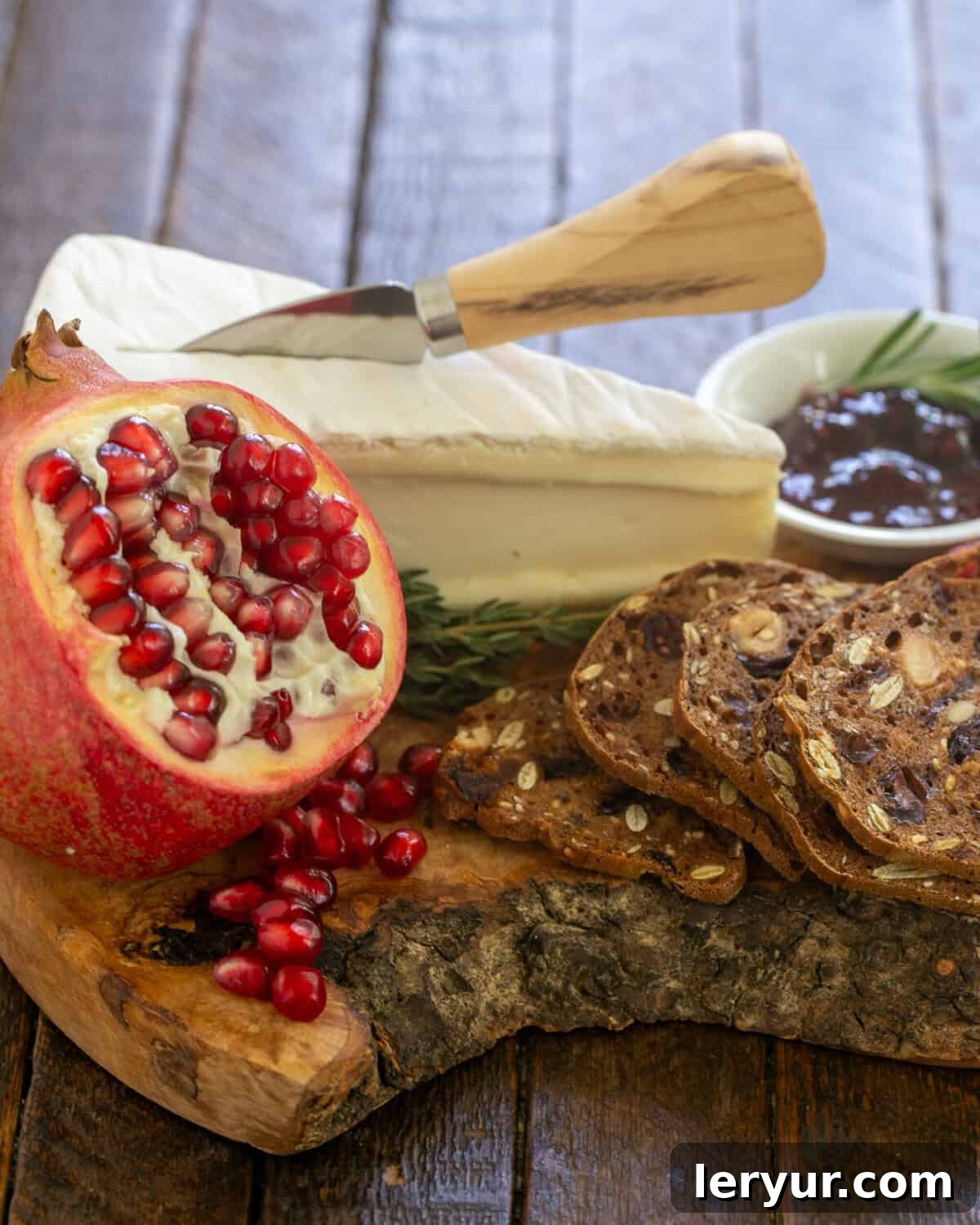
Crafting the Ultimate Charcuterie & Cheese Board: A Guide to Entertaining
Entertaining has never been easier or more impressive than with a beautifully arranged charcuterie or cheese board. Whether you’re hosting a sophisticated dinner party or a casual get-together, a thoughtfully curated platter of cured meats, artisan cheeses, fresh fruits, crunchy nuts, and savory accompaniments promises to delight every guest. This comprehensive guide will teach you everything you need to know to assemble a stunning and delicious charcuterie board that caters to all tastes and leaves a lasting impression.
A charcuterie board, often used interchangeably with “cheese board,” offers unparalleled versatility. The beauty lies in its adaptability: hosting a Tuscan-themed evening? Feature Italian cheeses and prosciutto. Celebrating autumn? Incorporate seasonal fruits like crisp apples and juicy pears. Each board becomes a unique culinary masterpiece, reflecting your personal preferences and the occasion’s theme.
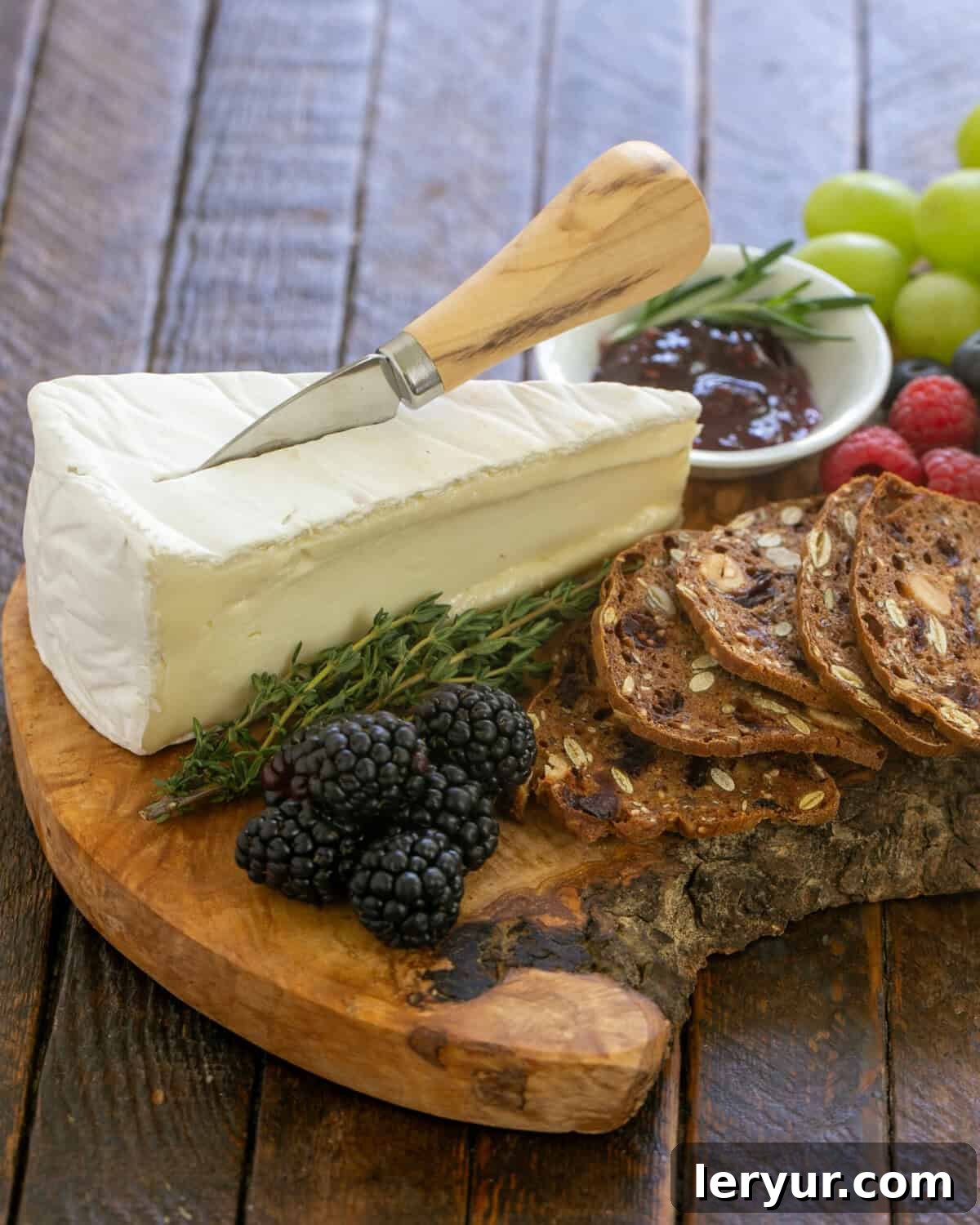
Why a Charcuterie Board is Your Go-To for Entertaining
There are countless reasons why charcuterie and cheese boards have become a staple for hosts everywhere. They offer a blend of elegance, simplicity, and endless possibilities that few other appetizers can match.
- Unmatched Customization: The fundamental appeal of a charcuterie board is its ability to be fully personalized. From selecting a diverse range of meats and cheeses to incorporating your favorite fruits, crackers, and snacks, every element can be chosen to suit your taste and your guests’ dietary needs. Whether you prefer bold, smoky flavors or light, fresh notes, your board can reflect that.
- Theme-Ready: A charcuterie board can effortlessly align with any meal or holiday theme. For a festive winter gathering, think cranberries, rosemary, and smoked gouda. A summer soiree might feature fresh berries, light goat cheese, and perhaps some grilled vegetables. This thematic flexibility makes it perfect for any seasonal celebration or special event.
- Effortless Expansion for Any Crowd: Planning for a small intimate dinner or a large holiday party? A charcuterie board scales up or down with incredible ease. Simply adjust the quantities and the size of your serving board to accommodate more guests. It’s an ideal solution for holiday entertaining, corporate events, or even just a cozy night in.
- A Multitude of Appetizers in One: Forget the stress of preparing multiple appetizers that demand different cooking times and techniques. A charcuterie board combines a variety of textures and flavors onto a single, visually appealing platter. This approach not only saves time and effort but also provides a dynamic culinary experience for your guests.
- Something for Everyone: With such a diverse array of components, a charcuterie board inherently offers options for every palate. Guests can pick and choose according to their preferences, whether they crave salty meats, creamy cheeses, sweet fruits, or crunchy nuts. It’s an inclusive dining experience that ensures all guests find something they love, making it a guaranteed crowd-pleaser.
The Art of Building a Charcuterie Board: Step-by-Step Guide
Crafting a charcuterie board is an enjoyable process that allows for creativity and personal expression. While there are no strict rules, a thoughtful approach to selecting and arranging your components will yield the most impressive results.
1. Choose Your Cheeses Wisely
Start with the stars of the show: the cheeses. A good rule of thumb is to select an odd number, typically three to five, to create visual interest and offer a range of flavors and textures. Aim for variety:
- One Firm Cheese: Think aged cheddar, Gruyère, or Parmesan. These offer a robust flavor and a satisfying bite.
- One Soft Cheese: Brie, Camembert, or a fresh goat cheese provide a creamy, spreadable texture.
- One Semi-Hard Cheese: Havarti, Gouda, or Monterey Jack offer a milder flavor and slightly softer texture than firm cheeses.
- One Fragrant or Blue Cheese: Roquefort, Gorgonzola, or a strong blue cheese adds a pungent, distinctive flavor that can be a delightful surprise.
- Consider Unique Options: Don’t shy away from sheep’s milk or goat’s milk cheeses to diversify your selection beyond traditional cow’s milk varieties.
PRO-Tip: If you’re unsure, ask for samples at your local deli or specialty cheese shop. The experts there can guide you through their selections and help you find cheeses that pair well together.
2. Select Your Cured Meats (for Charcuterie Boards)
If you’re making a true charcuterie board, cured meats are essential. Aim for three different varieties to offer a range of textures and spice levels. Consider:
- Salami: Options like Italian Toscano salami (spicy or mild), Genoa salami, or sopressata provide a savory, rich flavor.
- Prosciutto: Thinly sliced, delicate prosciutto offers a salty-sweet balance that pairs beautifully with many cheeses and fruits.
- Capicola: A flavorful and often spicy cured pork from Italy.
- Smoked Duck Breast: For a more gourmet touch, slices of smoked duck breast add a rich, unique flavor.
- Chorizo: Spanish chorizo (cured) offers a paprika-infused, savory kick.
Arrange meats in different ways – folded into ribbons, rolled, or fanned out – to add visual appeal to your platter.
3. Gather Your Accompaniments
Accompaniments are crucial for balancing flavors, adding texture, and filling out your board. These “odds and ends” truly make the board spectacular:
- Fresh Fruits: Seasonal fruits are a must. Grapes, berries (strawberries, blueberries, blackberries), sliced apples (toss with lemon juice to prevent browning), pears, and figs (fresh or dried) add sweetness and freshness.
- Dried Fruits: Dried apricots, cranberries, dates, and cherries offer concentrated sweetness and a chewy texture, complementing salty meats and rich cheeses.
- Nuts: Provide crunch and a nutty richness. Honeyed pecans, roasted Marcona almonds, walnuts, or pistachios are excellent choices.
- Crackers, Breads, and Toasts: Offer a variety of vessels for your cheeses and meats. Plain water crackers, artisanal flatbreads, crusty baguette slices, and breadsticks ensure everyone finds their preferred crunch.
- Spreads and Dips: Jams, jellies (fig jam, red pepper jelly), honey, fruit pastes (quince paste is a classic), or whole-grain mustard enhance the flavors of cheese and meat. Small bowls are perfect for these.
- Olives and Pickles: Kalamata olives, green olives, cornichons, or pickled onions add a briny, acidic counterpoint that cleanses the palate and cuts through richness.
- Garnishes: A few sprigs of fresh rosemary, thyme, or basil, or even edible flowers, can add a vibrant pop of color and an aromatic touch.
Don’t hesitate to consult the experts at your favorite market or deli. They are often happy to provide samples and help you select ingredients that will truly delight your guests.
Determining Amounts for Your Charcuterie Board
The quantities needed for your board will depend largely on whether it’s serving as a light appetizer before a main meal or if the board itself is the primary food offering. These recommendations from culinary experts provide a solid starting point:
- Cheeses: Plan for 2 to 3 ounces per person if serving as an appetizer; increase to 4 to 6 ounces per person if it’s the main attraction.
- Meats: Similar to cheese, allocate 2 to 3 ounces per person for an appetizer, or 4 to 6 ounces if it’s the focal point of the meal.
- Nuts: Approximately 2 to 3 tablespoons per person.
- Crackers, Toasts, or Bread: Budget for 4 to 6 ounces per person to ensure there’s enough vehicle for all the delicious toppings.
- Fresh or Dried Fruit: Aim for 4 to 8 ounces per person, offering a good balance of sweetness and freshness.
- Dips, Jams, or Spreads: About ½ cup per person for each variety you include.
Always consider your guests’ appetites and if other dishes will be served. When in doubt, it’s generally better to have a little too much than not enough!
Expert Tips for a Perfectly Arranged Charcuterie Board
Beyond selecting ingredients, presentation plays a huge role in the success of your charcuterie board. Follow these expert tips for an aesthetically pleasing and delicious spread:
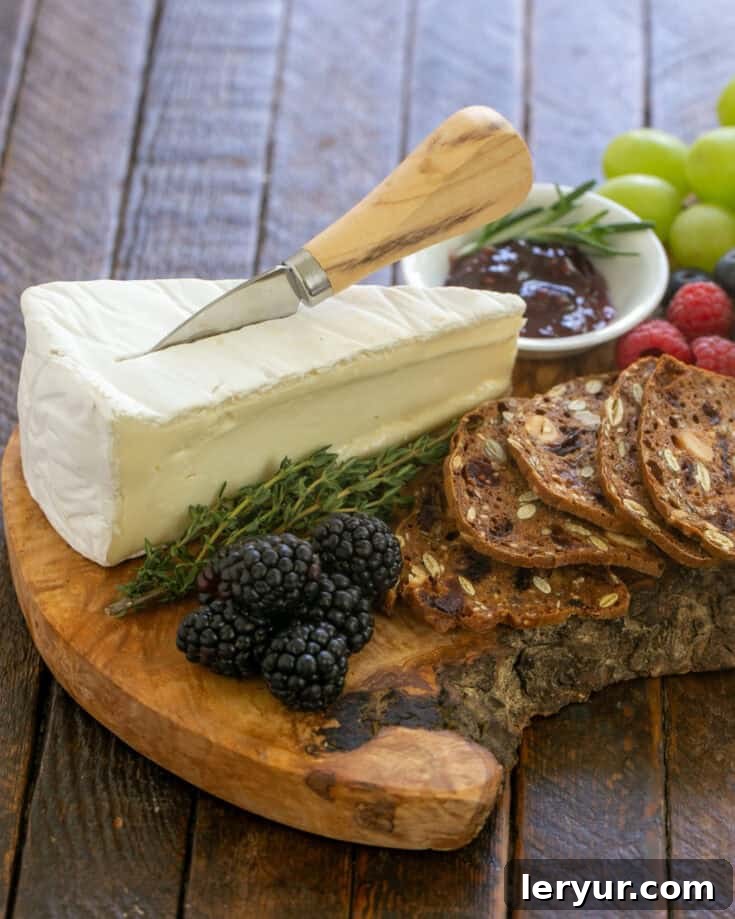
- Choose the Right Base: Your serving surface sets the stage. A beautiful wooden cutting board, a slate platter, or an unembellished ceramic tray provides an elegant backdrop. Consider a board with built-in compartments or a set that includes cheese knives for convenience.
- Let Ingredients Shine: The beauty of a charcuterie board lies in the quality of its components. Allow the meats, cheeses, and fresh produce to be the stars. Pair them with simple, unflavored crackers and plain bread to let their natural flavors come through.
- Incorporate Fresh and Dried Fruits: Fresh fruits like crisp apples, juicy pears, vibrant figs, and luscious grapes provide a refreshing contrast to rich cheeses and meats. Adding dried fruits such as apricots, dates, and cranberries introduces a delightful chewy texture and concentrated sweetness.
- Add Crunch with Nuts: Nuts are indispensable for texture. A handful of almonds, pecans, walnuts, or pistachios offers a satisfying crunch that elevates the experience.
- Don’t Forget Sweet and Savory Spreads: Jams, jellies, and fruit pastes (like traditional quince paste) pair exquisitely with various cheeses, offering a sweet counterpoint. Honey can also be drizzled over certain cheeses, and a grainy mustard adds a savory kick to meats.
- Vary Shapes, Colors, and Textures: A visually appealing platter is as important as a tasty one. Arrange items with varying shapes (cubed cheese, rolled meats, whole berries), colors (green herbs, red fruits, golden crackers), and textures (hard cheese, soft cheese, crunchy nuts) to create a dynamic and inviting spread.
- Serve Cheese at Room Temperature: For maximum flavor and optimal texture, remove your cheeses from the refrigerator about an hour before serving. This allows them to soften slightly and release their full aromatic profiles.
- Offer a Variety of Cheese Textures: As mentioned in selection, ensure you have a mix from hard to soft, crumbly to buttery. A bold blue cheese or a spiced cheese can add an exciting element. Include cheeses made from cow’s, goat’s, or sheep’s milk for a broader spectrum of tastes.
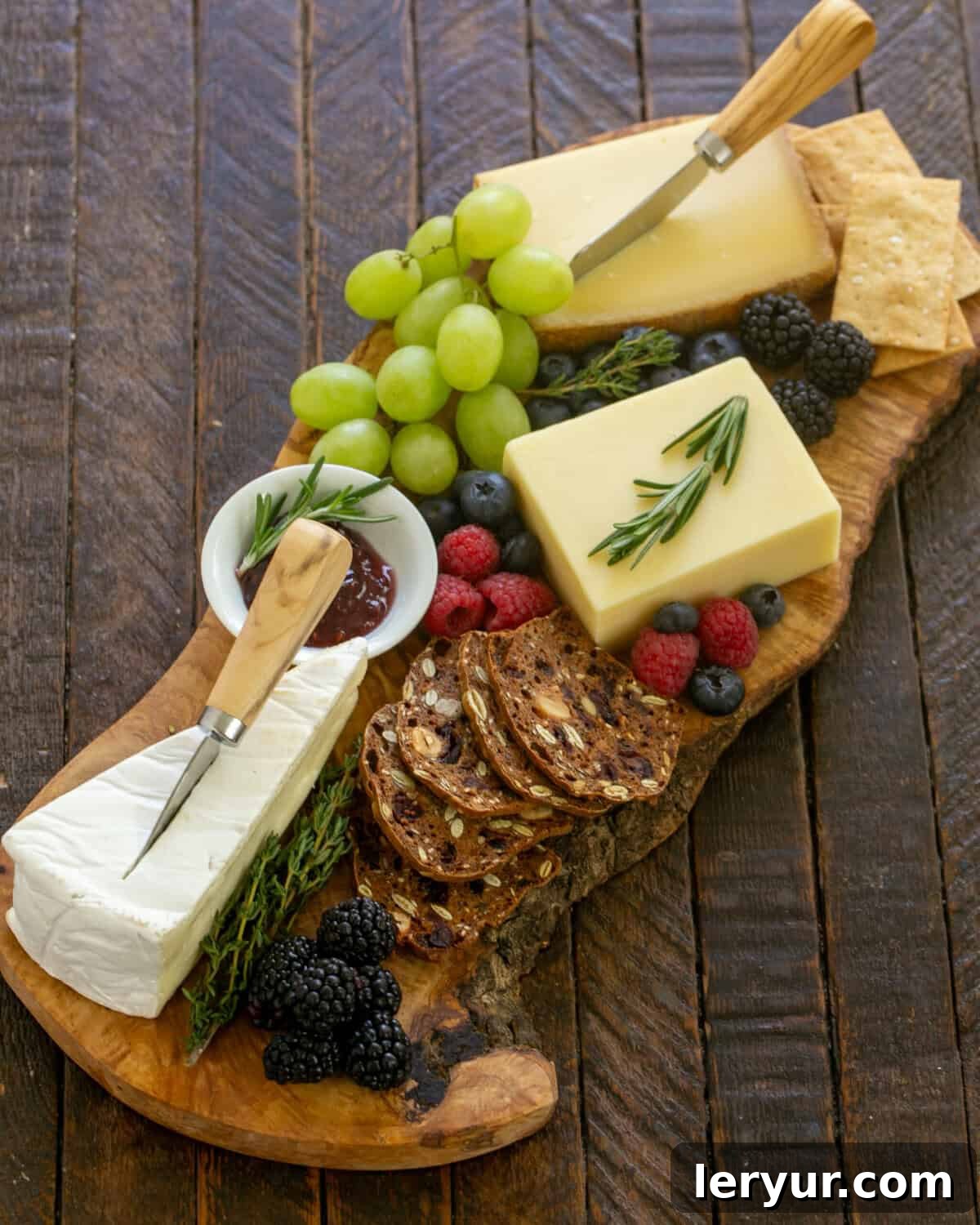
- Artful Arrangement: Take a few extra minutes to artfully arrange your platter. Start by placing larger items like cheeses and bowls of spreads, then fill in the gaps with meats, crackers, fruits, and nuts. Overlap items slightly to create abundance and visual richness. You’ll be delighted by the professional-looking results.
Frequently Asked Questions About Charcuterie Boards
What Does Charcuterie Mean?
The word “charcuterie” originates from 15th-century France and literally translates to “the products of a fancy pork butcher.” Traditionally, it refers to a branch of cooking devoted to prepared meat products, such as bacon, ham, sausage, terrines, galantines, pâtés, and confit, primarily from pork. In modern usage, a charcuterie board has evolved to include a wider array of meats, cheeses, and accompaniments.
How Do You Pronounce Charcuterie?
Charcuterie is pronounced “shar-KOO-tuhr-ee.”
What Is the 3-3-3-3 Rule for Making a Charcuterie Board?
The 3-3-3-3 rule is a helpful guideline for beginners to ensure a well-rounded board. It suggests including:
- 3 Kinds of Cheese: Varying in texture (soft, semi-hard, hard) and flavor (mild, medium, bold).
- 3 Types of Meat: A mix of cured meats like salami, prosciutto, and perhaps a pâté or smoked sausage.
- 3 Starches: Such as different crackers, sliced baguette, and breadsticks.
- 3 Extras: This can include a combination of fruits (fresh and dried), nuts, olives, jams, honey, or pickled vegetables.
How Do You Calculate the Amount of Charcuterie for Your Guests?
A good rule of thumb is to allow for approximately 3 ounces of total charcuterie (meats and cheeses combined) per person if the board is an appetizer. If the charcuterie board is intended to be the main meal, double that amount to around 6 ounces per person. Adjust these figures based on whether you’re serving other appetizers, if a large meal will follow, or if your guests are known for their hearty appetites.
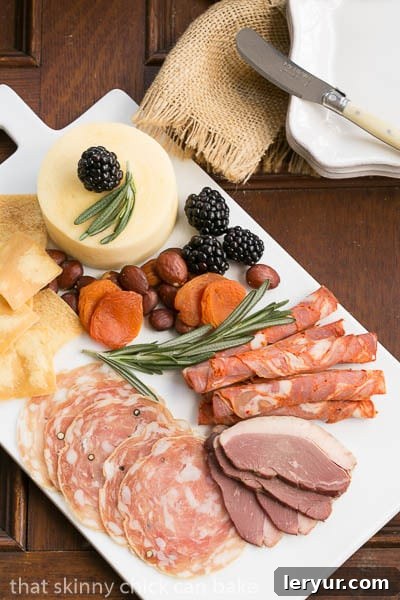
Photo circa 2014
Seasonal Charcuterie Board Ideas
One of the joys of creating charcuterie boards is adapting them to the seasons. Here are a few ideas to get your creativity flowing:
Spring Fresh Charcuterie Board
Embrace the freshness of spring with light, vibrant ingredients. Think fresh goat cheese, mild brie, and creamy Havarti. Pair with seasonal fruits like fresh strawberries, raspberries, and thinly sliced radishes. Add cucumber ribbons, sugar snap peas, and edible flowers for a truly springtime feel. Light crackers and a lemon-herb dip would complete this refreshing board.
Summer Harvest Charcuterie Board
For summer gatherings, focus on bright, juicy flavors. Include fresh mozzarella balls, tangy feta, and a mild cheddar. Complement these with an abundance of summer berries, watermelon cubes, peach slices, and cherry tomatoes. Prosciutto, light salami, and a basil pesto or olive tapenade would be perfect additions. Don’t forget some fresh mint or basil for garnish.
Autumn Abundance Charcuterie Board
Celebrate the rich colors and flavors of fall. Feature robust cheeses like aged cheddar, smoked gouda, and a nutty Gruyère. Pair with crisp apple slices, pear wedges, fresh figs, and red grapes. Add roasted walnuts, candied pecans, and dried cranberries. For meats, choose a heartier salami or prosciutto. A pumpkin spice cheese ball or a fig jam would be delicious seasonal touches.
Winter Wonderland Charcuterie Board
Create a cozy and indulgent board for the colder months. Select rich cheeses such as blue cheese, creamy brie, and a sharp Parmesan. Offer dried apricots, dates, pomegranates, and dark chocolate squares. For meats, think robust options like spicy chorizo, smoked duck, or a flavorful pâté. Add rosemary sprigs, frosted cranberries, and perhaps some spiced nuts for a festive look and feel.
Forest Decor Cheeseboard Giveaway!
I was instantly captivated by the exquisite olive wood cheeseboard and knife set from Forest Decor featured in my photo. Their remarkable products are meticulously handmade using 100% olive or forest wood, ensuring they are completely chemical-free. These beautiful pieces make exceptional gifts for the culinary enthusiasts in your life. Keep them in mind for upcoming birthdays, holidays, or any special occasion!
I’m excited to offer a giveaway for this beautiful Bamboo Cutting Board to one fortunate reader! To enter, simply visit the Forest Decor Website, explore their stunning collection of products, and then share your favorite cheeseboard from their selection in the comments below. This acts as your official entry into the giveaway. Please note, this giveaway is open exclusively to residents within the 48 contiguous US states. The winner will be randomly selected using random.com on May 3, 2024. Good luck!
You May Also Like:
- Easy Spring Charcuterie Board from Reluctant Entertainer
- Chocolate Dessert Board
- Triple Cheese Gougeres
- How to Arrange a Simple Cheese Tray
- Festive Blue Cheese Balls
- More Easy Appetizer Recipes
Stay in touch through social media @ Instagram, Facebook, and Pinterest. Don’t forget to tag me when you try one of my recipes! And if you love the results, please consider leaving a 5-star rating!
The Recipe:
How to Make a Cheese Board
15 minutes
15 minutes
Learn what to put on a cheese board and how to arrange it for a beautiful presentation.
★★★★★ (Rated 5 out of 5 stars by 4 reviewers)
Ingredients
- Wooden cheese board or large ceramic plate.
- 3 to 5 cheeses with a variety of textures, pungency, shapes, and flavors. Odd numbers look best.
- Fruit such as apples, pears, berries. Make sure not to cut the apples and pears too early to prevent oxidation (browning).
- Fresh herbs for a pop of green and aroma.
- Condiments such as chutney, jelly, jam, mustard, or olives.
- Crackers, toasts, or a sliced baguette.
Instructions
- Choose a cheeseboard or plate with ample room to comfortably add cheeses, crackers, and all desired accompaniments.
- Place at least 3 cheeses on your board. An odd number often creates a more aesthetically pleasing arrangement. Vary the texture, pungency, and shapes of the cheeses for visual interest.
- Fill the remaining spaces with an assortment of fruit, fresh herbs, various crackers, and small bowls of jam or other spreads. If you are specifically creating a charcuterie board, now is the time to artfully add your cured meats.
- For optimal flavor, remove the cheeses from the refrigerator about an hour before you plan to serve your guests. Allowing them to come closer to room temperature will help them soften and enhance their natural flavors.
Notes
Note: There are no hard and fast rules for creating a charcuterie board. Feel free to customize and arrange your cheese board in a way that best suits your personal taste and style!
Recommended Products
As an Amazon Associate and member of other affiliate programs, I earn from qualifying purchases.
- Small white bowls
How Much Did You Love This Recipe?
Please leave a comment on the blog or share a photo on Pinterest