
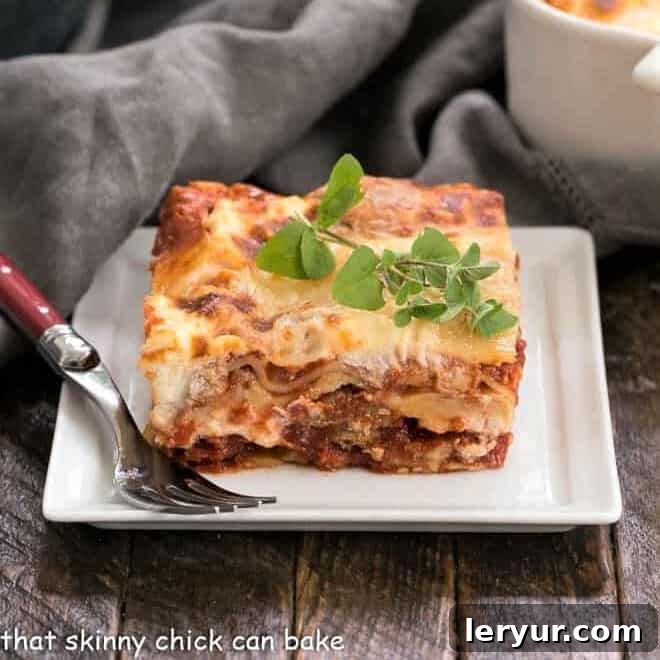
Experience the ultimate in Italian-American comfort food with this incredibly delicious Lasagna with Ricotta Cheese and Italian Sausage. A true culinary masterpiece, this dish promises to be the highlight of any meal, leaving everyone at the table utterly satisfied. Boasting rich, savory flavors and a texture that’s both hearty and delightfully creamy, it’s more than just a meal; it’s an experience your entire family will cherish and adore.
Prepare to be amazed by this truly outstanding Ricotta Lasagna with Italian Sausage. Each forkful delivers a symphony of tastes and textures: super cheesy layers of gooey mozzarella and creamy ricotta, a delightful hint of spice from perfectly seasoned mild Italian sausage, and the deep, complex flavors of a slowly simmered, rich tomato sauce. This isn’t just a winner; it’s a showstopper perfect for any family dinner, holiday gathering, or special occasion where you want to impress and comfort your loved ones. Its timeless appeal and irresistible aroma make it an instant classic in any home kitchen.
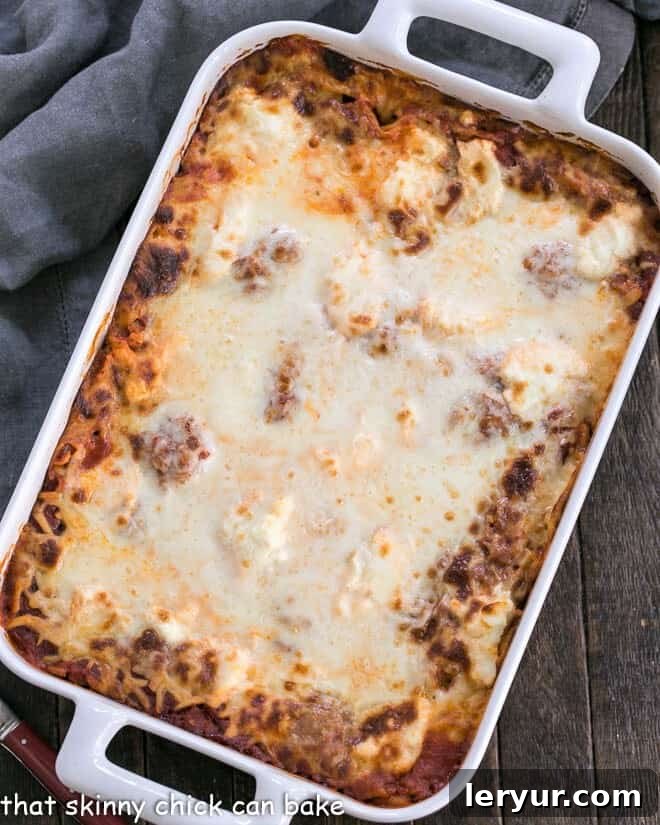
Why You Must Make This: The Best Ricotta Lasagna Experience
For many, lasagna evokes cherished memories of family meals and comforting traditions. My mom, for instance, used to prepare hers with cottage cheese – a common practice in the Midwest back when ricotta was a rare find, requiring a special trip to a distant Italian market. With four energetic daughters, such an excursion was simply out of the question! However, times have changed, and now, access to quality ricotta cheese allows us to elevate this classic dish to new heights of deliciousness.
- Unforgettable Creaminess: If you’ve never experienced lasagna made with rich, creamy ricotta cheese, this recipe is your perfect introduction. The ricotta creates a luxurious texture and a mild, milky counterpoint to the robust tomato sauce, making every bite incredibly smooth and satisfying.
- Flavorful Depth from Italian Sausage: The addition of Italian sausage isn’t just about adding meat; it’s about infusing the entire sauce with a profound, savory depth. As the sausage browns, it releases its aromatic spices and rich fats, which meld beautifully with the tomatoes, creating a foundation of flavor that is simply unparalleled.
- Irresistibly Cheesy Goodness: Who can resist a pasta dish overflowing with layers of gooey, melted mozzarella? This recipe ensures an abundance of this stretchy, mild cheese, perfectly complementing the ricotta and sauce for that ultimate cheesy pull that everyone loves. It’s the quintessential comfort food indulgence.
- A Versatile Crowd-Pleaser: Whether you’re hosting a dinner party, planning a cozy family night, or preparing a meal for a potluck, this lasagna is a guaranteed hit. Its hearty nature and universally loved flavors make it suitable for any occasion, promising smiles all around the table.
- Perfect for Make-Ahead Meals: Lasagna is one of those fantastic dishes that often tastes even better the next day. It’s also incredibly freezer-friendly, making it an ideal candidate for meal prepping. You can assemble it in advance, refrigerate or freeze it, and then bake it when you’re ready, saving you precious time on busy days.
Ingredient Notes for the Perfect Italian Sausage Lasagna
While countless variations of lasagna exist, our rendition focuses on delivering an authentic and deeply satisfying experience. To achieve the sublime flavors and textures of this ricotta lasagna, ensure these key ingredients are on your shopping list:
- Italian Sausage: The choice of sausage significantly impacts the flavor profile. You can opt for mild Italian sausage for a subtle warmth or hot Italian sausage if you prefer a bit of a kick. The crucial step is to sauté it first until beautifully browned. This browning process triggers the Maillard reaction – a complex chemical reaction between amino acids and sugars – which creates hundreds of new flavor compounds, adding an irresistible umami (savory) depth that permeates the entire dish. Don’t skip this step; it’s a cornerstone of the lasagna’s rich taste.
- Whole Milk Ricotta: For the creamiest, most luxurious lasagna, whole milk ricotta is non-negotiable. The higher fat content of the whole milk version results in a smoother, richer, and more stable texture that won’t become watery during baking. It provides a delightful counterpoint to the savory sauce and robust sausage. Avoid part-skim ricotta if you desire that ultimate decadent creaminess.
- Lasagna Noodles: You have a couple of options here. If using convenient no-boil lasagna noodles, ensure your sauce has ample liquid; these noodles absorb moisture directly from the sauce to soften and cook. If opting for traditional dried lasagna noodles, boil them as directed on the package in generously salted water. The cooking water should taste like seawater – this is crucial for seasoning the pasta from within. Noodles seasoned after cooking will never achieve the same depth of flavor as those cooked in properly salted water.
- Crushed Tomatoes: The base of any great lasagna is a rich, flavorful tomato sauce. Using high-quality crushed tomatoes provides the perfect consistency for a slow-cooked sauce that clings beautifully to the noodles and layers. Supplementing with diced tomatoes adds textural interest, while tomato paste deepens the tomato flavor intensity, creating a robust and authentic foundation.
- Mozzarella Cheese: For that quintessential stretchy, gooey cheese factor, mozzarella is key. While fresh mozzarella can be used, low-moisture, pre-shredded or block mozzarella (which you shred yourself) works wonderfully for even melting and browning. It provides a mild, milky flavor that balances the other strong components of the lasagna.
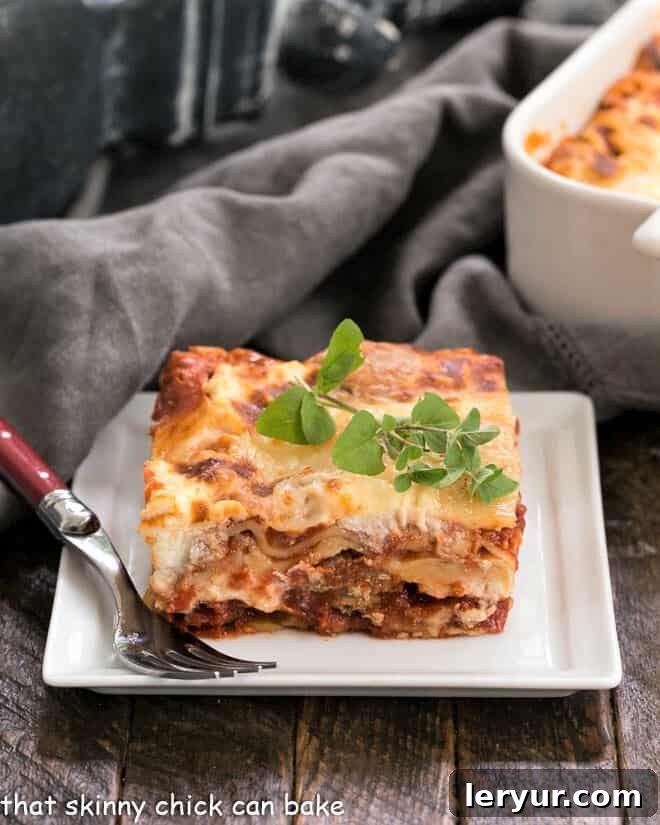
Homemade vs. Store-Bought Ricotta: And Its Versatile Uses
While creating homemade ricotta is a surprisingly simple and rewarding process, yielding a remarkably fresh and delicate product, buying it at your local market is certainly the more convenient option for busy cooks. Regardless of its origin, ricotta cheese is an incredibly versatile ingredient, extending far beyond the realm of lasagna. Its creamy texture and mild flavor make it a fantastic addition to numerous dishes. Beyond this savory lasagna, ricotta shines in stuffed shells, manicotti, and as a delightful dollop on homemade pizza. Think of it as a creamy spread in place of cream cheese on toast, a base for flavorful dips, or a luxurious swirl in hearty soups and stews. Its culinary applications are truly limitless, adding a touch of creamy richness wherever it goes.
Expert Tips for Mastering Your Sausage Ricotta Lasagna
Crafting the perfect lasagna involves a few key techniques that can elevate your dish from good to absolutely extraordinary. Pay attention to these expert tips to ensure every layer is bursting with flavor and the final result is nothing short of perfection.
- Enhancing Flavor with Italian Sausage: Incorporating cooked Italian sausage, whether as slices or crumbled bulk sausage, into your tomato sauce is a brilliant way to ensure a burst of savory flavor in every single bite. The sausage drippings also enrich the sauce further.
- Accommodating Dietary Preferences: If you have family members with varying dietary preferences, like my mostly vegetarian daughter who prefers to avoid meat in her lasagna or spaghetti sauce, consider adding Italian sausage in slices. This method makes it significantly easier for them to pick around the meat while still allowing the sausage flavor to infuse the sauce for those who enjoy it.
- PRO-Tip: The Maillard Reaction Magic: Never add raw sausage directly to your sauce. The key to unlocking its deepest, most complex flavors is through the browning process, scientifically known as the Maillard reaction. This is not just about cooking the meat; it’s a chemical transformation where amino acids and reducing sugars in the meat react under heat, creating an array of new compounds responsible for that distinctively delicious, savory flavor and appetizing browned crust. So, take your time and ensure the sausage achieves a beautiful golden-brown color while sautéing for the best possible flavor outcome in your lasagna.
- Layering with Precision: The order and distribution of your layers are critical. Always start with a thin layer of sauce at the bottom of the pan to prevent the noodles from sticking and ensure even cooking. When spreading ricotta, avoid one thick layer; instead, dollop spoonfuls evenly over the sauce for better distribution and a creamier texture throughout the lasagna.
- The Power of Resting: While the aroma of a freshly baked lasagna is incredibly tempting, resisting the urge to cut into it immediately is paramount. Allowing the lasagna to rest for at least 15-20 minutes after baking allows the layers to set and the cheese to firm up slightly. This crucial resting period prevents the lasagna from collapsing into a messy pile when sliced, ensuring beautiful, intact portions and allowing the flavors to meld even further.
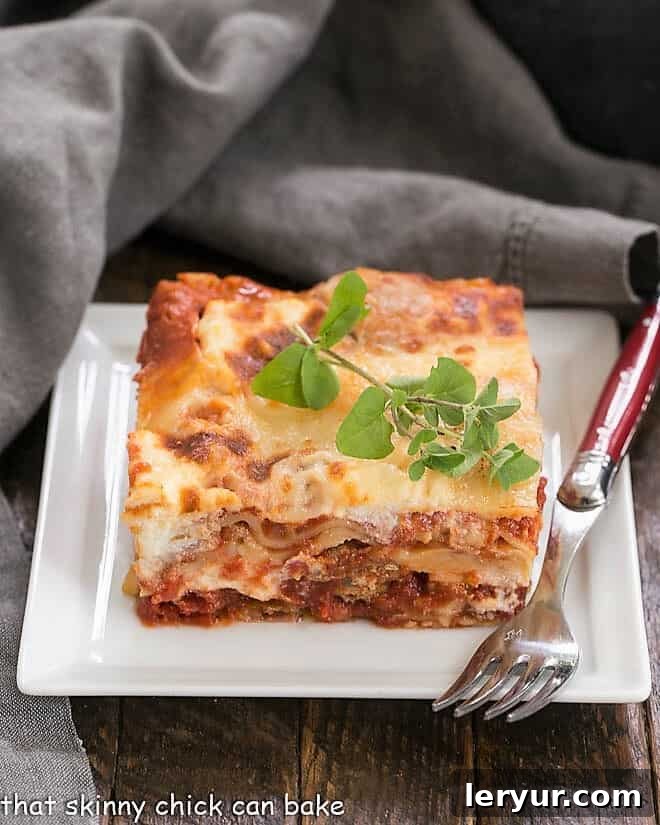
Recipe Tips for a Flawless Lasagna
Achieving a truly remarkable lasagna involves more than just assembling ingredients; it’s about understanding the nuances of each step. These specific recipe tips will guide you toward creating a lasagna that’s not only delicious but also perfectly structured and incredibly satisfying.
- The Foundation: A Flavorful Sauce: A truly delicious lasagna begins with an exceptionally rich and flavorful sauce. Simmering your sauce for at least 2-3 hours is not merely a suggestion; it’s a vital step that allows the flavors to deepen, meld, and transform into a robust foundation for your lasagna. Using a combination of crushed tomatoes for consistency and a touch of brown sugar to balance acidity ensures a beautifully smooth and well-rounded sauce. Don’t forget to remove the celery stalk and bay leaf before layering!
- Umami Boost: Meat Selection: The addition of cooked Italian sausage (or ground beef, if preferred) is essential for that coveted umami, or profound meaty flavor, that makes lasagna so incredibly satisfying. The savory notes from the browned meat elevate the entire dish.
- Cheesy Layers: Mozzarella Mastery: For the ultimate cheesy experience, you can use either shredded or thinly sliced mozzarella. While pre-shredded is convenient, shredding mozzarella from a block often results in a creamier melt. This time, I opted for shredded to simplify the process.
- Creamy Ricotta Application: My personal preference for lasagna is whole milk ricotta, as it yields the creamiest result. It can be a bit challenging to spread evenly, so I find it best to disperse small spoonfuls or dollops of ricotta over the sauce layer. This ensures a consistent creaminess throughout the lasagna without making it too dense.
- Baking to Perfection: To prevent the top of your lasagna from browning too quickly and to ensure the noodles cook thoroughly, always bake it initially covered with a greased piece of foil or non-stick foil. This creates a steaming environment. Towards the end of the baking time, remove the foil. If desired, you can broil the lasagna for a couple of minutes to achieve a beautifully golden, bubbly, and slightly crispy cheese topping, or simply allow the residual heat of the oven to brown the cheese to your liking.
- PRO-Tip: Customizing Your Lasagna for Different Tastes: For a meatless lasagna, or a delectable Lasagna with Spinach, simply eliminate the Italian sausage from the recipe. Instead, prepare a vibrant spinach-ricotta mixture: combine one defrosted and thoroughly squeezed-dry 9-ounce box of frozen chopped spinach with the ricotta cheese, one egg (as a binder), ¼ cup of grated Parmesan cheese, 1 teaspoon of dried basil, ½ teaspoon of salt, and ¼ teaspoon of freshly ground black pepper. Layer this flavorful spinach-ricotta mixture in place of the plain ricotta cheese, creating a delightful vegetarian option that’s equally rich and satisfying.
Frequently Asked Questions About Lasagna
Here are answers to some common questions that arise when making this delicious ricotta and Italian sausage lasagna:
The word “Ricotta” ingeniously translates to recooked in Italian, a name derived from its traditional origins. Historically, ricotta was made from the whey – the yellowish liquid that remains after milk has been used to produce other cheeses. An acid, along with a bit of fresh milk, was typically added to this leftover whey to encourage the coagulation of the remaining proteins, forming the delicate curds that become ricotta.
However, in contemporary production, particularly in the US, ricotta is often made directly from whole milk rather than whey. Despite this change, the underlying technique remains similar, focusing on gently coagulating milk proteins to create those small, tender curds that characterize fluffy, creamy ricotta cheese, renowned for its light texture and subtly sweet flavor.
Absolutely! If high-quality ricotta isn’t readily available at your local grocery store, or if you simply enjoy the satisfaction of homemade ingredients, you can easily make it with just four simple components. Here’s a tried-and-true recipe from my sister:
1. Begin by squeezing 2-3 fresh lemons to yield approximately 7 tablespoons of juice.
2. In a substantial pan, combine ½ gallon of whole milk, 1 cup of rich heavy cream, ¼ teaspoon of salt, and the fresh lemon juice. Place the pan over medium-low heat.
3. Gently heat the mixture for about 45 to 50 minutes, stirring occasionally to prevent sticking. The temperature should reach between 165 to 170 degrees Fahrenheit.
4. Continue to stir once or twice, but avoid over-stirring, as this can result in excessively small ricotta curds.
5. Slightly increase the heat and cook for an additional 7 to 8 minutes, or until the temperature registers 200 to 205 degrees Fahrenheit both at the edges and in the center of the pan.
6. Remove the pan from the heat and allow the mixture to rest undisturbed for 15 minutes, which allows the curds to fully form.
7. Line a colander with a double thickness of damp cheesecloth. Carefully pour the curds into the prepared colander.
8. Let the ricotta drain for a minimum of 20 minutes to achieve your desired consistency.
This process typically yields about 16 ounces of delightful, light, and subtly lemony ricotta – perfect for your lasagna, fresh salads, or even a homemade cheesecake!
Yes, absolutely! While Italian sausage adds a distinct, spicy or sweet flavor profile, you can easily substitute it with ground beef. Use 1.5-2 pounds of lean ground beef, brown it thoroughly, drain any excess fat, and then incorporate it into the sauce as you would the sausage. You might want to add a pinch more Italian seasoning to the sauce to compensate for the different flavor profile.
Watery lasagna is often a result of a few factors. First, ensure your ricotta cheese is drained well, especially if using a higher moisture brand. Second, make sure your tomato sauce is simmered long enough to thicken properly. Third, if using traditional noodles, ensure they are properly drained after boiling. Finally, and crucially, allow the lasagna to rest for at least 15-20 minutes after baking before slicing. This allows the internal liquids to redistribute and the cheese to set, preventing a watery mess.
Yes, lasagna is an excellent make-ahead meal! You can assemble the entire lasagna, cover it tightly with plastic wrap and then foil, and refrigerate it for up to 2 days before baking. If baking from cold, you may need to add an extra 15-20 minutes to the baking time. Alternatively, you can freeze the assembled, unbaked lasagna for up to 3 months. Thaw overnight in the refrigerator before baking, or bake directly from frozen, extending the baking time significantly (up to 1.5 – 2 hours covered).
Leftover lasagna, stored properly in an airtight container, will last for 3-4 days in the refrigerator. For best results, reheat individual portions in the microwave or a conventional oven until heated through.
Serving Suggestions and More Pasta Recipes
A hearty lasagna like this rich Ricotta Lasagna with Italian Sausage is often a meal in itself, but a few simple accompaniments can complete the dining experience beautifully. Pair it with a crisp green salad dressed with a light vinaigrette to provide a refreshing contrast to the richness of the pasta. A basket of warm, crusty garlic bread or a simple artisan loaf is perfect for soaking up any remaining sauce. For beverages, a medium-bodied red wine, such as Chianti or Merlot, complements the robust flavors of the sauce and sausage. For non-alcoholic options, sparkling water with lemon or iced tea works wonderfully. This dish is designed to be shared and savored.
You May Also Like These Delicious Pasta Dishes:
- Sausage Pepper Mushroom Fettuccine
- Classic Italian Meat Sauce
- Easy Spinach Lasagna
- Straw and Hay Pasta
- More Incredible Pasta Recipes
Stay connected with us for more delicious recipes and kitchen inspiration! Follow us on social media @ Instagram, Facebook, and Pinterest. Don’t forget to tag us when you try one of our recipes – we love to see your creations! And if you absolutely love the results of this lasagna, please consider giving it a 5-star rating in the recipe card below. Your feedback helps other home cooks discover these fantastic dishes!
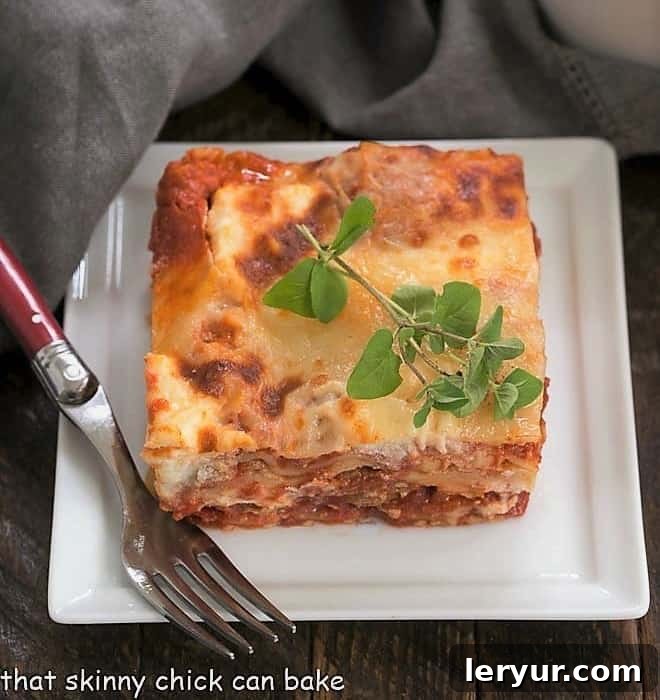
Ricotta Lasagna with Italian Sausage
30 minutes
3 hours
3 hours 30 minutes
8 servings
A fabulous lasagna featuring a rich, flavorful slow-cooked sauce, generous dollops of creamy ricotta cheese, savory mild Italian sausage, and abundant layers of gooey mozzarella. This dish promises an unforgettable comfort food experience!
Ingredients
- 1 cup chopped onion
- 2 tablespoons olive oil
- 2 cloves minced garlic
- 1 28-ounce can crushed tomatoes
- 1 16-ounce can diced tomatoes
- 1 6-ounce can tomato paste
- 1 tablespoon brown sugar
- 1 teaspoon salt
- 1 ½ teaspoons oregano
- ¼ teaspoon thyme
- 1 bay leaf
- 1 stalk of celery, cut in half
- 2 cups water
- 4 links Italian sausage (1½-2 pounds), sliced and cooked
- 1 pound ricotta cheese
- 1 ½ pounds mozzarella, grated
- 8 ounces lasagna noodles, soaked in warm water for about an hour or no boil lasagna noodles
Instructions
- In a large pan or Dutch oven, heat olive oil over medium heat. Add chopped onion and sauté until translucent and softened, about 5-7 minutes. Add minced garlic and cook for another minute until fragrant, being careful not to burn it.
- Stir in the crushed tomatoes, diced tomatoes, tomato paste, brown sugar, salt, oregano, thyme, bay leaf, celery stalk (cut in half for easier removal), and water. Bring the mixture to a gentle simmer.
- Reduce heat to low, cover, and simmer the sauce for 2-3 hours, stirring occasionally. This slow cooking allows the flavors to deepen and meld beautifully. After simmering, remove and discard the celery stalk and bay leaf.
- If using dried lasagna noodles, soak them in warm water for about an hour. This method softens them sufficiently, eliminating the need for pre-boiling. Alternatively, use no-boil lasagna noodles as per package directions.
- While the sauce simmers, cook the Italian sausage. In a separate sauté pan, brown the sliced or crumbled sausage over medium-high heat until it’s cooked through and beautifully caramelized on both sides. This browning is essential for flavor. Drain any excess fat, then add the cooked sausage to the tomato sauce.
- Preheat your oven to 350ºF (175ºC). Lightly grease a 9 x 13-inch baking pan. Spread a small amount of the tomato sauce (without sausage chunks, if preferred) on the bottom of the dish to prevent sticking and to provide moisture for the first layer of noodles.
- Begin layering your lasagna: Place half of the prepared lasagna noodles over the sauce. Follow with half of the remaining sauce (distributing any sausage evenly). Next, spoon half of the ricotta cheese in dollops over the sauce. Finally, sprinkle half of the grated mozzarella cheese. Repeat these layers: noodles, sauce, ricotta, and mozzarella.
- Cover the baking dish tightly with a greased piece of aluminum foil (grease the underside to prevent cheese from sticking) or use non-stick foil.
- Bake for 1 hour. To achieve a golden-brown and bubbly cheese topping, remove the foil for the last 15 minutes of baking. If desired, you can briefly broil for 1-2 minutes, watching carefully to prevent burning.
- Once baked, remove the lasagna from the oven and let it cool and rest for about 15-20 minutes before cutting and serving. This resting period is crucial as it allows the layers to set, making for cleaner slices and preventing the lasagna from falling apart.
Notes
This lasagna is excellent for meal prepping. It can be fully assembled and then frozen before baking. If baking from frozen, extend the baking time significantly to approximately 1 ½ hours or until it is heated through completely and bubbly. Ensure it reaches an internal temperature of 165°F (74°C).
This recipe has been adapted from a beloved classic from Creme de Colorado, with enhancements for modern palates and techniques.
Recommended Products
As an Amazon Associate and member of other affiliate programs, I earn from qualifying purchases.
- Black Silicone Spatula
- Nonstick Aluminum Foil
- 9 x 13 Inch Ceramic Baking Dish
Nutrition Information:
Yield:
8
Serving Size:
1
Amount Per Serving:
Calories: 627Total Fat: 38gSaturated Fat: 18gTrans Fat: 0gUnsaturated Fat: 19gCholesterol: 106mgSodium: 1404mgCarbohydrates: 35gFiber: 5gSugar: 13gProtein: 38g
HOW MUCH DID YOU LOVE THIS RECIPE?
Please leave a comment on the blog or share a photo on Pinterest