
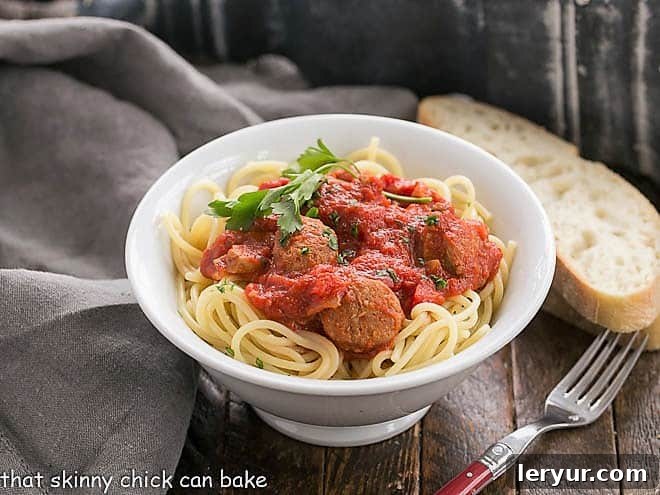
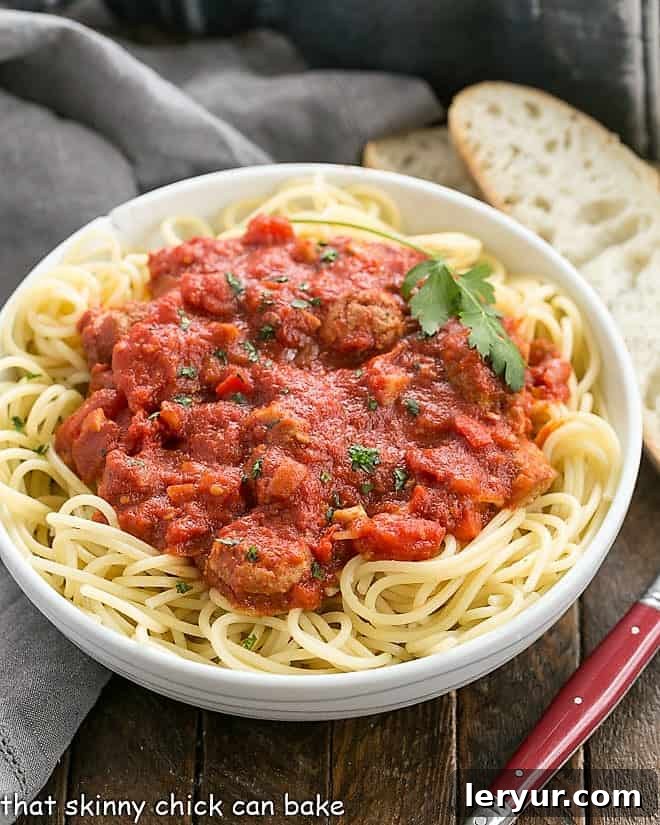
Unlock an unparalleled culinary experience with this truly unforgettable Homemade Pasta Sauce Recipe. Building layers of rich, savory flavor, this sauce requires a gentle, unhurried simmer and a selection of exquisite ingredients that culminate in the most delicious Spaghetti Sauce you’ll ever taste. Prepare to make this recipe a treasured staple in your kitchen, delighting family and friends time and again!
Transform simple pantry staples like robust red wine, savory Italian sausages, aromatic vegetables, and a medley of warming spices into the ultimate Best Spaghetti Sauce, all from the comfort of your own home. This isn’t just a sauce; it’s a labor of love that promises depth, complexity, and a comforting taste of authentic Italian-American cooking.
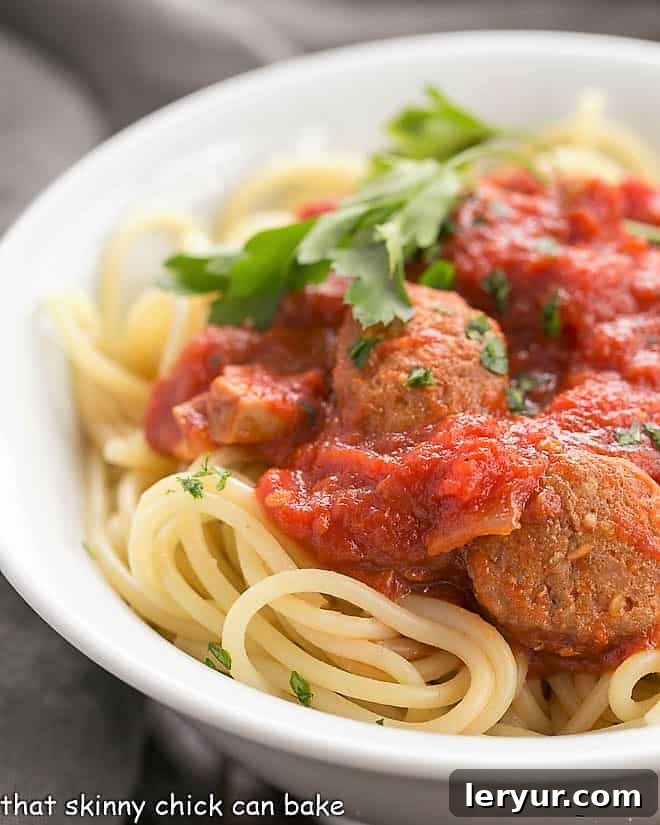
Why You Must Make This Homemade Pasta Sauce
There’s a distinct charm and undeniable superiority to a homemade pasta sauce, especially one crafted with the care and attention this recipe demands. Beyond simply being “better,” here are compelling reasons why this particular sauce should be next on your culinary agenda:
- Unrivaled Flavor Depth: Unlike jarred sauces that often taste one-dimensional, this homemade version develops profound layers of flavor through a long, slow simmer. Each ingredient contributes its unique essence, from the sweetness of tomatoes to the savory notes of sausage and the nuanced bitterness of wine, creating a symphony for your palate.
- Superior Ingredient Control: When you make your sauce from scratch, you’re in charge. You choose fresh, high-quality ingredients, avoid artificial preservatives, excessive sugars, and unknown additives found in many store-bought options. This translates to a healthier, more natural, and genuinely delicious sauce.
- Surprisingly Simple to Prepare: While the simmering time is extensive, the hands-on preparation for this pasta sauce is minimal. A bit of chopping, browning, and then the magic happens on its own, allowing you to focus on other tasks while your kitchen fills with intoxicating aromas.
- Economical and Rewarding: Crafting your own sauce is often more cost-effective than repeatedly buying premium jarred sauces. Furthermore, the immense satisfaction of creating something so flavorful and nourishing from scratch is an invaluable reward in itself. Once you experience the ease and deliciousness of this recipe, you’ll likely bid farewell to jarred sauces for good.
- Versatile and Adaptable: This robust sauce is incredibly versatile. While perfect for spaghetti, it also elevates lasagna, baked ziti, or even a simple side of crusty bread. You can easily adapt it by adding different vegetables or varying the type of sausage to suit your preferences.
Knowing exactly what goes into your meal and seeing the quality of the ingredients transform into such an exceptional dish assures you that you’re serving the absolute best spaghetti sauce possible. Let’s delve into the key ingredients that make this recipe shine.
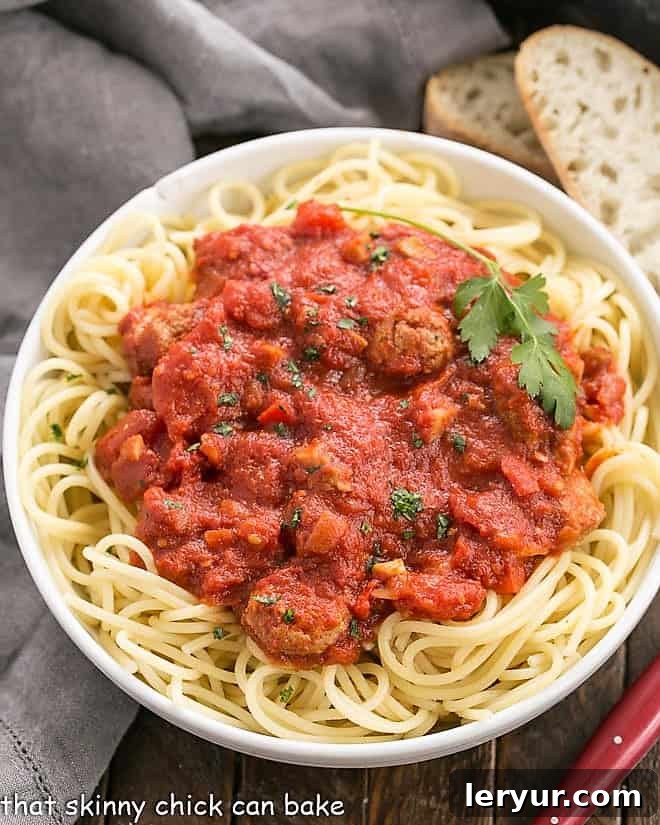
Key Ingredients for the Perfect Pasta Sauce
Each ingredient in this homemade pasta sauce plays a vital role in building its signature deep and complex flavor profile. Understanding their individual contributions will help you appreciate the alchemy that occurs during the long simmer.
- Aromatics: Onion, Garlic, Bell Pepper, Mushrooms, Bay Leaves. These foundational ingredients are the unsung heroes of flavor. Onions and garlic provide a sweet, pungent base, releasing their fragrant compounds when gently sautéed. Bell peppers add a subtle sweetness and earthy undertone, while mushrooms contribute a meaty, umami richness. Bay leaves infuse the sauce with a delicate, herbaceous note that becomes more pronounced over time. Together, they create a robust aromatic foundation for the entire sauce.
- Olive Oil: More than just a cooking medium, good quality olive oil acts as a flavor extractor. It helps to draw out and carry the fat-soluble flavors from the onions, garlic, and sausage, distributing them evenly throughout the sauce. It also contributes a subtle fruity and peppery note that enriches the overall taste.
- Tomatoes and Tomato Paste: The heart and soul of any great red sauce. We use both plum tomatoes (for their rich, sweet flesh and lower water content) and concentrated tomato paste. Tomatoes provide the essential bright acidity and classic “tomatoey” flavor, while tomato paste deepens the color and intensifies the tomato flavor, adding a crucial layer of umami. Umami is often described as a savory, rich, and mouth-watering taste, and it’s naturally abundant in ripe tomatoes.
- Italian Sausage: This is where a significant portion of the sauce’s savory depth comes from. Whether you choose mild, sweet, or spicy Italian sausage, the seasoned meat releases flavorful fats and proteins during browning. These contribute not only to the texture but also infuse the sauce with highly sought-after umami flavors and complex spice notes. The sausage pieces become tender and melt-in-your-mouth delicious after simmering for hours.
- Worcestershire Sauce: While not a traditional Italian ingredient, Worcestershire sauce is a secret weapon for adding an incredible boost of umami. Its fermented, savory, and slightly tangy profile, derived from ingredients like anchovies, tamarind, and vinegar, offers an unparalleled depth that complements the other flavors beautifully. Don’t skip it – it makes a noticeable difference!
- Angostura Bitters (Optional): This intriguing addition is usually reserved for cocktails, but its complex blend of 40 herbs and spices, including gentian, can add “depth and complexity” to savory dishes. Just a few dashes can subtly elevate the sauce, introducing a sophisticated, slightly bitter undertone that balances the richness. If you don’t have it on hand, your sauce will still be delicious without it, but it’s worth experimenting with if you’re feeling adventurous.
- Red Wine: Like salt, red wine acts as a powerful flavor enhancer. When added early in the cooking process, the alcohol evaporates, leaving behind its concentrated fruity, earthy, or tannic notes. This not only deepens the overall flavor but also helps to deglaze the pan, incorporating all the delicious browned bits (fond) from the sausage and aromatics into the sauce. Choose a dry red wine you’d enjoy drinking, such as a Chianti, Merlot, or Cabernet Sauvignon.
- Sugar: A touch of sugar helps to balance the acidity of the tomatoes, creating a well-rounded and harmonious flavor profile. It doesn’t make the sauce sweet but rather smooths out any sharp edges.
- Salt, Black Pepper, Celery Salt: Essential seasonings that bring all the flavors into focus. Salt enhances taste, black pepper adds a gentle warmth, and celery salt contributes a subtle savory, earthy note that perfectly complements the other ingredients.
Crafting Your Signature Homemade Pasta Sauce: Step-by-Step
Creating this rich and flavorful homemade pasta sauce is a rewarding process that relies on layering ingredients at key stages. Follow these detailed steps to achieve a truly exceptional sauce:
- Step 1: Build the Aromatic Base. Begin by heating the olive oil in a large, heavy-bottomed pot or Dutch oven over medium heat. This ensures even cooking and prevents scorching. Add the diced onions and minced garlic, sautéing them gently until they become translucent and fragrant, typically 5-7 minutes. The olive oil efficiently extracts the oil-soluble flavor compounds from these aromatics, laying a crucial foundation for the sauce.
- Step 2: Brown the Italian Sausage. Next, add the sliced Italian sausage to the pot. Break it up with a spoon as it cooks, browning it thoroughly on all sides. This browning process is key – it triggers the Maillard reaction, a chemical transformation between amino acids and reducing sugars that creates hundreds of new flavor compounds, giving the sausage (and subsequently the sauce) a rich, savory, and distinctive taste. Cook until no pink remains and the sausage is beautifully browned.
- Step 3: Deglaze with Red Wine. Once the sausage is browned, pour in the dry red wine. Immediately scrape the bottom of the pot with a wooden spoon, lifting all the delicious browned bits, or “fond,” that have accumulated. This fond is packed with concentrated flavor, and deglazing ensures it’s incorporated into your sauce, adding incredible depth. Stir for about a minute, allowing the alcohol to mostly evaporate while its complex flavors remain.
- Step 4: Incorporate Remaining Vegetables and Tomato Paste. Add the diced red bell pepper and diced mushrooms to the pot. Sauté for another 5-7 minutes until they soften slightly. Then, stir in the tomato paste. Cook the tomato paste for 2-3 minutes, stirring constantly. This crucial step, often overlooked, allows the paste to caramelize slightly and develop a richer, less raw tomato flavor.
- Step 5: Combine All Ingredients and Simmer. Finally, add the remaining ingredients: the two 28-ounce cans of plum tomatoes (crush them by hand or with a potato masher directly in the pot for a chunkier texture, or briefly pulse in a food processor for a smoother sauce), Worcestershire sauce, Angostura bitters (if using), sugar, salt, black pepper, celery salt, and bay leaves. Stir everything together thoroughly to combine.
- Step 6: The Long Simmer. Bring the sauce to a gentle simmer, then reduce the heat to very low. Cover the pot partially, allowing some steam to escape. Let the sauce simmer for 2½ to 3 hours, stirring occasionally to prevent sticking. The extended simmering time is non-negotiable for flavor development; it allows all the ingredients to meld, the flavors to deepen, and the sauce to thicken beautifully. If the sauce becomes too thick during simmering, you can add a splash of water or low-sodium chicken broth to reach your desired consistency.
- Step 7: Finish and Serve. Before serving, remove the bay leaves. Taste the sauce and adjust seasonings as needed – you might want a pinch more salt or a dash of pepper. Serve this incredible homemade pasta sauce generously over warm spaghetti, cooked perfectly al dente in well-salted water. A final sprinkling of freshly grated Parmesan cheese is highly recommended for an extra touch of savory perfection.
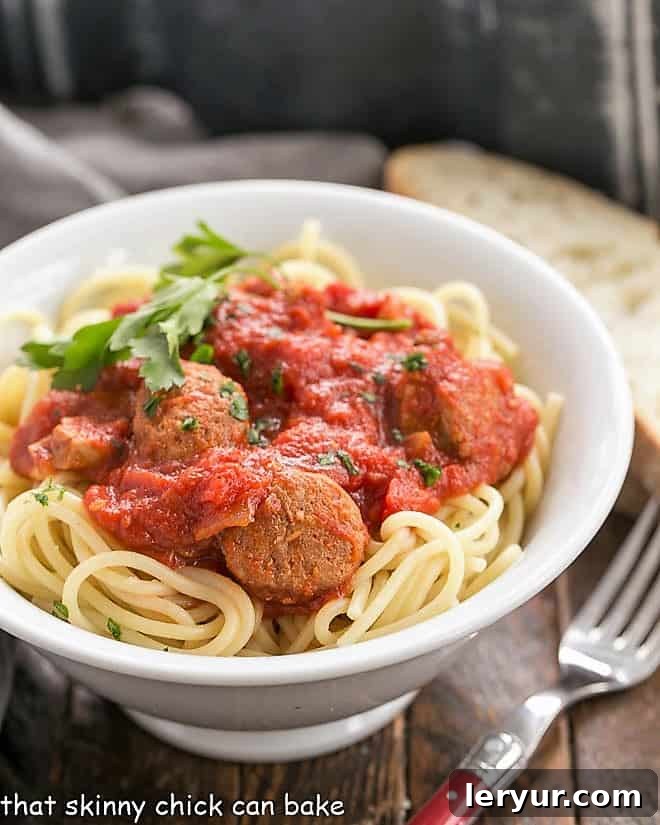
Expert Tips for the Ultimate Pasta Sauce
- PRO-Tip: Effortless Tomato Paste Extraction: To easily get every last bit of tomato paste out of the can, remove both ends of the can. Then, simply push one lid through the can from the opposite end. The lid acts as a perfect scraper, cleanly pushing the paste out.
- Freezing Leftover Wine for Cooking: Don’t let leftover red wine go to waste! Pour it into small freezer-safe Ziploc bags (double-bag to prevent leaks – a lesson learned from experience!) or an ice cube tray. Once frozen, transfer the wine cubes to a larger freezer bag. You’ll always have perfectly portioned wine ready for future recipes, enhancing the flavor of countless dishes.
- Slicing Frozen Italian Sausage: If you’re using frozen Italian sausage links, don’t completely defrost them before slicing. The sausage is much easier to slice into even rounds when it’s still partially frozen. This saves time and makes for neater pieces.
- Taste and Adjust Seasoning: Always taste your sauce before serving and adjust the seasoning as needed. The flavors will concentrate and evolve during the long simmer, so a final check for salt, pepper, or even a tiny pinch of sugar can make a significant difference.
- Embrace the Low Simmer: Resist the urge to rush the cooking process. A true, gentle simmer (where only small bubbles periodically break the surface) is essential for developing the complex flavors and tenderizing the sausage. High heat can burn the bottom and create a thin, watery sauce.
- Choosing the Right Tomatoes: While canned crushed or diced tomatoes work, whole peeled plum tomatoes (San Marzano if available) are often preferred for sauces. They have a richer flavor, lower acidity, and you can crush them by hand for a more rustic texture.
- Make Ahead for Enhanced Flavor: This pasta sauce tastes even better the next day! The flavors continue to meld and deepen as it rests. Consider making it a day in advance for optimal taste.
Frequently Asked Questions About Pasta Sauce
Marinara is typically a simpler, lighter tomato sauce made with just a few core ingredients: tomatoes, aromatics like onion and/or garlic, and herbs (often basil and oregano). It originated in Naples, Italy, and is quick to cook. Traditional Italian pasta dishes like spaghetti aglio e olio, spaghetti alla puttanesca, and spaghetti alla carbonara also highlight regional Italian roots. American-style spaghetti sauces, on the other hand, often expand on the marinara base by incorporating additional ingredients like various meats (meatballs, sausage, ground beef, ribs), a wider range of vegetables, and sometimes a longer simmering time to develop more robust, complex flavors.
Absolutely! Freezing is an excellent way to preserve homemade spaghetti sauce. Allow the sauce to cool completely, then transfer it to freezer-safe containers or heavy-duty freezer bags, leaving a little headspace for expansion. It can be frozen for up to 3-4 months. Thaw overnight in the refrigerator or gently reheat on the stovetop. Leftovers kept in the refrigerator should be consumed within 3-4 days.
Yes, this rich spaghetti sauce recipe adapts wonderfully to a slow cooker, but with one crucial preliminary step. For the best flavor, you must first brown the garlic, onion, and sausage in a skillet on the stovetop. This step is essential for developing the Maillard reaction and deglazing with wine, which builds foundational flavor that a slow cooker alone cannot achieve. Once these initial steps are complete, transfer the browned ingredients and the rest of the sauce ingredients to your crockpot or slow cooker. Cook on low for approximately 8 hours or on high for 4 hours, stirring occasionally.
This hearty and rich sausage pasta sauce pairs beautifully with sturdy pasta shapes that can hold up to its robust texture. Think classic spaghetti or linguine, but also consider rigatoni, penne, or even pappardelle. The wider noodles provide more surface area to cling to the chunky sauce, ensuring every bite is flavorful.
While this recipe highlights Italian sausage, you can certainly adapt it to be vegetarian or vegan. Omit the sausage and Worcestershire sauce. To maintain a rich, umami depth, consider adding more mushrooms, a touch of smoked paprika, or a splash of soy sauce (or tamari for gluten-free) instead of Worcestershire. You might also add plant-based sausage alternatives, or lentils for a hearty texture.
Explore More Delicious Pasta Recipes:
- Garlic Shrimp Pasta
- Spinach Stuffed Pasta Shells
- Cheesy Baked Pasta
- Penne alla Vodka
- Classic Italian Meat Sauce
- More Pasta Recipes
- More Main Course Recipes
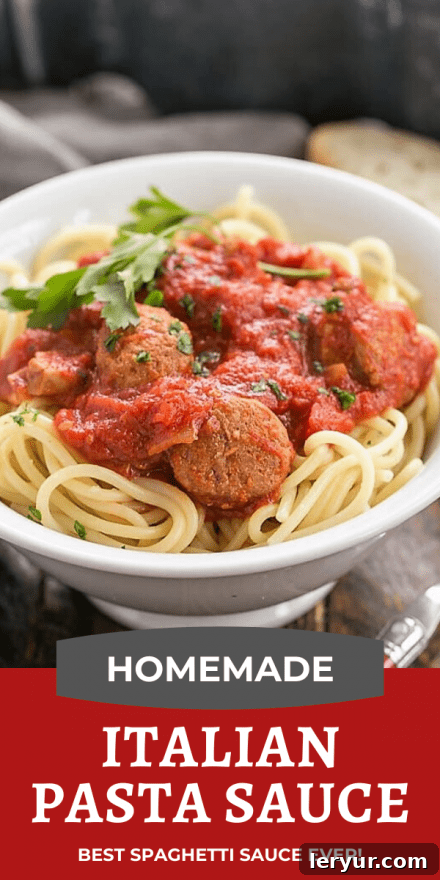
We hope you cherish this amazing homemade pasta sauce as much as we do! Stay connected with us and share your culinary creations on social media: find us on Instagram, Facebook, and Pinterest. Don’t forget to tag us when you try one of our recipes! And if you absolutely adore the results, please consider leaving a 5-star rating for this recipe!
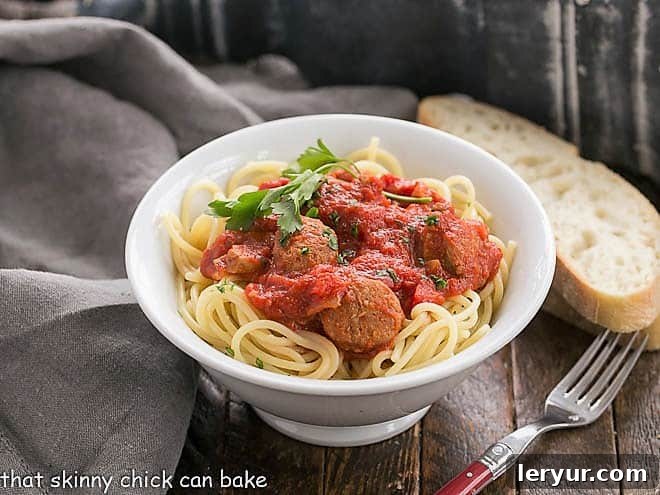
Homemade Pasta Sauce Recipe with Sausage
20 minutes
2 hours 30 minutes
2 hours 50 minutes
8 servings
The Best Homemade Pasta Sauce with layers of flavors, featuring savory Italian sausage and a rich, slow-simmered tomato base.
Ingredients
- ½ cup onion, diced
- 2 cloves garlic, minced
- ¼ cup olive oil
- 1 pound mild sweet or spicy Italian sausage links, cut into slices
- ½ cup dry red wine
- ½ red bell pepper, diced
- 8 ounces fresh mushrooms, diced
- 1 6-ounce can tomato paste
- 2 28-ounce cans plum tomatoes
- 1 ½ teaspoons Worcestershire sauce
- 3-5 dashes Angostura bitters, optional
- 1 tablespoon sugar
- ½ teaspoon salt
- ¼ teaspoon fresh ground black pepper
- ½ teaspoon celery salt
- 2 bay leaves
Instructions
- In a Dutch oven or similar-sized heavy pan, sauté onion and garlic in olive oil over medium heat until transparent and fragrant. Add Italian sausage and brown thoroughly over medium heat, breaking it up with a spoon as it cooks.
- Deglaze the pan with dry red wine, stirring for a minute and scraping up all the browned bits (fond) from the bottom of the pan to incorporate them into the sauce.
- Add diced red bell pepper, diced mushrooms, tomato paste, plum tomatoes (crushed), Worcestershire sauce, Angostura bitters (if using), sugar, salt, black pepper, celery salt, and bay leaves. Stir all ingredients to combine well.
- Bring the sauce to a gentle simmer, then reduce the heat to very low. Cover partially and simmer for 2½ to 3 hours, stirring occasionally to prevent sticking and allow flavors to deepen. Add a little water or broth if the sauce becomes too thick.
- Remove bay leaves before serving. Serve the warm sauce generously over spaghetti, cooked al dente in well-salted water, and garnish with freshly grated Parmesan cheese if desired.
Notes
Adapted from Creme de Colorado Cookbook. For a smoother sauce, you can remove the bay leaves and use an immersion blender to briefly blend the sauce to your desired consistency after simmering.
Nutrition Information:
Yield:
8 servings
Serving Size:
1
Amount Per Serving:
Calories: 352Total Fat: 23gSaturated Fat: 7gTrans Fat: 0gUnsaturated Fat: 18gCholesterol: 32mgSodium: 666mgCarbohydrates: 22gFiber: 5gSugar: 13gProtein: 15g
Nutritional content is for the pasta sauce alone. Calories will vary depending on the amount and kind of pasta used.