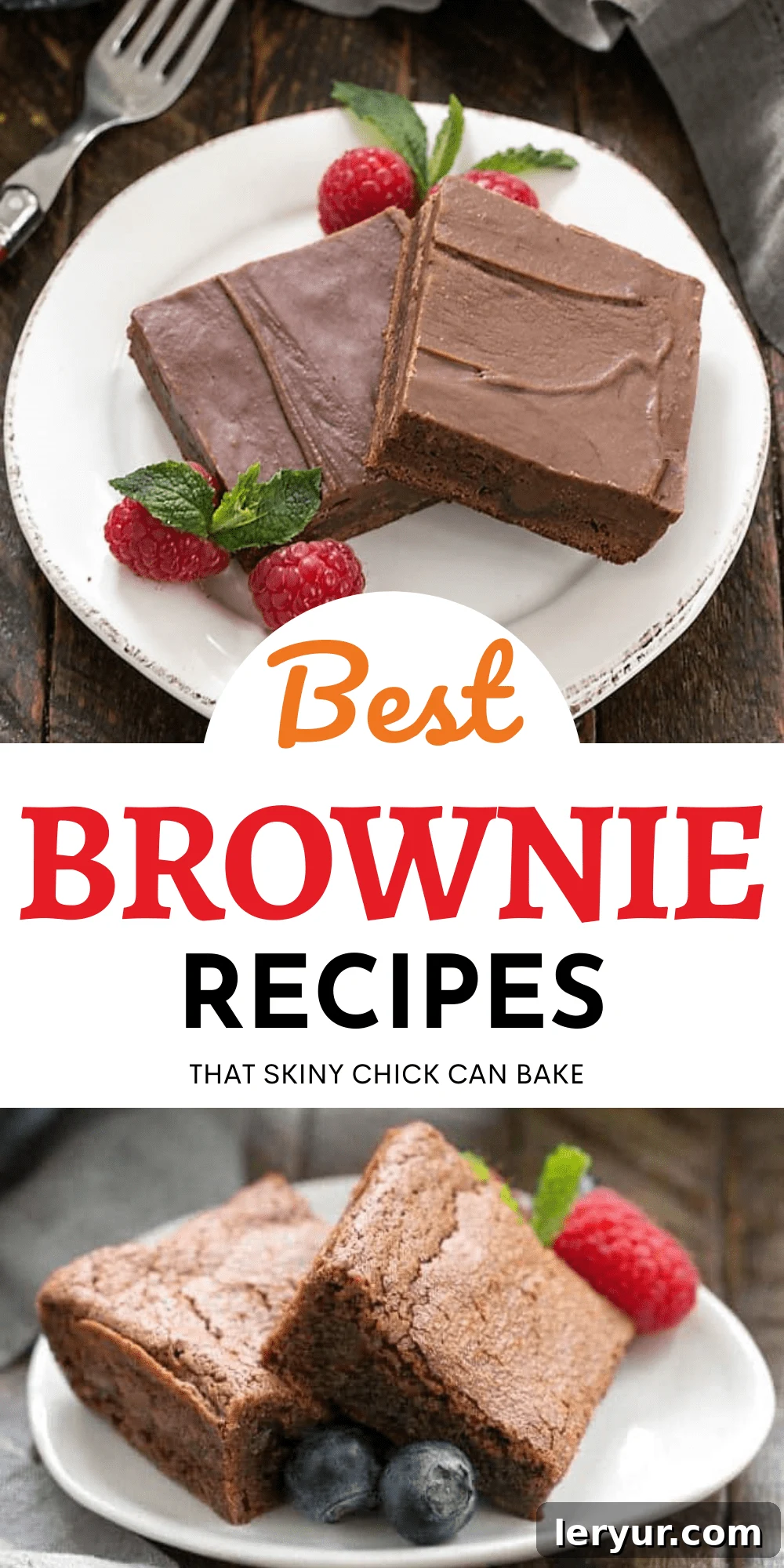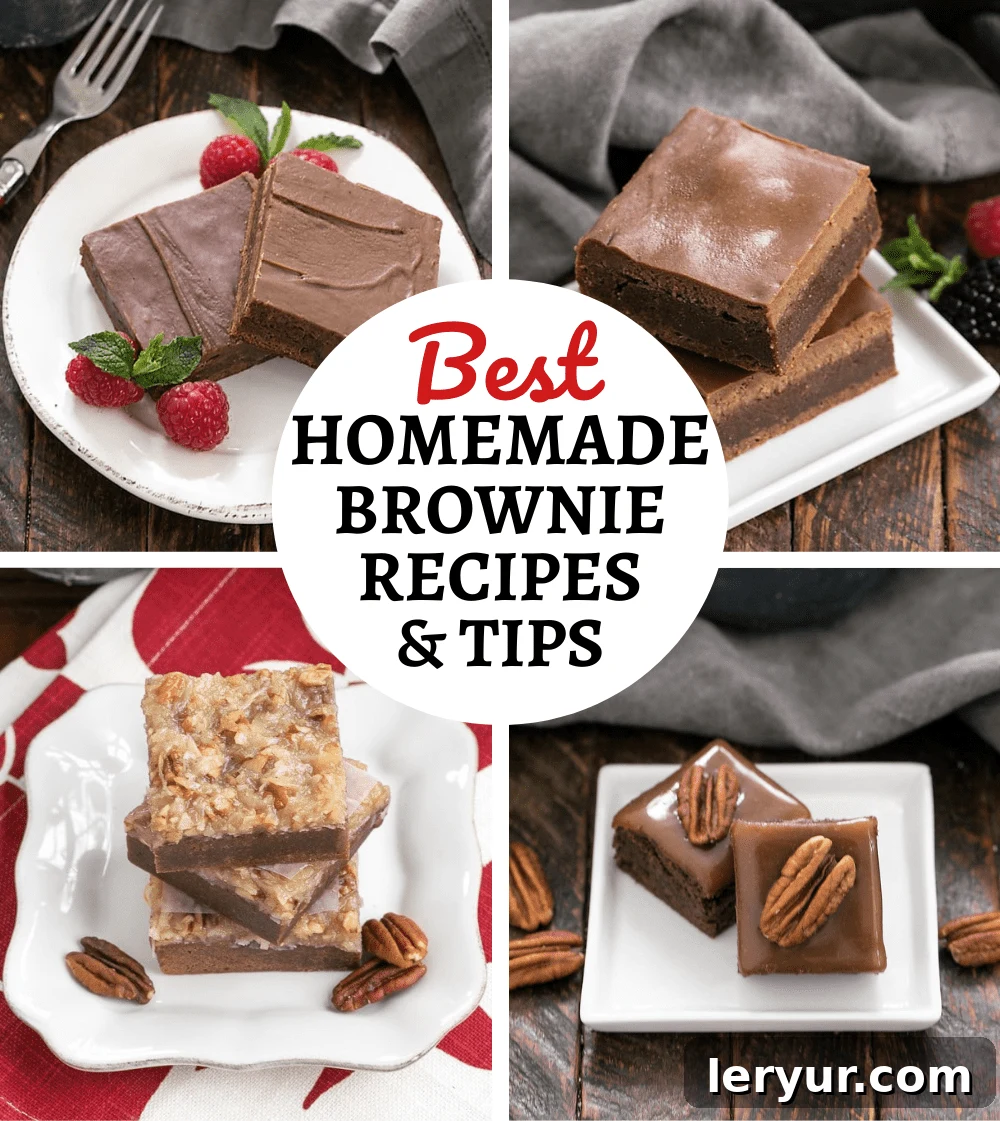
Welcome to the ultimate guide for How to Make Brownies! Here, you’ll discover everything you need to know about baking the perfect batch, along with a curated collection of the Best Brownie Recipes you’ll ever encounter. Whether you crave a decadent dessert or a simple treat, brownies offer a delightful experience for every palate. From straightforward one-bowl wonders to sophisticated gourmet variations, having a diverse range of delicious brownie options in your baking repertoire is always a fantastic idea. This comprehensive resource will empower you to master the art of brownie making, ensuring consistently amazing results that will impress friends and family alike.
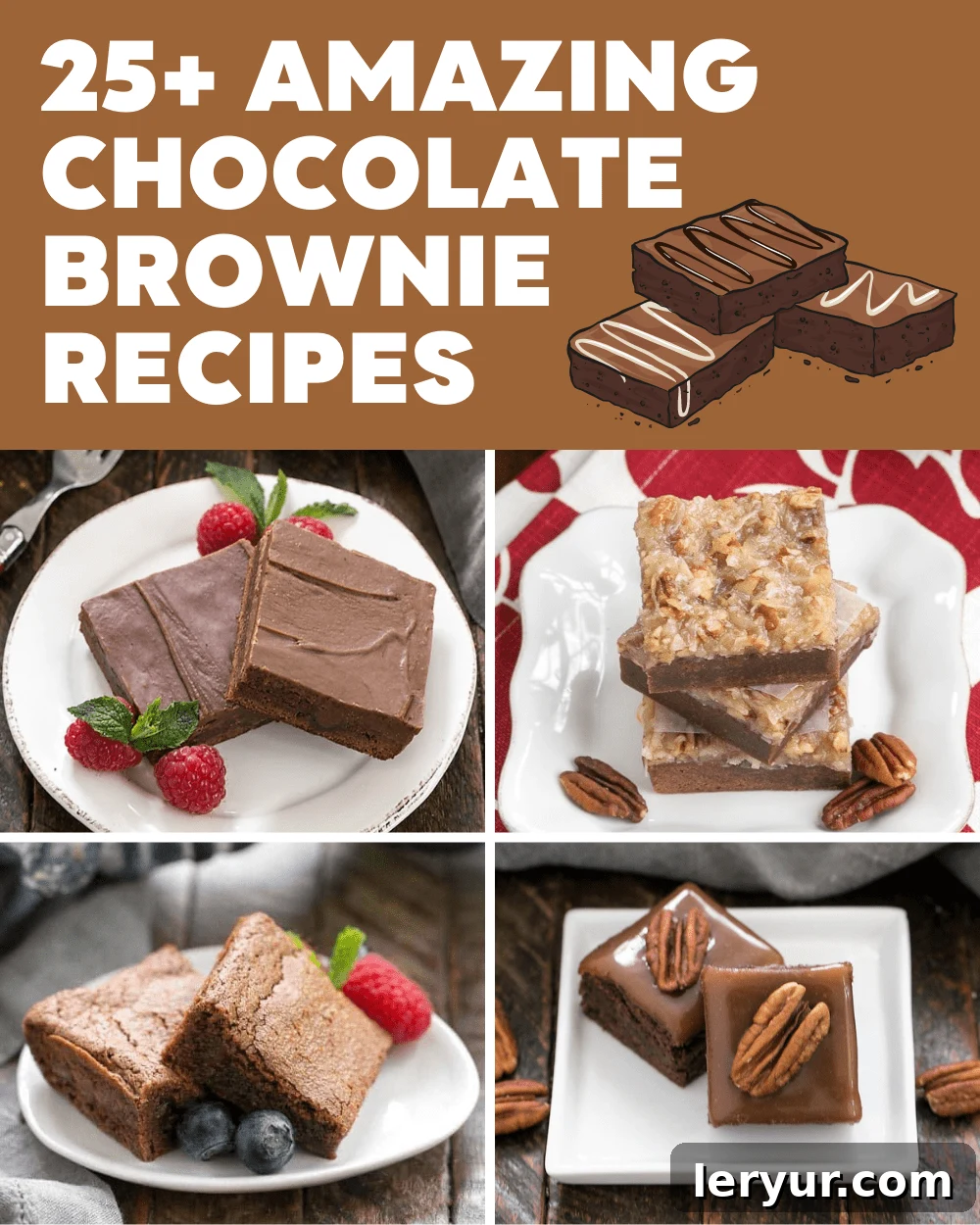
Discover Your Ideal Brownie: Fudgy, Cakey, or Chewy?
Brownies come in a delightful spectrum of textures, each offering a unique experience. Do you find yourself drawn to the rich, dense chewiness of fudgy brownies, the light, airy crumb of cakey brownies, or a special gourmet creation with intricate layers and flavors? Or are you simply an enthusiast of any brownie recipe that crosses your path? For many, the debate between fudgy and cakey is a serious one. Personally, I’m firmly on “Team Fudgy,” believing that a brownie should melt in your mouth with intense chocolate flavor and a substantial, gooey center. However, the beauty of baking lies in personal preference, and this guide aims to help you achieve your perfect brownie, no matter your preference. Dive into our expert tips below to uncover the secrets behind making truly exceptional brownies!
The Art of Brownie Making: A Step-by-Step Guide
Baking brownies might seem simple, but mastering the process ensures consistent, delicious results every time. Follow these essential steps to guide you through crafting your next batch of perfect brownies:
- Choose Your Recipe Wisely: First and foremost, select a recipe that aligns with the type of brownie you envision – fudgy, cakey, or chewy. Each style often requires specific ingredient ratios and techniques, so choosing your recipe is the foundational step.
- Thoroughly Review the Recipe: Before you even gather your ingredients, read through the entire recipe from start to finish. Take note of all the necessary equipment (pan size, mixer type, etc.) and ensure you have all ingredients on hand, or add any missing items to your shopping list. This prevents mid-bake surprises.
- Bring Ingredients to Room Temperature: Unless explicitly stated otherwise in the recipe, allow cold ingredients such as eggs, butter, cream cheese, and sour cream to sit on your counter until they reach room temperature. This is crucial for creating a smooth, emulsified batter that bakes evenly and results in a superior texture.
- Preheat Your Oven Accurately: Always preheat your oven to the specified temperature before you begin mixing your batter. An oven that has fully preheated ensures a consistent temperature from the moment your brownies enter, which is vital for proper rising and baking, preventing underbaked centers or burnt edges.
- Prepare Your Baking Pan: Follow the recipe’s instructions for preparing your pan. This might involve greasing and flouring, lining with parchment paper, or using nonstick foil. Proper pan preparation prevents sticking and makes removal much easier.
- Pre-Prep Your Ingredients: Take the time to prepare any add-ins or special ingredients. This could mean toasting nuts for enhanced flavor, chopping chocolate for consistent melting, or measuring out all dry ingredients precisely. This mise en place approach streamlines the baking process.
- Mix Ingredients Thoughtfully: Combine your ingredients using the method suggested in the recipe, whether by hand with a whisk or spoon, or with an electric mixer. Pay close attention to the order and duration of mixing. For instance, creaming butter and sugar is key for cakey brownies, while melted butter is often preferred for fudgy ones.
- Gently Fold in Flour: When adding the flour, do so in stages and fold it in gently until just combined. Overmixing flour activates gluten, which can lead to tough, rubbery brownies. The goal is a cohesive batter, not an elastic one.
- Transfer Batter to Pan: Scrape all the delicious batter from your mixing bowl into the prepared baking dish. Spread it evenly to ensure uniform thickness, which contributes to even baking.
- Bake as Directed: Place the pan in your preheated oven and bake for the time specified in the recipe. Resist the urge to open the oven door frequently, as this can cause temperature fluctuations and affect the brownies’ rise and texture.
- Check for Doneness: Towards the end of the baking time, check for doneness. This typically involves inserting a toothpick into the center; for fudgy brownies, it should come out with moist crumbs, while for cakey ones, it should be clean or with just a few moist crumbs. Remove the brownies to a cooling rack once done.
- Cool Completely Before Frosting: If your recipe calls for frosting, allow the brownies to cool completely on a wire rack before applying it. Applying frosting to warm brownies will result in a melty, messy disaster.
- Slice and Enjoy!: Once cooled (and frosted, if applicable), slice your brownies into desired portions and dive into your homemade masterpiece!
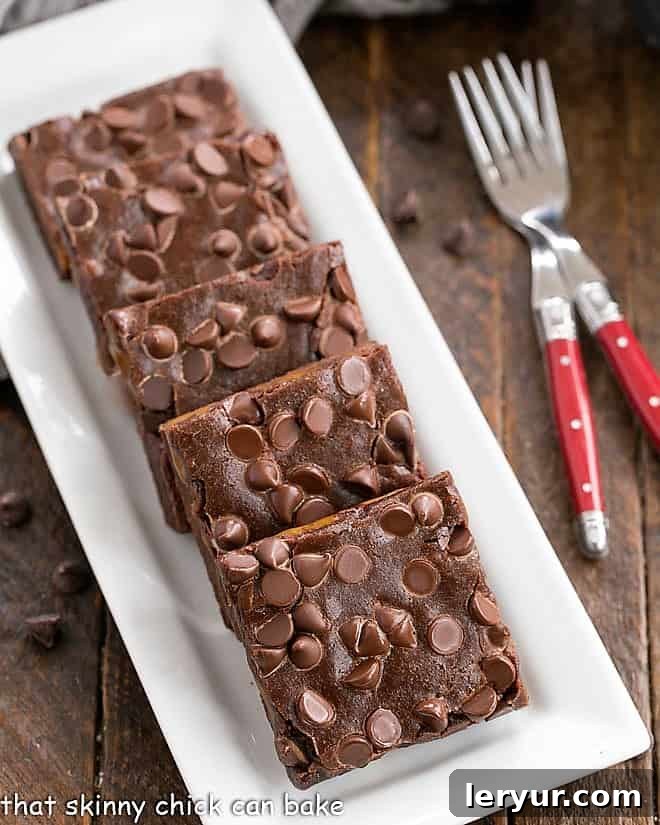
Irresistible Caramel Chocolate Brownies
Expert Tips for Baking the Best Brownies Every Time
Achieving the “perfect” brownie is subjective, depending on whether you prefer fudgy, cakey, or chewy. However, certain techniques will significantly improve any brownie recipe you attempt. Here are some of the best expert tips to help you consistently bake the most delicious brownies:
- Read and Re-Read the Recipe: This cannot be stressed enough. Before you even crack an egg, read the entire recipe carefully. Then, read it again. This helps you understand the process, anticipate steps, and ensure you have all the necessary ingredients and the correct pan size. A clear understanding prevents mistakes and saves time.
- Master Pan Preparation: Proper pan preparation is crucial for easy removal and clean slices. Instead of just greasing or greasing and flouring, consider lining your baking pan with nonstick aluminum foil or parchment paper, leaving an overhang on the sides. This creates a convenient “sling” that allows you to lift the cooled brownies out of the pan onto a cutting board. The non-stick surface ensures the brownies peel away effortlessly, leaving no residue.
- Verify Baking Powder Freshness (for Cakey Brownies): If you’re aiming for cakey brownies, baking powder is your leavening agent. It often loses its potency before you use the entire container. To check if it’s still active, simply place a spoonful in a cup of very hot water. If it fizzes and bubbles vigorously, it’s good to go. If not, replace it to ensure your brownies rise properly.
- Understand Leavening Agents: It’s a common mistake for new bakers to confuse baking powder and baking soda. Remember, these two leavening agents are not interchangeable. Baking soda requires an acid to activate, while baking powder contains both an acid and a base. Always check your labels and use precisely what the recipe calls for.
- Ensure Room Temperature Ingredients: This is a golden rule in baking, especially for eggs and fats like butter, cream cheese, or sour cream (if not melted). Room temperature ingredients emulsify much better, meaning they combine more smoothly and evenly. This creates a uniform batter that bakes consistently, leading to a superior texture and tenderness in your final product.
- Don’t Overbake: This is arguably the most common mistake when making brownies. Overbaking leads to dry, crumbly, and unappetizing brownies. Brownies continue to cook slightly from residual heat after being removed from the oven. For fudgy brownies, a moist toothpick with a few crumbs is perfect. For cakey brownies, a clean toothpick is ideal, but avoid a completely dry one. When in doubt, err on the side of slightly underbaked, especially for fudgy varieties.
- Cool Completely: Patience is key! Brownies need time to set and firm up as they cool. Slicing them while warm can result in a messy, crumbling disaster. Allow them to cool entirely on a wire rack, preferably for several hours or even overnight, before cutting. Chilling them in the refrigerator after cooling can also make for cleaner cuts.
- Use Quality Chocolate: The flavor of your brownies largely depends on the quality of chocolate you use. Invest in good quality cocoa powder, chocolate chips, or baking chocolate. The difference in taste and richness is noticeable and well worth the investment.
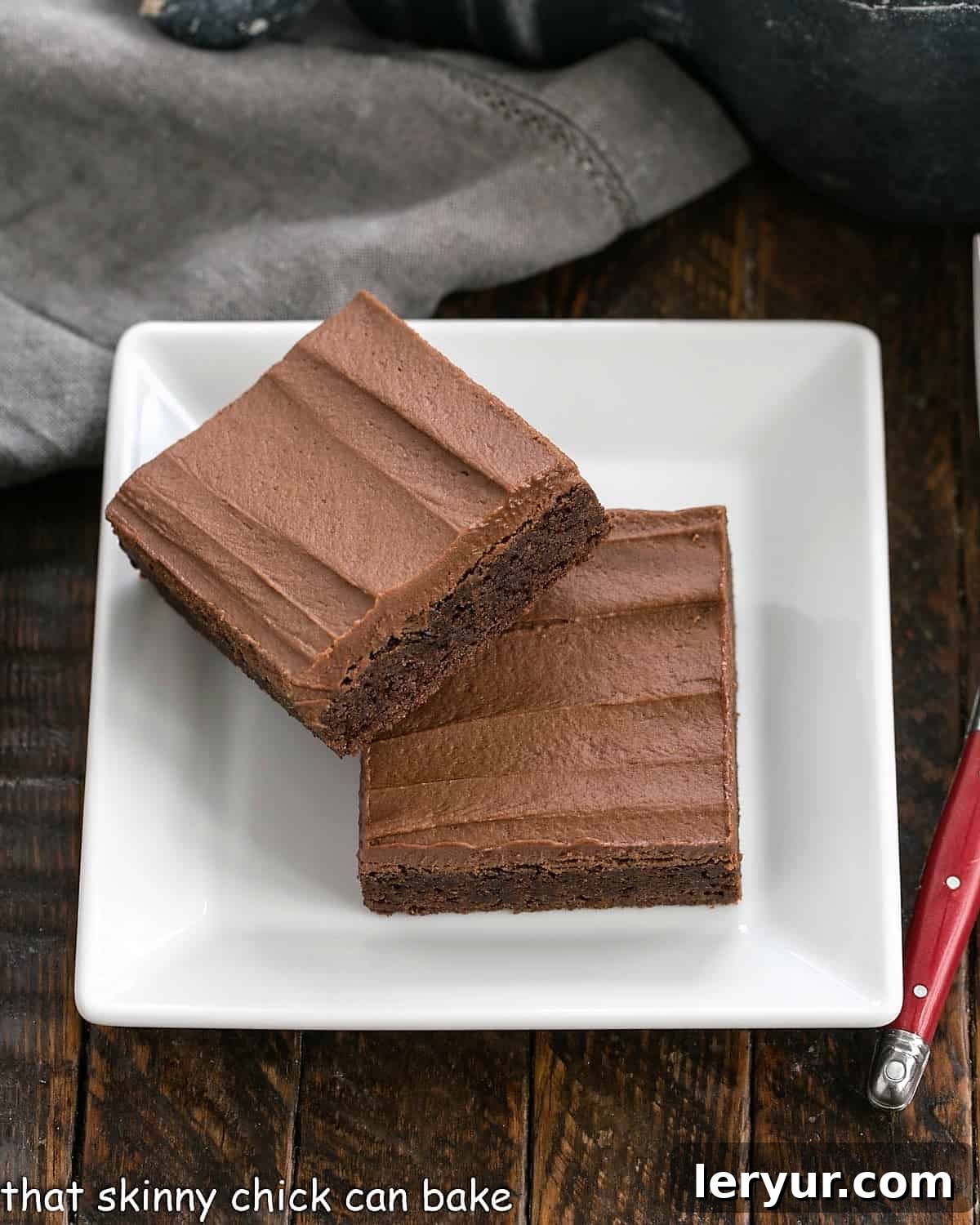
Decadent Frosted Brownies
Indulge: The Best Frosted Brownie Recipes
Frosted brownies add an extra layer of sweetness and texture, elevating a simple chocolate square into a dessert masterpiece. From rich ganaches to creamy buttercreams, explore these delightful recipes that feature a perfect topping:
- Grinch Brownies with Ganache Frosting from Marathons and Motivation
- Irresistible Fudge Topped Brownies
- Classic Frosted Brownies Recipe
- Moist Chocolate Syrup Brownies
- Celestial Ganache-Topped Cosmic Brownies
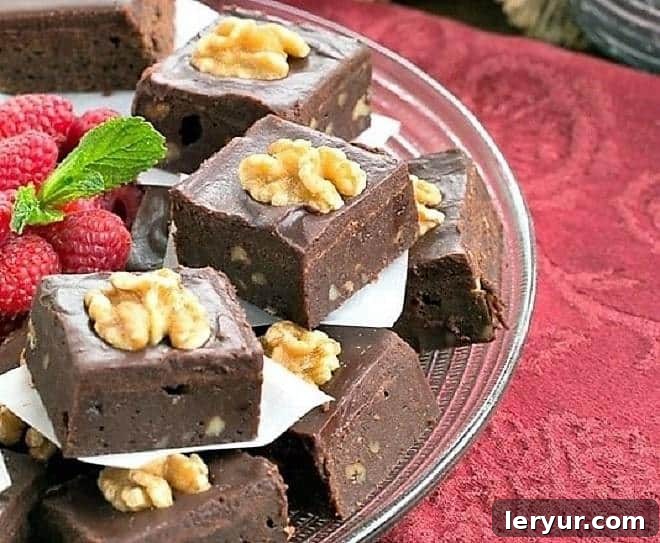
Exquisite Glazed Walnut Brownies
Pure Indulgence: The Best Fudgy Brownie Recipes
For those who adore a dense, moist, and intensely chocolatey experience, fudgy brownies are the ultimate treat. These recipes prioritize a rich, almost truffle-like texture that melts in your mouth:
- Quick and Easy Fudgy Brownies from The Melrose Family
- Decadent Smore’s Brownies from Crayons and Cravings
- The Best Brownies in the World from Cravings of a Lunatic
- Elegant Chocolate Brownie Tart
- Rich Chocolate Glazed Walnut Brownies
- Simply Perfect Fudgy Brownies
- David Lebovitz’s Signature Fudgy Brownies
- Luxurious Truffle Brownies
- Effortless One Bowl Fudgy Brownies
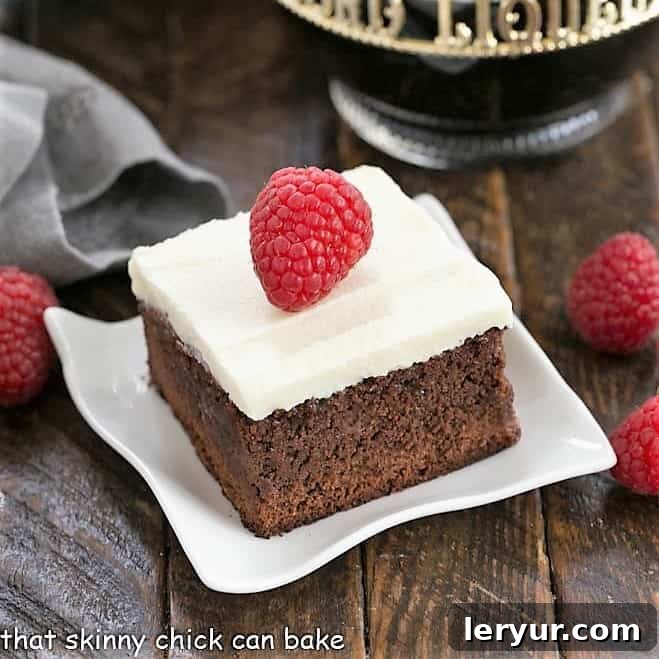
Delightful Raspberry Chambord Brownies
Light & Airy: The Best Cakey Brownie Recipes
If you prefer a brownie that resembles a rich chocolate cake, then cakey brownies are for you. These recipes often feature a lighter, more structured crumb, perfect for those who enjoy a less dense dessert:
- Perfect Classic Cakey Brownies from Cupcake Project
- Deep Double Dark Chocolate Brownies from The Noshery
- Celebratory Birthday Brownies from Snappy Gourmet
- Hearty Homemade Brownies from All Things Mama
- Sweet Raspberry Chambord Brownies
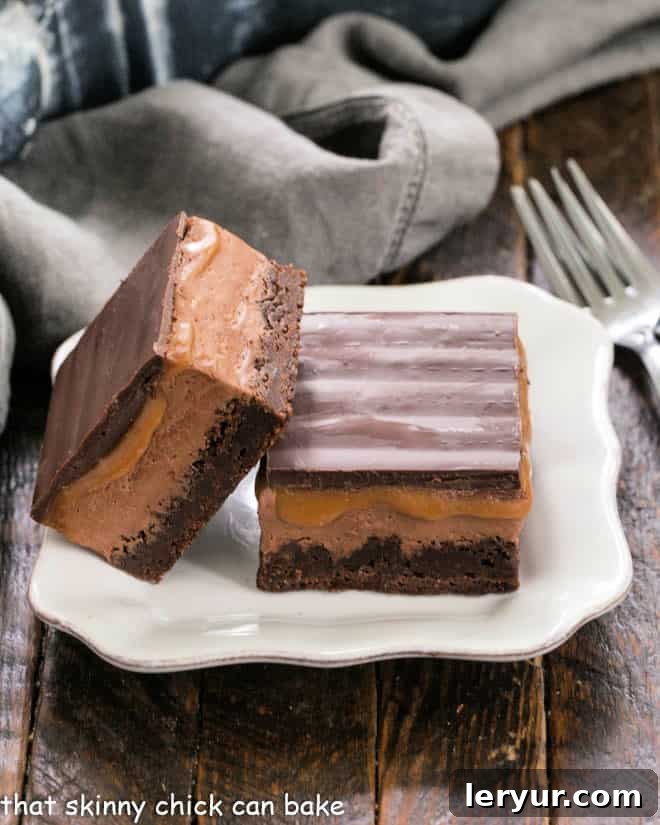
Out-of-this-World Milky Way Brownies
Beyond the Classic: Unique Brownie Recipes to Explore
Ready to venture beyond traditional chocolate brownies? These unique recipes introduce exciting flavors, textures, and twists that will surprise and delight your taste buds:
- Decadent Peanut Butter Truffle Brownies
- Creamy Ricotta Cheesecake Brownies
- Caramel-Nutty Turtle Brownies
- Signature Milky Way Brownies
- Vibrant Red Velvet Brownies
- Rich German Chocolate Brownies
- Warm Fudgy Skillet Brownie
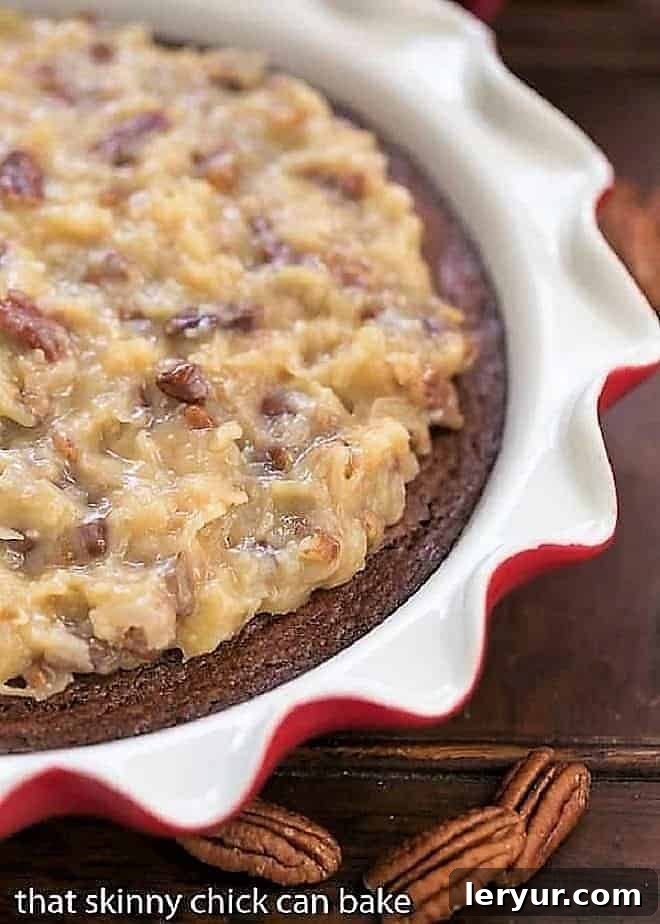
Amazing German Chocolate Brownie Pie
More Brownie Delights: Explore Further Variations
The world of brownies is vast and full of delicious possibilities. From seasonal flavors to innovative preparations, these additional recipes offer even more ways to enjoy this beloved dessert:
- Seasonal Pumpkin Cream Cheese Brownies from Lana’s Cooking
- Impressive Chocolate Brownie Cake from Play Party Plan
- Autumnal Pumpkin Brownies from Berly’s Kitchen
- Quick Microwave Brownie Mug from Happy Deal, Happy Day
- Decadent Caramel Chocolate Brownies
- A Collection of 20+ Brownie Recipes
- Plus, explore all my Best Brownie Recipes for endless inspiration!
Frequently Asked Questions About Baking Brownies
Even experienced bakers can have questions about achieving the perfect brownie. Here are some commonly asked questions, answered to help you master your next batch:
The distinction between fudgy and cakey brownies lies in fundamental food chemistry, specifically the ratio of ingredients and leavening. Fudgy brownies typically feature a higher fat-to-flour ratio, often with less flour, more butter (frequently melted to prevent air incorporation), and no baking powder. The richness comes from butter, egg yolks, and the chocolate itself. This higher fat content and lack of significant leavening result in a dense, moist, and intensely chewy texture that melts in your mouth. The minimal flour means less gluten development, contributing to their gooeyness.
Cakey brownies, conversely, have a lower fat-to-flour ratio. They contain more flour, less butter, and crucially, a leavening agent like baking powder. Similar to a cake, the sugar is often creamed with butter, which incorporates air into the batter. This trapped air, along with the baking powder, helps the batter rise significantly, creating a lighter, more open crumb akin to a cake. This also means more gluten development, contributing to their structured, cake-like texture. They often taste more like a very rich chocolate cake than a dense fudge bar.
It’s also worth noting the categories of Chewy Brownies and Blondies. Chewy brownies are a distinct texture, often achieved through specific ingredient choices (detailed below). Blondies are essentially “blonde brownies” – bar cookies made with brown sugar, butter, eggs, and flour, often with mix-ins like chocolate chips or nuts. The key difference is the absence of cocoa powder or melted chocolate in the batter, giving them their characteristic golden color and caramel-like flavor.
Crafting a truly chewy brownie involves a few key ingredient swaps and additions. One effective method is to find a recipe that incorporates vegetable oil. The presence of oil, rather than solely butter, is a major factor why many boxed brownie mixes tend to yield incredibly chewy results. Oil contributes to a softer, more pliable texture that enhances chewiness.
Another secret lies in sugar choice: try replacing some or all of the white granulated sugar with brown sugar. Brown sugar contains molasses, which not only adds a deeper flavor but also has hygroscopic properties, meaning it attracts and retains moisture. This extra moisture and the chemical reactions it facilitates can speed up gluten formation, resulting in a delightfully chewier brownie. Additionally, some recipes for chewy brownies may call for an extra egg or a combination of two types of chocolate, such as semisweet and unsweetened. According to sources like C&H Sugar, adding unsweetened chocolate, with its higher proportion of starches, can create a stiffer batter that bakes into a chewier brownie, as these starches contribute to the overall structure and density.
For optimal brownie baking, metal pans are generally preferred over glass. Metal is an excellent conductor of heat, allowing the oven’s warmth to transfer quickly and evenly to the entire batter. This promotes uniform baking, ensuring the edges and center cook at a similar rate. Glass, on the other hand, is an insulator. It takes longer for heat to penetrate glass, which means the edges of your brownies can become overcooked and dry by the time the center is fully baked. While glass pans can be used, you might need to adjust baking times and temperatures, often lowering the temperature by 25°F (about 14°C) and baking for a longer duration, to prevent uneven cooking.
Achieving clean, perfect squares when slicing brownies requires a bit of technique and patience. The most crucial step is to allow your brownies to cool completely – and ideally, chill them. Once thoroughly cooled, cover the pan and refrigerate the brownies for at least an hour, or even longer, until they are firm. This firmness prevents crumbling and makes them much easier to cut cleanly. If you lined your pan with foil or parchment, you can then use the overhang as a “sling” to lift the entire slab of brownies out onto a cutting board.
For the actual slicing, use a long, sharp knife. To achieve the cleanest cuts, run your knife under very hot water for about 30 seconds or briefly pass the blade through the flame of a gas burner (if safe to do so) to heat it up. Wipe the blade dry after heating to prevent water from adhering to the brownies. The hot, dry knife will glide through the dense brownies with minimal sticking. Make each cut decisively, and most importantly, wipe the blade clean after every single slice. Residual crumbs and chocolate on the knife will drag through subsequent cuts, making them messy. Use a ruler for precise squares, or simply eyeball it for a more rustic look, but always prioritize a clean, hot knife for the best results.
Stay connected and share your baking journey with us! Follow us on Instagram, Facebook, and Pinterest. Don’t forget to tag us when you try one of our delicious recipes! Your feedback is invaluable, and if you love the results, please consider leaving a 5-star rating in the recipe card to help other bakers discover these amazing treats.