
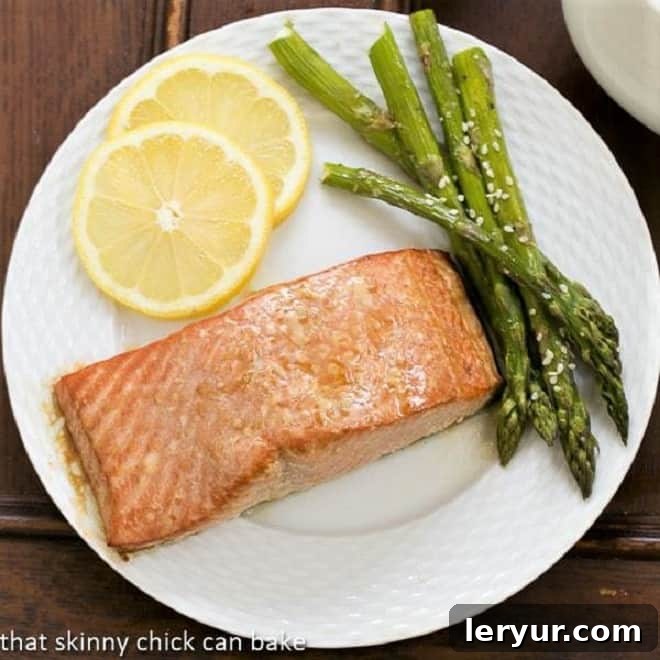
Welcome to the ultimate guide for mastering Cedar Plank Salmon – a culinary technique that promises a symphony of flavors and an unforgettable dining experience. This method transforms simple salmon fillets into a gourmet dish, infusing them with a complex, irresistible smoky aroma and taste. If you’ve ever savored the subtle, aromatic scent of a cedar closet, imagine that essence imparted directly into perfectly cooked, succulent salmon. This isn’t just grilling; it’s an elevation of flavor that will change your routine forever.
Unlocking Flavor: What is Cedar Plank Salmon?
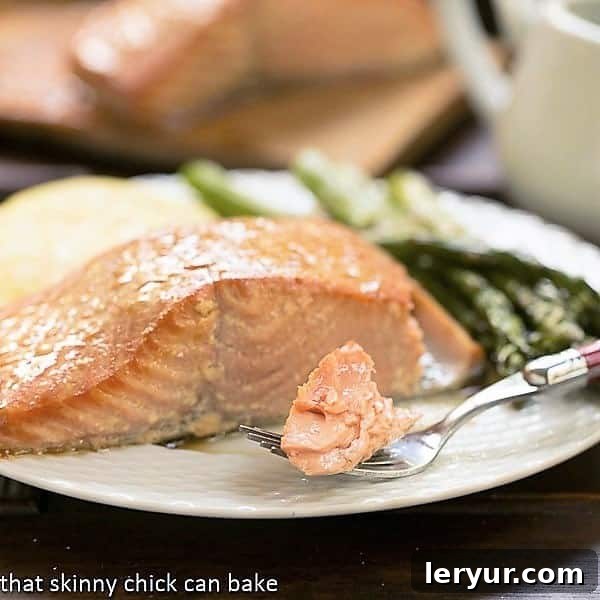
Cedar plank salmon is a beloved cooking method where salmon fillets are grilled or baked on a pre-soaked cedar plank. The magic happens as the plank heats up, releasing fragrant, woodsy steam that permeates the fish. This process keeps the salmon incredibly moist, prevents it from sticking to the grill, and imparts a unique, subtly smoky flavor that complements the richness of the fish perfectly. It’s a method that promises both ease and elegance, making it suitable for weeknight dinners and special occasions alike.
The tradition of plank cooking dates back centuries, originating with Native American tribes who used wooden planks to cook fish over open fires. Today, it remains a popular technique for home cooks and chefs alike, celebrated for its ability to create tender, flavorful seafood with minimal fuss.
This particular recipe builds on a simple yet profound technique, often found on the packaging of cedar planks themselves. Its beauty lies in the combination of common pantry staples for the marinade and the transformative power of the cedar.

Why Choose Cedar Plank Grilling for Your Salmon?
Grilling salmon on a cedar plank offers several distinct advantages that elevate it beyond conventional grilling methods. First and foremost is the incredible flavor infusion. As the plank heats, it gently smokes the salmon, imparting a delicate, woodsy aroma reminiscent of pine forests and campfires. This is a robust yet subtle smoky and spicy flavor that perfectly enhances the natural taste of the salmon without overpowering it.
Secondly, the plank acts as a barrier between the fish and the direct heat of the grill. This protects the delicate flesh of the salmon, ensuring it cooks evenly and remains incredibly moist and flaky. You’ll find that plank-cooked salmon is less likely to dry out or stick to the grates, making for a much more forgiving and enjoyable grilling experience.
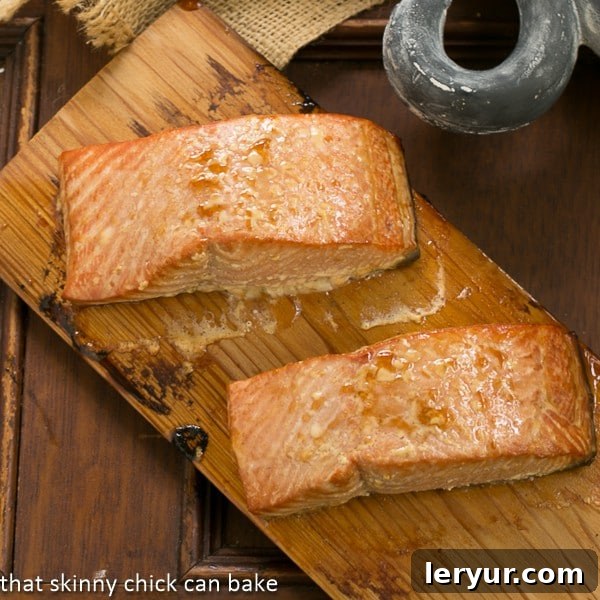
Finally, there’s the aesthetic appeal. Serving salmon directly on the cedar plank creates a stunning presentation that is sure to impress your guests. It’s an elegant way to bring a touch of gourmet dining to your backyard BBQ or indoor gathering. This technique not only enhances taste but also elevates the entire dining occasion.
Understanding the Cedar Plank
A cedar plank is a thin slab of aromatic wood, typically sourced from coniferous trees of the pine family, most commonly Western Red Cedar. While these planks are widely available in grocery stores, especially during peak grilling season, their utility extends beyond the outdoor grill. You can effectively use cedar planks in your oven as well, following similar soaking recommendations before placing your salmon-topped plank into a preheated oven. The wood is renowned for its natural fragrance and durability, historically used to line storage closets due to its moth-repelling properties. When heated, the cedar releases a distinct, faint woodsy flavor that evokes memories of hiking through pristine pine forests in higher elevations, adding a unique character to your food.
Can Cedar Planks Be Reused?
The reusability of a cedar plank depends largely on its condition after the first use. Generally, if the plank isn’t excessively charred or structurally compromised, it can be reused. Less expensive planks are often designed for a single use. However, if only the bottom surface is lightly blackened, and the plank remains intact, it’s usually acceptable for a second round of grilling. For reuse, it’s crucial to thoroughly clean any food residue and ensure the plank is re-soaked for the recommended duration before its next culinary adventure. This helps prevent flare-ups and ensures proper steaming.
The Art of Soaking and Grilling with a Cedar Plank
The foundation of successful cedar plank grilling lies in the proper preparation of the plank itself. Soaking the cedar plank is a non-negotiable step that serves multiple purposes: it prevents the plank from catching fire on the grill and allows it to release steam, infusing your salmon with that signature smoky moisture.
How to Prepare Your Cedar Plank
- Soaking is Essential: Submerge your cedar plank in cold water for a minimum of 60 minutes, though 2-4 hours is ideal for thicker planks or if you want maximum steam. This hydration is crucial to prevent the plank from igniting on the grill and to ensure it effectively steams the salmon. While some charring on the bottom is expected, adequate soaking keeps the flames at bay.
- PRO-Tip for Enhanced Flavor: Don’t limit yourself to plain water! Elevate the flavor profile by soaking your plank in other liquids. Consider salted water, white wine (like a Sauvignon Blanc), apple cider, or even sake. Each liquid imparts its own subtle nuances, adding an extra layer of complexity to your salmon. Experiment to find your favorite combination!
Crafting the Perfect Marinade for Cedar Plank Salmon
The marinade is a critical component in this recipe, designed to complement the cedar’s aroma with a balanced blend of savory, sweet, and tangy notes. Using readily available pantry ingredients, this marinade requires minimal effort for maximum impact. The original recipe wisely called for simmering the used marinade as a glaze, but we’ve enhanced this by doubling the ingredients. This allows you to reserve half of the fresh marinade for reduction into a delectable glaze, ensuring no cross-contamination while maximizing flavor intensity.
Our soy-based marinade is a harmonious blend of vegetable oil, soy sauce, dry white wine, fresh ginger, brown sugar, freshly ground black pepper, and a touch of fresh lemon juice. The oil helps to tenderize the fish and carry flavors, soy sauce provides umami depth, white wine adds acidity and complexity, ginger introduces a subtle spice, and brown sugar offers a balancing sweetness. The fresh lemon juice brightens the overall profile.
Don’t skip the glaze step! Reducing the reserved marinade during cooking not only concentrates these incredible flavors but also eliminates any potential foodborne illness risks associated with raw juices. This reduced glaze, drizzled over the cooked salmon, provides a final flourish of intense, balanced flavor.
Step-by-Step Guide to Grilling Cedar Plank Salmon
Once your plank is soaked and your salmon is marinated, you’re ready to embark on the grilling process. This method is surprisingly straightforward, yielding consistently delicious results.
- Preheat Your Grill and Plank: Begin by preheating your gas or charcoal grill to a medium heat, aiming for around 350-400ºF (175-200ºC). Once the grill is hot, place the soaked cedar plank directly on the grates for a few minutes. This preheating step helps the plank start smoking immediately when the salmon is added.
- Position the Salmon: Carefully place the marinated salmon fillets, skin-side down, directly onto the preheated cedar plank. Ensure there’s a little space between the fillets for even cooking.
- Grill to Perfection: Close the lid of your grill to allow the smoke and steam to circulate. Cook for approximately 10-15 minutes, or until the salmon reaches your desired level of doneness. Cooking time can vary significantly based on the thickness of your salmon fillets and the actual temperature of your grill.
-
Monitor Doneness with a Thermometer: For precise results, use an instant-read thermometer. The FDA recommends cooking salmon to an internal temperature of 145ºF (63ºC). However, many culinary experts prefer a slightly lower temperature for optimal moistness.
- PRO-Tip for Moist Salmon: You can remove the salmon from the grill at around 135ºF (57ºC) and allow it to rest, covered, for about 10 minutes. The residual heat will continue to cook the fish, bringing it up to temperature. Personally, for the moistest, most succulent results, I prefer grilling fattier farmed salmon to 125ºF (52ºC) and leaner wild salmon to 120ºF (49ºC). Always adjust to your personal preference.
- Prepare the Flavorful Glaze: While the salmon is grilling, take the reserved half of your marinade and pour it into a small saucepan. Bring it to a gentle simmer over medium heat and reduce it by half. This process concentrates the flavors into a rich, luscious glaze.
- Serve and Drizzle: Once the salmon is cooked, transfer the plank with the salmon to a serving platter. Drizzle the warm, reduced glaze generously over each fillet before serving. This final touch adds an explosion of concentrated flavor that ties the dish together beautifully.
Oven Roasting Cedar Plank Salmon: An Indoor Alternative
Don’t have a grill or facing inclement weather? You can still enjoy the fantastic flavors of cedar plank salmon by cooking it in your oven! The principle remains the same: the pre-soaked plank will release its aromatic steam, infusing the salmon with a wonderful woodsy essence and keeping it incredibly moist.
- Preheat Your Oven: Preheat your oven to 400°F (200°C).
- Soak Your Plank: Just as with grilling, soak your cedar plank in water for at least 60 minutes.
- Prepare Salmon: Place your marinated salmon fillets, skin-side down, on the soaked plank.
- Roast: Place the plank with salmon directly on a baking sheet (to catch any drips) and transfer it to the preheated oven. Roast for 12-18 minutes, or until the salmon reaches your desired internal temperature (refer to the grilling doneness tips above). Keep an eye on the plank; if it starts to smoke excessively, you can lightly mist it with water from a spray bottle.
- Glaze and Serve: Reduce the reserved marinade into a glaze on the stovetop as directed, and drizzle over the finished salmon before serving.
Oven roasting is a fantastic, mess-free way to achieve similar results to grilling, bringing that distinctive cedar flavor right into your kitchen.
Serving Suggestions for Cedar Plank Salmon
Cedar plank salmon is a versatile dish that pairs wonderfully with a variety of sides. Its rich, smoky flavor can be complemented by fresh, vibrant vegetables or hearty grains.
- Fresh Asparagus: A classic pairing, roasted or grilled asparagus spears provide a crisp, slightly bitter counterpoint to the salmon’s richness.
- Lemon Herb Rice: A light and fluffy rice pilaf infused with fresh herbs like parsley and dill, along with a squeeze of lemon, will soak up any delicious drippings and complement the fish.
- Roasted Potatoes: Simple roasted baby potatoes or sweet potato wedges offer a comforting and satisfying starch.
- Quinoa Salad: For a lighter, healthier option, a quinoa salad with fresh vegetables and a light vinaigrette works beautifully.
- Steamed Green Beans with Almonds: A simple, elegant side that adds color and crunch.
- Fresh Garden Salad: A crisp green salad with a light, citrusy dressing can provide a refreshing contrast.
Nutritional Benefits of Salmon
Beyond its exquisite taste, salmon is a nutritional powerhouse. It’s an excellent source of high-quality protein, essential for muscle repair and growth. Rich in Omega-3 fatty acids (EPA and DHA), salmon contributes significantly to heart health, brain function, and reducing inflammation. It also provides a good dose of B vitamins, which are crucial for energy production and overall well-being, as well as vitamin D, selenium, and potassium. Incorporating cedar plank salmon into your diet is not just a treat for your taste buds but a beneficial choice for your health.
Here are more delectable seafood recipes you’ll love to explore and add to your culinary repertoire:
- Crispy Coconut Shrimp from Creative Culinary
- Soft Shell Salmon Tacos
- Shrimp Fajitas
- Prosciutto Wrapped Shrimp
- Homemade Tuna Casserole
- Plus 75+ More Seafood Recipes
This recipe was first shared in September 2010. Photos and text were updated in 2019 to provide you with the most comprehensive and visually appealing guide.
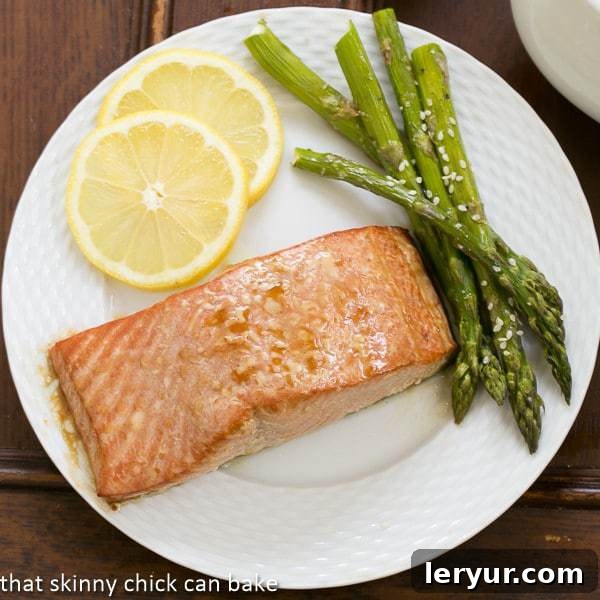
Cedar Planked Salmon
10 minutes
10 minutes
20 minutes
4 servings
A simple marinade and cooking technique for salmon that imparts a complex, irresistible flavor, all thanks to the magic of cedar plank grilling.
Ingredients
- 4 tablespoons vegetable oil
- 2 tablespoons soy sauce
- 6 tablespoons dry white wine (e.g., Sauvignon Blanc)
- 1 teaspoon fresh ginger, grated or finely minced
- 2 tablespoons brown sugar
- Freshly ground black pepper, to taste
- ½ teaspoon fresh lemon juice
- 4 salmon fillets (about 6 oz each)
- 1 cedar plank, pre-soaked
Instructions
- In a bowl, combine the first six ingredients (vegetable oil, soy sauce, white wine, ginger, brown sugar, black pepper). Stir well until the brown sugar is dissolved. Reserve half of this marinade for later use as a glaze.
- Add the ½ teaspoon of fresh lemon juice to the remaining half of the marinade. Place the salmon fillets in a shallow dish and pour the marinade over them, ensuring all sides are coated. Marinate the salmon for 20-30 minutes at room temperature. Meanwhile, ensure your cedar plank has been soaked in water for at least 60 minutes (preferably 2-4 hours).
- Preheat your grill to medium heat (350-400°F or 175-200°C). Once hot, place the soaked cedar plank directly on the grill grates for a few minutes until it begins to lightly smoke.
- Carefully place the marinated salmon fillets, skin side down, onto the preheated cedar plank. Close the grill lid and cook for about 8-10 minutes, or until the salmon reaches your desired doneness. Cooking time will vary based on fillet thickness and grill temperature. Use an instant-read thermometer for accuracy.
- For the glaze, pour the reserved half of the marinade into a small saucepan. Bring it to a simmer over medium heat and cook until the sauce has reduced by half and slightly thickened. This concentrates the flavors and ensures it’s safe to consume.
- Once cooked, transfer the salmon (still on the plank, or carefully remove) to a serving platter. Drizzle the warm, reduced glaze generously over the salmon fillets before serving. Enjoy immediately with your favorite sides.
Notes
Cook salmon to your desired doneness. While the FDA recommends 145°F (63°C), many prefer a slightly lower temperature for a moister result. For optimal moisture, consider removing farmed salmon at 125°F (52°C) and wild salmon at 120°F (49°C), then letting it rest for a few minutes.
Nutrition Information:
Yield:
4 servings
Serving Size:
1 fillet
Amount Per Serving (estimated):
Calories: 633
Total Fat: 42g
Saturated Fat: 6g
Trans Fat: 0g
Unsaturated Fat: 32g
Cholesterol: 143mg
Sodium: 579mg
Carbohydrates: 7g
Fiber: 0g
Sugar: 6g
Protein: 51g
Did you love this recipe? Share your culinary creations on Pinterest and leave a comment on the blog!