
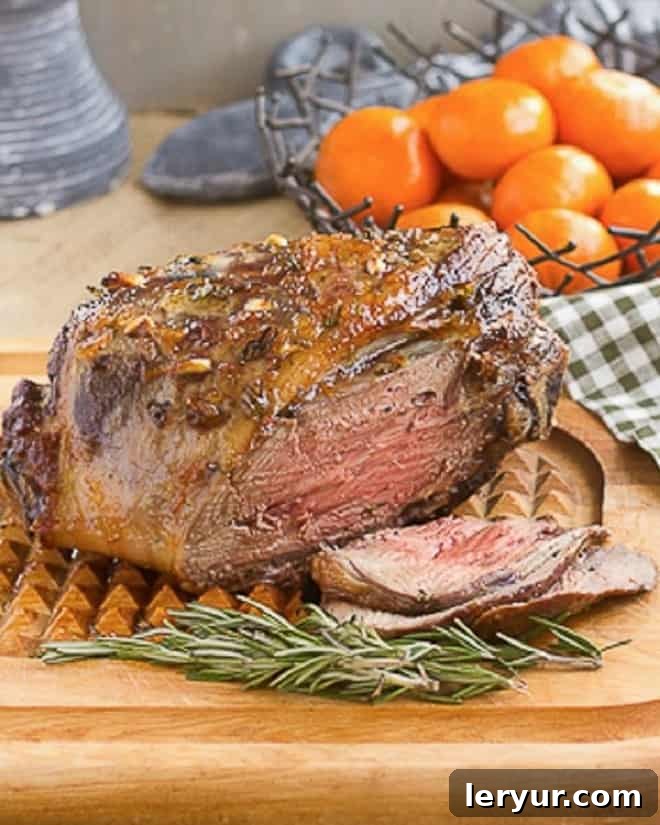
The Ultimate Glazed Leg of Lamb Recipe: A Tender, Flavorful Roast for Any Celebration
Studded with aromatic garlic and fresh rosemary, this Glazed Leg of Lamb Recipe, enhanced with a delectable marmalade glaze, stands out as the perfect centerpiece for your Easter celebration or any special occasion. The secret to its unparalleled tenderness and rich flavor lies in a simple yet effective technique: dry brining the meat with salt the night before. This preparation ensures every bite is incredibly succulent and bursting with savory goodness.
A beautifully prepared Leg of Lamb Roast is more than just a meal; it’s a culinary statement, a dish that elevates any gathering into a memorable event. Opting for a bone-in roast is a strategic choice, as the bone itself imparts an even deeper, more complex flavor to the meat as it cooks. When combined with generous insertions of fresh garlic and fragrant rosemary, the result is a symphony of flavors that truly defines gourmet home cooking. This recipe promises not only a stunning presentation but also a taste experience that will leave a lasting impression on your guests.
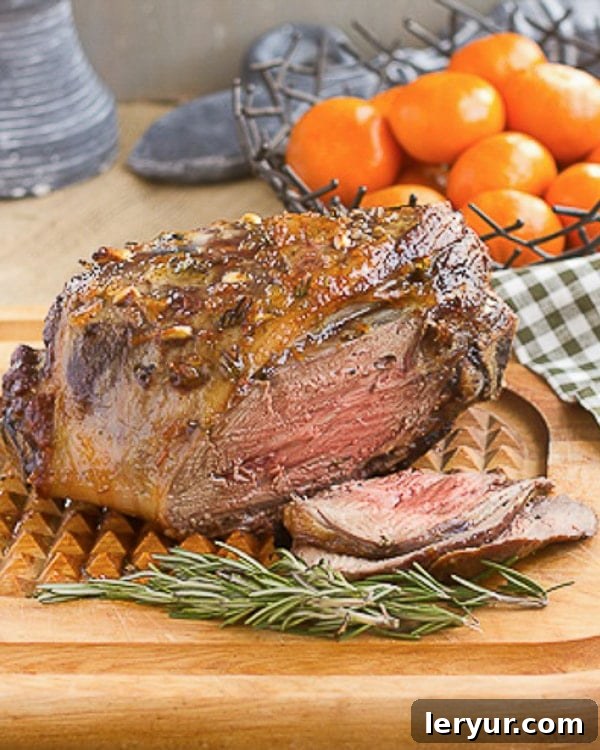
Why This Glazed Leg of Lamb Recipe Will Become Your Go-To
- A Convert’s Delight: This recipe has a proven track record, turning even the most skeptical eaters into enthusiastic lamb lovers. Its rich flavor profile and tender texture are universally appealing, making it a crowd-pleaser for all ages and palates.
- Effortless Elegance: Despite its gourmet appearance and exquisite taste, this dish is surprisingly simple to prepare. It’s packed with layers of flavor without demanding hours of intricate work, making it perfect for hosts who want to impress without stress.
- A Festive Alternative: While ham often graces Easter tables, this Glazed Leg of Lamb offers a refreshingly delicious and sophisticated alternative. It provides a unique and memorable main course that stands apart from traditional holiday fare, inviting guests to savor something truly special.
Growing up, our holiday traditions revolved around simple family gatherings, primarily with close family friends rather than extended relatives. Easter, Thanksgiving, and Christmas meals were predictable yet cherished, almost always featuring a magnificent turkey as the main course. While the side dishes and desserts might vary, the star of the show remained constant, providing ample servings and delicious leftovers for our merry group of thirteen.
It might seem unconventional for two Catholic families to consistently choose turkey over ham or lamb for Easter, but it was our unique tradition. Decades later, as new traditions have been forged, we often lean towards a festive ham for Easter. However, there are those special occasions when we revert to the timeless elegance of a traditional roast leg of lamb. Last year, this very Glazed Leg of Lamb with Garlic and Rosemary stole the show, captivating everyone with its incredible flavor and tender perfection. Its straightforward preparation yielded truly spectacular results, proving that exceptional taste doesn’t have to be complicated.
Achieving Perfection: Internal Temperatures for Roasting Lamb
Understanding the correct internal temperature is key to roasting lamb to your desired level of doneness. While the FDA recommends an internal temperature of 145ºF for lamb, many culinary enthusiasts and families prefer a slightly lower temperature for a more tender and juicy result, such as medium-rare. It’s crucial to remember that the meat’s internal temperature will continue to rise by about 10ºF after it’s removed from the oven, especially when tented with foil for a resting period. This resting time is vital, as it allows the juices to redistribute throughout the roast, ensuring maximum tenderness and flavor.
To help you achieve your preferred doneness, here is a guide to internal lamb temperatures:
- Rare: 115 to 120°F (very red, cool center)
- Medium-Rare: 120 to 125°F (red, warm center)
- Medium: 130 to 135°F (pink, warm center)
- Medium-Well: 140 to 145°F (slightly pink, hot center)
- Well-Done: 150 to 155°F (no pink, hot center)
Always use a reliable meat thermometer to accurately monitor the internal temperature. Insert the thermometer into the thickest part of the leg, avoiding any bones, for the most precise reading.
Mastering Your Roast: Essential Recipe Tips for the Tastiest Lamb
Preparing a truly exceptional roast leg of lamb involves a few thoughtful steps, mostly centered around planning ahead. These pointers will help you maximize the flavor and tenderness, ensuring your lamb roast is nothing short of spectacular:
- The Power of Dry Brining: Seasoning your lamb a full day in advance, a technique known as dry brining, is perhaps the most critical step for infusing deep flavor and ensuring a juicy roast. This allows the salt to draw out moisture, dissolve, and then reabsorb into the meat, breaking down muscle fibers and resulting in incredibly tender and flavorful lamb. Just as with a perfectly Dry Brined Turkey, this method makes a remarkable difference.
- Overnight Seasoning Ritual: The evening before you plan to roast, take the time to generously rub the leg of lamb with kosher salt and freshly ground black pepper. This initial seasoning kickstarts the flavor infusion process early, giving the spices ample time to penetrate the meat. Cover it loosely and refrigerate overnight.
- Room Temperature Start: About 30 to 60 minutes before you intend to roast, remove the lamb from the refrigerator and let it sit on your kitchen counter. Bringing the meat closer to room temperature helps it cook more evenly from edge to center, preventing a cold core and ensuring consistent doneness.
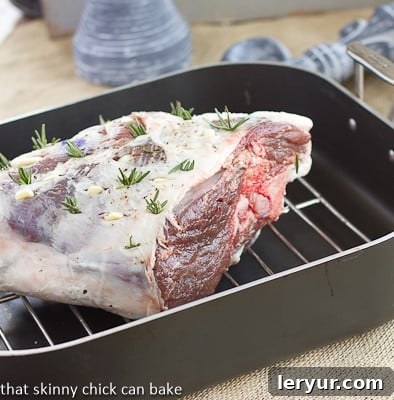
- Flavor Pockets with Aromatics: Before placing your lamb in the oven, create small incisions across the surface of the roast. Into these slits, carefully insert slivers of fresh garlic and small sprigs of fresh rosemary. As the lamb roasts, these aromatics will slowly release their essences, permeating the meat with an irresistible fragrance and flavor.
- Elevate for Even Roasting: Always roast your leg of lamb on a sturdy rack set inside a roasting pan. This simple setup allows hot air to circulate freely around all sides of the roast, promoting even cooking and helping to develop a beautiful, caramelized crust.
- The Glorious Marmalade Glaze: The glaze for this lamb couldn’t be simpler yet adds a stunning layer of sweetness and tang. A good quality orange marmalade from your local market is all you need. However, resist the urge to baste with the glaze too early in the roasting process. Sugar in the marmalade can burn easily if exposed to high heat for too long. Begin basting only after the initial high-heat roasting phase and continue periodically.
- Precision Cooking for Medium-Rare: For a perfect medium-rare doneness, expect the lamb to roast for approximately 20-25 minutes per pound. However, this is just a guideline. The most accurate way to ensure your lamb is cooked precisely to your liking is to use a reliable meat thermometer. Insert it into the thickest part of the roast, away from the bone, and monitor closely.
- The Importance of Resting: Once your lamb reaches your desired internal temperature (keeping in mind the carryover cooking), remove it from the oven immediately. Tent the roast loosely with aluminum foil and allow it to rest for a minimum of 10 to 20 minutes before carving. As mentioned, the internal temperature will rise by another 5-10 degrees during this time. This resting period is critical for the muscle fibers to relax and reabsorb their juices, resulting in an incredibly moist and tender roast.
If you’ve ever felt intimidated by the idea of roasting lamb at home, this recipe is the perfect starting point. It’s truly a special occasion dish, offering a luxurious experience that is well worth the investment (be prepared for the sticker shock when pricing lamb at your butcher shop, but remember, quality ingredients yield quality results). I genuinely hope your family will adore this Glazed Leg of Lamb as much as mine does. Happy Easter and joyful celebrations to all who gather around this magnificent roast!
Frequently Asked Questions About Roasting Leg of Lamb
Roasting is widely considered the best method for preparing a leg of lamb, resulting in meat that is incredibly tender, juicy, and full of flavor. The dry heat of the oven allows for even cooking and the development of a beautiful crust. While you can certainly sear the lamb in hot oil beforehand to enhance the crust and introduce another layer of flavor, it’s not strictly necessary to achieve delicious results with this recipe.
When selecting a leg of lamb, look for a cut that is firm to the touch with a deep red color. If possible, choose a bone-in leg, as the bone adds more flavor during cooking. A layer of fat on the exterior is desirable, as it helps to keep the meat moist and flavorful, but excessive fat should be trimmed. Freshness is key, so check the expiration date and ensure there are no off-odors.
Traditionally, lamb is often served with mint jelly or mint sauce, a classic pairing that provides a bright, refreshing contrast to the richness of the meat. However, personal preferences vary widely. My husband, for example, prefers a simple dollop of ketchup! Other fantastic accompaniments include tangy horseradish sauce, a rich Bernaise sauce, or a vibrant chimichurri. For side dishes, consider roasted root vegetables, creamy mashed potatoes, crisp green beans, or a fresh spring salad to complement the lamb beautifully.
More Lamb and Entree Recipes You’ll Love:
- Balsamic Brown Sugar Lamb Chops from Grandbaby Cakes
- Roasted Lamb London-Broil Style from A Family Feast
- Moroccan Lamb Stew from The Noshery
- Grilled Lamb Chops with Mustard, Rosemary and Garlic
- Fudge Lamb
- Herb-Crusted Rack of Lamb
- Plus more delectable Entree Recipes
Stay connected and share your culinary creations with us on social media! Find us on Instagram, Facebook, and Pinterest. Don’t forget to tag us when you try one of our delicious recipes! Your feedback is invaluable, and if you love the results, please consider giving this recipe a 5-star rating in the recipe card below.
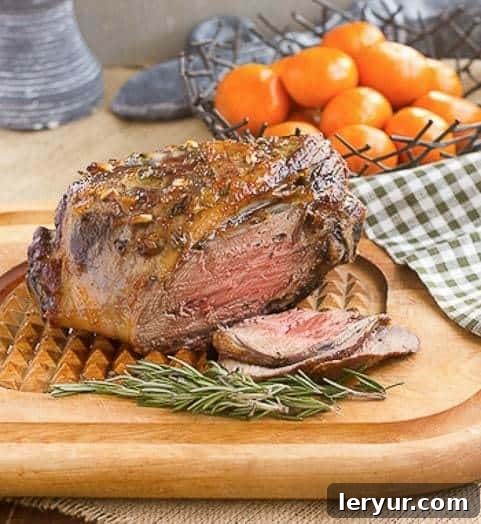
Glazed Leg of Lamb Recipe with Garlic and Rosemary
10 minutes
1 hour 20 minutes
1 hour 30 minutes
8 servings
A succulent, herb-infused leg of lamb finished with a bright marmalade glaze. This show-stopping roast is perfect for Easter gatherings and other festive occasions, promising tender meat and unforgettable flavor.
Ingredients
- 6 pound leg of lamb, bone-in
- 4 garlic cloves, each cut into slivers
- 2 sprigs fresh rosemary
- 2 tablespoons kosher salt
- Freshly ground black pepper
- ½ cup orange marmalade
Instructions
- The Night Before: Trim any excess fat from the leg of lamb. Using a sharp knife, cut several slits (about 1½-inch deep) into the fat pad on top of the roast at even intervals. Generously rub the entire roast with 2 tablespoons of kosher salt, ensuring some salt gets into the slits, then sprinkle with freshly ground black pepper. Cover the lamb and refrigerate overnight to allow the dry brining process to work its magic.
- Preparation for Roasting: Approximately one hour before you plan to roast, remove the lamb from the refrigerator. Insert the garlic slivers and small pieces of fresh rosemary into each of the slits you made earlier. Allow the roast to sit at room temperature during this hour; this helps ensure more even cooking. Preheat your oven to 425ºF (220ºC).
- Initial Roast and Glazing: Place the lamb on a rack in a roasting pan. Roast in the preheated oven at 425ºF for 20 minutes to achieve a nice sear. After 20 minutes, reduce the oven temperature to 300ºF (150ºC). Brush the exposed surface of the roast generously with orange marmalade. Continue to baste the lamb with more marmalade approximately every 20 minutes. Continue roasting for about an additional hour, or until a meat thermometer inserted into the thickest part of the roast (avoiding the bone) reaches your desired internal temperature, for example, 125ºF for rare.
- Rest and Carve: Once the lamb reaches the target temperature, remove it from the oven. Loosely tent the roast with aluminum foil and allow it to rest for 20-30 minutes before carving. This crucial resting period allows the juices to redistribute throughout the meat, resulting in a significantly more tender and moist roast.
Notes
Cooking time will vary depending on the size and shape of your leg of lamb, as well as your desired level of doneness. Always rely on a meat thermometer for accuracy.
The “Total Time” listed does not include the overnight dry brining time, which is an essential preparatory step for optimal flavor and tenderness.
Recommended Products
As an Amazon Associate and member of other affiliate programs, I earn from qualifying purchases.
- OXO Cutting Board
- Roasting Pan
- Thermapen Instant Read Thermometer
Nutrition Information:
Yield:
8
Serving Size:
1
Amount Per Serving:
Calories: 930Total Fat: 56gSaturated Fat: 23gTrans Fat: 0gUnsaturated Fat: 28gCholesterol: 316mgSodium: 1822mgCarbohydrates: 14gFiber: 0gSugar: 12gProtein: 87g
HOW MUCH DID YOU LOVE THIS RECIPE?
Please leave a comment on the blog or share a photo on Pinterest