
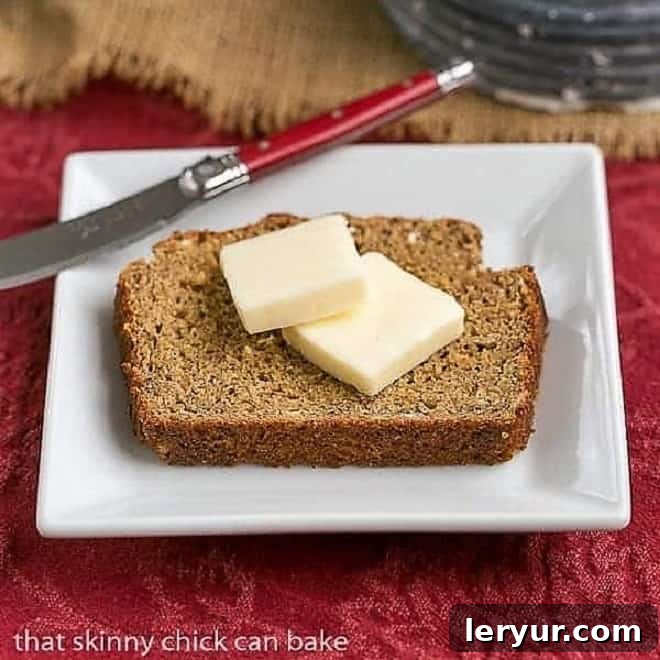
Warm, satisfying, and utterly delightful, this authentic Irish Brown Bread recipe offers a taste of Ireland right in your kitchen. Best of all, it requires no yeast, meaning you can whip up a batch in mere minutes and have it baking in the oven before you know it! Imagine a slice, fresh from the oven, still warm and slathered with a generous pat of cold, melting butter – a truly irresistible experience that captures the essence of Irish hospitality.
One of the most cherished culinary memories from my travels across Ireland was the ubiquitous Irish Soda Bread, gracing every breakfast table and pub menu. While often associated with St. Patrick’s Day celebrations, this wholesome bread is so remarkably simple and versatile that it deserves a place in your baking repertoire all year round. Its rustic charm and distinctive flavor make it a beloved staple.
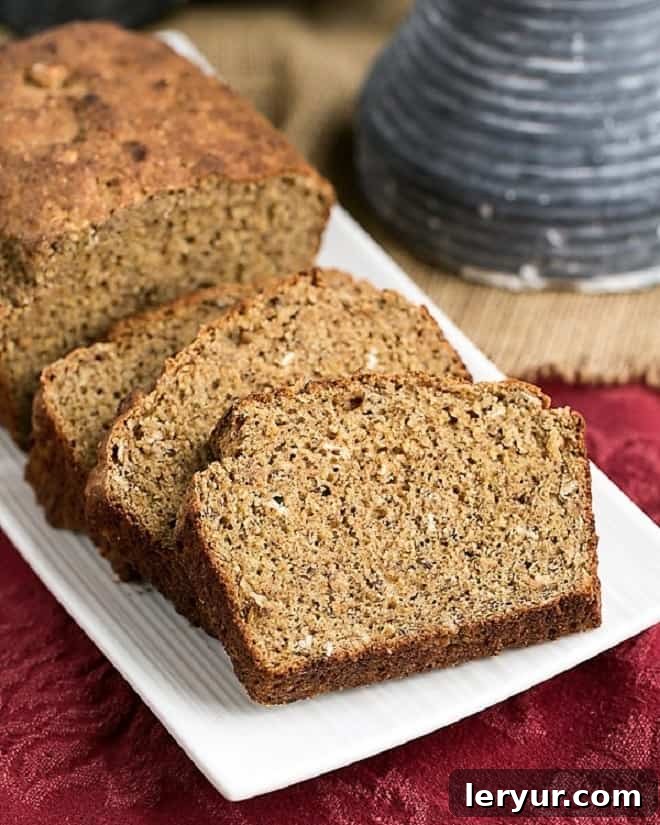
Why This Irish Brown Bread Recipe is a Must-Try
This isn’t just another bread recipe; it’s an invitation to experience a piece of Irish culture. Here are compelling reasons why this particular Irish Brown Bread will become a family favorite:
- Effortlessly Quick: The absence of yeast means no lengthy proofing times. This is a true quick bread, perfect for spontaneous baking or when you need a homemade loaf in a hurry. From mixing bowl to oven in under 15 minutes!
- Authentic Irish Flavor: This recipe truly replicates the deep, wholesome, slightly sweet, and utterly comforting brown bread we savored throughout our journey in Ireland. It brings that genuine pub experience right to your home.
- A Healthier Quick Bread Alternative: Unlike many quick bread recipes that rely heavily on refined sugars, this Irish Brown Bread offers a healthier, more substantial option. Packed with whole grains and natural goodness, it’s a bread you can feel good about eating every day.
- Versatile and Wholesome: Beyond its ease, this bread is incredibly versatile. It’s perfect with breakfast, alongside a hearty soup for lunch, or as a simple snack with cheese and preserves.
What Our Community Loves About This Recipe:
We’re not the only ones who adore this recipe! Here’s what some of our satisfied bakers have shared:
From Pinterest: “Absolutely fantastic recipe! The bread slices beautifully and stays fresh for days. No beer needed, just pure deliciousness.”
My trip to Ireland was a tapestry of enchanting moments, vividly imprinted in my memory. Despite a momentary lapse in judgment from my jet-lagged driver – who managed to take a nap at the wheel while shifting gears with his non-dominant hand, on the “wrong” side of the road, as we headed to our first destination – the overall experience was pure magic. The unexpected roadside nap quickly faded into the background, replaced by breathtaking scenery and heartwarming hospitality.
I recall the vibrant pastel hues of the village storefronts that painted every town, the majestic peacocks strutting regally across the grounds of our countryside bed and breakfast, and the astonishing, almost unbelievable emerald greens of the rolling hills that stretched as far as the eye could see. Yet, amongst all these wonders, one simple pleasure consistently called to me: the hearty, easy Irish brown bread. I made it my mission to seek it out on every pub menu, a culinary quest that never disappointed. Each establishment boasted its unique take on this beloved bread, but all shared a common thread: a subtly sweet, wonderfully dense, and incredibly satisfying texture that perfectly complemented every meal. This specific recipe captures that same unforgettable taste.
Understanding the Essence of Irish Brown Bread
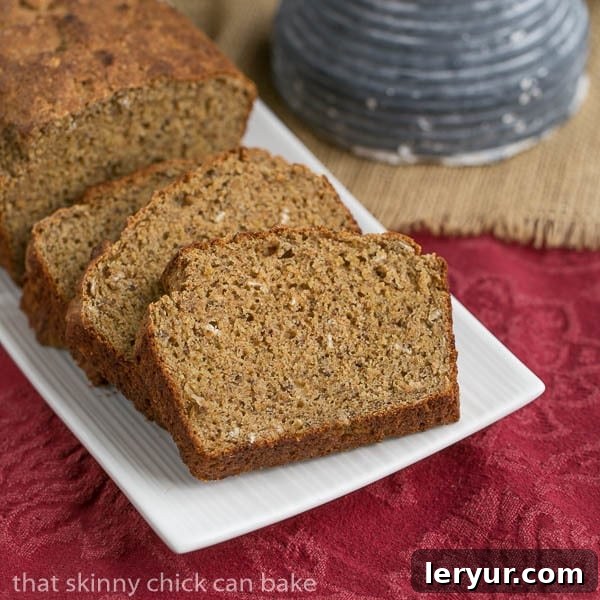
Irish Brown Bread, often used interchangeably with Irish Soda Bread, is a pillar of Irish cuisine, celebrated for its simplicity and wholesome ingredients. Unlike yeasted breads, it relies on the chemical reaction between baking soda (bicarbonate of soda) and buttermilk to create its rise. This method, born out of necessity and tradition, results in a dense yet tender crumb with a distinctive tang. The “brown” in its name comes from the generous inclusion of whole wheat flour, which imparts a deeper color, nuttier flavor, and richer nutritional profile compared to its all-white soda bread counterpart. It’s a testament to the ingenuity of Irish home bakers, turning basic pantry staples into a comforting, everyday luxury.
Key Ingredients for Your Perfect Loaf
Crafting the perfect Irish Brown Bread starts with understanding the role of each ingredient. Here’s a detailed look at what you’ll need:
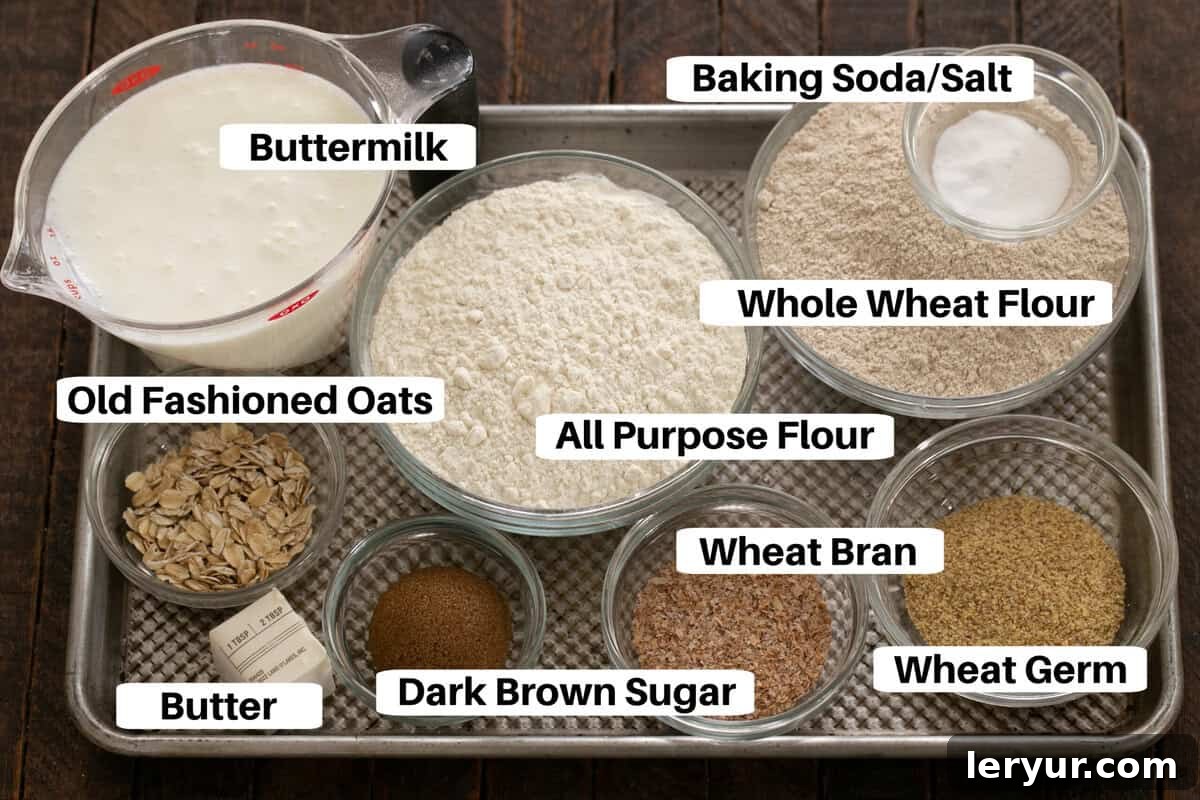
- Kitchen Staples: You’ll need basic pantry items like Salt (enhances flavor), Baking Soda (the leavening agent), Butter (for richness and tenderness), and a small amount of All-Purpose Flour (to lighten the texture slightly and provide structure).
- Old Fashioned Oatmeal: Crucial for that authentic, rustic texture. Make sure to use old-fashioned rolled oats, not quick-cooking or instant oats, as they will turn to mush and won’t provide the desired chewiness and substance.
- Buttermilk: The cornerstone of any good soda bread! Its acidity is vital for reacting with the baking soda, creating carbon dioxide bubbles that make the bread rise. Beyond leavening, buttermilk also tenderizes the crumb, resulting in a softer, more moist loaf. If you don’t have buttermilk, don’t worry – there’s a quick and easy homemade substitute in our expert tips!
- Whole Wheat Flour: This is what gives Irish Brown Bread its characteristic color, nutty flavor, and hearty texture. Using a significant portion of whole wheat flour adds fiber and depth, distinguishing it from plain soda bread.
- Dark Brown Sugar: This provides a subtle sweetness and, more importantly, a deeper, molasses-rich caramel flavor that complements the whole wheat. Dark brown sugar contains more molasses than light brown sugar, contributing to both the bread’s flavor and moisture.
- Wheat Germ: Found in the baking aisle, often near the flours or in the natural foods section, wheat germ adds a boost of nutrients and a delicate, nutty flavor, enhancing the bread’s wholesome profile.
- Wheat Bran: This outer layer of the wheat kernel contributes significant fiber and an even more rustic texture. While sometimes harder to find in standard grocery stores, it’s worth seeking out (or ordering online) for that authentic Irish brown bread mouthfeel.
Step-by-Step Guide to Baking Irish Brown Bread
Making this traditional Irish Brown Bread is surprisingly straightforward. Follow these simple steps for a perfect loaf every time:
Expert Tips for Your Best Irish Brown Bread Yet
Having experimented with various recipes upon my return from Ireland, I can confidently say that this version, adapted from a Bon Appetit recipe, truly hit the spot for capturing that authentic taste. It’s fantastic for St. Patrick’s Day, but honestly, it’s too good to reserve for just one day a year!
- Effortless Pan Release: To ensure your beautiful loaf releases easily from the pan, consider lining the bottom with a rectangle of parchment paper before greasing the sides. Make sure to grease the top edges of the pan as well before adding the batter. This extra step guarantees a perfect loaf every time.
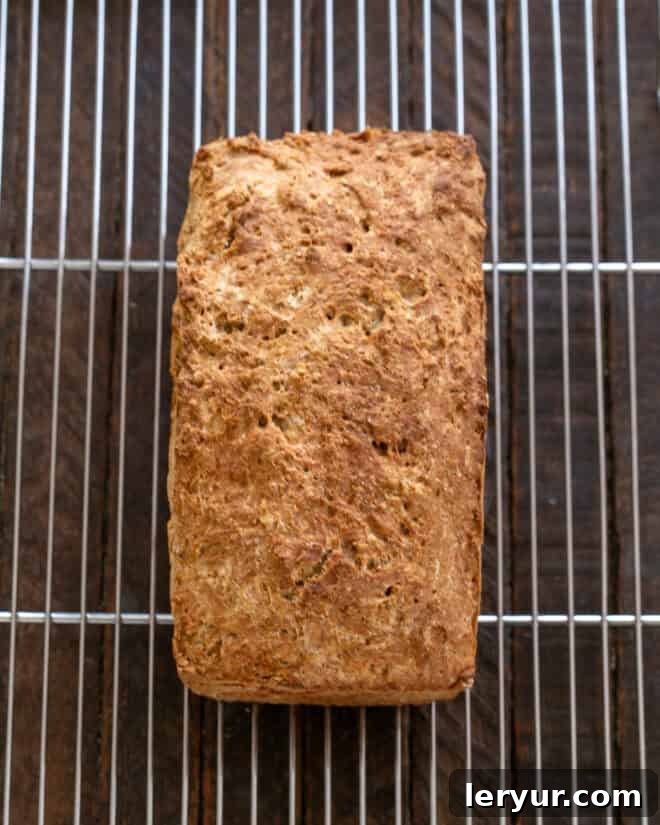
- Patient Cooling for Best Texture: After baking, allow the bread to cool in the loaf pan for at least 15 minutes before attempting to remove it. Transfer it to a wire rack to cool completely. Slicing warm bread is tempting, but a fully cooled loaf will have a better texture and won’t be gummy.
- Check Your Baking Soda’s Freshness: While baking soda has a relatively long shelf life, it’s essential for this recipe. If you’re unsure about its potency, mix a teaspoon of baking soda with a splash of vinegar. If it fizzes vigorously, your baking soda is fresh and ready to work its magic.
- Avoid Overmixing: This is a golden rule for all quick breads, especially Irish soda bread. Overmixing develops the gluten in the flour, leading to a tough, dense loaf with tunnels instead of a tender, even crumb. Mix only until the ingredients are just combined.
- PRO-Tip: Homemade Buttermilk: No buttermilk on hand? No problem! You can easily make a substitute at home. Simply add one tablespoon of lemon juice or white vinegar to a liquid measuring cup. Then, fill the cup with milk (any kind works, but whole milk is ideal) up to the one-cup mark. Let it sit for 5-10 minutes until it slightly curdles. Use this ‘soured’ milk exactly as you would buttermilk in the recipe.
- PRO-Tip: DIY Dark Brown Sugar: If your pantry only holds light brown sugar, you can transform it into dark brown sugar. For every cup of light brown sugar, mix in one tablespoon of molasses. Since this recipe only calls for two tablespoons of dark brown sugar, you can make a smaller batch by combining ⅓ cup of light brown sugar with one teaspoon of molasses.
- Add a Decorative Touch: For a little extra visual appeal and texture, sprinkle a handful of old-fashioned oats over the top of the dough before placing it in the oven. This creates a beautiful, rustic crust.
Frequently Asked Questions About Irish Brown Bread
This Irish brown bread recipe specifically calls for old-fashioned rolled oats. These provide a heartier texture and more distinct chew compared to quick-cooking or instant oats, which tend to become mushy during baking. Always opt for the robust texture of old-fashioned oats for the best results.
To keep your brown bread fresh and delicious, wrap it tightly in plastic wrap or foil, or store it in an airtight container at room temperature. It will maintain its quality for 3-4 days. For longer storage, if wrapped airtight, it freezes exceptionally well for up to 3 months. To thaw, simply leave it at room temperature or gently warm slices in a toaster.
There are a couple of reliable methods to determine if your Irish brown bread is done. The classic test is to insert a wooden skewer, cake tester, or toothpick into the very center of the loaf. If it comes out clean with no wet crumbs, the bread is cooked through. For more precision, you can use an instant-read thermometer; the internal temperature of a fully baked loaf should register between 200-210°F (93-99°C).
While this recipe is designed with traditional flours, substituting gluten-free all-purpose flour and gluten-free whole wheat flour blends might work. However, results can vary significantly in texture and density, as gluten plays a structural role. You might need to adjust the liquid content slightly.
The terms are often used interchangeably, but generally, “Irish Soda Bread” can refer to both white and brown versions. “Irish Brown Bread” specifically indicates a soda bread made predominantly with whole wheat flour, giving it a darker color, nuttier flavor, and denser, heartier texture compared to its all-white flour counterpart.
Delicious Ways to Enjoy Your Irish Brown Bread
This versatile bread is more than just a side dish; it’s a centerpiece waiting to be celebrated! Here are some delightful ways to enjoy your homemade Irish Brown Bread:
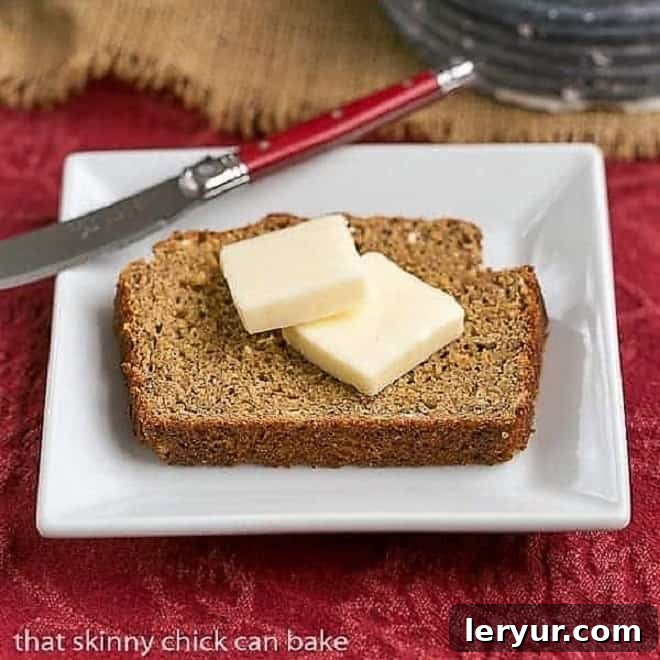
- Classic with Butter: The simplest and arguably the best way! A warm slice with cold, creamy butter is pure bliss.
- With Jam or Marmalade: Elevate your breakfast or tea time by pairing it with your favorite fruit preserves or a zesty orange marmalade.
- Alongside Soup or Stew: Its hearty texture makes it the perfect accompaniment for a comforting bowl of Irish stew, a robust lentil soup, or a creamy tomato bisque.
- With Cheese: A thick slice of brown bread with a sharp cheddar or a creamy brie makes for an excellent snack or light lunch.
- As a Sandwich Base: Use it as a rustic base for open-faced sandwiches, piled high with smoked salmon and cream cheese, or slices of roast beef.
- Toasted: Day-old brown bread toasts beautifully, offering a crispy exterior and tender interior, perfect for any topping.
You May Also Enjoy These Hearty Bread Recipes:
- Rosemary Cheddar Irish Soda Bread from Foodness Gracious
- Whole Wheat Molasses Quick Bread
- Sunflower Whole Wheat Bread
- Classic Irish Soda Bread
- Explore more of the Best Bread Recipes
Stay connected and share your culinary creations with us! Follow us on Instagram, Facebook, and Pinterest. Don’t forget to tag us when you try one of our recipes! Your feedback is invaluable – if you love the results, please consider leaving a 5-star rating in the recipe card below. Happy baking!
Print Recipe
Easy Irish Brown Bread
10 minutes
40 minutes
50 minutes
12 slices
Dense, delicious, and deeply satisfying Irish Brown Soda Bread made with wholesome whole wheat flour, offering an authentic taste of Ireland.
Average Rating: 4.7 stars based on 112 reviews
Ingredients
- 1 ¾ cups all-purpose flour
- 1 ¾ cups whole wheat flour
- 3 tablespoons wheat bran
- 3 tablespoons wheat germ
- 2 tablespoons old-fashioned oats
- 2 tablespoons dark brown sugar
- 1 teaspoon baking soda
- ½ teaspoon salt
- 2 tablespoons cold butter, cut into pieces
- 2 cups buttermilk
Instructions
- Preheat oven to 425ºF (220°C). Generously butter a 9 x 5 x 3-inch loaf pan and set aside.
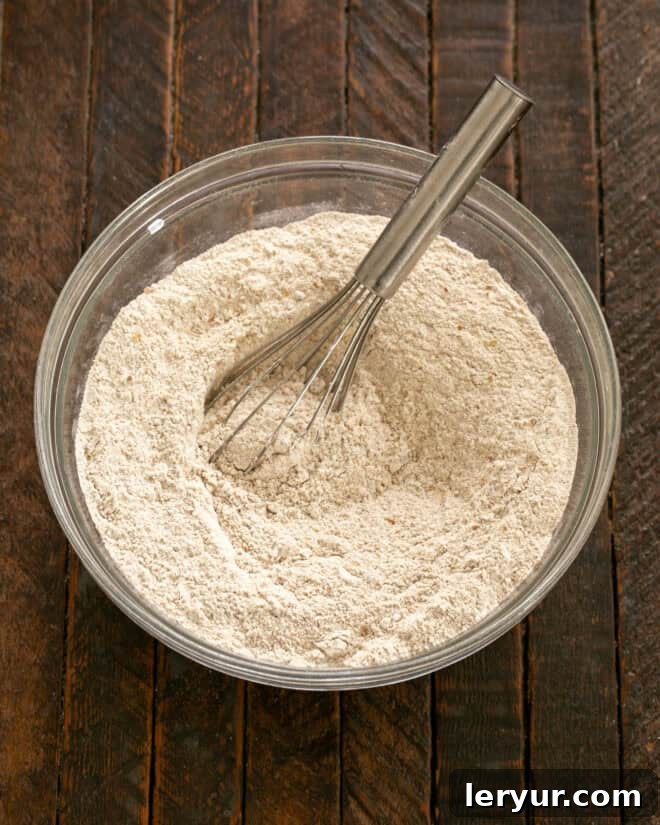
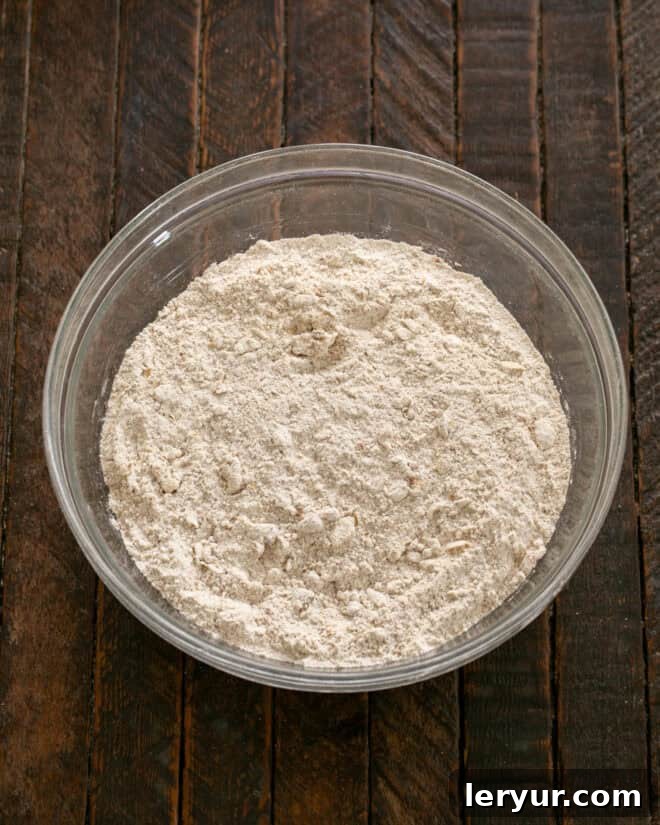
- In a large bowl, combine all dry ingredients (all-purpose flour, whole wheat flour, wheat bran, wheat germ, old-fashioned oats, dark brown sugar, baking soda, and salt) and mix thoroughly to combine.
- Add the cold, cubed butter to the dry mixture. Using your fingertips, rub the butter into the dry ingredients until the mixture resembles coarse cornmeal.
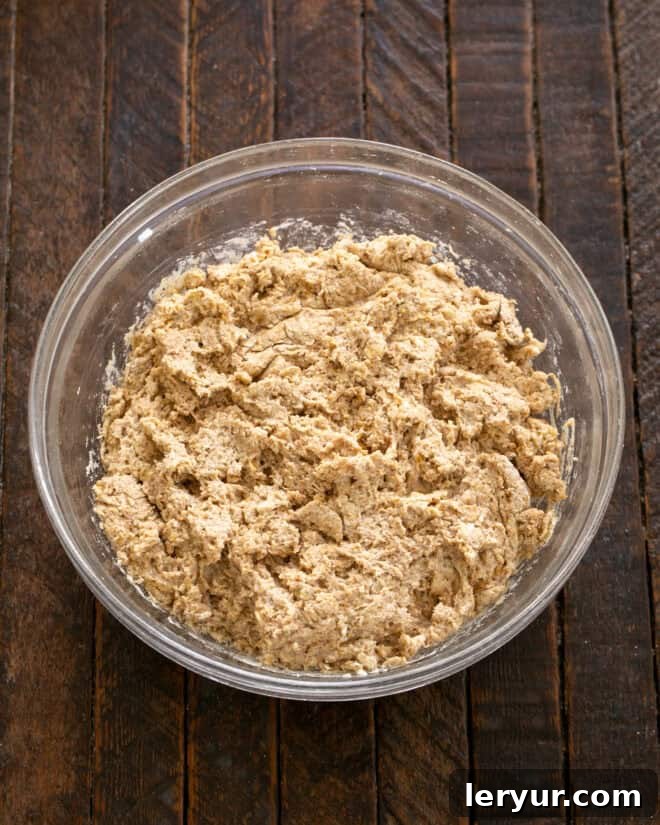
- Stir in the buttermilk and mix just until a soft dough forms. Be careful not to overmix the batter; a few lumps are fine.
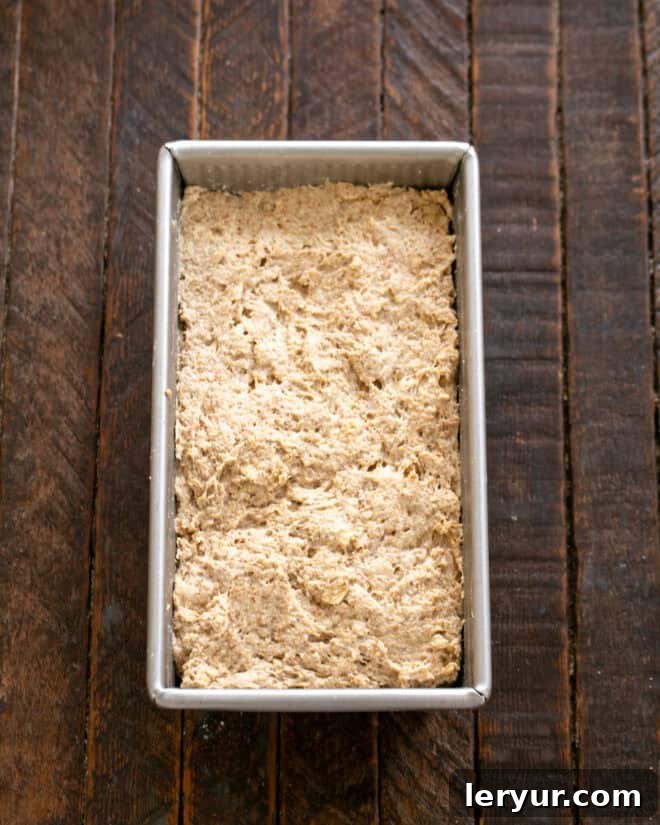
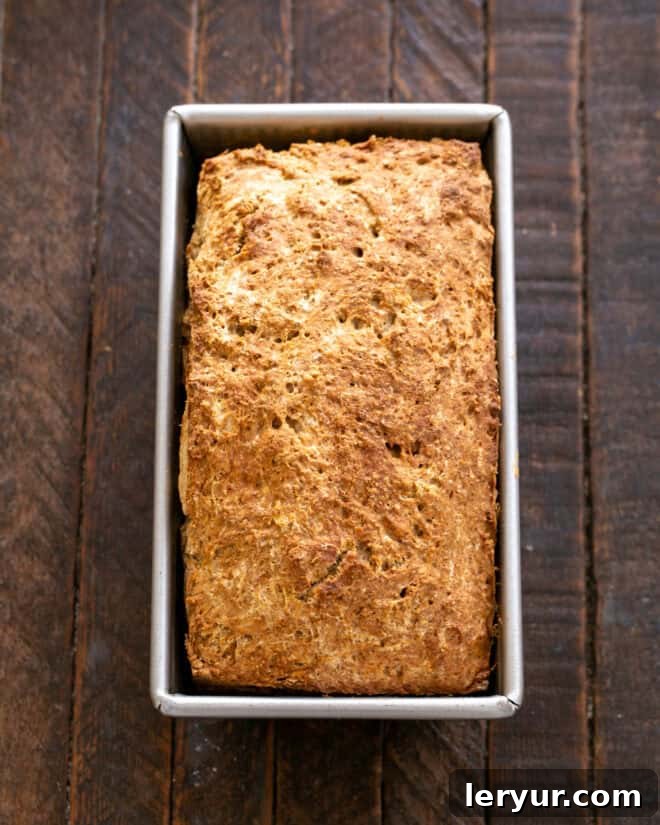
- Gently scrape the dough into the prepared loaf pan, spreading it evenly. Bake until a toothpick inserted into the center of the bread comes out clean, approximately 40 minutes.
- Remove the bread from the oven and let it cool in the pan for 15 minutes. Then, invert it onto a wire rack to cool completely before slicing and serving.
Notes
Recipe adapted for enhanced flavor and texture from a classic Bon Appetit version.
Nutrition Information:
Yield:
12
Serving Size:
1 slice
Amount Per Serving:
Calories: 178
Total Fat: 3g
Saturated Fat: 2g
Trans Fat: 0g
Unsaturated Fat: 1g
Cholesterol: 7mg
Sodium: 287mg
Carbohydrates: 32g
Fiber: 3g
Sugar: 4g
Protein: 6g
HOW MUCH DID YOU LOVE THIS RECIPE?
Please leave a comment on the blog or share a photo on Pinterest