

Sugar-Crusted French Toast is not just breakfast; it’s an experience. With its luxurious double coating of caramelized sugar and an incredibly rich custard, this dish transcends the ordinary, offering a truly sublime treat perfect for a decadent breakfast, a leisurely brunch, or even a comforting dessert. Prepare to transform your morning routine into an unforgettable culinary delight!
What sets this recipe apart from typical French toast? It’s all in the details. We incorporate simple yet impactful twists: an abundance of extra egg yolks in the soaking custard for unparalleled richness, a generous splash of pure vanilla extract for aromatic depth, and, of course, that signature, irresistible sugary crust. These elements combine to create a French toast recipe you won’t just enjoy, but one you’ll undoubtedly remember and crave again and again.

Why This Sugar-Crusted French Toast is a Must-Try Culinary Masterpiece
After countless variations and explorations of breakfast dishes, this particular Sugar-Crusted French Toast stands out as a true revelation. Its appeal lies in several ingenious techniques that elevate it far beyond a simple egg-dipped bread. It’s a dish that commands attention, making it the perfect centerpiece for any special occasion or just to brighten an ordinary weekend.
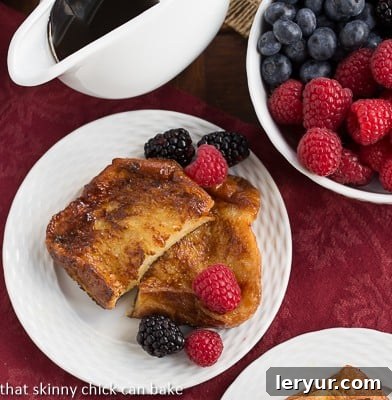
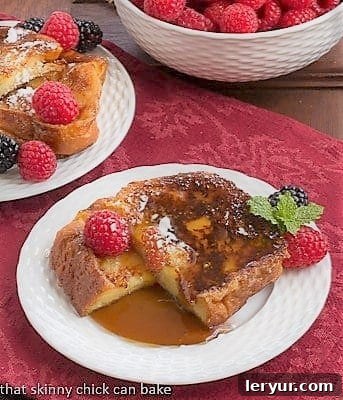
- The Irresistible Sugar Crust: The defining feature of this recipe is its dazzling caramelized sugar crust. Unlike traditional French toast where sugar is merely sprinkled on top after cooking, here, sugar is incorporated into the frying process itself, creating a delightfully crisp, sweet exterior that crackles with every bite. This “double coating” technique ensures maximum caramelization and a captivating texture contrast with the soft interior.
- The Foundation of Flavor: Thick, Eggy Brioche: The choice of bread is paramount. We opt for thick slices of eggy brioche, or a similar rich bread like challah. Brioche provides a sturdy yet tender crumb that perfectly absorbs the luscious custard without becoming soggy. Its inherent richness also contributes to the overall decadent flavor profile.
- A Custard of Unrivaled Richness: Forget thin, watery custards. This recipe calls for a lavish mixture of whole milk and heavy cream, infused with a generous splash of real vanilla extract. But the secret weapon? Extra egg yolks. These yolks create an incredibly rich, velvety custard that coats each slice of bread, ensuring a moist, tender, and flavorful interior that melts in your mouth.
- Subtle Spice for Depth: While vanilla provides a beautiful aroma, a pinch of nutmeg, a classic addition to French toast, further enhances the warm, comforting flavor, adding an understated complexity that complements the sweetness without overpowering it.
Every element in this recipe is meticulously chosen to contribute to a harmonious and indulgent experience. From the moment the bread hits the pan to the final sprinkle of berries, you’ll understand why this isn’t just French toast – it’s a culinary triumph.
Expert Recipe Tips for Perfect Sugar-Crusted French Toast
Creating the perfect Sugar-Crusted French Toast is an art, but one that is easily mastered with a few key techniques. Follow these expert tips to ensure every slice is a golden, crispy, and custardy dream:
- The Importance of Slightly Stale Bread: While fresh brioche is delightful, day-old or slightly stale bread is your best friend for French toast. Stale bread has less moisture, allowing it to absorb the rich custard more effectively without falling apart. If your bread is fresh, simply leave it uncovered on your counter for an hour or two, turning it once, to help it dry out. This small step makes a huge difference in texture.
- Don’t Rush the Soak: Ensure your thick slices of brioche are thoroughly saturated with the vanilla custard. Place the bread in a single layer in a shallow dish, spooning the custard over the top. Let it soak for at least 3 minutes per side, or until it feels heavy and fully saturated but not waterlogged. A good soak ensures a moist, flavorful interior.
- The Optimal Frying Fat: Butter and Oil Combination: For the most exquisite flavor and perfect caramelization, fry your French toast in a combination of unsalted butter and a neutral-flavored oil (like vegetable or canola oil). Butter provides an unparalleled rich flavor, while the oil helps to raise the butter’s smoke point, preventing it from burning and allowing the sugar to caramelize beautifully without scorching.
- The Double Sugar Dusting Technique: This is where the magic happens! Before placing your soaked bread into the hot skillet, sprinkle about 2 tablespoons of granulated sugar directly into the melted butter and oil mixture in the pan. This forms the first layer of the crust. Once you’ve cooked the first side until golden, dust the uncooked top side of the bread with another 2 tablespoons of sugar before flipping. This doubles the caramelization potential, ensuring a spectacular, shimmering, golden crust on both sides.
- Medium Heat is Key: Resist the urge to crank up the heat. Cooking French toast over medium heat allows the sugar to caramelize slowly and evenly, creating a deep golden crust without burning, while also giving the interior enough time to cook through and become perfectly custardy.
- The Right Pan Makes a Difference: Use a large, heavy-bottomed nonstick skillet or griddle. A nonstick surface ensures easy flipping and prevents the delicate caramelized sugar from sticking. A large pan allows you to cook multiple slices at once, maintaining an even temperature across the surface.
This Sugar-Crusted French Toast is versatile enough to be served for any meal. I typically present it as a decadent breakfast dish, topped with fresh berries and a generous drizzle of maple syrup – or both for the ultimate indulgence. While my husband, Bill, might be traditional about his breakfast, even he gives this a resounding “A-OK.” And let’s be honest, it’s certainly no more indulgent than those chocolate-glazed donuts he occasionally brings home “for the kids” (who, by the way, are now mostly grown and not eating them!). So, go ahead and treat yourself!
Frequently Asked Questions About French Toast
French toast, known as pain perdu (lost bread) in France, is a classic dish made by dipping slices of bread into an egg and milk (or cream) mixture, then frying them until golden brown. The term “lost bread” refers to its origin as a clever way to use stale or day-old bread, preventing waste. It’s a delightful way to revive forgotten bread, transforming it into a sweet and satisfying meal. While often associated with France, similar dishes have existed in various cultures for centuries. It’s commonly served with syrup, powdered sugar, fresh fruit, or jam.
Soggy French toast is a common pitfall, but easily avoidable. The main culprits are usually:
- Over-soaking the bread: While you want the bread to be saturated, soaking it for too long, especially if it’s not a sturdy, slightly stale bread, can lead to it becoming waterlogged and mushy. It should be moist, not dripping.
- Incorrect bread choice: Using very soft, fresh bread that lacks structure can cause it to disintegrate when soaked. Opt for sturdy breads like brioche, challah, or even sourdough, preferably a day or two old.
- Custard ratio: A custard with too much liquid per egg can be too thin, leading to a soggy result. Ensure your custard is well-mixed and balanced.
- Cooking temperature: If you cook French toast on too high heat, the exterior will brown quickly, but the interior won’t have enough time to cook through, resulting in a raw, soggy center. Cook on medium heat for even cooking.
A large, heavy-bottomed nonstick skillet or griddle is ideal for making French toast. The nonstick surface ensures that the French toast (especially with its sugary crust) won’t stick, making it easy to flip and achieve a perfect golden-brown finish without tearing. A heavy bottom helps distribute heat evenly, preventing hot spots and ensuring consistent cooking.
For the absolute best flavor and perfect caramelization, I highly recommend using a combination of unsalted butter and a neutral-flavored vegetable oil (such as canola or grapeseed oil). Butter contributes an incredible richness and depth of flavor that pure oil can’t match. However, butter alone has a lower smoke point and can burn easily, especially with the added sugar. The oil helps to raise the overall smoke point of the fat mixture, allowing the French toast to cook slowly and evenly, achieving that beautiful golden-brown crust without scorching. This combination gives you the best of both worlds: superior taste and optimal cooking performance.
While French toast is best enjoyed fresh off the skillet, you can certainly prepare parts of it in advance. The custard mixture can be made a day ahead and stored in an airtight container in the refrigerator. You can also slice your bread the day before. If you need to cook a large batch, you can keep cooked French toast warm in a single layer on a baking sheet in a low oven (around 200°F / 95°C) for a short period while you finish the rest. For best results, I don’t recommend soaking the bread overnight, as it can lead to sogginess.
Leftover French toast can be delicious if reheated properly! To preserve the crispy crust, avoid the microwave. The best methods are:
- Oven: Preheat your oven to 350°F (175°C). Place French toast slices in a single layer on a baking sheet and bake for 5-10 minutes, or until heated through and lightly re-crisped.
- Toaster Oven: A toaster oven works wonderfully for a few slices, achieving a similar crispness to a regular oven.
- Skillet: Reheat in a lightly buttered skillet over medium-low heat for a few minutes per side, until warmed through and the crust is revitalized.
You May Also Love These Decadent Breakfast and Brunch Recipes
- Raspberry Mascarpone French Toast Casserole: An elegant bake-ahead option bursting with fruity flavor.
- Cinnamon Bread French Toast Casserole: Comforting cinnamon spice meets rich French toast in this make-ahead dish.
- Grand Marnier French Toast: A sophisticated, boozy twist for adult palates.
- Strawberry Mascarpone Stuffed French Toast: Indulgent and filled with creamy goodness and fresh berries.
- And for autumn, don’t miss our cozy Pumpkin French Toast: A seasonal favorite perfect for chilly mornings.
- Plus, explore more marvelous Breakfast and Brunch Recipes for endless inspiration.
Stay connected and share your culinary creations! Find me on social media @ Instagram, Facebook, and Pinterest. Don’t forget to tag me when you try one of my recipes! If you love the results, please consider giving it a 5-star rating in the recipe card below.

Sugar-Crusted French Toast
15 minutes
10 minutes
25 minutes
6 servings
An elegant French Toast recipe dipped in rich custard then coated in sugar before cooking, creating a sublime caramelized crust.
Rating: 4.9 out of 5 stars based on 11 reviews
Ingredients
- 6 large eggs
- 3 large egg yolks
- 3 ½ cups whole milk
- ⅔ cup plus 8 tablespoons granulated sugar (divided)
- 1 tablespoon vanilla extract
- ½ teaspoon salt
- 6 4x4x1-inch slices egg bread (such as brioche or challah), preferably day-old
- 6 tablespoons (¾ stick) unsalted butter (divided)
Instructions
- In a large, shallow baking dish, whisk together the large eggs, egg yolks, whole milk, ⅔ cup of the granulated sugar, vanilla extract, and salt until well combined and smooth.
- Place the egg bread slices in a single layer into the prepared egg mixture. Spoon some of the egg mixture over the bread to ensure even saturation. Let the bread soak for about 3 minutes per side, or until thoroughly absorbed but not falling apart.
- Melt 3 tablespoons of unsalted butter in a large nonstick skillet or on a griddle over medium heat. Once the butter is melted, sprinkle 2 tablespoons of the remaining sugar evenly into the skillet.
- Carefully add 3 of the soaked bread slices to the skillet. Cook until the bottom is deep golden brown and beautifully caramelized, approximately 3 minutes.
- Before flipping, sprinkle the top of each cooking bread slice with another 2 tablespoons of sugar. Then, turn the slices over and cook the second side until it is also deep golden brown and caramelized, about 3 minutes.
- Transfer the cooked Sugar-Crusted French Toast slices to individual plates or a warmed serving platter.
- Repeat the process with the remaining butter, sugar, and bread slices until all French toast is cooked.
- Serve immediately with your favorite French toast toppings, such as fresh berries, maple syrup, whipped cream, or powdered sugar.
Notes
Challah or Brioche are excellent choices for sturdy, rich breads that hold up well to soaking and frying, ensuring a perfect texture.
Nutrition Information:
Yield:
6
Serving Size:
1
Amount Per Serving:
Calories: 389
Total Fat: 15g
Saturated Fat: 6g
Trans Fat: 0g
Unsaturated Fat: 7g
Cholesterol: 344mg
Sodium: 498mg
Carbohydrates: 44g
Fiber: 1g
Sugar: 25g
Protein: 18g
HOW MUCH DID YOU LOVE THIS RECIPE?
Please leave a comment on the blog or share a photo on Pinterest