
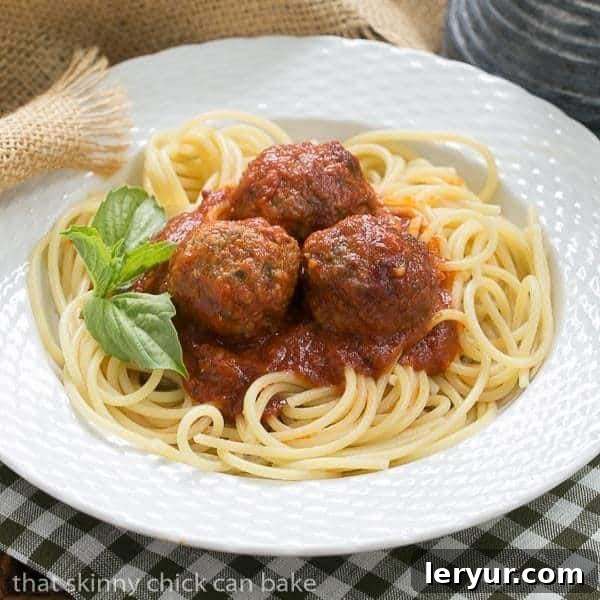
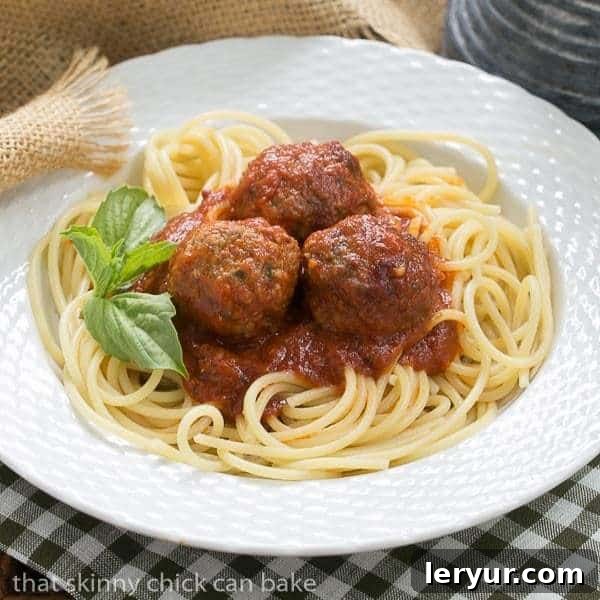
The Art of Sunday Gravy: A Timeless Italian-American Tradition
There are some culinary debates that transcend mere preferences and delve deep into cultural identity. One such discussion revolves around a beloved Italian-American classic: is it “spaghetti sauce” or “Sunday Gravy”? For many, especially those with roots in East Coast Italian-American communities, “gravy” isn’t the brown, savory liquid ladled over mashed potatoes on Thanksgiving. Instead, it’s a rich, slow-simmered tomato concoction, deeply infused with garlic, basil, and an array of succulent meats, served proudly over a mound of pasta. While a quick weeknight spaghetti sauce might involve browning onions, garlic, and Italian sausage before adding tomatoes and a splash of wine, the true “Sunday Gravy” is an entirely different affair – a labor of love that fills the entire house with an intoxicating aroma and promises a meal steeped in tradition and flavor.
This isn’t just about food; it’s about family, heritage, and the comfort of home. The very name “Sunday Gravy” evokes images of bustling kitchens, multi-generational gatherings, and the anticipation of a feast prepared with patience and passion. It’s a culinary ritual, a testament to the idea that some of the best things in life require time and dedication. Today, we’re diving deep into the heart of this tradition with a truly authentic recipe, adapted from the cherished culinary wisdom of Vita Greco, that will transform your kitchen into an Italian nonna’s haven.
What Makes a Gravy a “Sunday Gravy”?
The distinction between “sauce” and “gravy” is often a point of pride and nostalgia. While a simple marinara or pomodoro sauce might be vegetarian and quick to prepare, Sunday Gravy is characterized by its meat-heavy foundation and extensive simmering time. It’s a complete meal in itself, where various cuts of meat – typically pork ribs, Italian sausage, and homemade meatballs – are browned and then slowly cooked within the tomato base. As these meats braise, they release their savory juices, enriching the tomatoes and creating an unparalleled depth of flavor that a quick sauce simply cannot achieve. This slow process allows all the ingredients to meld and harmonize, resulting in a robust, velvety gravy that coats every strand of spaghetti beautifully.
The “Sunday” aspect isn’t arbitrary. Historically, for many Italian immigrant families, Sunday was a day of rest, church, and family gatherings. With limited time during the week, Sunday became the day for preparing elaborate, comforting meals that could feed a large family. A pot of gravy could simmer all afternoon, filling the home with a welcoming scent and providing a hearty meal after church. It’s a tradition that has been lovingly passed down through generations, each family adding their own subtle nuances, but always maintaining the core principles of patience, quality ingredients, and an abundance of flavor.
The Essential Ingredients for an Authentic Sunday Gravy
Crafting the perfect Sunday Gravy begins with selecting the right ingredients. Each component plays a vital role in building the complex flavor profile that makes this dish so iconic.
For the Meats:
- Olive Oil: A good quality extra virgin olive oil is essential for browning the meats and building the initial flavor base.
- 4 Country Style Pork Ribs: These ribs contribute significant richness and a deep, porky flavor that is central to the gravy. The bone-in aspect adds even more depth.
- 1 pound Italian Sausage Links: Choose either sweet or hot Italian sausage based on your preference. The fennel and spices in the sausage are key to the gravy’s characteristic taste.
For the Homemade Meatballs:
Homemade meatballs are a cornerstone of Sunday Gravy, adding a tender, flavorful element that soaks up the gravy beautifully. The traditional blend provides the best texture and taste.
- 1 pound Meatball Mix: Ideally, equal parts ground beef, ground pork, and ground veal. This trifecta creates exceptionally tender and flavorful meatballs. If veal is unavailable, all-beef or a beef-pork blend will also work well.
- 2 Eggs, slightly beaten: Act as a binder, helping the meatballs hold their shape.
- 2 tablespoons Fresh Italian Parsley, chopped: Adds a fresh, herbaceous note.
- 1/4 cup Grated Romano Cheese: Provides a sharp, salty, umami kick that is indispensable.
- 1/2 cup Breadcrumbs: Panko or plain breadcrumbs work well to lighten the texture of the meatballs.
- 4 cloves of Garlic, minced: Garlic is fundamental to almost all Italian cooking, and meatballs are no exception.
- Freshly ground Black Pepper: To taste, enhancing the overall savoriness.
For the Gravy Base:
The tomato base is the heart of the gravy, and a combination of different tomato products creates a balanced and full-bodied sauce.
- 4 cloves Garlic, minced: In addition to the meatball garlic, extra garlic for the gravy itself is crucial for that pungent, aromatic foundation.
- 1 small can Tomato Paste: This concentrates the tomato flavor, adding depth and richness. It’s essential to cook it down slightly to develop its sweetness.
- 2 large cans Crushed Tomatoes: The main body of the gravy, providing a rustic texture and rich tomato flavor. San Marzano tomatoes are often preferred for their sweetness and lower acidity.
- Freshly ground Black Pepper: To taste.
- Salt to taste: Adjust carefully, especially after adding Romano cheese.
- 1 teaspoon Sugar: A small amount of sugar helps to balance the acidity of the tomatoes and enhances their natural sweetness.
- A few pinches of Romano cheese: Adds an extra layer of savory, salty flavor to the gravy itself.
- 1/4 cup Fresh Italian Parsley, chopped: For fresh, bright herbaceous notes throughout the gravy.
- 1 tablespoon Dried Basil: Basil is the quintessential Italian herb for tomato sauces, providing a sweet, peppery aroma.
- 1 small can Tomato Sauce: Adds another layer of tomato flavor and contributes to the smooth consistency.
- 1 small can Water: Used to thin the gravy slightly and allow for proper simmering without becoming too thick too quickly. You can also use red wine or broth for added complexity.
Crafting Your Sunday Gravy: A Step-by-Step Guide
Patience is your most important ingredient when making Sunday Gravy. Follow these steps to build layers of flavor that will truly sing.
- Prepare Your Meats: Begin by heating a generous glug of olive oil in a large, heavy-bottomed Dutch oven or a substantial pot over medium-high heat. Brown the country-style pork ribs and Italian sausage links until deeply golden on all sides. As the first side of the sausage browns, pierce the casings a few times with a fork; this helps release fat and flavor into the pot. Once browned, remove the ribs and sausage from the pot and set them aside. Don’t worry about cooking them through at this stage; they will finish cooking in the gravy.
- Make the Meatballs: In a large mixing bowl, combine all the meatball ingredients: ground meat mix, beaten eggs, chopped fresh Italian parsley, grated Romano cheese, breadcrumbs, minced garlic, and a generous amount of freshly ground black pepper. Mix gently but thoroughly with your hands until just combined. Overmixing can lead to tough meatballs. Scoop out tablespoon-sized portions of the mixture and gently roll them into uniform balls.
- Brown the Meatballs: Add a little more olive oil to the Dutch oven if needed, using the flavorful drippings left from browning the ribs and sausage. Brown the meatballs in batches, turning them gently until they are golden brown on all sides. Like the other meats, they don’t need to be cooked through, just nicely seared. Remove the browned meatballs and set them aside with the other meats.
- Build the Gravy Base: Reduce the heat to medium-low. To the same Dutch oven, add the 4 cloves of minced garlic. Sauté the garlic for 1-2 minutes until it becomes fragrant, taking care not to let it brown or burn, as burnt garlic can taste bitter. Stir in the small can of tomato paste and cook it for about 3-5 minutes, stirring frequently. This step is crucial, as cooking the tomato paste deepens its flavor and removes any raw tinny taste, enhancing the sweetness.
- Combine and Simmer: Pour in the two large cans of crushed tomatoes, the small can of tomato sauce, and the small can of water. Add the remaining gravy ingredients: salt, freshly ground black pepper, sugar, a few pinches of Romano cheese, fresh Italian parsley, and dried basil. Stir everything together thoroughly, scraping up any browned bits from the bottom of the pot – these bits are packed with flavor! Bring the mixture to a gentle simmer.
- Add the Meats Back In: Carefully return all the browned pork ribs, Italian sausage, and meatballs to the Dutch oven, ensuring they are submerged in the gravy.
- The Long Simmer: Reduce the heat to low, so the gravy maintains a very gentle simmer. Place the lid on the pot slightly askew, allowing some steam to escape. This prevents the gravy from becoming too watery and promotes a richer concentration of flavors. Simmer the gravy for at least 3 hours, or even longer for maximum flavor development. During this long simmer, stir the gravy frequently – every 15-20 minutes – to prevent it from sticking to the bottom of the pot and scorching. The meats will become incredibly tender, and the flavors will meld beautifully.
Tips for the Perfect Sunday Gravy
- Use a Quality Pot: A heavy-bottomed Dutch oven or a sturdy, large pot is essential for even heat distribution and preventing scorching during the long simmer.
- Don’t Rush the Browning: Browning the meats is not just about color; it’s about developing deep, savory flavors through the Maillard reaction. Take your time with this step.
- Taste and Adjust: Always taste your gravy during the simmering process. Adjust salt, pepper, or a pinch more sugar as needed to achieve the perfect balance.
- Make Ahead: Sunday Gravy often tastes even better the next day, after the flavors have had more time to meld. It’s a fantastic dish for meal prepping or entertaining.
- Freezing: Leftover gravy freezes beautifully. Allow it to cool completely, then portion it into freezer-safe containers or bags. It can be stored for up to 3 months.
Serving Suggestions for Your Magnificent Gravy
While the name implies spaghetti, your Sunday Gravy is incredibly versatile:
- Classic Spaghetti: The most traditional pairing. Cook your spaghetti al dente and toss it directly with a generous amount of gravy.
- Beyond Spaghetti: This gravy also shines with other pasta shapes like rigatoni, ziti, paccheri, or even wide egg noodles.
- Serving the Meats: You can serve the meats directly with the pasta, or remove them from the gravy and serve them as a separate course, perhaps with a side of vegetables. The pork ribs will be fall-off-the-bone tender.
- Crusty Bread: Absolutely essential! Have plenty of fresh, crusty Italian bread on hand to sop up every precious drop of the gravy.
- Fresh Cheese: A generous sprinkle of freshly grated Pecorino Romano or Parmesan cheese is the perfect finishing touch.
- Simple Salad: A light, crisp green salad with a vinaigrette dressing provides a refreshing counterpoint to the richness of the gravy.
Variations to Explore
Once you’ve mastered the classic, don’t hesitate to experiment:
- Different Pork Cuts: Consider adding a piece of pork shoulder or neck bones for even more depth.
- Braciole: For an extra special touch, prepare a few beef or pork braciole (thin slices of meat rolled with cheese, herbs, and garlic) and simmer them in the gravy alongside the other meats.
- Spicy Kick: If you love heat, add a pinch of red pepper flakes with the garlic or use hot Italian sausage.
- Wine Infusion: Deglaze the pot with a dry red wine after browning the meats and sautéing the garlic, before adding the tomatoes. This adds another layer of complexity.
Making Sunday Gravy is more than just cooking a meal; it’s an embrace of tradition, a celebration of family, and an indulgence in truly soulful food. The effort you put into this slow-simmered masterpiece will be richly rewarded with an unforgettable flavor that warms the heart and soul. So, clear your Sunday schedule, gather your loved ones, and embark on this delicious culinary journey. The aroma alone is worth the wait!
Print This Recipe

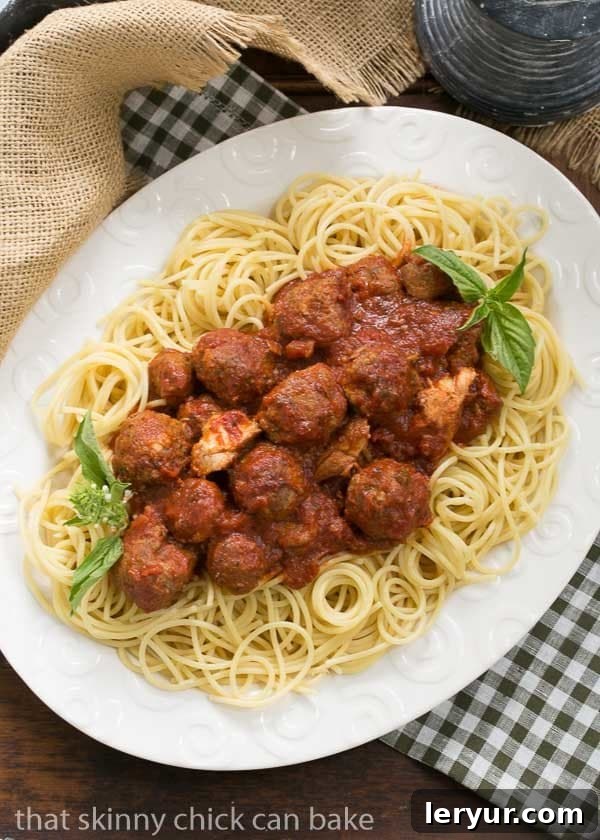
Photo circa 2011, showcasing the deliciousness of traditional Sunday Gravy.