
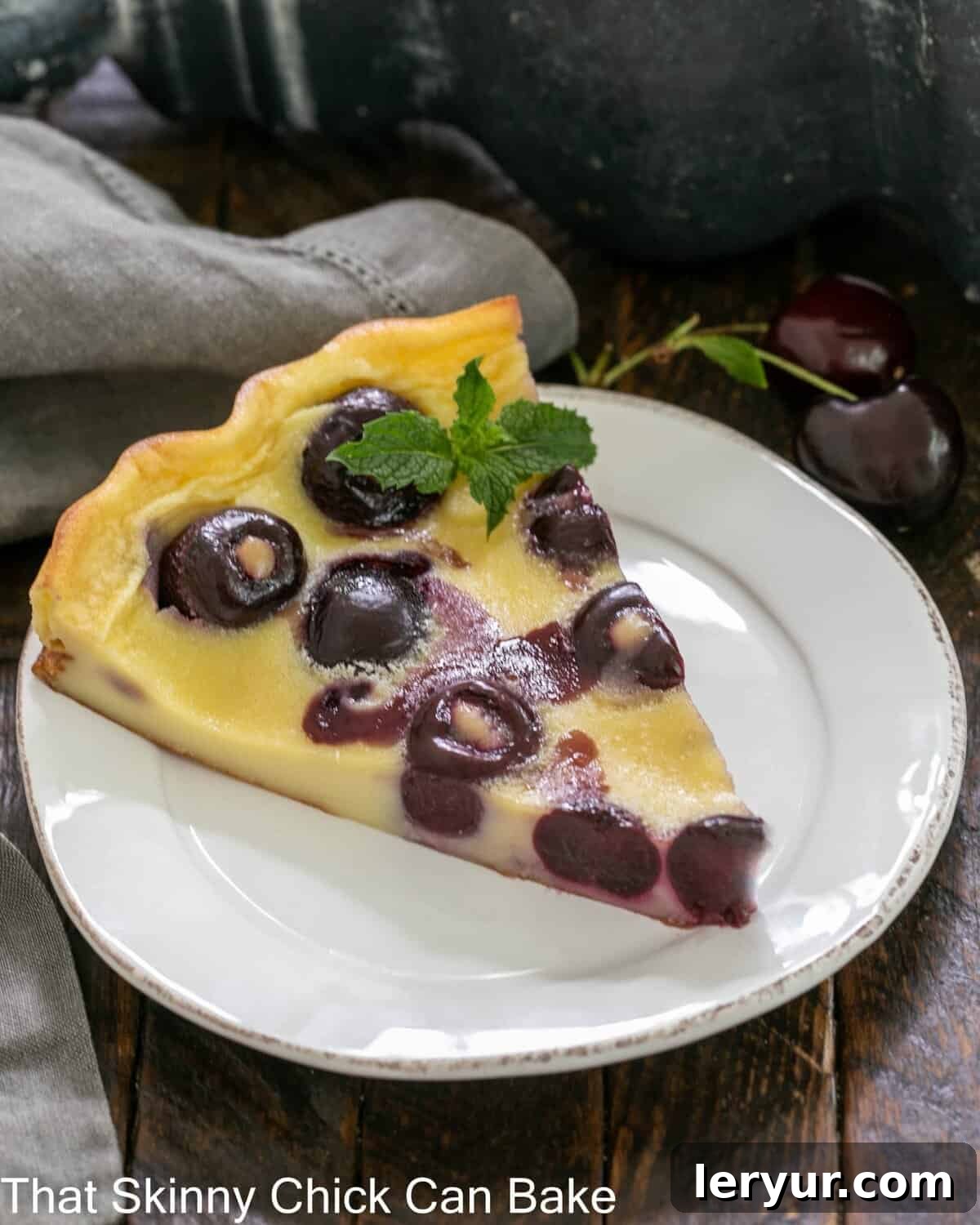
There’s a certain magic that comes with baking a classic French dessert, especially one that perfectly encapsulates the bounty of summer. This Whole-Cherry Clafoutis recipe brings that rustic elegance right into your kitchen, offering a simple yet profoundly satisfying experience. Imagine sweet, juicy cherries nestled in a delicate, custard-like batter, baked to golden perfection. It’s a dessert that feels both sophisticated and effortlessly charming, making it an ideal treat for any occasion, from a casual family brunch to an elegant dinner party.
For those who adore the vibrant flavors of fresh fruit, particularly during their peak season, clafoutis is an absolute revelation. While traditionally made with cherries, its versatile nature means you can adapt it with your favorite seasonal fruits, creating endless variations. Whether you’re a seasoned baker or just starting your culinary journey, this recipe for cherry clafoutis is designed to be accessible, offering clear instructions and helpful tips to ensure a spectacular outcome. It’s time to rediscover the joy of French baking with this delightful and unforgettable dessert.
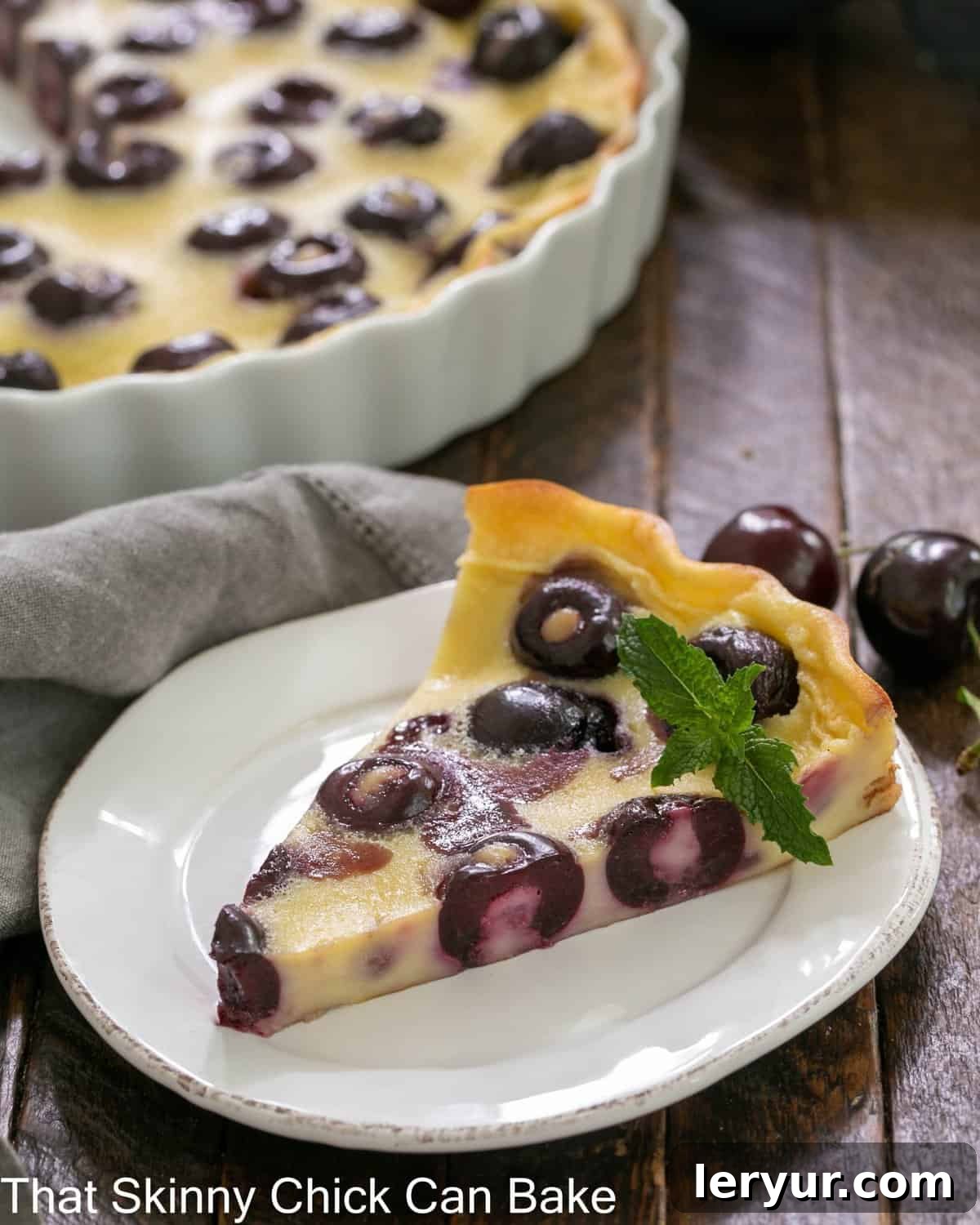
The Irresistible Appeal of Cherry Clafoutis
Clafoutis is more than just a dessert; it’s an experience. Its humble origins in the Limousin region of France belie its impressive flavor and texture. Here’s why this rustic French tart will quickly become one of your go-to recipes:
- A Perfect Showcase for Summer Fruit: When sweet, ripe cherries are in season, there’s no better way to highlight their natural beauty and flavor. The simple batter allows the fruit to truly shine, making every bite a celebration of summer’s harvest. It’s also incredibly adaptable; don’t limit yourself to cherries! Peaches, plums, berries, or even pears can create equally delightful variations.
- Effortlessly Elegant: Despite its sophisticated presentation and French heritage, clafoutis is surprisingly simple to make. It doesn’t require complex techniques or extensive ingredient lists. The most “time-consuming” step, pitting the cherries, is even optional for a more traditional, flavorful outcome. This makes it perfect for both novice bakers and those looking for a quick yet impressive dessert.
- A Unique Texture Experience: This dessert masterfully bridges the gap between a cake and a pudding. The batter bakes into a delicate, custardy base that cradles the fruit, offering a texture that is simultaneously soft, slightly eggy, and incredibly moist. It’s light enough for a summer treat but substantial enough to satisfy any sweet craving.
- Versatile Serving Options: Clafoutis can be enjoyed warm from the oven, at room temperature, or even chilled. It’s delicious on its own with a simple dusting of powdered sugar, or elevated with a dollop of whipped cream or a scoop of vanilla ice cream. Its adaptability makes it suitable for breakfast, brunch, or a refined after-dinner course.
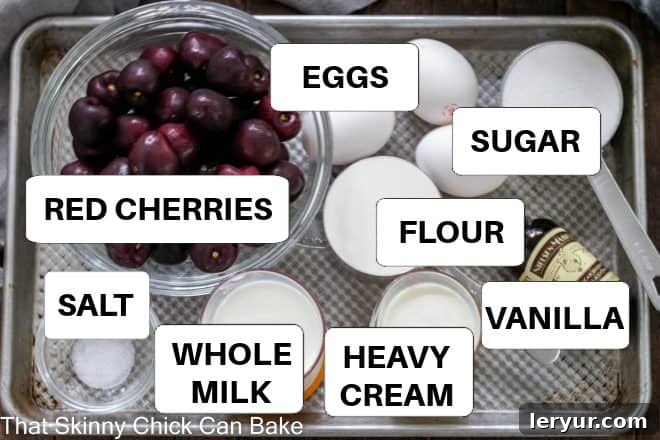
Essential Ingredients for Your Clafoutis
Creating a truly magnificent clafoutis starts with selecting the right ingredients. Here’s a closer look at what you’ll need and why each component is crucial:
- Sweet Fresh Cherries: The star of the show! Opt for sweet varieties like Bing or Red Cherries for their rich color and flavor. Yellow Rainier Cherries also offer a beautiful alternative with a milder sweetness. If fresh cherries aren’t available, you can use frozen cherries; just remember not to defrost them before adding them to the batter, as this prevents the release of excess moisture.
- Large Eggs: Eggs provide the structure and richness that give clafoutis its signature custardy texture. For optimal incorporation and a smoother batter, ensure your eggs are at room temperature. This allows them to blend more easily with the other ingredients, creating a more uniform and tender crumb.
- Granulated Sugar: Regular white granulated sugar provides the perfect balance of sweetness to complement the fruit without overpowering it. It also contributes to the golden-brown crust and moist texture of the clafoutis.
- Salt: A small pinch of salt is absolutely essential, even in sweet desserts. It acts as a flavor enhancer, bringing out the nuanced sweetness of the cherries and the richness of the dairy, ensuring a perfectly balanced taste profile.
- Pure Vanilla Extract: Always choose real vanilla extract over artificial alternatives. Its warm, aromatic notes elevate the overall flavor of the clafoutis, adding depth and a comforting scent.
- All-Purpose Flour: This provides the necessary structure to the batter, creating that delicate cross between a cake and a pudding. Sifted flour ensures a lump-free batter and a finer texture in the final product.
- Whole Milk: The fat content in whole milk is key to achieving a rich, creamy, and tender clafoutis. If you only have 2% milk, you can create a suitable substitute by mixing ¾ cup of 2% milk with ¼ cup of half and half to approximate the richness of whole milk.
- Heavy Cream (36% Milk Fat): For an extra layer of decadence and a truly luxurious, custardy texture, heavy cream is indispensable. Its high fat content contributes significantly to the dessert’s richness and smooth mouthfeel.
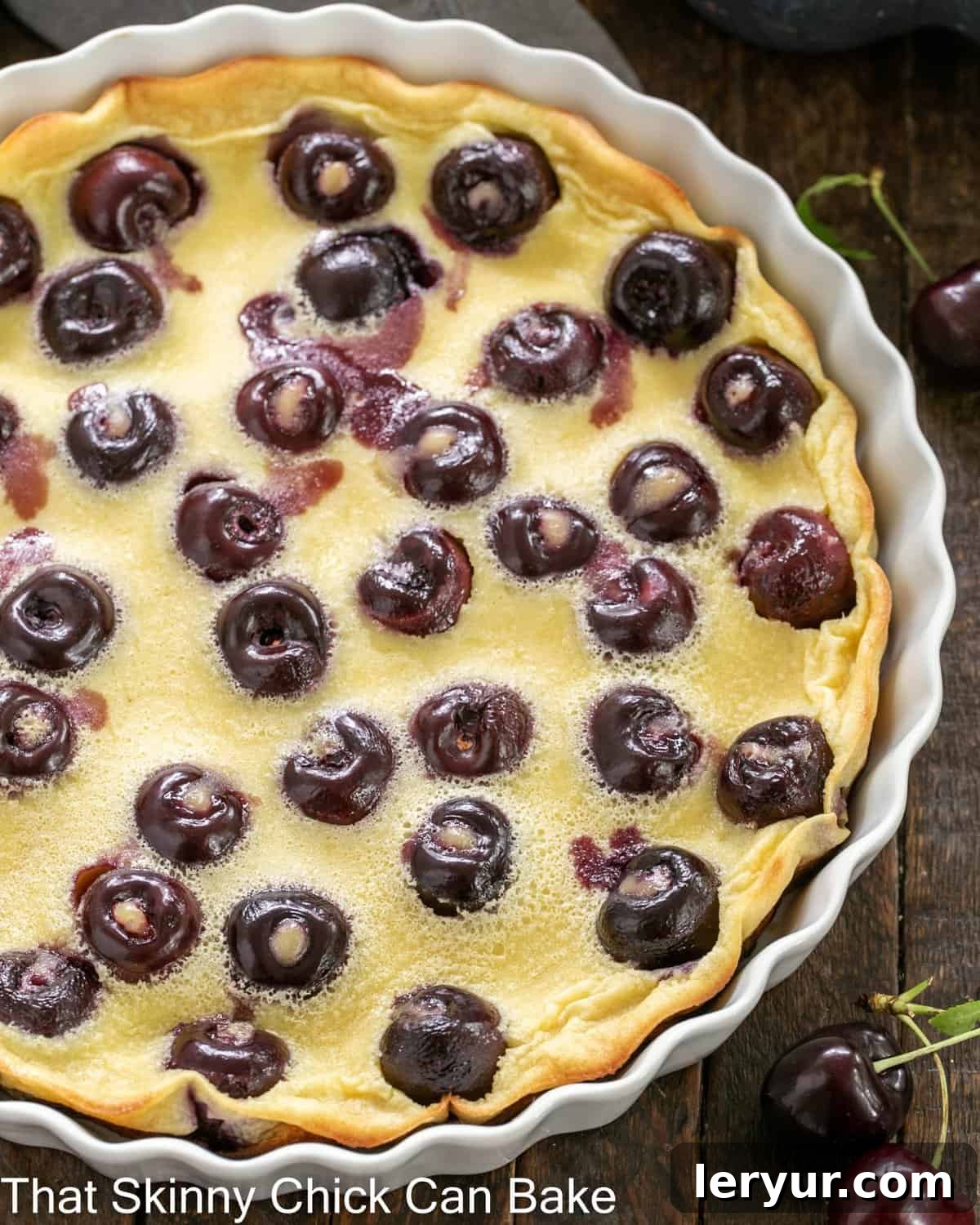
Mastering Your Clafoutis: Expert Tips for Success
Achieving clafoutis perfection is simpler than you think with a few insider tips:
- Pitted vs. Unpitted Cherries: The Great Debate: The choice to pit or not to pit your cherries is a classic clafoutis dilemma. Traditionally, clafoutis is made with whole, unpitted cherries, as the pits are believed to infuse the dessert with a subtle, almond-like flavor during baking, adding an extra layer of complexity. However, for convenience and ease of eating, many prefer pitted cherries. If you opt for unpitted cherries, be sure to warn your guests and provide small bowls for pit disposal to avoid any unsavory “pit-spitting” contests! For larger gatherings or when serving children, pitting is often the safer and more polite choice. If you do pit, consider adding a tiny splash of almond extract to the batter to mimic that traditional flavor.
- Beyond Cherries: Embrace Fruit Versatility: While cherries are the quintessential fruit for clafoutis, don’t be afraid to experiment. This dessert is wonderfully adaptable to a wide array of other fruits. Stone fruits like sliced peaches, plums, or apricots work beautifully. Mixed berries (strawberries, blueberries, raspberries) create a vibrant and tangy contrast. Pears, especially Bosc or Anjou, offer a delicate sweetness and firm texture. Even prunes soaked in Armagnac or other rehydrated dried fruits can yield a surprisingly delicious and sophisticated clafoutis. For a truly authentic touch, consider using Griottes, or sour cherries in syrup, drained well before incorporating.
- The Right Cherry Variety Matters: For this recipe, sweet red or Bing cherries are excellent choices, offering a deep color and rich, saccharine flavor. However, don’t overlook Rainier cherries; their lighter color and slightly milder, honey-like sweetness provide a delightful alternative that can produce a visually stunning clafoutis.
- Achieving the Perfect Doneness: Knowing when your clafoutis is perfectly baked is crucial for its signature custardy texture. To test for doneness, gently insert a thin, sharp knife or a wooden skewer into the center of the clafoutis. If it comes out clean with no wet batter clinging to it, your clafoutis is ready. The top should be beautifully puffed and lightly golden brown. Overbaking can lead to a dry texture, so keep a close eye on it towards the end of the baking time.
- The Art of Garnishing: The classic and most elegant garnish for a clafoutis is a simple, generous dusting of powdered sugar. This adds a touch of visual appeal and a delicate hint of extra sweetness. For the best presentation, apply the powdered sugar right before slicing and serving. If you dust it too early, any moisture from the warm cake can absorb the sugar, making it disappear. For an extra flourish, you can also add a few fresh mint leaves or a small dollop of crème fraîche or whipped cream.
Frequently Asked Questions About Clafoutis
The pronunciation of clafoutis can be a bit tricky for non-French speakers. It’s pronounced: kla-foo-TEE. The ‘s’ at the end is silent, and the emphasis falls on the last syllable.
Clafoutis is a traditional, rustic French dessert that hails from the Limousin region. It’s often described as a delightful cross between a dense pancake, a simple cake, and a firm, eggy pudding. The name itself comes from the Old French word “claufir,” meaning “to hold in place with nails,” which charmingly refers to how the fruit pieces appear to be “nailed” into the batter as it bakes. Typically, a clafoutis is prepared by scattering a layer of fresh fruit, most famously cherries, into a buttered dish and then pouring a rich, milk-and-egg-based batter over the top before baking. While cherries are the traditional choice, it’s common to find variations made with other stone fruits like plums or peaches, mixed berries, or even pears. If using frozen fruit, ensure it remains frozen when added to prevent a watery batter.
Traditionally, clafoutis is served warm, often straight from the oven, allowing its comforting aromas and tender texture to be fully appreciated. However, it’s incredibly versatile and equally delicious served at room temperature, making it a fantastic option for potlucks or picnics. Some even enjoy it chilled, particularly on a hot summer day. While a simple dusting of powdered sugar is the most common and elegant garnish, a dollop of freshly whipped cream, crème fraîche, or a scoop of high-quality vanilla bean ice cream can take this rustic dessert to an even more luxurious level. Pair it with a cup of coffee or a glass of dessert wine for a truly French experience.
This is a classic point of contention among clafoutis enthusiasts! Historically, and in many traditional French kitchens (including the esteemed Dorie Greenspan’s recipes), cherries are left unpitted. The theory behind this is that the cherry pits release a subtle, almond-like flavor into the batter during baking, enhancing the overall depth of the dessert. However, for modern palates and for the convenience of your guests, pitting the cherries is a perfectly acceptable and often preferred approach. If you choose to leave the pits in, it’s absolutely crucial to inform your diners so they can enjoy their dessert without any unexpected crunch! Providing small, decorative bowls at the table for pit collection is also a thoughtful gesture. Ultimately, the decision comes down to personal preference and practicality, but rest assured, whether pitted or unpitted, your clafoutis will be delicious.
Clafoutis is best enjoyed fresh, but leftovers can be stored. At room temperature, covered loosely, it will keep for up to 2 days. For longer storage, you can refrigerate it, covered tightly with plastic wrap or in an airtight container, for up to 4 days. Before serving refrigerated clafoutis, you can gently warm individual slices in the microwave or a low oven for a few minutes to revive its texture. It’s generally not recommended to freeze clafoutis, as the fruit tends to release too much moisture upon defrosting, which can compromise the delicate texture of the custard and make it watery. Enjoy it within its fresh lifespan for the best experience!
Explore More Delicious Desserts
If you’ve fallen in love with the simple charm of this Whole-Cherry Clafoutis, you’ll be thrilled to discover other wonderful fruit-filled and baked delights. Here are some more recipes to inspire your baking adventures:
- Cherry Almond Macaroon Pie from Cravings of a Lunatic
- Double Cherry Muffins
- Chewy Cherry Chocolate Chunk Cookies
- Oatmeal Cherry Cookies
- Raspberry Clafoutis (a delightful variation with vibrant raspberries!)
- For even more spectacular Cake Recipes and sweet treats, be sure to check my comprehensive Recipe Index.
Stay connected and share your culinary creations with me on social media! Find me on Instagram, Facebook, and Pinterest. Don’t forget to tag me when you try one of my recipes! Your feedback is invaluable, and if you love the results, please consider giving it a 5-star rating in the recipe card below.
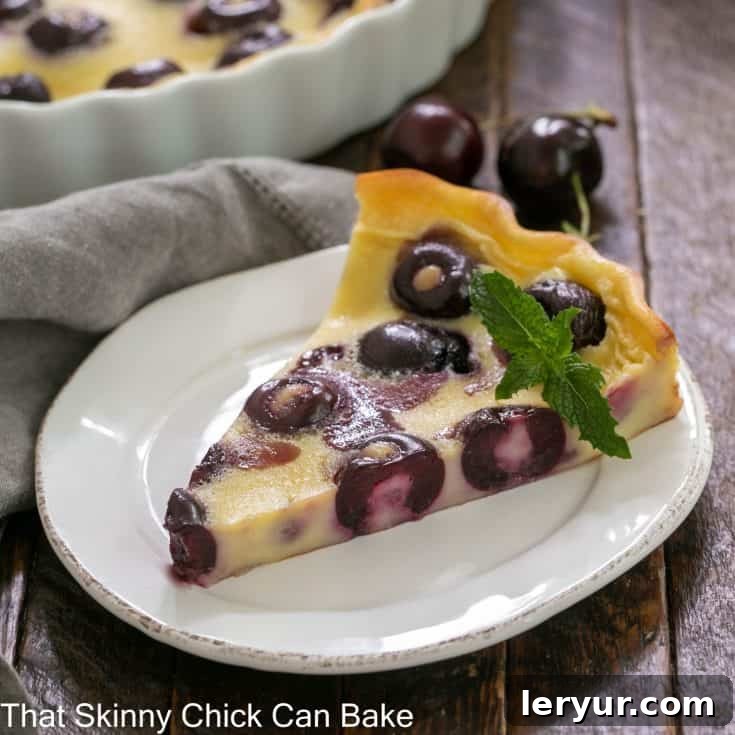
Whole-Cherry Clafoutis
20 minutes
45 minutes
1 hour 5 minutes
6 servings
An authentic and delightfully rustic French clafoutis, traditionally made with sweet dark cherries. This recipe, adapted from the renowned Dorie Greenspan, promises a tender, custardy dessert that’s perfect for any occasion.
Ingredients
- 1 pound sweet cherries, pitted (or 1 ½ pounds with pits if preferred)
- 3 large eggs, at room temperature
- ½ cup granulated sugar
- Pinch of fine table salt
- 2 teaspoons pure vanilla extract
- ½ cup all-purpose flour
- ¾ cup whole milk
- ½ cup heavy cream (36% milk fat)
- Powdered sugar, for dusting
Instructions
- Prepare Oven and Dish: Position an oven rack in the center of your oven and preheat to 350°F (175°C). Generously butter a 9-inch deep-dish pie pan or any oven-safe baking dish with a 2-quart capacity.
- Arrange Cherries: Distribute the cherries evenly in a single layer across the bottom of the prepared pie pan.
- Whisk Wet Ingredients: In a medium-sized mixing bowl, whisk the room-temperature eggs vigorously until they become light and foamy. Gradually add the granulated sugar and continue whisking for about a minute until well combined and slightly thickened. Stir in the pinch of salt and pure vanilla extract.
- Incorporate Flour: Add the all-purpose flour to the egg mixture. Whisk thoroughly until the batter is completely smooth and free of lumps. This step may require a little elbow grease to ensure a consistent, silky batter.
- Add Dairy & Combine: While continuously whisking, slowly pour in the whole milk and heavy cream. Continue mixing until all the ingredients are fully blended into a smooth, liquid batter. Gently tap the bowl against the counter a few times to release any air bubbles that may have formed.
- Assemble & Bake: Carefully pour the prepared batter over the cherries in the baking dish, ensuring the cherries are mostly submerged. Transfer the dish to the preheated oven.
- Bake to Perfection: Bake for 35 to 45 minutes, or until the clafoutis is beautifully puffed up, golden brown around the edges, and a knife inserted into the very center comes out clean.
- Cool & Serve: Once baked, remove the clafoutis from the oven and place it on a wire cooling rack. Allow it to cool slightly and serve warm, or at room temperature.
- Garnish: Just before bringing it to the table, generously dust the entire surface of the clafoutis with powdered sugar. This adds a lovely finish and a delicate touch of sweetness.
Recipe Notes
This recipe is adapted from the renowned Dorie Greenspan, a master of French baking. While Dorie traditionally recommends using whole cherries with the pits for an enhanced almond-like flavor, I’ve opted for pitted cherries in this version for easier consumption. If you choose to keep the pits, remember to inform your guests before serving.
Recommended Products
As an Amazon Associate and member of other affiliate programs, I earn from qualifying purchases.
- OXO Cherry Pitter
- OXO Good Grips 11-Inch Better Balloon Whisk
- 9-inch Ceramic Deep Dish Pie Plate
Nutrition Information:
Yield:
6
Serving Size:
1 slice
Amount Per Serving:
Calories: 354
Total Fat: 11g
Saturated Fat: 6g
Trans Fat: 0g
Unsaturated Fat: 4g
Cholesterol: 118mg
Sodium: 77mg
Carbohydrates: 59g
Fiber: 2g
Sugar: 48g
Protein: 7g
HOW MUCH DID YOU LOVE THIS RECIPE?
Please leave a comment on the blog or share a photo on Pinterest