
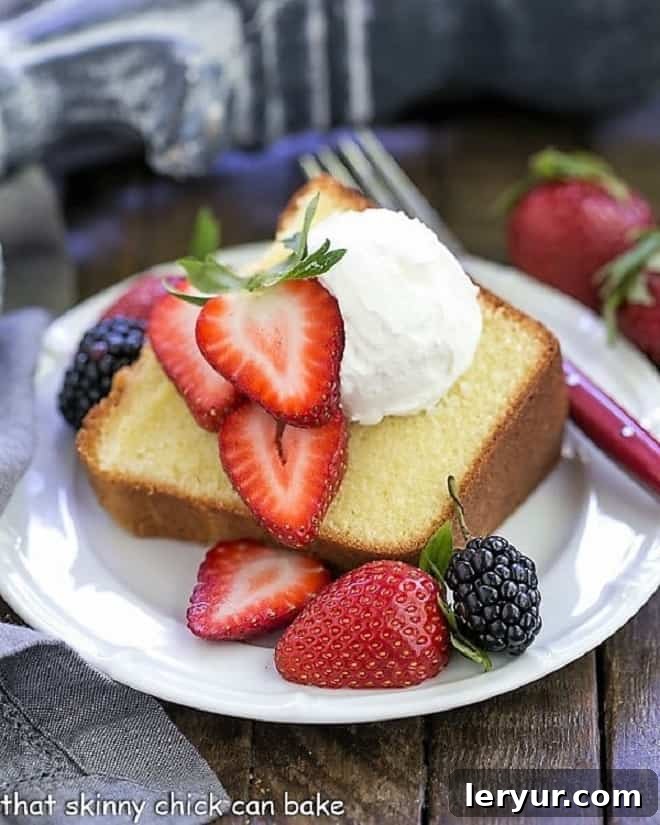
Unlock the secret to the most exquisite pound cake you’ll ever bake! Our recipe, featuring brilliant techniques like using heavy cream, specialized cake flour, and a precise method for alternating wet and dry ingredients, yields the **Best Pound Cake Recipe** you could ever dream of. Prepare for a dessert that boasts a perfectly dense yet tender crumb, unparalleled moisture, and a rich, buttery flavor – making it an indispensable addition to your baking repertoire.
The name “pound cake” historically signifies its humble origins. Hailing from Britain, the very first recipes were remarkably straightforward, calling for a pound each of butter, sugar, eggs, and flour. While modern adaptations, including this exceptional **Whipping Cream Pound Cake**, may vary slightly from those precise weight measurements, the essence of simplicity and rich flavor remains. What we can absolutely guarantee, regardless of exact ingredient weights, is an utterly scrumptious and memorable cake that will impress every palate.
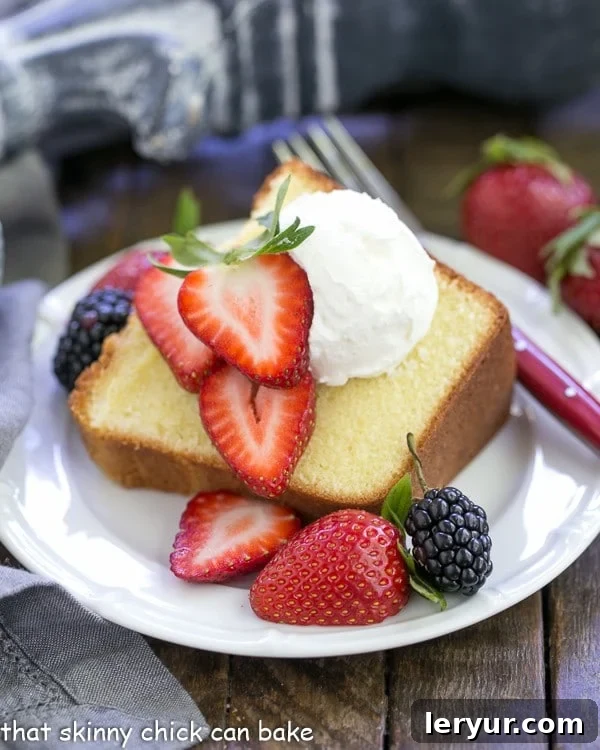
Why This Classic Pound Cake is a Must-Bake
My baking journey with pound cake began unexpectedly during Junior High Home-Ec. Flipping through my mother’s cherished cookbooks, I stumbled upon a simple pound cake recipe. Despite a rookie mistake – forgetting the vanilla extract – my teacher praised its wonderful taste and texture, igniting a lifelong passion for baking. Years later, I rediscovered the magic in an updated version from Gourmet magazine, which quickly became my go-to. I confidently declare it the BEST, and here’s why:
- A Timeless Favorite: This isn’t just any recipe; it’s rumored to be Elvis Presley’s favorite pound cake! A testament to its enduring appeal, this tried-and-true recipe has delighted generations for decades.
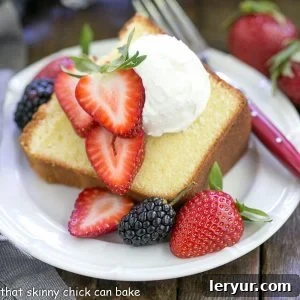
- Ultimate Versatility: A classic vanilla pound cake provides the perfect canvas for a myriad of toppings. It beautifully complements fresh seasonal berries, creamy ice cream, light whipped cream, or a drizzle of your favorite sauce. Its adaptability makes it ideal for any occasion.
- Irresistible Texture and Flavor: Prepare for a cake that is wonderfully dense, incredibly buttery, and profoundly delicious. Its fine, close-knit crumb is the hallmark of a truly great pound cake, offering a melt-in-your-mouth experience with every bite.
What Our Readers Are Saying:
From Jacqueline on Pinterest: “Awesome! This cake is the BOOM BAM BOOM! I have branded myself as a baker with this recipe.” Comments like these fuel our passion and affirm that this pound cake truly stands out!
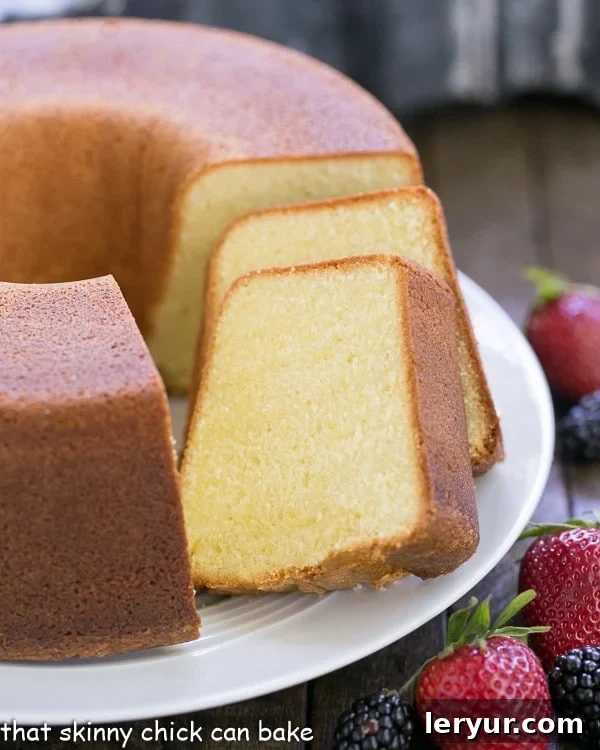
Key Ingredients for the Perfect Pound Cake:
Crafting a truly exceptional pound cake starts with understanding the role of each ingredient. Pay close attention to these key components:
- Essential Kitchen Staples: Gather your sugar, butter, vanilla extract, and salt. While seemingly basic, their quality and proper measurement are foundational to the cake’s success.
- Eggs (A Crucial Seven!): You’ll need seven large eggs for this recipe. It is absolutely vital that they are at room temperature. This allows them to emulsify better with the butter and sugar, creating a smoother, more uniform batter and contributing to the cake’s volume and texture.
- Cake Flour: This is a game-changer for pound cake. You’ll typically find it in the baking aisle, often in a box. Cake flour has a lower protein content than all-purpose flour, resulting in less gluten development and, consequently, a more tender, finer crumb.
- PRO-Tip for Homemade Cake Flour: If cake flour isn’t readily available, you can easily make your own. For every cup of all-purpose flour, remove 2 tablespoons and replace them with 2 tablespoons of cornstarch. Sift this mixture several times to ensure thorough incorporation. This simple trick effectively reduces the gluten in the flour, making it more suitable for tender cakes.
- Heavy Cream: This ingredient is one of the unique stars of this particular pound cake recipe, lending it an incredibly rich flavor and velvety texture. Ensure your heavy cream has a butterfat content of at least 36% for optimal results. It adds moisture and richness without making the cake greasy.
The Legend of Elvis Presley’s Favorite Pound Cake
About two decades ago, when Epicurious became my go-to resource for culinary inspiration, I stumbled upon a recipe famously dubbed Elvis’ Favorite Pound Cake. What immediately struck me were the inclusion of heavy cream and cake flour – two ingredients that promised, and delivered, a truly marvelous crumb and an unforgettable taste experience. This recipe quickly earned its place as a personal favorite and a crowd-pleaser.
Its robust vanilla flavor and moist texture make it the perfect dessert year-round. In spring and summer, it’s a spectacular way to showcase the season’s bounty of fresh berries, perhaps drizzled with a simple berry syrup. As the weather cools, transform it with a warm sauce made from frozen raspberries or a delicate dusting of powdered sugar alongside a generous scoop of classic vanilla ice cream. This pound cake is an ideal centerpiece for any gathering, but honestly, it’s so delicious, you’ll find excuses to bake it any time of year. With Elvis’s legendary endorsement, you simply cannot go wrong!
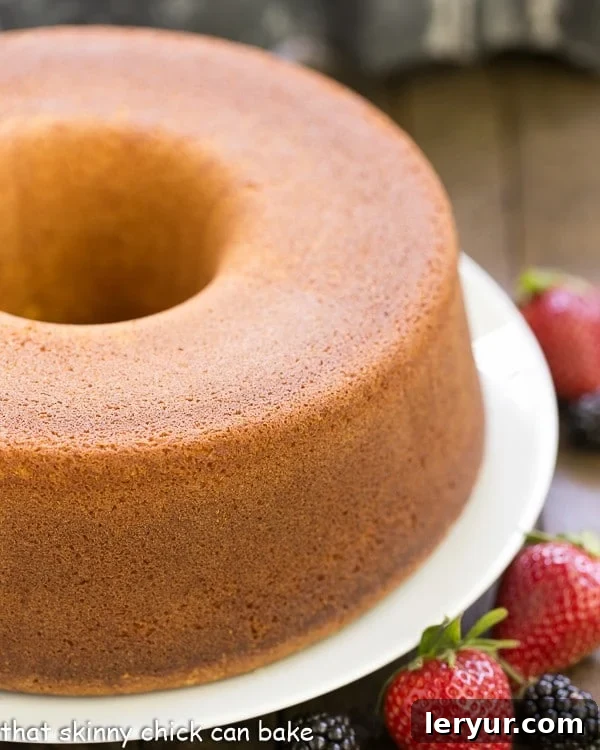
Mastering Your Pound Cake: Expert Tips and Techniques
While many cake recipes share fundamental principles, such as ensuring butter and eggs are at room temperature, there are specific nuances to crafting the perfect pound cake. These expert pointers will help you achieve that signature dense, moist, and tender texture every time.
Mixing the Batter for Perfection
- PRO-Tip: Start with Room Temperature Ingredients. This cannot be stressed enough. Ingredients like eggs, butter, and cream should be left on the counter for at least an hour before you begin mixing. Room temperature ingredients emulsify more effectively, creating a smoother, more homogenous batter that holds more air (even though we want a dense cake, some aeration is good for tenderness). If you’re short on time, place eggs in a bowl of warm (not hot) water for 10-15 minutes, and cut butter into smaller pieces to soften faster.
- Using room temperature ingredients significantly helps to increase the overall volume and lightness of the batter before the flour is added, leading to a more tender final product.
- PRO-Tip: Use the Paddle Attachment for Butter and Sugar. When creaming butter and sugar with a stand mixer, opt for the paddle attachment. This ensures that the mixture becomes light and fluffy without incorporating too much air, which is key for a dense pound cake. Beat on medium-high for the recommended 5 minutes to achieve a velvety texture and proper aeration for structure, without making it too airy like a sponge cake.
- Don’t Overmix Eggs: Once the eggs are added, beat them just until they are fully incorporated. Similar to cheesecakes, overmixing eggs can introduce too much air, leading to a cake with a more open, less dense crumb, or even cause it to sink.
- Sifting Cake Flour: Using cake flour is essential for a finer, more delicate crumb. Sifting it twice, or even three times as some bakers recommend, further aerates the flour and removes any lumps, ensuring it disperses evenly throughout the batter.
- PRO-Tip: Avoid Overmixing After Adding Flour. This is critical! Overmixing flour activates the gluten, which develops elasticity and can result in a tough, chewy cake. Once the flour is added, mix only until just combined. As long as you’re using the paddle attachment on a low speed, you should be able to incorporate it sufficiently without overworking the gluten.
Baking Your Pound Cake
- Prepare Your Pan Properly: Thoroughly grease and flour your tube pan. Alternatively, a non-stick flour and oil spray like Baker’s Joy works wonders for ensuring a clean release.
- PRO-Tip: Select the Right Pan. Crucially, do not use a 2-piece angel food cake pan, which typically has a removable bottom. The dense batter of a pound cake will likely seep through the seams during baking, creating a messy situation in your oven. A solid tube pan or a Bundt pan is ideal.
- PRO-Tip: Start in a Cold Oven. This recipe uniquely calls for placing the cake into a cold oven before turning it on. While I’m no chemist, this technique is believed to delay the activation of leavening agents (like baking powder, though this recipe relies primarily on eggs for lift). This slower rise helps create the characteristically dense, fine crumb of a pound cake, preventing it from becoming too airy by controlling the formation of carbon dioxide bubbles.
- Patience is Key: Most pound cakes require a substantial baking time, often an hour or more. Resist the urge to open the oven door too frequently. The cake is done when a wooden skewer or toothpick inserted into the center comes out clean or with only a few moist crumbs attached, indicating it’s cooked through without being dry.
- Cooling Process: Once baked, allow the pound cake to cool in the pan on a wire rack for 10-15 minutes. This allows the cake to set slightly before you gently shake it from side to side to loosen, then invert it onto the cooling rack to finish cooling completely. This gradual cooling prevents the cake from collapsing or sticking.
Storing and Preserving Your Delicious Cake
- Room Temperature Storage: Keep your pound cake covered tightly (e.g., with plastic wrap or in an airtight container) at room temperature for up to 3-4 days. Its density helps it stay fresh longer than many lighter cakes.
- Freezing for Extended Freshness: To store your pound cake beyond four days, wrap it first in plastic wrap, ensuring it’s completely airtight. Then, wrap it again in heavy-duty aluminum foil (or regular foil if double-layered) to provide a double layer of protection against freezer burn. It can be frozen for up to 3 months. Don’t forget to label it with the date so you know when it’s at its prime.
Frequently Asked Questions About Pound Cake
For the classic pound cake shape and even baking, a tube pan is highly recommended. It resembles a tire from above, and the central tube allows heat to penetrate the center of the cake more efficiently, ensuring it bakes evenly and prevents the edges from over-baking while the middle remains raw. However, it’s crucial to avoid a two-piece angel food cake pan, which has a removable bottom. Pound cake batter is denser than angel food cake batter, and it will almost certainly leak out of the seams, creating a mess in your oven.
You can also successfully bake this cake in a Bundt pan for a decorative fluted shape. If you prefer smaller loaves, divide the batter between loaf pans, but be sure to reduce the baking time accordingly. Scroll down to see a link to the nonstick tube pan I personally use and recommend.
The charming culinary term “Pound Cake” originates from its traditional recipe proportions. Historically, the original British recipes called for a simple ratio of one pound each of butter, sugar, eggs, and flour. This straightforward, equal-weight measurement made it incredibly easy to remember and prepare, though modern variations, including this one, often adjust these quantities for optimal texture and flavor.
Absolutely! Pound cake freezes exceptionally well, making it perfect for preparing ahead or saving leftovers. To freeze, ensure your cake is completely cooled. Then, wrap it meticulously in plastic wrap, making sure it’s airtight to prevent freezer burn. For an extra layer of protection, wrap it again in heavy-duty aluminum foil. This double wrapping helps maintain its moisture and flavor. Label the package with the date, and it will keep beautifully in the freezer for up to 3 months. When ready to enjoy, simply thaw it at room temperature.
For butter, it should be soft enough to make an indentation with your finger without melting. It shouldn’t be greasy or shiny. For eggs, they should not feel cold to the touch. If you forget to take them out, place the eggs in a bowl of warm water for 10-15 minutes, and cut the butter into smaller cubes to help it soften faster on the counter.
Pound cake is a type of butter cake characterized by its rich, dense, and moist texture with a fine crumb, traditionally made with equal parts butter, sugar, eggs, and flour. It typically relies on creamed butter and eggs for its lift rather than chemical leaveners like baking powder or soda (though some modern recipes might include a small amount). “Regular cake” is a broader term encompassing many varieties, often lighter in texture, with a more open crumb, and frequently relying on a combination of butter, oil, eggs, and chemical leaveners for their rise. Pound cake is distinct in its simplicity, richness, and classic texture.
Explore More Delicious Cake Recipes
If you’ve fallen in love with this pound cake, you’ll be thrilled to discover other delectable variations and essential cake recipes:
- Million Dollar Pound Cake from Melissa’s Southern Style Kitchen
- Sour Cream Pound Cake
- Strawberry Pound Cake
- Streusel Pound Cake
- Lemon Pound Cake
- More of my Best Cake Recipes
- More of my Best Dessert Recipes
Stay in touch through social media @ Instagram, Facebook, and Pinterest. Don’t forget to tag me when you try one of my recipes! And if you love the results, please give it a 5-star rating in the recipe card.
Best Pound Cake Recipe
25 minutes
1 hour 15 minutes
1 hour 40 minutes
12 servings
Elvis’ favorite pound cake recipe. Adapted from Gourmet Magazine.
Ingredients
- 2 sticks (1 cup) butter, at room temperature, plus more for greasing the pan
- 3 cups sugar
- 7 eggs, at room temperature
- 2 teaspoons vanilla extract
- ½ teaspoon salt
- 3 cups cake flour, sifted twice
- 1 cup heavy cream
Instructions
- Butter and flour (or use a flour and oil cooking spray like Baker’s Joy) a 10-inch tube or Bundt pan. Ensure you do not use a 2-piece angel food cake pan, as the batter will leak.
- In a large mixing bowl, using a stand mixer with a paddle attachment, cream together the room temperature butter and sugar. Beat on medium-high speed for 5 minutes until light, fluffy, and velvety.
- Scrape down the sides of the bowl to ensure everything is well combined. Add the eggs, one at a time, beating well after each addition until just incorporated. Beat in the vanilla extract, then mix in the salt.
- With the mixer on low speed, gradually add half of the sifted cake flour, mixing until just combined. Then, pour in all of the heavy cream, mixing until just incorporated. Finally, add the remaining flour and mix gently until no streaks of flour remain. Scrape down the bowl, and beat on medium-high for 5 more minutes until the batter is smooth and satiny. Do not overmix.
- Pour the prepared batter evenly into your greased and floured pan. Gently tap the pan onto the counter once or twice to release any large air bubbles. Place the pan in the lower third of a cold oven.
- Set the oven temperature to 350ºF (175ºC). Bake for 60-75 minutes, or until a wooden skewer or toothpick inserted into the center of the cake comes out clean or with only a few moist crumbs attached.
- Once baked, remove the cake from the oven and let it cool in the pan on a wire rack for 30 minutes. This allows the cake to set and prevents it from sticking. After 30 minutes, carefully invert the cake onto a serving plate or cooling rack to cool completely before slicing and serving.
Notes
I have also successfully baked half a batch of this recipe. For a half batch, I used 3½ eggs (estimating the volume of a half of a large egg). When baking in a loaf pan, the cooking time will be reduced to approximately 45 minutes. Always check for doneness with a toothpick.
Recommended Products for Perfect Baking
As an Amazon Associate and member of other affiliate programs, I earn from qualifying purchases.
- High-Quality Silicone Spatulas
- KitchenAid Artisan Tilt-Head Stand Mixer with Pouring Shield, 5-Quart
Nutrition Information:
Yield:
12
Serving Size:
1 slice
Amount Per Serving:
Calories: 564Total Fat: 26gSaturated Fat: 15gTrans Fat: 1gUnsaturated Fat: 8gCholesterol: 171mgSodium: 257mgCarbohydrates: 78gFiber: 1gSugar: 51gProtein: 7g
HOW MUCH DID YOU LOVE THIS RECIPE?
Please leave a comment on the blog or share a photo on Pinterest