
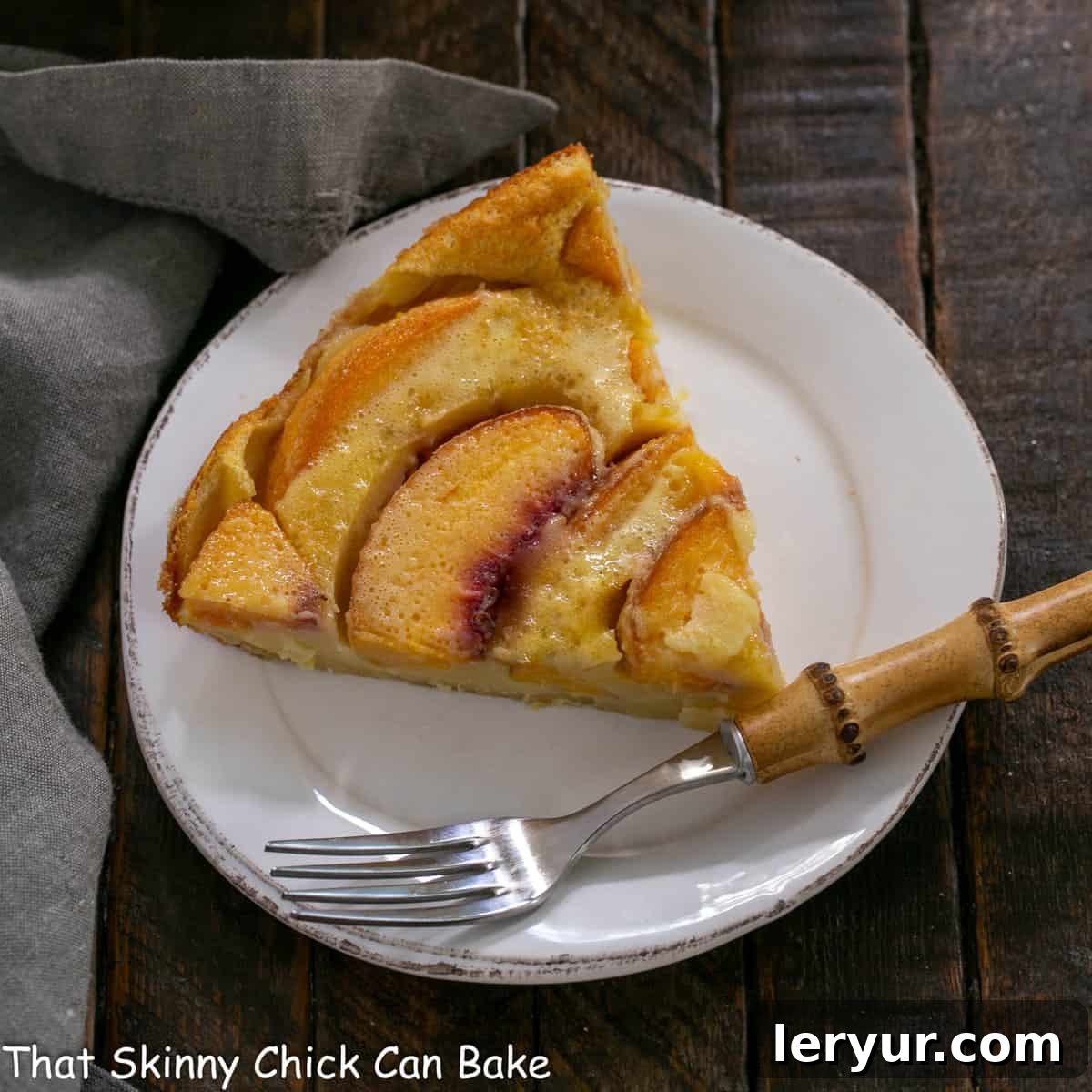
As summer reached its peak and the markets overflowed with an abundance of juicy, ripe peaches, it was the perfect occasion for our seasonal book club dinner. Naturally, my mind turned to a dessert that could truly celebrate this quintessential summer fruit. That’s when I decided to lovingly revisit an old favorite: this effortlessly elegant and delightfully rustic Fresh Peach Clafoutis, a classic French fruit tart that promises pure bliss with every spoonful.
Fresh Peach Clafoutis: Your Ultimate Guide to an Easy & Elegant French Summer Dessert
Why This Peach Clafoutis Recipe Deserves a Spot in Your Summer Kitchen
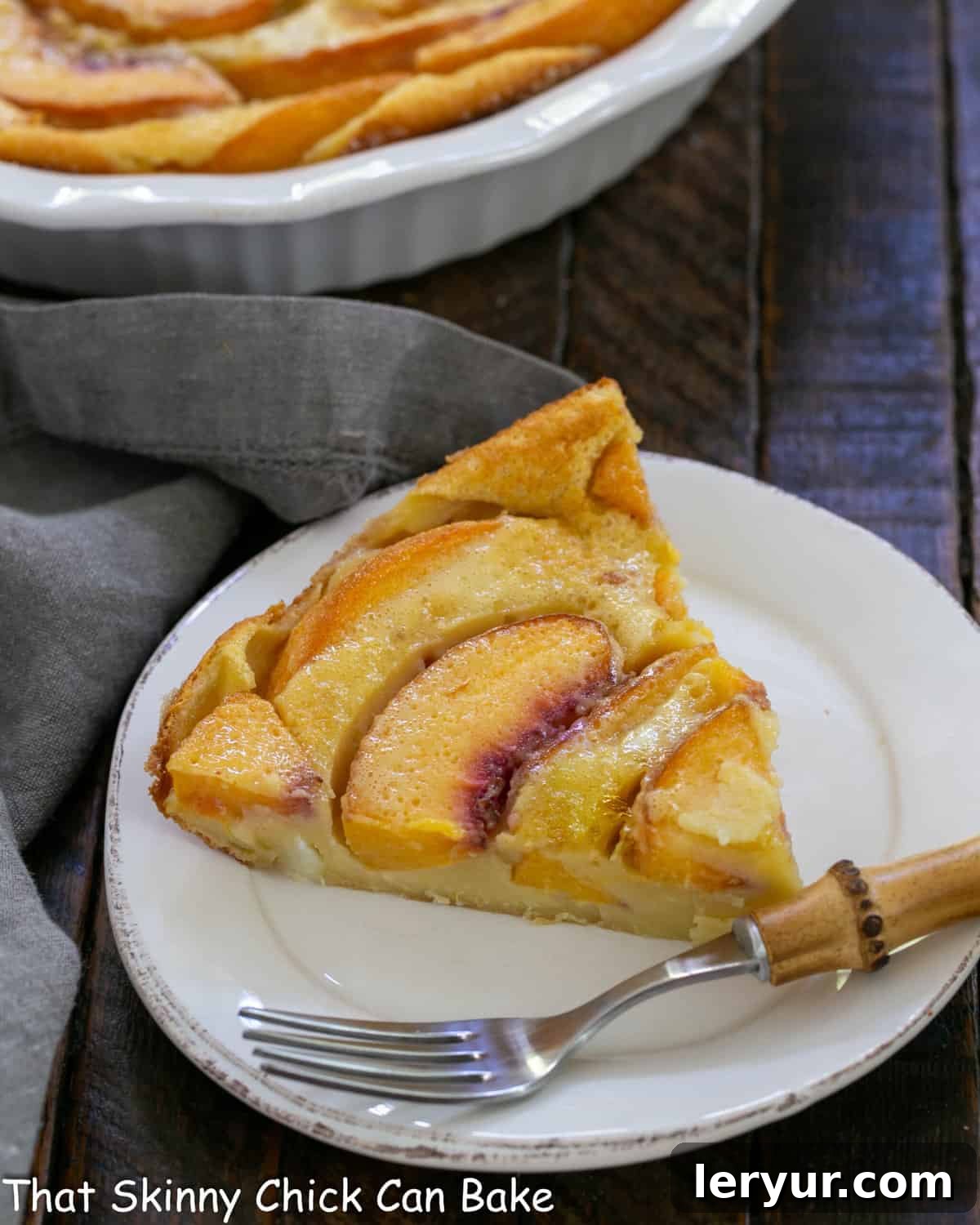
In the realm of French desserts, the clafoutis stands out for its charming simplicity and undeniable elegance. This Peach Clafoutis Recipe offers a refreshing alternative to traditional fruit pies or tarts, primarily because it eliminates the need for a fussy crust. That’s right – no rolling, no chilling, no blind baking! It’s a true game-changer for anyone intimidated by pastry. Despite its rustic appeal, this dessert delivers on sophistication, easily served in beautiful wedges, perhaps with a generous scoop of vanilla bean ice cream or a cloud of freshly whipped cream.
- Effortless Elegance: Unlike complex pies or intricate tarts, clafoutis is remarkably straightforward. Its charm lies in its simplicity – a rich, custardy batter cradling sweet, ripe fruit. This makes it an ideal dessert for both novice bakers and seasoned pros looking for a quick yet impressive treat.
- A Taste of French Tradition: First introduced to me during my early blogging days, a clafoutis (pronounced kla-FOO-tee) is essentially a luxurious, fruit-studded custard. It features a light, crepe-like batter that puffs beautifully in the oven, creating a tender, custardy dessert that’s utterly comforting. It hails from the Limousin region of France, where it’s traditionally made with black cherries, often with their pits left in for a subtle almond essence.
- Seasonal Fruit Showcase: While cherries are classic, clafoutis is incredibly versatile. This recipe shines a spotlight on the glorious peach, transforming a simple summer fruit into a sophisticated dessert. If you’re blessed with a surplus of peaches, this is the perfect way to let their natural sweetness and vibrant flavor truly sing. It’s a celebration of seasonal bounty that everyone can appreciate.
- Versatile Serving: Whether you prefer it warm from the oven, at room temperature, or even chilled, this peach clafoutis adapts beautifully. It’s equally delightful as a sophisticated dinner party dessert, a charming addition to a brunch spread, or a delightful indulgence for breakfast the next day.
Essential Ingredients for a Perfectly Luscious Peach Clafoutis
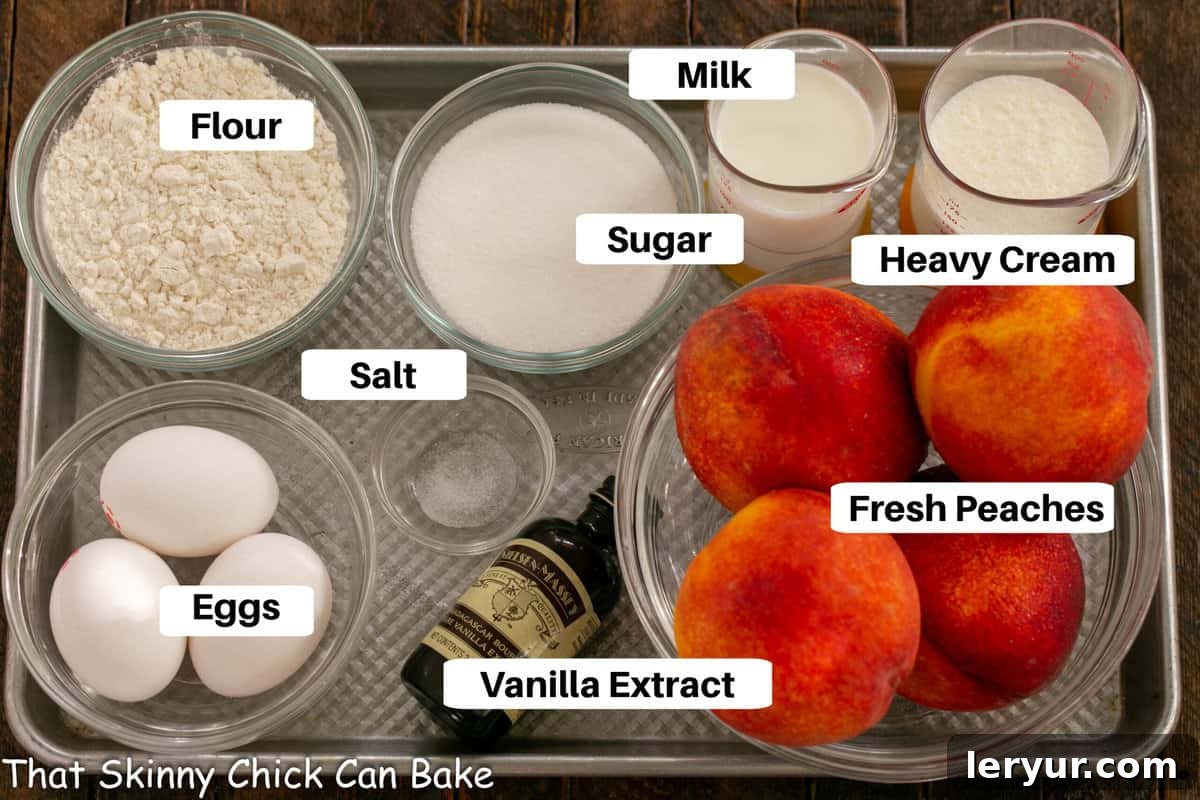
The beauty of clafoutis lies in its reliance on common pantry staples, elevated by the star of the show: fresh, ripe peaches. Using high-quality ingredients will always yield the best results for this rustic French delicacy.
- Granulated Sugar: Beyond sweetness, sugar plays a crucial role in the texture of the clafoutis. It helps create that lovely golden crust and contributes to the overall custardy consistency. We’ll also use a touch to sugar the baking dish, which adds a delicate caramelized flavor to the edges.
- All-Purpose Flour: This provides the essential structure for the batter, preventing it from being overly runny while still maintaining a tender crumb. It binds the ingredients, creating that signature crepe-like base.
- Table Salt: A pinch of salt is vital to balance the sweetness of the sugar and peaches, enhancing all the flavors in the dessert without making it taste salty. It’s a flavor amplifier!
- Milk (2% or Whole): Milk contributes to the liquid base of the batter, providing moisture and helping to create the smooth, custardy texture. While 2% milk works well, opting for whole milk will lend a slightly richer and creamier consistency to your clafoutis.
- Heavy Cream (36% butterfat): This is a key ingredient for achieving that luxurious, silky, and decadent custard quality that defines a truly exceptional clafoutis. The higher fat content of heavy cream adds unparalleled richness and a melt-in-your-mouth texture that makes this dessert so irresistible.
- Large Eggs (Room Temperature): Eggs are fundamental to the clafoutis batter, acting as both a binder and a leavening agent. They are responsible for the dessert’s signature custardy base. Using room-temperature eggs is crucial as they incorporate more easily and evenly into the batter, resulting in a smoother, more emulsified mixture and a better final texture.
- Pure Vanilla Extract: A splash of pure vanilla extract adds a wonderful aromatic depth and warmth that beautifully complements the peaches. Always opt for real vanilla over imitation for the best flavor profile.
- Fresh, Ripe Seasonal Peaches: The heart of this dessert! Look for peaches that are fragrant and give slightly when gently squeezed. Ripe peaches are naturally sweet and juicy, infusing the clafoutis with their vibrant flavor. While fresh peaches are truly superior, if they are out of season, you can use canned peaches (well-drained and patted dry) or even frozen peaches (defrosted and thoroughly patted dry to remove excess moisture) as an alternative. Firm, freestone varieties often work best for slicing.
Expert Tips & Delicious Variations for Your Best Peach Clafoutis
Creating a perfect clafoutis is a delightful experience, and with a few insider tips and creative variations, you can tailor this French classic to your exact taste and occasion.
- Choosing Your Fruit Wisely: While peaches are magnificent, the clafoutis batter is incredibly forgiving and pairs well with many fruits. Sturdy fruits work best as they hold their shape during baking. Consider other stone fruits like plums, nectarines, and apricots. Pears, apples, and various berries (raspberries, blueberries, blackberries) are also delicious options. If using very juicy berries, a light toss with a teaspoon of flour before adding to the batter can help prevent them from sinking to the bottom.
- Flavor Enhancements Beyond Vanilla: For an extra layer of complexity that beautifully complements peaches, try substituting ½ teaspoon of almond extract for the vanilla. Almonds and peaches are botanically related (just compare the shape of an almond to a peach pit!), which is why their flavors meld so perfectly. You could also add a pinch of freshly grated nutmeg or a subtle hint of cardamom for a warm, spicy note, or the zest of a lemon or orange for a bright, citrusy lift.
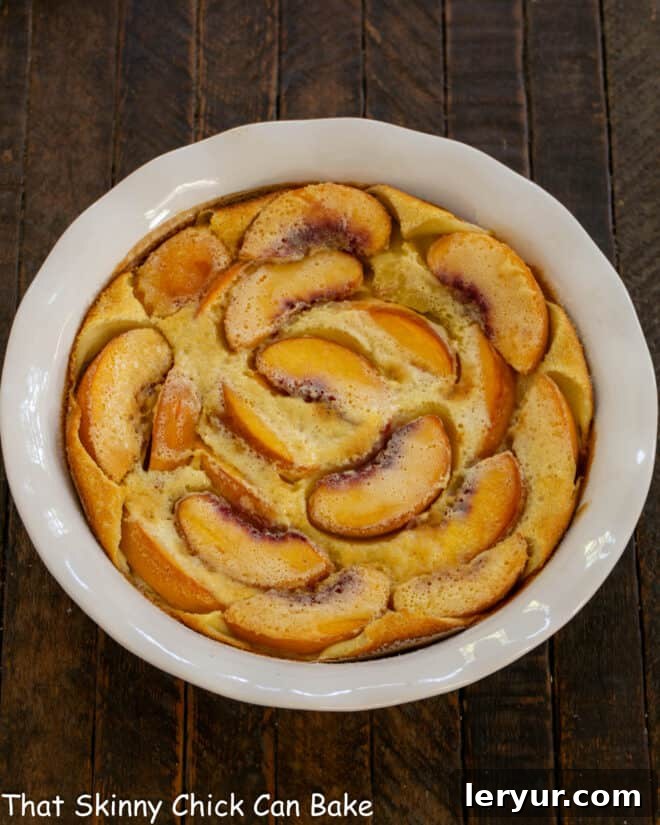
- To Peel or Not to Peel the Peaches?: This is largely a matter of personal preference. I find that peeled peaches offer a smoother, more tender texture that melts into the custard. However, if you don’t mind the slight chewiness of the peels, or are short on time, you can certainly skip this step. The peach skins also add a beautiful pop of color to the finished dish.
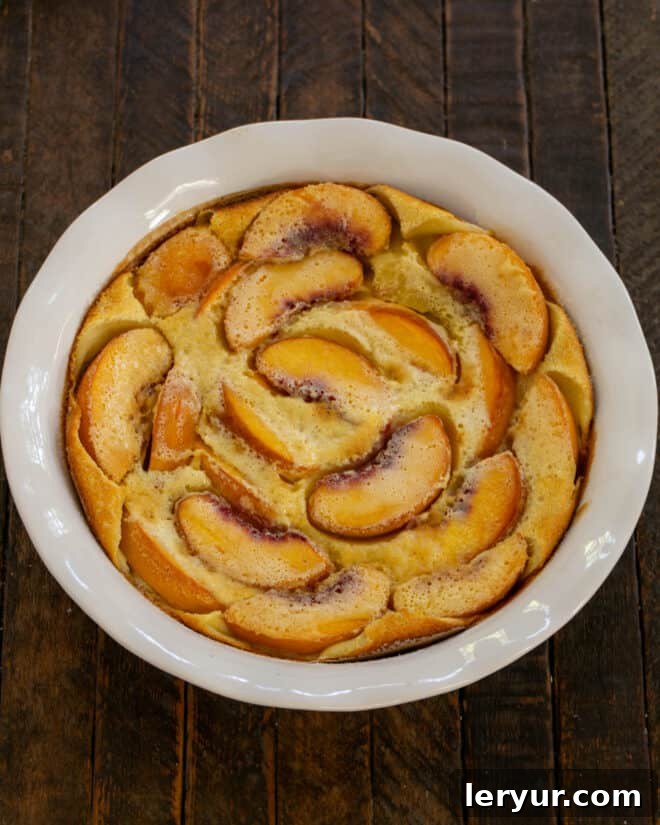
- Achieving Perfect Doneness: A clafoutis is done when it’s beautifully puffed and golden brown around the edges, and the center appears mostly set but may still have a slight, delicate wobble. This wobble indicates a perfectly custardy interior. The most reliable test is inserting a toothpick into the middle; it should come out clean. Avoid overbaking, as this can lead to a dry, rubbery texture and cause the clafoutis to crack excessively as it cools. If it does crack slightly, don’t fret too much – it will still taste fabulous!
- The Pure Peach Experience: What truly makes this peach clafoutis special is how the simple, yet rich, batter allows the unadulterated flavor of the luscious peach to shine through. While I adore a cinnamon-spiced peach pie or a crumbly peach crisp, this dessert offers a different, more refined appreciation for the fruit itself.
- Serving Suggestions & Temperature: A simple dusting of powdered sugar is often all the garnish this lovely French dessert needs. For an extra treat, serve it with a dollop of créme fraîche, whipped cream, vanilla bean ice cream, or a delicate creme anglaise. It’s incredibly versatile regarding temperature: enjoy it warm (for a comforting experience), at room temperature (where the flavors truly meld), or even cold (for a refreshing summer delight). Bon appétit!
- Make-Ahead and Storage: Clafoutis is a wonderful make-ahead dessert. You can bake it a day in advance, let it cool completely, cover it, and store it in the refrigerator. The flavors often deepen overnight. Store leftovers at room temperature for up to two days, then transfer any remaining portions to the refrigerator for up to two additional days.
- Choosing Your Baking Dish: A 9-inch pie plate or a beautiful ceramic tart dish works perfectly, as does a cast-iron skillet for a more rustic presentation. The key is a dish that allows for even baking and a lovely golden finish.
How to Master Your Fresh Peach Clafoutis: A Step-by-Step Guide
Crafting this rustic French dessert is simpler than you might imagine, making it an ideal choice for both seasoned bakers and beginners. With just a few basic steps, you’ll have a delightful, fruit-infused custard ready to impress. The magic lies in the harmony of high-quality ingredients and a straightforward technique that allows the natural sweetness and vibrant aroma of the peaches to truly shine through. Follow these steps for a perfectly baked Fresh Peach Clafoutis every time.
Whether you’re hosting a gathering or simply craving a comforting treat, this peach clafoutis adapts beautifully. It’s a versatile dish that offers the pure, unadulterated flavor of luscious peaches, making it a favorite for any summer occasion or a delightful breakfast indulgence. The minimal effort for such an impressive outcome truly makes this a must-try recipe.
Frequently Asked Questions About Fresh Peach Clafoutis
Originating from the picturesque Limousin region of France, a clafoutis (pronounced kla-FOO-tee) is a wonderfully rustic and traditional French dessert. The name itself comes from the Occitan word “clafir,” which means “to fill” – a fitting description for the fruit that generously fills the baking dish. At its heart, a clafoutis features a layer of fruit (traditionally black cherries, often with their pits intact for a nuanced almond-like flavor) baked with a thick, eggy, crepe-like batter until it puffs up and develops a creamy, custardy texture. While traditionally made with cherries, variations with other fruits, like this delightful peach version, are now popular. Interestingly, technically, if not made with cherries, it should be called a “flaugnarde,” but the term clafoutis is widely used for all fruit variations due to its popularity. It’s a comforting dessert, showcasing a high fruit-to-batter ratio, making every bite burst with flavor.
Absolutely! While fresh, seasonal peaches are ideal for their vibrant flavor and texture, you can certainly use frozen or canned fruit when fresh isn’t an option. If using frozen fruit, it’s crucial to defrost it completely first. Once defrosted, gently pat the fruit dry with paper towels to remove any excess moisture. This step is important because too much liquid can thin out your batter and prevent the clafoutis from setting properly. Be aware that some frozen fruits, especially darker ones like cherries or berries, might “bleed” their color into the batter, which is perfectly normal and won’t affect the taste. For canned fruit, ensure it is thoroughly drained and, if packed in syrup, rinsed lightly to remove excessive sweetness before patting dry.
A common reason for a clafoutis to crack on top or develop a rubbery texture is overbaking. The beauty of a clafoutis lies in its delicate, custardy interior. When baked for too long or at too high a temperature, the custard can become dry and tough, leading to cracks on the surface as it cools and contracts. To avoid this, keep a close eye on your clafoutis during the final stages of baking. It should appear golden brown and puffed around the edges, with the center still having a slight wobble, but not liquid. The most reliable test for doneness is inserting a toothpick into the center; it should come out clean or with only a few moist crumbs attached, indicating it’s set without being overcooked. Don’t fret too much if it cracks slightly; it will still taste delicious!
Storing your clafoutis properly ensures you can enjoy its delightful flavors for days. For short-term storage, you can keep your clafoutis at room temperature for up to two days, especially if your kitchen isn’t overly warm. Simply cover it loosely with plastic wrap or foil. For longer storage, or if you prefer it chilled, transfer the clafoutis to the refrigerator after the initial two days at room temperature. It will keep well in the fridge for an additional 2-3 days. Make sure it’s covered to prevent it from drying out or absorbing other odors. When ready to serve again, you can enjoy it cold, at room temperature, or gently rewarm slices in the oven or microwave.
One of the charming aspects of clafoutis is its versatility in serving temperature. There’s no single “right” way to enjoy it; it truly depends on personal preference and the occasion.
- Warm: Many aficionados love clafoutis served warm, straight from the oven after it has cooled just enough to set. The warmth enhances the fruit’s aroma and the custard’s comforting richness, especially delightful with a scoop of vanilla bean ice cream or a dollop of whipped cream.
- Room Temperature: As it cools to room temperature, the clafoutis texture becomes firmer and more custardy, allowing the flavors to meld beautifully. It’s perfect for a casual brunch or an afternoon treat, offering a slightly more refined experience.
- Cold: Chilled clafoutis offers a refreshing alternative, especially on a hot summer day. The cold temperature can make the fruit more distinct and the custard feel lighter. It’s an excellent option for breakfast or a light dessert.
We recommend trying it at different temperatures to discover your favorite way to savor this classic French dessert!
Yes, clafoutis is an excellent dessert to prepare in advance, making it perfect for entertaining. You can bake the clafoutis a day ahead of time. Once baked, let it cool completely to room temperature, then cover it and store it in the refrigerator. When you’re ready to serve, you can bring it back to room temperature or gently rewarm it in a low oven for about 15-20 minutes until just warm through. While it’s best enjoyed within a day or two of baking, the flavors often deepen and develop nicely overnight.
Explore More Delightful Peach & Dessert Recipes
If you’ve fallen in love with the luscious flavors and effortless charm of this Fresh Peach Clafoutis, you’re in for a treat! We have a wide array of other incredible peach-centric dishes and classic desserts that are sure to satisfy your cravings. From refreshing ice creams to savory salads and indulgent tarts, there’s something for every occasion on our site.
- Fresh Peach Ice Cream (No-Churn) from Big Bear’s Wife – A creamy, dreamy treat without an ice cream maker!
- Irresistible Peach Pie Bars – All the flavors of peach pie in an easy-to-eat bar form.
- Refreshing Peach Quinoa Caprese Salad – A unique and vibrant savory use for fresh peaches.
- Zesty Fresh Peach Margaritas – The perfect cool and fruity cocktail for summer gatherings.
- Sweet Streusel Topped Peach Tart – Another fantastic way to enjoy peaches in a delectable tart.
- Discover even more Pies and Tarts Recipes for every season and craving.
Join our community! Stay connected and inspired by following us on Instagram, Facebook, and Pinterest. We’d absolutely love to see your culinary creations! Don’t forget to tag us when you try one of our recipes. If you adore the results and found this recipe truly delicious, please consider leaving a 5-star rating in the recipe card below – your feedback helps us grow and reach more fellow food lovers!
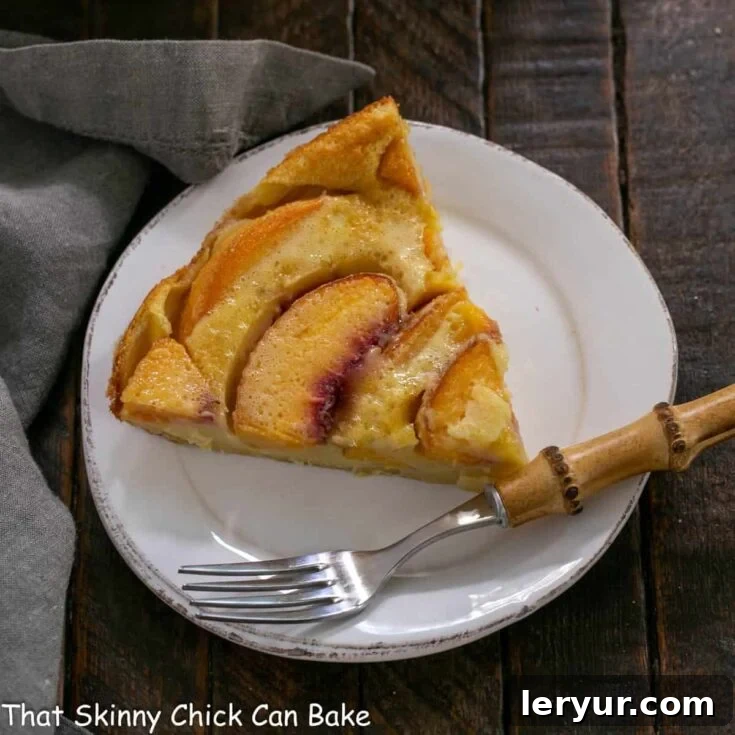
Fresh Peach Clafoutis
15 minutes
1 hour
1 hour 15 minutes
6 servings
Indulge in this effortlessly elegant French dessert, featuring ripe, juicy peaches baked into a rich, custardy batter. A delightful fruit tart experience without the fuss of a crust, perfect for any occasion.
Ingredients
- ½ cup granulated sugar
- ½ cup milk (2% or whole milk recommended)
- ½ cup heavy cream (36% butterfat)
- 3 large eggs, at room temperature
- 1 teaspoon pure vanilla extract
- Pinch of table salt
- ⅔ cup all-purpose flour
- 3 cups fresh, peeled, and sliced peaches (about 3-4 medium peaches)
Instructions
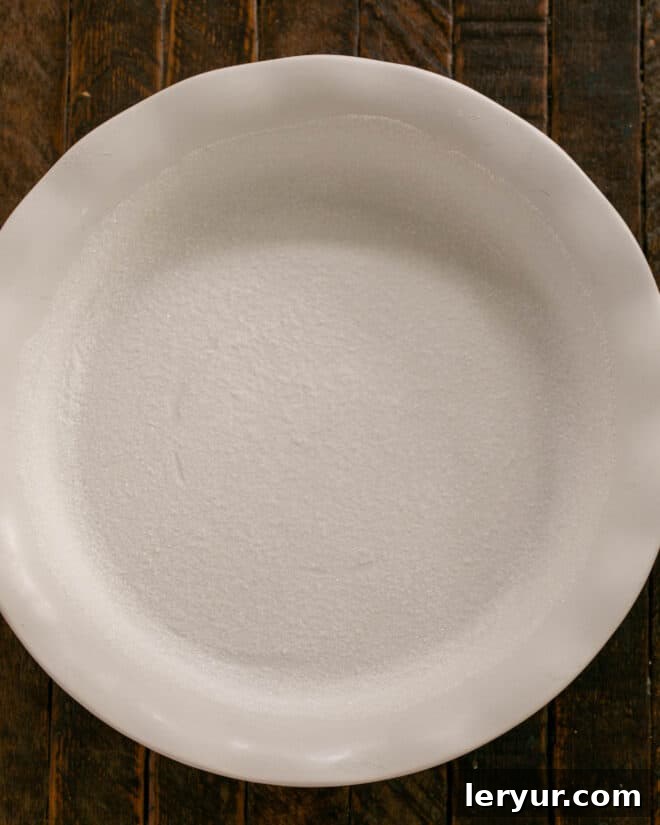
- Prepare the Oven and Dish: Preheat your oven to 350ºF (175ºC). Lightly grease a 9-inch pie plate or a ceramic tart dish with butter. Sprinkle about 1 tablespoon of sugar evenly over the buttered dish, coating the bottom and sides for a subtle caramelization and non-stick finish.
- Blend the Batter: In a blender, combine all ingredients except the peaches: sugar, milk, heavy cream, eggs, vanilla extract, salt, and flour. Blend on high speed for approximately one minute, pausing once or twice to scrape down the sides of the blender to ensure all ingredients are fully incorporated and the batter is smooth and lump-free.
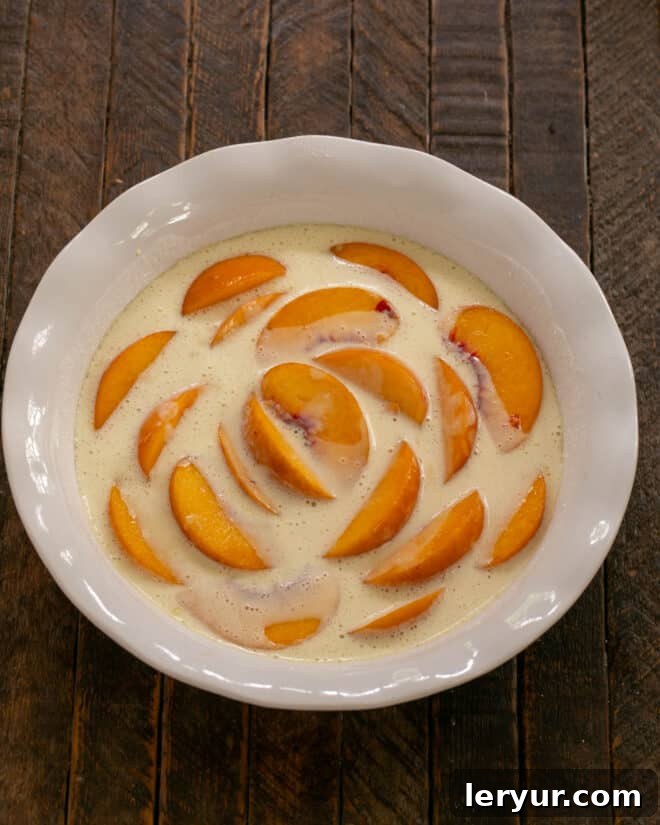
- Assemble the First Layer: Pour half of the prepared batter into the bottom of your sugared baking dish. Carefully arrange the peeled and sliced peaches evenly over this first layer of batter.
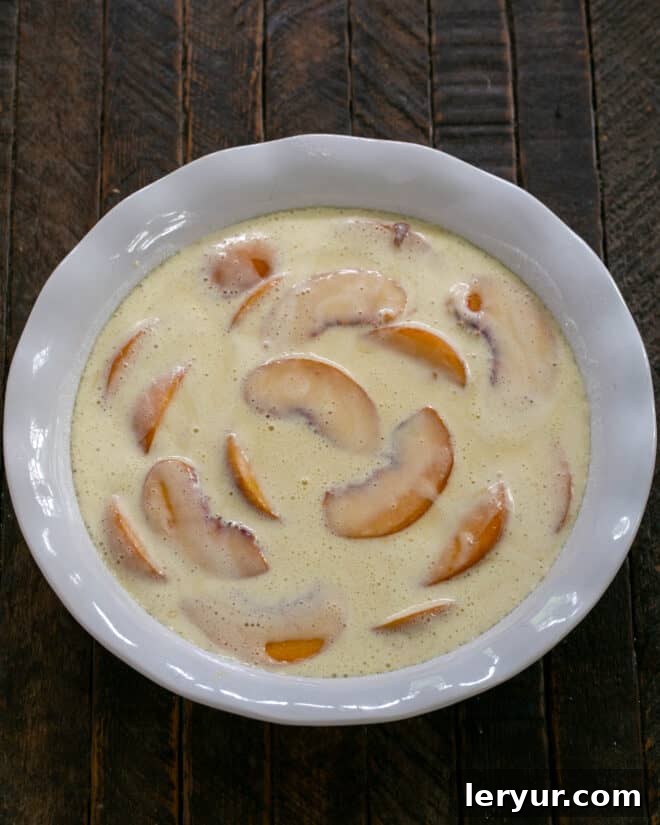
- Add the Remaining Batter: Gently pour the remaining batter over the peaches, ensuring they are mostly covered.
- Bake to Perfection: Transfer the dish to the preheated oven and bake for 45-60 minutes. The clafoutis is done when the top is beautifully puffed and golden brown, and a toothpick inserted into the center comes out clean. The center may still have a slight wobble, which indicates a perfectly custardy texture.
- Cool and Serve: Allow the clafoutis to cool for at least 15-20 minutes before slicing and serving. This resting time helps it set fully. For an extra touch of elegance, dust with powdered sugar just before serving. Enjoy warm, at room temperature, or even chilled!
Notes
This recipe has been adapted to bring you the best of a classic French dessert. The clafoutis will naturally puff up significantly during baking and then slightly deflate as it cools; this is completely normal. To prevent it from cracking or becoming rubbery, avoid overbaking. Start checking for doneness around the 45-minute mark. If you find your clafoutis is slightly overbaked and cracks, don’t worry – it will still taste absolutely delicious!
For an alternative flavor profile, try substituting ½ teaspoon of almond extract for the vanilla. The notes of almond beautifully complement the peaches, enhancing their natural sweetness.
Recommended Products
As an Amazon Associate and member of other affiliate programs, I earn from qualifying purchases.
- High-Quality Ceramic Pie Plate
- Powerful Blender for Smooth Batter
Nutrition Information:
Yield:
6 servings
Serving Size:
1 slice
Amount Per Serving (estimated):
Calories: 261Total Fat: 10gSaturated Fat: 6gTrans Fat: 0gUnsaturated Fat: 4gCholesterol: 117mgSodium: 74mgCarbohydrates: 36gFiber: 2gSugar: 24gProtein: 7g
Share Your Love for This Recipe!
We invite you to share your delightful creations! Leave a comment on the blog or snap a photo and share it on Pinterest. Your feedback and photos mean the world to us!