
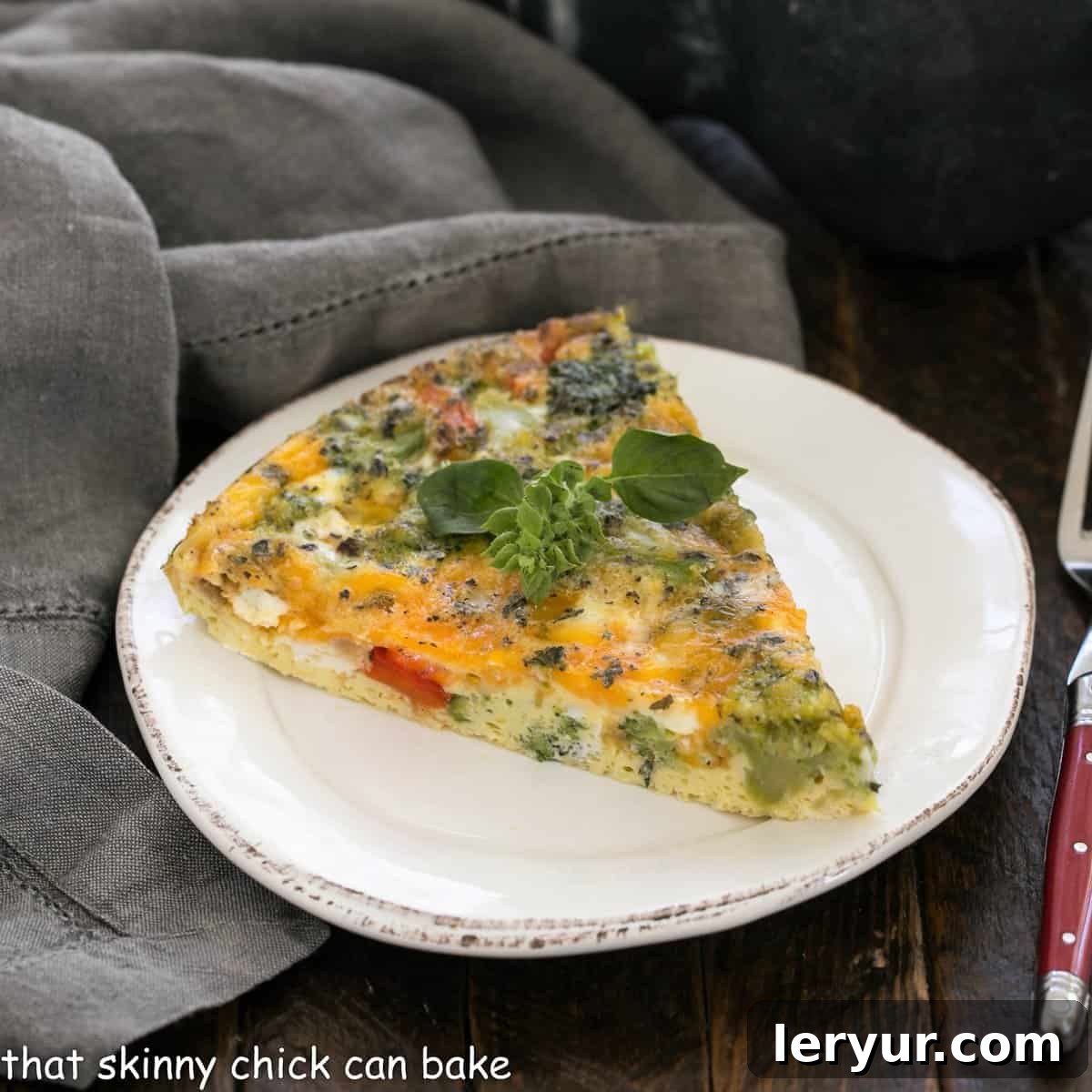
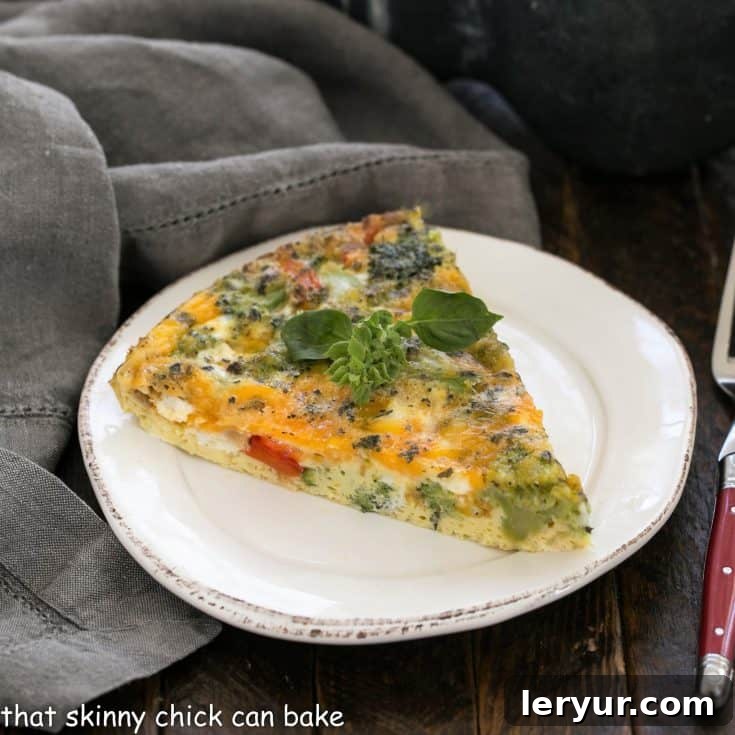
This incredibly adaptable Roasted Broccoli Frittata recipe offers a delicious and healthy solution for any meal of the day. Whether you’re planning a hearty breakfast, a light lunch, or a quick weeknight dinner, this frittata effortlessly comes together with whatever vegetables and cheeses you have on hand. The secret to its simplicity and robust flavor? Utilizing frozen broccoli, roasted to perfection, making it a true game-changer in your kitchen!
I distinctly remember the moment a friend shared her trick for roasting broccoli florets straight from the freezer. It was a revelation! As someone who loves omelets and quick, nutritious meals, I was constantly looking for ways to add variety and convenience to my cooking routine. This simple yet sophisticated baked frittata recipe, featuring tender roasted broccoli, quickly became a cherished staple, transforming my approach to using frozen vegetables.
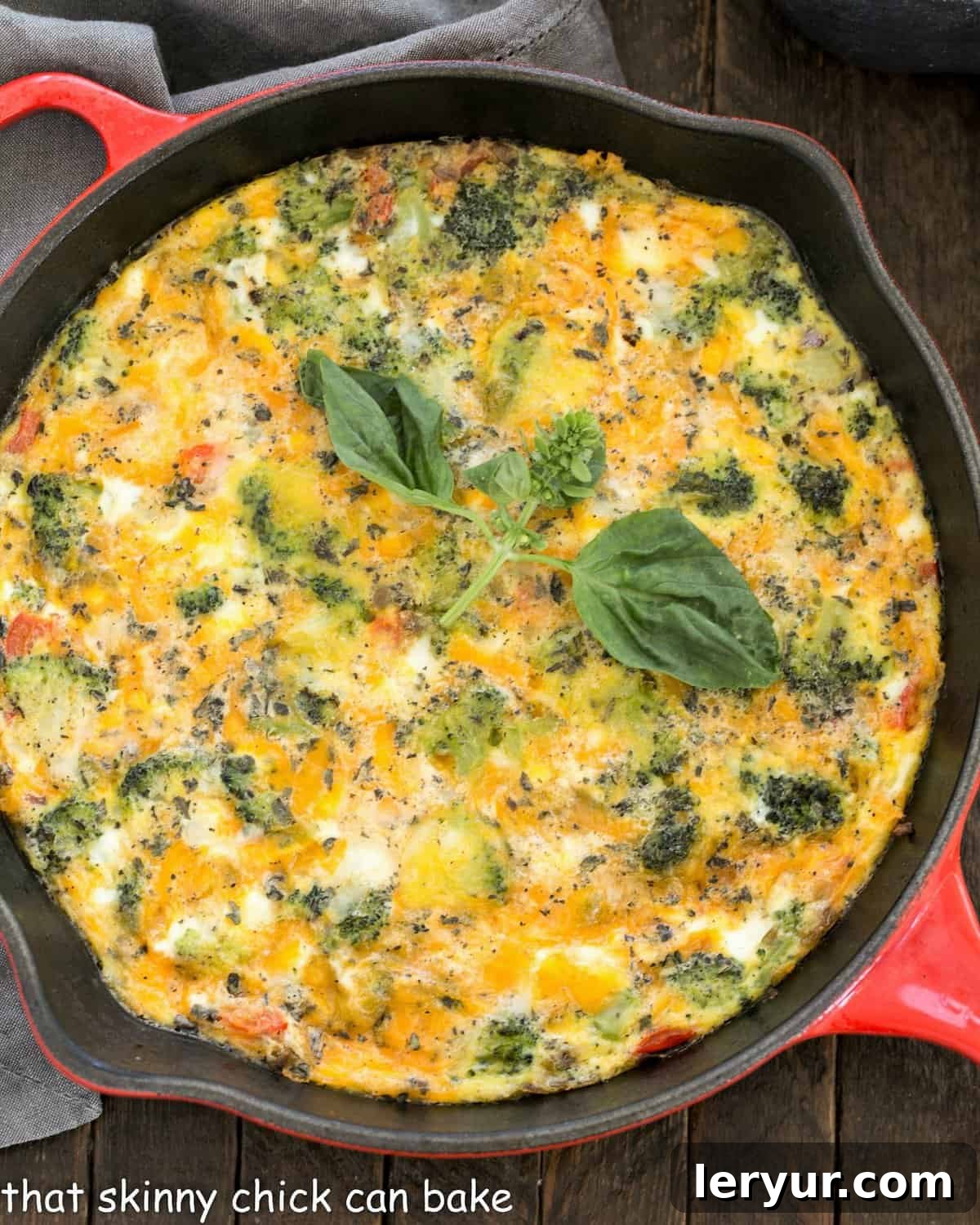
Roasted Broccoli Frittata: Your Ultimate Guide to a Versatile & Delicious Egg Dish
Why You’ll Absolutely Love This Easy Frittata Recipe
Beyond its simple preparation, this frittata offers a myriad of reasons to become your next favorite dish:
- Unmatched Versatility: It’s a culinary chameleon, easily adapting to virtually any vegetables, proteins, and cheeses you might have in your refrigerator. It’s the ultimate “clean out the fridge” meal!
- Healthy & Wholesome: Naturally low-carb, packed with protein, and brimming with nutrient-rich vegetables, it makes for a incredibly healthy breakfast, brunch, or light dinner option.
- Explosion of Flavor: Pre-roasting your vegetables, especially broccoli, prior to adding them to the frittata softens them beautifully while simultaneously enhancing their natural sweetness and depth of flavor.
- Quick & Convenient: With minimal prep and hands-on time, this frittata is perfect for busy mornings or when you need a satisfying meal without spending hours in the kitchen.
- Ideal for Meal Prep: It reheats wonderfully, making it an excellent choice for preparing ahead of time. Enjoy slices throughout the week for effortless meals.
Unlocking the Perfect Frittata: A Simple & Adaptable Formula
The foundation of any great frittata lies in a harmonious blend of simple ingredients. My basic formula for success always includes a delightful combination of eggs, an aromatic element, an array of vegetables, and a generous touch of cheese. For this particular **Roasted Broccoli Frittata**, we meticulously selected ingredients that promise a vibrant and comforting experience.
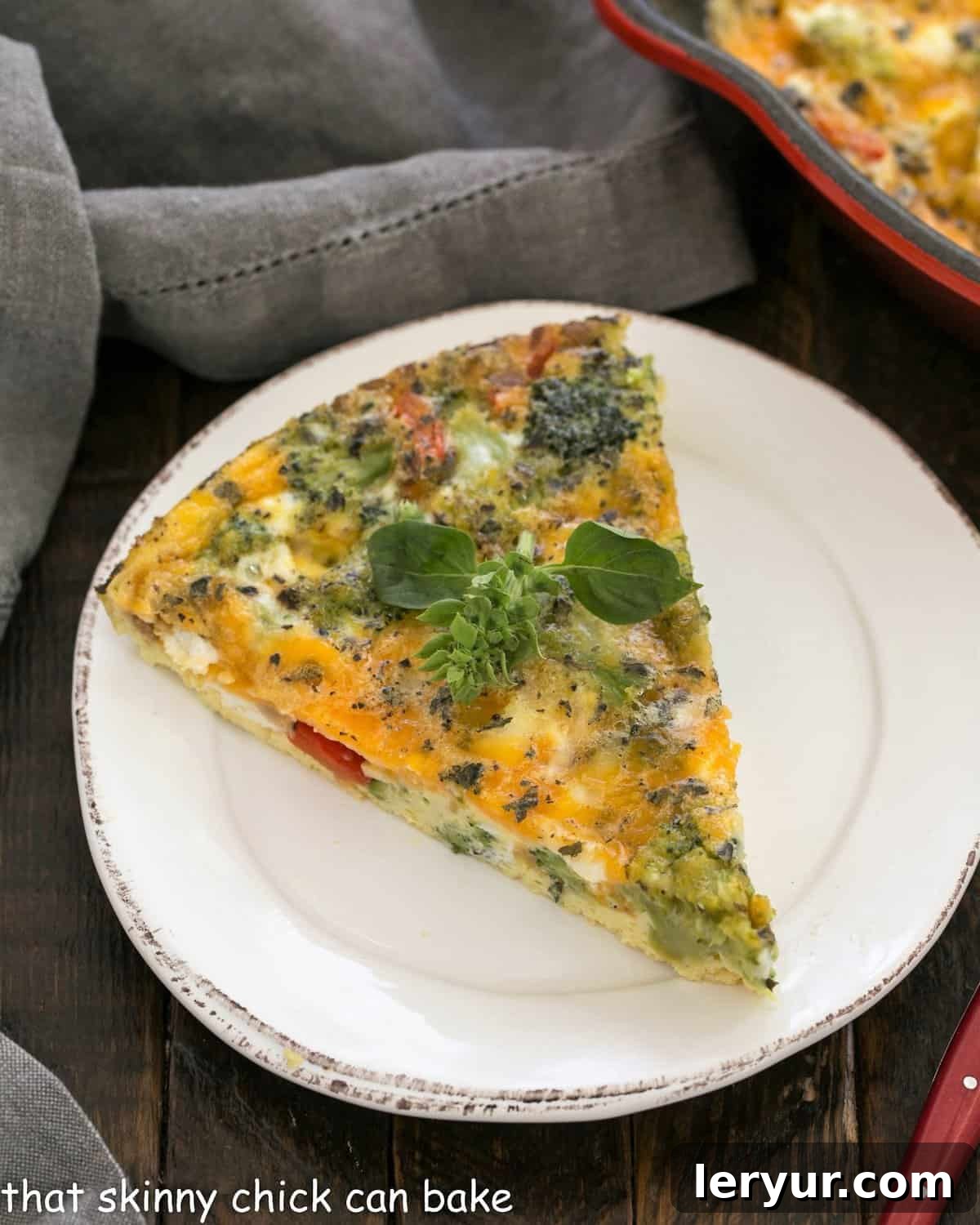
Our star players include tender, perfectly roasted broccoli, delicately sweet shallots, crisp red bell peppers for a pop of color and freshness, and a creamy duo of mozzarella and sharp cheddar cheese. These are all lovingly bound together with farm-fresh eggs and a splash of milk for a rich, custardy texture. This thoughtful selection ensures every bite is packed with both flavor and nutrition.
Embracing the beauty of using leftover vegetables and the “odds and ends” from your refrigerator is key to creating truly scrumptious and unique vegetable frittatas. It’s an opportunity to experiment and discover new favorite flavor combinations, making each frittata a delightful surprise!
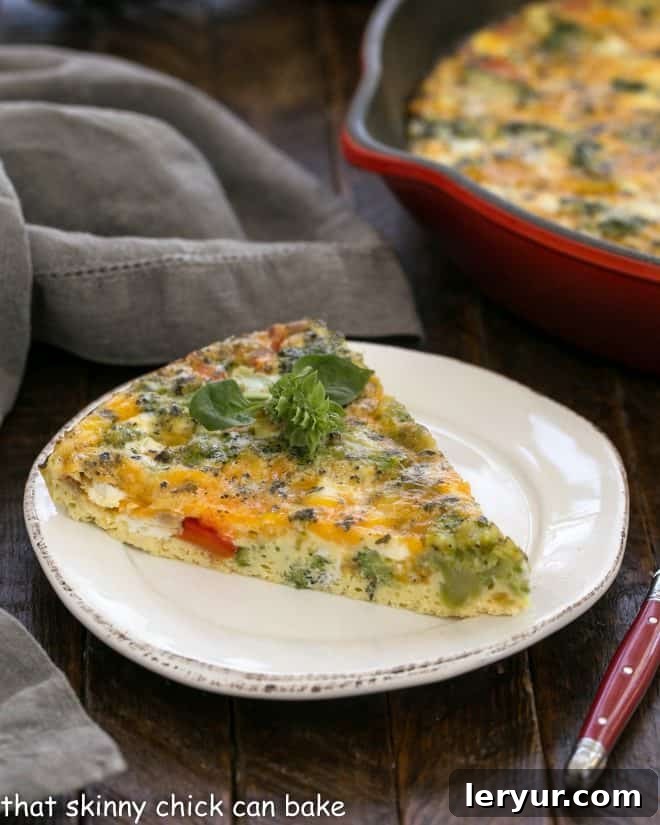
How to Make This Delicious Roasted Broccoli Frittata Step-by-Step
Creating a mouthwatering frittata is surprisingly straightforward. Follow these detailed steps to achieve a perfectly cooked, flavor-packed dish every time:
- **Prepare Your Vegetables (The Foundation):** The first crucial step is to cook your vegetables. If you don’t already have leftover roasted broccoli, this is where you begin. I recommend using a 10.8-ounce bag of frozen broccoli florets for ultimate convenience. Simply roast them directly from the freezer as outlined in our “How to Roast Frozen Vegetables” section below. Once they’ve cooled slightly, chop them into bite-sized pieces. This initial cooking step is vital for ensuring tender vegetables and deepening their flavor before they are incorporated into the egg mixture.
- **Whisk the Egg Mixture (The Heart of the Frittata):** In a large bowl, whisk together eight eggs with ½ cup of milk (or cream for an even richer frittata). Season generously with 1 teaspoon of kosher salt, ½ teaspoon of freshly ground black pepper, and 1 teaspoon of dried basil – or any other dried herbs that complement your chosen ingredients. Finally, stir in 1 to 1 ½ cups of your grated cheese (we used a delightful mix of sharp cheddar and mozzarella). Ensure everything is well combined and set aside.
- **Sauté Aromatics and Additional Vegetables (Building Flavor):** Heat 1 ½ tablespoons of olive oil in a 10-inch cast iron or other oven-safe skillet over medium heat. Begin by sautéing your aromatics; for this recipe, we used 2 tablespoons of minced onion and 1 clove of minced garlic. Cook until the onion is soft and translucent, typically 2-3 minutes. Then, add ½ of a diced red bell pepper and continue to cook until the peppers are tender-crisp, another 3-4 minutes. If using other vegetables, add those that take longer to cook first (e.g., carrots, potatoes) and softer ones later (e.g., spinach, mushrooms).
- **Combine and Finish in the Oven (The Grand Finale):** Once your aromatics and vegetables are perfectly tender and fragrant, add the pre-roasted broccoli to the skillet and toss gently to ensure it’s warmed through and coated in the savory flavors. Pour the prepared egg and cheese mixture evenly over the vegetables in the pan. Allow it to cook on the stovetop for just about 1 minute, until the edges of the frittata begin to set. This initial stovetop cooking creates a beautiful, slightly crispy edge. Carefully transfer the skillet to your preheated 400°F (200°C) oven and bake for 15-17 minutes, or until the center is completely set and the frittata is lightly golden brown.
Expert Tips for Crafting Your Best Frittata Yet
Making an exceptional frittata is wonderfully forgiving and largely about embracing creativity with what’s available. If you have eggs, milk, a few odds and ends of cheeses, and some vegetables, you have the makings of a fantastic meal. Think of it as an inventive way to transform dinner leftovers into a delightful breakfast or brunch. I once enjoyed a memorable frittata that cleverly incorporated leftover linguine!
- **Eggs of Any Size:** Don’t stress over egg size. Any sized eggs will work perfectly. If your recipe calls for large eggs and you only have regular or medium, simply add a couple of extras to compensate for the difference in volume.
- **Vegetable Harmony:** The key to successful frittata vegetables is simple: ensure they are pre-cooked and, in your opinion, taste good together. Always cut them into uniform, bite-sized pieces for even cooking and easier consumption. Roasting, sautéing, or steaming your vegetables beforehand not only softens them but also concentrates their flavors, adding depth to your dish.
- **Cheese Variety:** Almost any variety of cheese can find a happy home in a frittata. Melty cheeses like sharp cheddar, Monterey Jack, and mozzarella are always a hit, creating that desirable gooey texture. However, don’t be afraid to experiment! A crumble of pungent blue cheese or creamy goat cheese could elevate your frittata, especially when paired with ingredients like roasted, diced potatoes. A sprinkle of grated Parmesan cheese is a fantastic complement to almost any cheese blend.
- **Aromatic Foundations:** Aromatics are the unsung heroes of flavor. I often keep finely chopped onions in my freezer for instant use. Shallots offer a milder, sweeter alternative, and sliced green onions add a fresh, subtle bite. And, of course, minced garlic is almost universally wonderful, bringing warmth and depth to any frittata.
- **Seasoning Wisely:** Don’t underestimate the power of proper seasoning. Taste your egg mixture and adjust salt and pepper. Consider adding other spices like smoked paprika, a pinch of nutmeg (especially with spinach), or a dash of hot sauce for a kick.
- **The Right Pan:** An oven-safe, heavy-bottomed skillet is essential. Cast iron is ideal as it transitions beautifully from stovetop to oven, ensuring even cooking and a lovely crust.
The Secret to Incredible Flavor: How to Roast Frozen Vegetables
This method is nothing short of culinary genius! It completely eliminates the need for a last-minute dash to the market for fresh vegetables, allowing you to enjoy the marvelous, delicious, slightly sweet, and caramelized flavors of roasted vegetables with unparalleled convenience. It’s a game-changer for quick meal prep and maximizing flavor.
- **No Defrosting Necessary:** One of the greatest advantages is that there’s absolutely no need to defrost your frozen vegetables beforehand. Roast them directly from their frozen state!
- **Uniformity for Even Cooking:** Ensure your vegetables are cut into similar sizes. This is crucial for them to cook evenly and be done at the same time, preventing some pieces from being undercooked while others are overdone.
- **Generous Oiling:** Place the frozen vegetables in a large Ziploc bag or a sturdy mixing bowl. Drizzle them generously with at least a couple of tablespoons of olive oil. Do not skimp on the oil, as there must be enough to coat every single piece of vegetable thoroughly. This oil is key to achieving that beautiful caramelization and preventing them from steaming.
- **High Heat for Crispness:** Preheat your oven to a robust 425-450 degrees Fahrenheit (220-230 degrees Celsius). High heat is essential for roasting, as it helps evaporate moisture quickly and promotes browning and crisp edges.
- **Single Layer on a Metal Pan:** Spread the oiled and seasoned vegetables out in a single layer on a large metal baking sheet. Avoid overcrowding the pan at all costs; if the vegetables are too close together, they will steam instead of roast, leading to a soggy texture. Use multiple baking sheets if necessary. Metal pans are preferred over glass for better heat conduction and browning.
- **Simple Seasoning:** Season generously with kosher salt and freshly ground black pepper before they go into the oven. You can also add other dry spices like garlic powder, onion powder, or paprika for an extra flavor boost.
- **Toss Halfway:** For consistent roasting and browning, toss the vegetables halfway through their cooking time. This ensures all sides get exposed to the direct heat of the oven.
- **Approximate Roasting Times:** Roasting times can vary depending on your oven’s calibration and the specific type of vegetable. Here are some suggested times to guide you:
- **Broccoli and Cauliflower Florets, Carrots:** 15-18 minutes
- **Asparagus:** 17 minutes
- **Beets (diced):** 20 minutes
- **Brussels Sprouts (halved):** 20 minutes
- **Squash (cubed):** 22 minutes
- **Whole Green Beans:** 18-20 minutes
Frittata Customization: Endless Delicious Possibilities
One of the most appealing aspects of a frittata is its remarkable ability to be customized. It’s truly a flexible recipe that encourages creativity, allowing you to utilize whatever ingredients you have on hand or tailor it to specific dietary preferences. Think of your frittata as a culinary canvas!
- **Vegetable Explorations:** Beyond broccoli, consider adding sautéed spinach, mushrooms, zucchini, bell peppers, asparagus, kale, or even leftover roasted root vegetables like potatoes or sweet potatoes. The key is to pre-cook any denser vegetables to ensure tenderness.
- **Protein Power-Ups:** Enhance your frittata with cooked and crumbled bacon, diced ham, sausage, shredded chicken, flaked smoked salmon, or even leftover pulled pork for a heartier meal.
- **Herb and Spice Adventures:** Don’t limit yourself to basil. Experiment with Italian herbs, smoked paprika, a pinch of cumin, fresh dill, chives, or a dash of red pepper flakes for an extra kick.
- **Cheese Swaps:** Feta, goat cheese, Gruyere, Swiss, or a sharp provolone can all offer unique flavor profiles. For a dairy-free option, use a high-quality plant-based shredded cheese.
- **Dairy-Free Alternatives:** If you’re avoiding dairy, substitute regular milk with unsweetened almond milk, oat milk, or cashew milk. Ensure your chosen cheese is also dairy-free.
Serving Suggestions for Your Versatile Frittata
This delightful frittata transcends traditional breakfast boundaries, making it a perfect dish for any time of day:
- **Hearty Breakfast:** Serve warm alongside a vibrant bowl of fresh berries, a slice of artisan toast, or a simple green salad dressed with a light vinaigrette.
- **Elegant Brunch Centerpiece:** It’s a beautiful and impressive addition to any weekend brunch spread, easily portioned for guests.
- **Quick & Easy Lunch:** Enjoy a cold slice straight from the refrigerator, or gently reheat it. It pairs wonderfully with a side salad for a balanced midday meal.
- **Light Dinner Option:** When you need a quick, healthy, and satisfying meal on a busy weeknight, this frittata hits all the right notes.
Frequently Asked Questions About Frittatas
What Exactly is a Frittata?
A frittata is an Italian egg-based dish, often compared to an omelet or a crustless quiche. The main distinction from a French omelet is that the frittata’s ingredients are mixed directly into the eggs and cooked together, rather than being folded within. It begins cooking on the stovetop and is then finished in the oven, resulting in a firmer, round, and easily sliceable dish with a delightful custardy texture.
How Long Do You Bake a Frittata?
The baking time for a frittata can vary significantly based on several factors, including the diameter and material of your pan, the volume and type of fillings, and the initial temperature of your eggs before they enter the oven. For an 8-egg frittata cooked in a 10-inch pan at 400ºF (200ºC), you can generally expect it to bake for approximately 15-17 minutes. It’s always best to judge by doneness rather than strictly by time.
How Do You Know When a Frittata is Done?
A perfectly cooked frittata should appear firm and set in the center. A good test is to gently shake the pan; if the center is still very wobbly, it needs more time. For absolute certainty, insert a thin knife into the center of the frittata; if it comes out clean without any liquid egg backfilling the mark, your frittata is ready. Be careful not to overbake, as this can lead to a dry or rubbery texture.
Can You Freeze a Frittata?
Yes, frittatas are excellent candidates for freezing, making them ideal for meal prepping! Allow the frittata to cool completely to room temperature. Then, cut it into individual wedges or slices. Wrap each portion tightly in plastic wrap, then place them in an airtight freezer-safe container or a heavy-duty freezer bag. They can be stored in the freezer for up to 3 months. To reheat, thaw overnight in the refrigerator, then warm gently in the oven (which often yields the best texture) or microwave until heated through.
What’s the Difference Between a Frittata and an Omelet?
While both are egg-based dishes, a frittata is typically cooked slower and finished in the oven, resulting in a thicker, firmer dish where fillings are mixed throughout the eggs. An omelet, on the other hand, is cooked quickly on the stovetop, often softer, and the eggs are folded over the fillings.
Is a Frittata a Healthy Meal Option?
Absolutely! Frittatas are inherently healthy. They are high in protein from eggs, can be loaded with various nutrient-dense vegetables, and you can control the amount and type of cheese and dairy. They are naturally gluten-free and can be easily adapted to be dairy-free or vegetarian, fitting a wide range of dietary needs.
More Delicious Breakfast and Brunch Ideas You’ll Love
- Spinach Bell Pepper Frittata
- Easy Bacon and Egg Casserole
- Egg Muffins in Ham Cups
- Spinach Quiche with Mushrooms
- Explore more of the Best Breakfast Recipes for endless inspiration.
Stay connected with us for more culinary inspiration! Follow @thatskinnychickcanbake on Instagram, Facebook, and Pinterest. We love seeing your creations, so don’t forget to tag us when you try one of our recipes! If you’ve enjoyed this Roasted Broccoli Frittata, please consider leaving a 5-star rating in the recipe card below – your feedback means the world to us.
The Recipe:
Roasted Broccoli Frittata
10 minutes
20 minutes
30 minutes
4 servings
A highly adaptable and delicious frittata recipe that’s perfect any time of day, and fantastic for using up leftover vegetables!
Rating: 5 out of 5 stars (based on 12 reviews)
Ingredients
- 1 ½ tablespoons olive oil
- 2 tablespoons minced onion
- 1 clove garlic, minced
- ½ red bell pepper, diced
- 1 ½ cups roasted broccoli florets, large florets chopped into bite-sized pieces (or cooked/roasted veggies of your choice)
- 8 large eggs
- ½ cup whole milk (or cream for added richness)
- 1 to 1 ½ cups shredded cheese (e.g., sharp cheddar and mozzarella blend, or your favorite melty cheese)
- 1 teaspoon kosher salt
- ½ teaspoon freshly ground black pepper
- 1 teaspoon dried basil (or your favorite dried herb, such as Italian seasoning or oregano)
Instructions
- **Preheat Oven:** Preheat your oven to 400°F (200°C).
- **Sauté Aromatics and Veggies:** Heat the olive oil in a 10-inch oven-safe skillet (cast iron works beautifully). Add the minced onion and cook until softened, about 2-3 minutes. Then, add the minced garlic and diced red bell pepper, continuing to cook until the peppers are tender-crisp, another 3-4 minutes. Finally, add the pre-roasted broccoli to the pan and toss gently to combine and warm through.
- **Prepare Egg Mixture:** In a separate medium-sized bowl, whisk together the eggs, milk, shredded cheese, kosher salt, freshly ground black pepper, and dried basil until well combined.
- **Combine and Bake:** Pour the egg mixture evenly over the vegetables in the skillet. Cook on the stovetop for about 1 minute, allowing the edges of the frittata to just begin setting. Carefully transfer the skillet to the preheated oven. Bake for 15-17 minutes, or until the center is fully set and the frittata is lightly golden. Cut into wedges and serve warm.
Notes
Feel free to experiment by adding any of your favorite roasted or sautéed vegetables and cheeses to customize this frittata to your taste and what you have on hand.
Recommended Products
As an Amazon Associate and member of other affiliate programs, I earn from qualifying purchases.
- Le Creuset 10-inch Skillet
- Garlic Press
Nutrition Information:
Yield:
4 servings
Serving Size:
1 large wedge
Amount Per Serving:
Calories: 408
Total Fat: 30g
Saturated Fat: 12g
Trans Fat: 0g
Unsaturated Fat: 15g
Cholesterol: 417mg
Sodium: 771mg
Carbohydrates: 10g
Fiber: 2g
Sugar: 4g
Protein: 25g
Please note that all nutritional information provided is an estimate only. Varying factors such as product types or brands purchased can alter the nutritional values in any given recipe. This information is intended as a courtesy and should not be considered a substitute for professional nutritional advice. For the most accurate nutritional data, we recommend calculating the information with the specific ingredients you use.
HOW MUCH DID YOU LOVE THIS RECIPE?
Please leave a comment on the blog or share a photo on Pinterest