
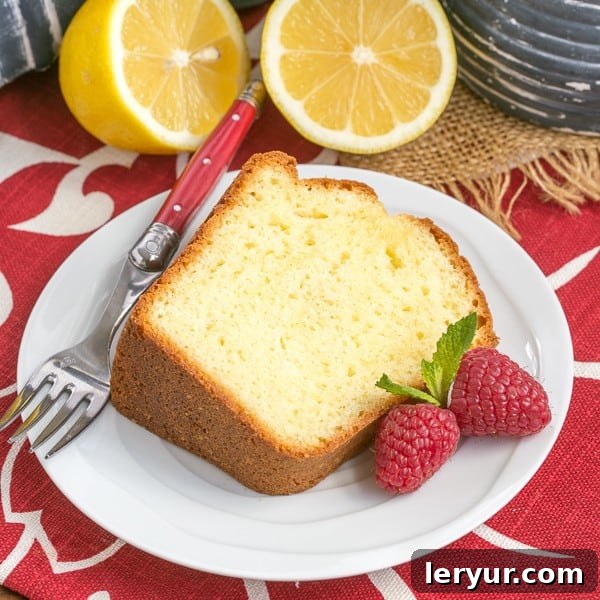
Indulge in the vibrant flavors of the Mediterranean with this exquisite Greek Lemon Bundt Cake. Featuring a beautifully fine crumb and a delightful double infusion of lemon, this cake is an absolute showstopper, perfect for elevating any tea time or concluding a meal with a touch of elegance.
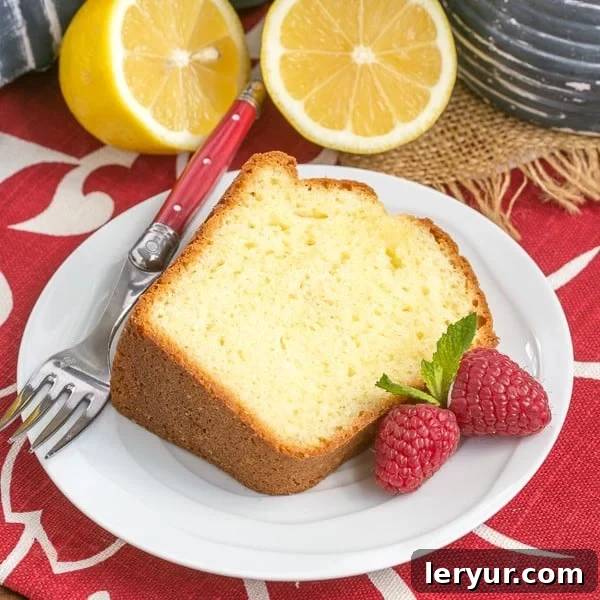
Crafted with the creamy richness of Greek yogurt, which generously contributes to its exceptional moisture and melt-in-your-mouth tenderness, this Homemade Lemon Cake consistently earns enthusiastic praise and becomes an instant favorite for anyone lucky enough to try a slice.
The Allure of Greek Lemon Bundt Cake
My childhood kitchen was often filled with the aromatic scents of my mom’s Greek cooking. While dishes like her lemon soup and the delectable pork shish kebabs, marinated in a fragrant blend of lemon juice, garlic, and olive oil, were always welcome, other traditional fares, like moussaka, were met with a bit more apprehension by my sisters and me. Back then, the rich flavors of eggplant and lamb were new and sometimes challenging for our developing palates, leading to the occasional playful “revolt” when moussaka appeared on the dinner table. It wasn’t until we discovered the exquisite world of Greek desserts, particularly my mom’s heavenly Baklava recipe, that our understanding of Greek cuisine truly blossomed.
Fast forward to today, and my own family’s culinary preferences are, shall we say, a bit more refined but still retain a dash of selective taste, much like my delightful but sometimes picky husband. Instead of venturing into the realm of eggplant-centric dishes that might not appeal to his “immature school girl” palate (a secret I’m only sharing with you!), I often turn my creative energies towards desserts. This journey led me to develop a cake that encapsulates the bright, refreshing essence of lemon, beautifully enhanced by a touch of Greek tradition: this irresistible Greek Lemon Bundt Cake.
The Secret Ingredient: Unpacking the Power of Greek Yogurt in Baking
Inspired by those cherished memories of my mother’s kitchen and her delicious baklava, I set out to create a citrus cake that would offer an extra “Greek boost” through the inclusion of rich, creamy Greek yogurt. There’s truly something transformative that occurs when yogurt finds its way into a recipe, especially in baking. In savory applications, like marinades, the lactic acid present in yogurt works wonders by gently tenderizing meats, ensuring they remain incredibly moist and flavorful during cooking.
However, its role in a cake or muffin recipe is equally remarkable. Greek yogurt introduces an unparalleled richness and density to the batter, contributing to a truly luxurious texture. Beyond taste and texture, it’s a powerful leavening agent. The acidity in yogurt reacts with baking soda, helping the cake rise beautifully and achieve a light, airy structure despite its inherent richness. This interaction is crucial for that perfect fluffy yet moist crumb. Furthermore, the yogurt significantly enhances the cake’s moisture content, ensuring each slice is wonderfully tender and remains fresh for longer. It’s this magical touch of Greek yogurt that elevates a simple lemon cake into a truly extraordinary culinary experience, a testament to its versatility and power in the kitchen.
While this particular recipe might not strictly adhere to ancient Greek culinary traditions, this delightful Greek Lemon Bundt Cake stands as my heartfelt homage to the Hellenic fondness for bright, zesty lemons and, in a lighter vein, to the memorable Bundt cake scene that sparked hysterical laughter in a classic movie. This homemade lemon cake proved to be an exceptional choice, blending tradition with modern baking flair to create a dessert that is both comforting and exhilaratingly fresh.
Crafting the Perfect Bundt Cake: Essential Tips for Success
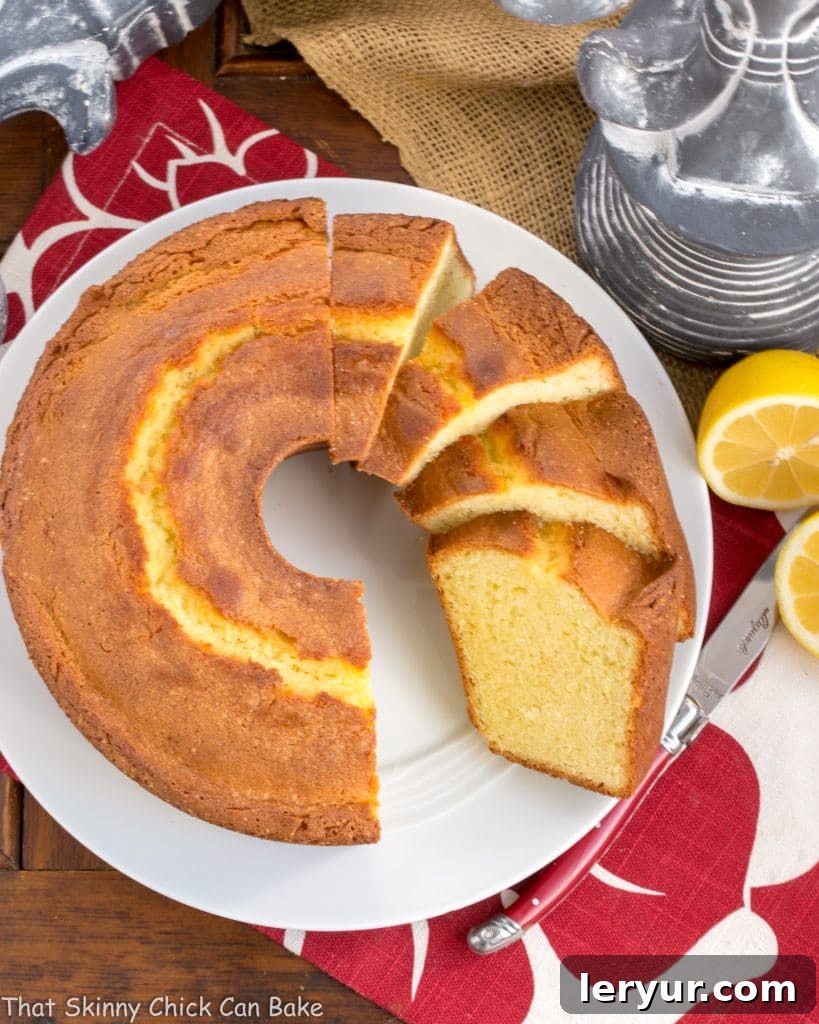
There are few things as frustrating in baking as carefully preparing a beautiful Bundt cake, only to have large sections stubbornly cling to the pan upon inversion. This heartbreaking scenario, especially when baking for guests, can be easily avoided with a few expert tips. Achieving that perfectly sculpted, pristine Bundt cake requires a little attention to detail, but the reward is a truly impressive dessert. Here’s how to ensure your Bundt cake releases flawlessly every single time:
- Assess Your Bundt Pan’s Condition: The age and material of your Bundt pan play a crucial role. If you’re using a non-stick pan, remember that the coating can degrade over time with repeated use and washing. A worn-out non-stick surface is prone to sticking. If your pan shows significant wear, even with thorough preparation, sticking might persist. In such cases, investing in a new, high-quality Bundt pan can save you a lot of future frustration. High-quality heavy-gauge aluminum pans with a good non-stick coating tend to perform best.
- Master the Art of Pan Preparation: This step is non-negotiable for Bundt cake success. You have a few effective options:
- Grease and Flour: Generously grease every crevice and nook of your Bundt pan with softened butter or shortening. Don’t miss any intricate details. Then, dust the entire greased surface with a thin, even layer of all-purpose flour. Tap out any excess flour. This creates a protective barrier.
- Non-Stick Baking Spray with Flour: Products like Baker’s Joy or a similar baking spray that combines oil and flour are excellent time-savers. They offer superior coverage, especially for elaborately designed Bundt pans. The key is to spray the pan *just before* you add the batter. If you spray too far in advance, the flour can settle, leaving uneven spots and diminishing its effectiveness.
- Allow for Proper Cooling Time in the Pan: Patience is a virtue when it comes to Bundt cakes. Once your cake is out of the oven, resist the urge to immediately flip it. Allow it to rest on a wire cooling rack for approximately 10 to 15 minutes. This crucial resting period allows the cake to firm up slightly and pull away from the sides of the pan as it cools and contracts. If you attempt to release it too early, the cake might be too delicate and break apart. Conversely, waiting too long can cause the sugars in the cake to cool and “glue” it to the pan, making release equally challenging.
- The Gentle Release Technique: After the ideal cooling time in the pan, gently shake the Bundt pan back and forth a few times. You should feel the cake subtly loosen from the sides. Once it feels adequately loose, confidently invert the pan onto your cooling rack. A slight tap on the bottom of the pan can sometimes help, but usually, a gentle flip is all that’s needed.
- PRO-Tip: Salvage a “Disaster” with Creativity! Even with the best intentions, sometimes a Bundt cake might not release perfectly, leaving behind stubborn chunks or cracking in unfortunate places. Don’t despair! These pieces are still delicious and perfectly salvageable. Transform them into elegant trifles by layering with whipped cream, fresh fruit, and perhaps a complementary sauce. Or, create individual parfaits by crumbling the cake and layering it with yogurt, fruit, and granola for a delightful treat. No cake goes to waste in a baker’s kitchen!
By following these detailed tips, you’ll be well on your way to consistently baking and flawlessly releasing stunning Bundt cakes that impress every time.
Beyond the Bundt: Serving Suggestions and Creative Variations
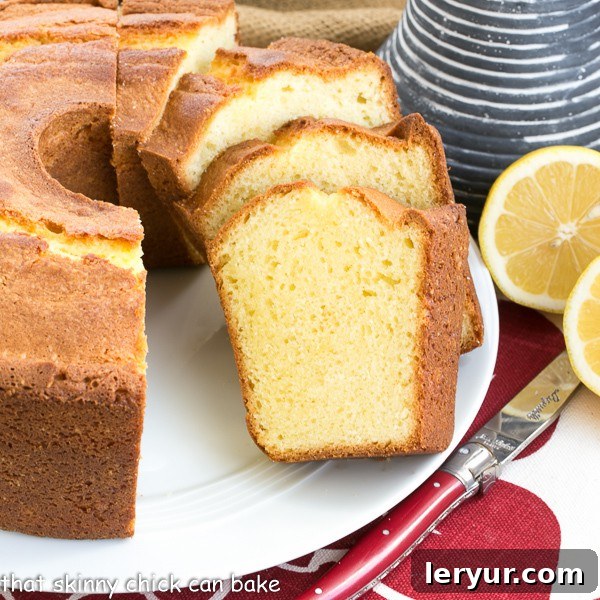
This Greek Lemon Bundt Cake is truly delightful on its own, showcasing its vibrant lemon flavor and tender crumb. However, a few simple additions can elevate it even further, transforming it into an even more impressive dessert. Consider these serving suggestions and creative variations:
- Simple Glaze: A classic lemon glaze is an effortless way to add an extra layer of sweetness and tartness. Whisk together powdered sugar with a few tablespoons of fresh lemon juice until smooth. Drizzle it generously over the cooled cake for a beautiful sheen and an intensified lemon kick.
- Fresh Berries and Whipped Cream: Serve slices of the cake alongside a generous dollop of homemade sweetened whipped cream and a colorful medley of fresh berries like raspberries, blueberries, or sliced strawberries. The tartness of the berries provides a lovely contrast to the sweet cake.
- Lemon Curd: For an ultimate lemon experience, offer a side of luscious homemade lemon curd. Guests can spoon it over their cake slice, adding an extra dimension of creamy lemon flavor.
- Greek Yogurt Topping: Embrace the Greek theme by serving a dollop of plain Greek yogurt, perhaps sweetened with a touch of honey, alongside the cake. This offers a lighter, tangier contrast.
- Herbal Infusion: For a sophisticated twist, gently fold some finely chopped fresh rosemary or thyme into the batter. These herbs pair wonderfully with lemon and add an unexpected aromatic depth.
- Almond Flour Boost: Replace a small portion of the all-purpose flour with almond flour (e.g., 1/4 to 1/2 cup) to add a subtle nutty flavor and an even more tender texture to the cake.
- Dried Fruit or Nuts: Incorporate some finely chopped candied lemon peel, dried cranberries, or toasted slivered almonds into the batter for added texture and flavor complexity.
With these ideas, your Greek Lemon Bundt Cake can be adapted for any occasion, from a casual afternoon treat to an elegant dinner party dessert.
More Citrus Recipes You’ll Love:
If the bright and refreshing taste of lemon truly captivates your palate, then you’re in for a treat! Citrus fruits bring an unparalleled zest and lightness to desserts, making them perfect for any time of year. Dive into more delightful recipes that celebrate these vibrant flavors:
- Key Lime Pie Cookies from Grandbaby Cakes
- Swedish Orange Sweet Buns from Barbara Bakes
- Pink Lemonade Cupcakes
- Easy Lemon Bundt Cake
- Lemon Madeleines
- Raspberry Topped Lemon Souffle
- Explore more of our Best Dessert Recipes


Greek Lemon Bundt Cake
20 minutes
1 hour
1 hour 20 minutes
12 servings
A lovely lemon cake made with Greek yogurt
Ingredients
- 3 cups cake flour
- 1 teaspoon baking soda
- 1/4 teaspoon salt
- 6 eggs
- 2 cups white sugar, divided
- 2 teaspoons finely grated lemon zest
- 1 cup butter (2 sticks), at room temperature
- 1/2 teaspoon vanilla
- 2 tablespoons lemon juice
- 1 cup plain Greek yogurt (not fat-free)
Instructions
- Preheat the oven to 350ºF (175ºC). Generously spray a 10-inch Bundt or tube pan with a non-stick oil and flour spray (such as Baker’s Joy) to ensure a clean release.
- In a medium bowl, whisk together the cake flour, baking soda, and salt until well combined. Set this dry mixture aside.
- Carefully separate the eggs, placing the whites in a large, clean mixing bowl and the yolks in another. Begin beating the egg whites on medium speed until soft peaks just start to form.
- Gradually add 1/2 cup of the white sugar to the egg whites, continuing to beat on high speed until stiff, glossy peaks form. The whites should hold their shape when the beaters are lifted. Set the meringue aside.
- In a separate medium bowl, combine the remaining 1 1/2 cups of sugar with the finely grated lemon zest. Use your fingertips to rub the lemon zest into the sugar. This releases the essential oils from the zest, infusing the sugar with intense lemon flavor.
- In a large mixing bowl, cream the room temperature butter into the lemon-infused sugar until light and fluffy. Add the egg yolks, vanilla extract, and fresh lemon juice, mixing well until the mixture is thoroughly combined and airy.
- Alternately add the reserved flour mixture and the plain Greek yogurt to the egg yolk mixture, beginning and ending with the flour. Mix on low speed just until combined after each addition, being careful not to overmix.
- Gently fold the prepared egg whites (meringue) into the cake batter in two or three additions. Use a spatula to lightly incorporate the whites, preserving their volume. Pour the finished batter evenly into your prepared Bundt pan. If needed, use an offset spatula to gently level the top.
- Bake in the preheated oven at 350ºF (175ºC) for 50 to 60 minutes, or until a wooden skewer or toothpick inserted into the center of the cake comes out clean, indicating it’s fully cooked.
- Allow the cake to cool in the pan on a wire rack for 10-15 minutes. This allows the cake to firm up and slightly pull away from the pan sides, making it easier to release. After this time, invert the cake onto the cooling rack to finish cooling completely.
- Serve your beautiful Greek Lemon Bundt Cake as is, or enhance it further with fresh berries and a dollop of sweetened whipped cream for an unforgettable dessert experience.
Nutrition Information:
Yield:
12
Serving Size:
1 slice
Amount Per Serving:
Calories: 437Total Fat: 18gSaturated Fat: 11gTrans Fat: 1gUnsaturated Fat: 6gCholesterol: 135mgSodium: 315mgCarbohydrates: 61gFiber: 1gSugar: 34gProtein: 8g
HOW MUCH DID YOU LOVE THIS RECIPE?
Please leave a comment on the blog or share a photo on Pinterest