
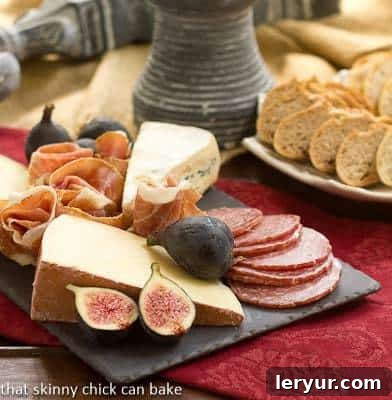
Mastering the art of arranging a beautiful Cheese Tray or a delightful Charcuterie Board is an invaluable life skill that will elevate your entertaining game for years to come!
Elevate Your Entertaining: The Ultimate Guide to Crafting a Perfect Cheese and Charcuterie Board
A thoughtfully curated cheese and charcuterie board stands as a timeless symbol of sophisticated yet effortless entertaining. Whether you’re hosting an intimate gathering or a lively party, this versatile appetizer offers an enticing array of flavors and textures that are sure to impress your guests. From a simple selection of cheeses and crackers to an elaborate spread featuring cured meats, artisan jams, fresh fruits, and gourmet olives, the possibilities are endless. This guide will walk you through the essentials, offering expert tips and creative ideas to help you assemble a visually stunning and incredibly delicious board that caters to every palate.
Crafting the Perfect Cheese and Charcuterie Board: More Than Just an Appetizer
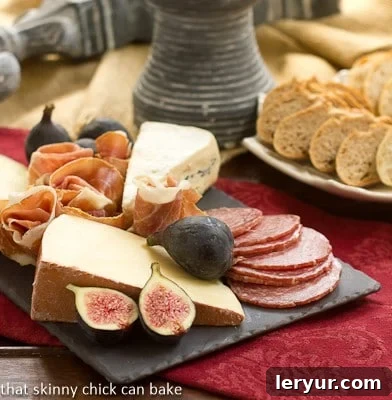
When it comes to entertaining, a well-arranged cheese and charcuterie board is arguably one of the simplest yet most impactful appetizers you can serve. Far beyond merely “slapping a rectangle of Velveeta and a sleeve of Ritz crackers on a plate,” creating an enticing board is an art form that requires a touch of finesse and an understanding of complementary flavors. With just a little planning, you can transform basic supermarket finds into a gourmet experience. This section delves into the fundamental steps and creative insights on how to assemble a truly memorable cheese board that reflects your personal style and delights your guests.
The beauty of a charcuterie board lies in its adaptability. It can be tailored to any season, any occasion, and any budget. Imagine a summer board bursting with fresh berries and light cheeses, or a winter spread featuring robust aged cheeses, spiced nuts, and hearty cured meats. The key is to think about balance: a harmonious mix of salty, sweet, savory, and tangy elements, alongside a variety of textures – creamy, crunchy, chewy, and smooth. This thoughtful approach ensures every bite offers a delightful sensation, making your board not just a snack, but a journey of culinary discovery for those enjoying it.
Essential Elements for Your Irresistible Cheese and Charcuterie Board
To construct a truly spectacular board, you’ll need more than just cheese. Here’s a detailed breakdown of the necessities and how to choose them:
- Serving Dish: The Foundation of Your Display
The board itself is the canvas for your culinary masterpiece. A sturdy wooden board, a elegant ceramic platter, a rustic slate tray (like the rectangular one from Sur la Table I often use), or even a large, attractive cutting board can serve as your base. Consider the size of your gathering when selecting your board – larger parties will require a more expansive surface. Rectangular, round, or irregular shapes can all add visual interest. The material also plays a role in the aesthetic; wood evokes warmth, slate offers a modern touch, and ceramic provides a classic feel. Choose something that complements your home decor and the overall vibe of your event. - Cheeses: The Stars of the Show (Aim for Variety!)
The general rule of thumb is to offer at least 2-3 different types of cheese for a small group, increasing to 4-5 varieties for a larger crowd. The magic lies in varying tastes, textures, and milk types to create an exciting experience.- Texture Variety: Include a soft, spreadable cheese (like creamy Brie, Camembert, or triple-crème Cambozola – a decadent combination of triple creme cheese and Gorgonzola), a semi-firm option (such as Fontina, Gruyère, or a mild Cheddar), and a hard, aged cheese (like nutty Parmesan, Manchego, or aged Gouda) that can be easily broken into shards.
- Flavor Profiles: Balance mild, nutty, tangy, and pungent notes. A buttery Brie offers a delicate flavor, while a sharp blue cheese (like Gorgonzola or Stilton, if not using Cambozola) provides a powerful punch. A goat’s or sheep’s milk cheese (like Chèvre or Manchego) introduces distinct tangy or earthy undertones, differing from cow’s milk varieties. Don’t shy away from adding something new or exotic to pique curiosity!
- Quantity: Plan for about 1-2 ounces of each cheese per person, depending on whether the board is a light appetizer or a more substantial part of the meal.
- Cheese Knives and Utensils: The Right Tools for the Job
Ideally, provide a separate cheese knife for each variety of cheese. This prevents flavors from mixing and ensures each guest can easily cut or spread their desired selection. You’ll want a variety of knives: a pointed knife for firm cheeses, a spreader for soft cheeses, and perhaps a fork-tipped knife for serving. Small spoons are also useful for jams or honey. - Something Sweet: Balancing the Savory
Sweet elements provide a delightful contrast to the richness of cheese and meats. Fresh fruits are always a hit – consider seasonal options like plump grapes, crisp apple or pear slices (tossed lightly in lemon juice to prevent browning), juicy berries, or delicate fresh figs. Dried fruits, such as apricots, cherries, cranberries, or dates, offer concentrated sweetness and a chewy texture. For a more gourmet touch, include quince paste (a traditional pairing for Manchego), fig jam, apricot preserves, or a drizzle of local honey. These sweet additions cleanse the palate and enhance the complex flavors of the cheeses. - Something Crunchy: Adding Textural Intrigue
A variety of textures is crucial for an engaging board. Nuts are an excellent choice for adding crunch; Marcona almonds (lightly salted), pistachios, candied pecans, or walnuts all work wonderfully. Olives – a mix of green and black, Kalamata or Castelvetrano – provide a briny, satisfying bite. Small gherkins or cornichons also add a delightful tang and crunch. These elements break up the creaminess of the cheese and the chewiness of the meats, offering a refreshing textural counterpoint. - Crackers or Toasts: The Perfect Vehicle
These are the essential delivery system for your cheeses and accompaniments. Offer a variety of plain crackers that won’t overpower the flavors of your cheeses, such as water crackers, artisan crisps, or baguette slices (toasted or fresh). Consider different shapes and textures – some thin and crispy, others thicker and more substantial. For those with dietary restrictions, include gluten-free cracker options. A sliced crusty baguette provides a classic touch and is excellent for scooping soft cheeses or spreads. - Cured Meats (Charcuterie): The Savory Component
While optional for a pure cheese board, incorporating charcuterie elevates the spread significantly, transforming it into a full charcuterie board.- Prosciutto: Thinly sliced, delicate, and salty. Arrange it in beautiful, ruffled folds.
- Salami: Harder varieties like Genoa salami, soppressata, or coppa, often available pre-sliced. Fold or roll them for an appealing presentation.
- Pâtés or Rillettes: For a more adventurous touch, consider a small pot of creamy pâté or rustic rillette, which pairs wonderfully with crusty bread.
- Other Options: Cured chorizo, slices of duck breast, or even a flavorful terrine can add depth and variety to your meat selection.
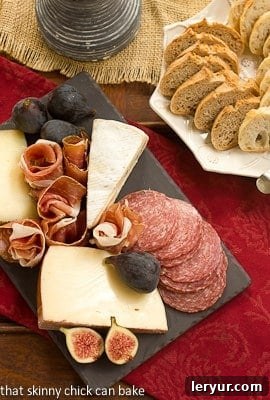
For a recent party, I created an antipasto platter featuring delightful Prosciutto, Genoa salami, creamy Cambozola, nutty Manchego, and mild Fontina, proving how well meats complement cheeses.
- Additional Delights & Garnishes: The Finishing Touches
Elevate your board with these thoughtful additions:- Dips & Spreads: A small bowl of hummus, a flavorful tapenade, or a creamy spinach dip.
- Pickled Vegetables: Marinated artichoke hearts, roasted red peppers (with a drizzle of balsamic glaze and extra virgin olive oil), or pickled asparagus spears.
- Herbs & Edible Flowers: Fresh rosemary sprigs, thyme, or basil not only add a lovely aroma and visual appeal but can also be used as a garnish for certain cheeses. Edible flowers offer a pop of color and elegance.
- Mustards: A grainy Dijon or whole-grain mustard can be a fantastic pairing for cured meats.
For my antipasto board, roasted red peppers with a drizzle of balsamic and extra virgin olive oil, alongside a bowl of Mediterranean olives, completed the offering beautifully.
Expert Tips for Assembling Your Masterpiece
Creating a stunning cheese and charcuterie board is an art, but these insider tips will help you achieve perfection with ease:
- Bring Cheeses to Room Temperature: This is a crucial step for optimal flavor and texture. Taking your cheeses out of the refrigerator an hour or two before serving allows them to soften slightly and release their full aromatic and flavor profiles. Cold cheese tastes muted, so don’t skip this!
- Start with the Anchors: Begin by arranging your cheeses on the board first, strategically placing them with enough space around each for cutting. Then, artfully drape or pile your cured meats. These larger elements form the “anchors” of your board.
- Fill in with the “Fringe”: Once the main components are in place, fill in the empty spaces with piles of fruits, nuts, olives, and crackers. Don’t be afraid to let items touch; a full, abundant board looks more inviting. Create small clusters of similar items and distribute colors evenly for visual appeal.
- Create Visual Interest: Think about height, color, and texture. Fan out crackers, fold cured meats into rosettes or ribbons, and pile grapes for height. Use small bowls for olives, jams, or honey to add varying levels and contain messier items.
- Provide Tongs and Spoons: Small tongs or spoons for various items (like olives, nuts, and jams) enhance hygiene and ease of serving.
- Label Your Cheeses (Optional, but Recommended): For larger or more adventurous boards, small labels identifying each cheese can be very helpful for your guests, especially if you have unique or lesser-known varieties.
- Consider Themed Boards: Beyond a general charcuterie board, you can create themed boards, such as a “Mediterranean Mezze Board” with hummus, feta, and pita, or a “Dessert Cheese Board” with sweet cheeses, chocolate, and fruit.
- Seasonality is Key: Incorporating seasonal fruits and vegetables ensures the freshest flavors and keeps your board dynamic throughout the year.
- Don’t Forget the Drinks: A well-paired drink can elevate the entire experience. Offer a selection of wines (red, white, rosé), craft beers, or even non-alcoholic sparkling cider to complement your spread.
I sincerely hope this comprehensive guide has ignited your creativity and provided you with ample ideas and inspiration to craft your next unforgettable cheese and charcuterie board. What combination of cheeses and accompaniments is your absolute favorite when you’re entertaining?
Frequently Asked Questions About Charcuterie Boards
The term “charcuterie” (pronounced shahr-Koo-tuhr-ee) is a French word that literally translates to “cooker of meat.” It represents a venerable French culinary art that dates back to the 15th century. Historically, charcuterie referred to a specific type of delicatessen dedicated to preparing and selling cured, smoked, or cooked meats, especially pork specialties like pâtés, confits, sausages, and terrines. Today, while still rooted in these traditional preparations, the term has broadly expanded to describe a stunning board or platter featuring a variety of these cured meats, often accompanied by cheeses, fruits, nuts, and other accouterments.
This often-mispronounced French term is articulated as shahr-Koo-tuhr-ee. Breaking it down: ‘shahr’ as in ‘shark,’ ‘Koo’ as in ‘coo,’ ‘tuhr’ as in ‘terrific,’ and ‘ee’ as in ‘see.’
A truly diverse charcuterie board should offer a delightful mix of flavors, textures, and visual appeal. Essential inclusions often feature a selection of cured meats (such as Prosciutto, various cold cuts, slices of duck breast, or flavorful salamis) alongside an assortment of cheeses (ranging from soft to firm). Complement these with fresh fruits (grapes, berries, apple slices), dried fruits (apricots, figs), and a variety of sweet and savory spreads like jams, marmalade, and local honey. Don’t forget crunchy elements like nuts (Marcona almonds, pistachios) and a selection of crackers or artisan bread. Adding fresh herbs (rosemary, thyme) and small bowls of olives or pickles makes for a beautiful and flavorful garnish, elevating the entire presentation.
The amount of cheese and meat depends on whether the board is serving as a light appetizer or a more substantial part of the meal. As a general guideline for an appetizer, plan for about 1-2 ounces of cheese and 1-2 ounces of cured meat per person. If the charcuterie board is the main event or part of a lighter lunch/dinner, increase this to 3-4 ounces of each per person. It’s always better to have a little extra than to run out, and leftovers can often be enjoyed later!
Pairing wine with a charcuterie board can be a delightful experience, and the best choice often depends on the dominant flavors of your board. For a general board with a mix of cheeses and meats, versatile wines work best. A light-bodied red like Pinot Noir or Beaujolais is often a safe bet, as their fruitiness and lower tannins complement a wide range of flavors without overpowering them. For white wines, a crisp Sauvignon Blanc or a dry Riesling can cut through richness and cleanse the palate. Sparkling wines, such as Prosecco or Champagne, are also excellent choices, as their effervescence and acidity pair beautifully with salty meats and creamy cheeses. Don’t hesitate to offer both red and white options to cater to diverse preferences.
Stay in touch through social media and discover more culinary inspiration! Follow me on Instagram, Facebook, and Pinterest. Don’t forget to tag me (@thatskinnychickcanbake) when you try one of my delicious recipes! And if you love the results, please consider giving it a 5-star rating in the recipe card – your feedback is truly appreciated and helps other food enthusiasts discover these wonderful creations.
You May Also Enjoy These Related Appetizer Recipes
- Roasted Red Pepper and Artichoke Tapenade: A vibrant, flavorful spread perfect for crostini or crackers.
- Sweet and Savory Candied Almonds: An addictive snack that adds a delightful crunch and sweetness to any board.
- Elegant Blue Cheese Gougeres: Light, cheesy puffs that are utterly irresistible.
- Delicious Fig Gruyere Crostini: A sophisticated bite combining sweet figs and nutty Gruyere on crisp toast.
- Explore all my Best Appetizer Recipes for more delightful entertaining ideas!