

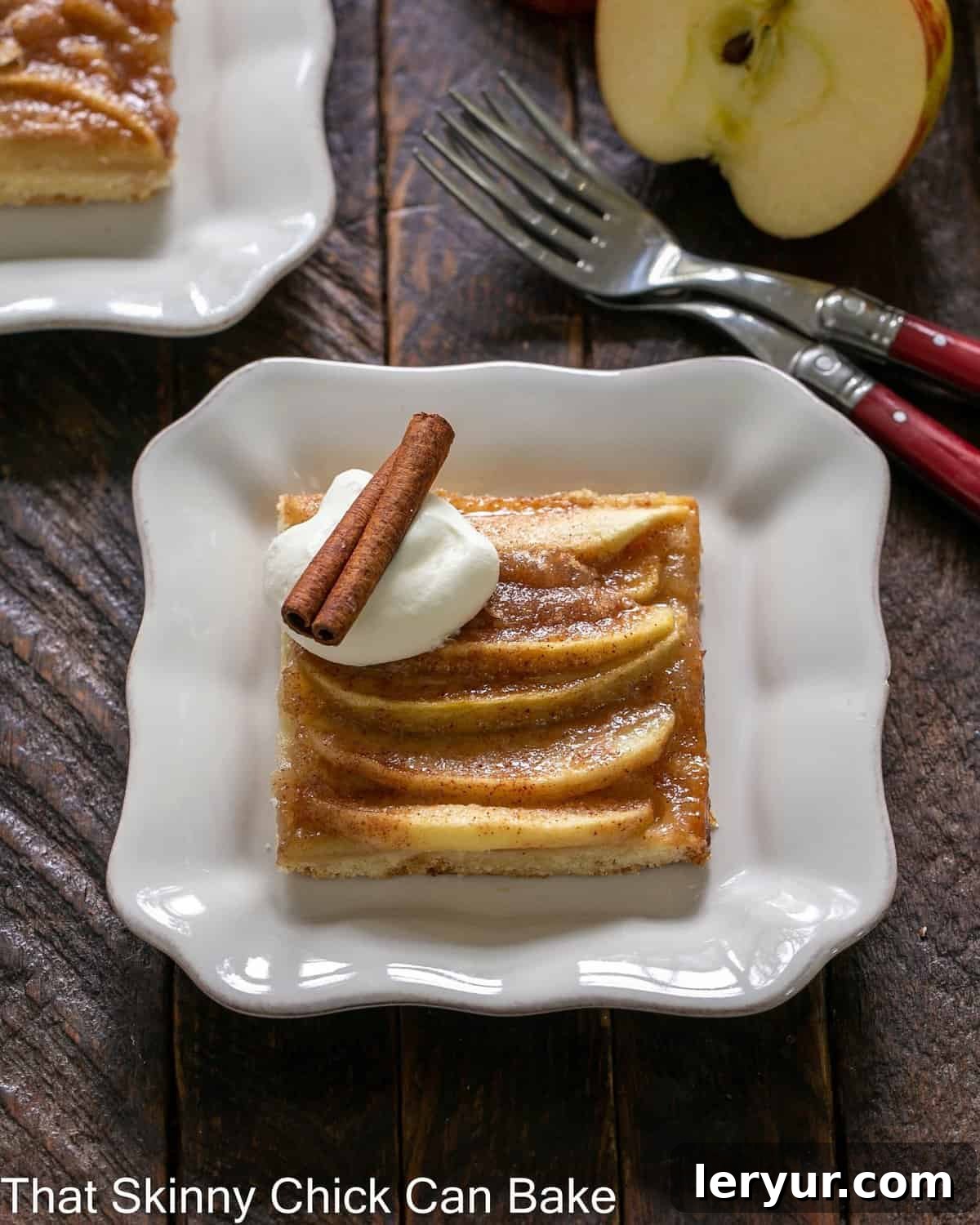
Savor the heartwarming taste of tradition with this exquisite German Apple Cake, affectionately known as Apple Kuchen or Apfelkuchen. Featuring a delightful pastry crust, generously topped with thinly sliced baking apples, and a sprinkle of cinnamon sugar, this recipe offers both ease of preparation and an unbelievably delicious experience. It’s a timeless dessert that promises to fill your home with an aroma of comfort and bring a smile to every face.
My journey into the world of Apfelkuchen began with a deeply personal quest. My beloved father-in-law cherished fond memories of his grandmother’s apple cake from his childhood, a rich, yeast-based creation featuring a creamy custard of egg, sugar, cream, and cinnamon. It became my mission to recreate that cherished flavor. While that initial endeavor was a beautiful tribute, this latest version simplifies the classic, offering a streamlined approach that’s just as satisfying and bursting with authentic taste. This recipe captures the essence of German baking, delivering a rustic yet refined dessert perfect for any occasion.
Why This German Apple Cake (Apfelkuchen) Belongs in Your Kitchen
There are countless reasons to fall in love with Apfelkuchen, a dessert that transcends simple baking to become a culinary tradition. Here’s why this recipe is a must-try:
- Effortless Elegance: This German Apple Cake offers all the comforting flavors of a classic apple pie but with significantly less fuss. Imagine the ease of preparing a slab pie, yet with a distinct European charm. Its simple construction makes it an ideal choice for bakers of all skill levels, delivering impressive results without complex techniques.
- A Symphony of Classic Flavors: If your heart beats for apple desserts, this kuchen is your calling. It masterfully combines the natural sweetness and slight tartness of apples with the warm, spicy notes of cinnamon. This pairing is a culinary match made in heaven, creating a flavor profile that is both familiar and utterly irresistible.
- Rich Historical Tapestry: Apfelkuchen boasts a heritage stretching back at least 400 years, deeply woven into the fabric of German culture. It’s more than just a cake; it’s a centerpiece of the cherished “Kaffee und Kuchen” tradition, a delightful afternoon ritual akin to British tea time. Making this cake isn’t just baking; it’s participating in centuries of culinary history.
- Versatile for Any Occasion: Whether you’re hosting a festive gathering, enjoying a quiet afternoon with coffee, or simply craving a comforting treat, Apfelkuchen fits perfectly. Its rustic charm and delightful taste make it suitable for casual family meals and more formal celebrations alike.
- Customizable to Your Liking: While the base recipe is fantastic, Apfelkuchen is incredibly forgiving and open to personal touches. Add nuts for crunch, raisins for extra sweetness, or a touch of lemon zest for brightness. Make it truly your own!
Ingredient Notes: Crafting Your Perfect Apfelkuchen
The secret to an exceptional Apfelkuchen lies in selecting the right ingredients. Each component plays a vital role in achieving that perfect balance of flavor and texture.
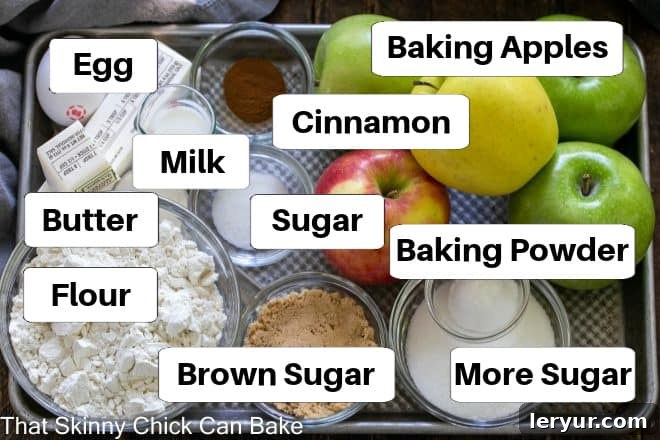
- Baking Apples: The foundation of any great apple dessert. For the most complex and delicious kuchen, aim for a variety of apples. Granny Smith offers a lovely tartness that balances the sweetness, Golden Delicious provides a mellow sweetness and soft texture, while Honeycrisp adds a crisp bite and juicy sweetness. Using a mix ensures a nuanced flavor and textural experience in every bite.
- All-Purpose Flour: Simple and reliable, all-purpose flour is perfectly suited for both the pastry crust and the topping. Ensure it’s fresh for the best results in texture and rise.
- Baking Powder: This leavening agent gives the crust a tender, slightly cake-like texture, distinguishing it from a traditional pie crust. Always check its freshness! A simple test: drop a spoonful into hot water; if it bubbles vigorously, it’s active and ready to go.
- White Granulated Sugar: Used for both the crust and the topping, white sugar provides sweetness and helps create a delicate crispness in the topping when baked.
- Brown Sugar: The addition of brown sugar to the topping introduces a deeper, more caramel-like flavor and a wonderfully moist texture. Its subtle molasses notes complement the apples and cinnamon beautifully.
- Salt: Often overlooked, salt is crucial for enhancing all the other flavors in the kuchen, balancing the sweetness and bringing out the natural taste of the apples. For baking, I prefer fine table salt as it dissolves and distributes evenly throughout the dough, ensuring every bite is perfectly seasoned.
- Large Egg: The egg acts as a binder in the crust, adding structure and richness. For optimal incorporation into the dough, it’s always best to bring your eggs to room temperature beforehand. This helps create a smoother, more uniform dough.
- Milk: Whether you use 2% milk, like I often do, or whole milk, it provides moisture to the crust, helping to form a cohesive dough. Whole milk will yield a slightly richer crust, but either works well.
- Cinnamon: The quintessential spice for apple desserts. Ground cinnamon provides that signature warm, inviting aroma and flavor that defines Apfelkuchen. Don’t be shy with it!
- Unsalted Butter: Essential for both the rich, flaky crust and the delectable topping. Using unsalted butter allows you to control the overall saltiness of the dish. Make sure it’s cold for cutting into the crust and softened for mixing into the topping.
How to Make German Apple Cake: Step-by-Step Guide
Creating this delightful Apfelkuchen is a straightforward process, broken down into simple, manageable steps. Follow these instructions for a perfectly baked German Apple Cake:
- Prepare the Crust Base: Begin by sifting together all your dry ingredients for the crust – flour, baking powder, sugar, and salt. Sifting ensures there are no lumps and that the leavening agents are evenly distributed, leading to a more tender crust.
- Incorporate the Butter: Add cold, diced butter to your dry ingredients. Using a pastry blender or two knives, cut the butter into the flour mixture until it resembles coarse crumbs, with pieces no larger than small peas. This technique creates pockets of butter that melt during baking, resulting in a wonderfully tender and slightly flaky crust.
- Add Wet Ingredients to Crust: In a separate small bowl, whisk together the room temperature egg and milk. Gradually add this liquid mixture to your dry ingredients, mixing just until a cohesive dough forms. Be careful not to overmix, as this can lead to a tough crust.
- Press into Pan: Lightly grease a 9×13-inch baking pan. Gently pat the prepared dough evenly into the bottom of the pan. Ensure it forms a uniform layer, reaching all corners. There’s no need for a rolling pin, just your hands!
- Prepare the Apples: Next, peel, core, and then slice your chosen baking apples into thin, uniform wedges. Aim for slices that are about ⅛ to ¼ inch thick, as this ensures they cook evenly and become perfectly tender.
- Arrange Apples and Dot with Butter: Carefully arrange the apple slices in neat rows over the crust, overlapping them slightly to create an appealing visual and ensure even distribution. Once the apples are arranged, dot them generously with small pieces of butter. This step, a traditional touch, adds incredible richness and helps the apples caramelize beautifully as they bake.
- Create the Cinnamon-Sugar Topping: In a medium bowl, combine the white sugar, brown sugar, a touch of flour, and the ground cinnamon. Mix these ingredients thoroughly until well combined. The flour in the topping helps absorb moisture from the apples and creates a wonderfully crumbly, crisp finish.
- Apply Topping and Bake: Evenly sprinkle the cinnamon-sugar topping over the arranged apples. Ensure complete coverage for that irresistible golden-brown crust. Bake as directed in the recipe card below, until the topping is golden, the apples are tender when pierced with a knife, and your kitchen is filled with an absolutely intoxicating aroma.

Expert Tips for a Flawless German Apple Cake
Achieving the perfect Apfelkuchen is an art, but with these expert tips, you’ll master it in no time. These insights will help you elevate your baking and create a truly memorable dessert.
- Embrace the Variations: German Apple Cake has a rich history with countless regional and family variations. Some feature yeast doughs, others a more biscuit-like crust, and fillings can range from simple apples to apples with custards or streusel toppings. Don’t be afraid to experiment! It might take a few attempts to discover the perfect recipe that truly resonates with your family’s preferences and perhaps even evokes cherished memories.
- Choose Your Apples Wisely: The quality of your apples directly impacts the flavor and texture of your kuchen. Always opt for firm, crisp baking apples. As mentioned, a blend of varieties—such as tart Granny Smiths, sweet Honeycrisps, and mellow Golden Delicious—will provide a more complex and balanced flavor profile, adding depth to every bite.
- To Peel or Not to Peel?: This is a matter of personal preference. Leaving the peels on can add a rustic aesthetic, a slightly chewy texture, and a boost of fiber. However, if you prefer a smoother, more delicate apple texture, peeling them is the way to go. I personally prefer my apples peeled for a consistently tender filling.
- Creative Add-ins: While traditional Apfelkuchen is fantastic on its own, feel free to personalize it with delightful additions. Consider sprinkling a handful of plump raisins, dried cranberries, or toasted chopped pecans or walnuts over the apples before adding the topping. These additions provide extra flavor, texture, and visual appeal.
- Pan Preparation Perfection: While I often recommend lining baking pans with foil for easy cleanup, I found that for this particular crust, it was challenging to pat the dough evenly into a foil-lined pan. For Apfelkuchen, a well-greased baking pan is often sufficient. The crust releases beautifully, and clean-up is still manageable.
- Serving Suggestions: Apfelkuchen is incredibly versatile when it comes to serving. Enjoy it simply on its own, allowing its pure apple and cinnamon flavors to shine. For an extra touch of indulgence, serve a warm slice with a generous scoop of vanilla bean ice cream, a dollop of lightly sweetened whipped cream, or for a truly traditional experience, accompany each slice with a homemade vanilla custard sauce.
- Don’t Overmix the Dough: When making the crust, mix the wet and dry ingredients just until combined. Overmixing can develop the gluten too much, resulting in a tough, chewy crust instead of the desired tender texture.
- Even Apple Slices: Aim for uniformly thin apple slices. This ensures that all the apples cook at the same rate, becoming perfectly tender without some being mushy and others still firm.
Frequently Asked Questions About German Apple Cake
What is Kuchen?
Kuchen (pronounced KOO-gan or KOO-can) is the German word for “cake,” but it encompasses a broader category of baked goods than what “cake” typically implies in English. It’s often described as a delightful cross between a cake and a pie, frequently featuring a fruit filling, a rich shortcrust or yeast dough base, and sometimes a creamy custard layer or streusel topping. There are countless regional variations of Kuchen, with German Apple Cake (Apfelkuchen) being one of the most beloved.
How Do You Pronounce Kuchen?
Kuchen is generally pronounced in two common ways: “KOO-gan” (emphasizing the ‘g’ sound, as in ‘gander’) or “KOO-can” (with a harder ‘c’ sound, as in ‘can’). Both pronunciations are widely accepted and understood.
How Do You Serve Kuchen?
Traditionally, Kuchen is a staple of “Kaffee und Kuchen,” a German afternoon coffee or tea ritual, usually observed between 3 and 5 PM, where it’s served alongside other sweet treats. In American culture, it’s more common to enjoy Kuchen as a dessert after dinner. It pairs beautifully with a dollop of freshly whipped cream, a scoop of vanilla ice cream, or a warm custard sauce. It’s also delightful simply on its own with a cup of coffee or tea.
How Do You Store Kuchen?
To maintain its freshness, Kuchen can be stored at room temperature for 2-3 days, especially if it’s not a warm environment. However, due to its moist fruit content, it’s generally recommended to store your Kuchen in the refrigerator for up to 5 days, particularly during warmer months, to prevent it from spoiling more quickly. Ensure it’s covered tightly to prevent it from drying out.
For longer storage, Kuchen freezes exceptionally well for up to 3 months. Wrap individual slices or the entire cake tightly in plastic wrap, then again in aluminum foil, ensuring an airtight seal. To serve, defrost overnight in the refrigerator and gently warm in the oven before enjoying for the best taste and texture.
Explore More Delicious Apple Desserts
If you’ve enjoyed this German Apple Cake, you’re sure to love these other comforting and delicious apple-inspired recipes:
- Apple Pie Muffins from Dinner, then Dessert
- Classic Apple Pie
- Apple Galette
- Apple Slab Pie
- More of theBest Dessert Recipes
Stay connected for more delectable recipes and baking inspiration! Follow me on social media @ Instagram, Facebook, and Pinterest. Don’t forget to tag me when you create one of my recipes! If you adore the results, please consider leaving a 5-star rating in the recipe card below to share your wonderful experience.

Apple Kuchen or Apfelkuchen
30 minutes
30 minutes
1 hour
2 hours
8 servings
This Apple Kuchen or German Apple Cake is a retro recipe from my husband’s German great-grandmother, reimagined for today’s home baker.
Ingredients
- 4 baking apples, such as Granny Smith, Golden Delicious, Honeycrisp (a variety is recommended for best flavor)
- ½ cup all-purpose flour
- 1 teaspoon baking powder
- 2 teaspoons granulated sugar
- ¼ teaspoon salt
- ½ cup (1 stick) unsalted butter, cold and diced
- 1 large egg, at room temperature
- 2 tablespoons milk (2% or whole milk)
Topping:
- 2 tablespoons unsalted butter, melted
- ¼ cup granulated sugar
- ¼ cup packed light brown sugar
- 1 ½ tablespoons all-purpose flour
- ½ teaspoon ground cinnamon
Instructions
- Preheat your oven to 350°F (175°C). Grease a 9 x 13-inch baking pan and set it aside.
- To make the crust layer, whisk together the ½ cup flour, baking powder, 2 teaspoons sugar, and ¼ teaspoon salt in a medium bowl.
- Cut the ½ cup cold butter into the dry ingredients using a pastry blender or two knives until the butter pieces are pea-sized.
- In a small bowl, whisk together the egg and 2 tablespoons milk, then add this mixture to the dry ingredients.
- Mix well until a dough forms, then pat it evenly into the bottom of the prepared baking pan.
- Peel, core, and thinly slice the 4 baking apples.
- Arrange the apple slices in neat rows over the dough, overlapping slightly for a visually appealing presentation.
- Dot the arranged apples with the 2 tablespoons of melted butter.
- In a separate small bowl, mix together the topping ingredients: ¼ cup granulated sugar, ¼ cup brown sugar, 1 ½ tablespoons flour, and ½ teaspoon cinnamon. Sprinkle this mixture evenly over the apples.
- Bake for 30-35 minutes, or until the apples are tender when pierced with the point of a sharp knife and the topping is golden brown.
Notes
Using a variety of baking apples (like Granny Smith, Golden Delicious, and Honeycrisp) adds a more unique and complex flavor profile to your Apfelkuchen.
Nutrition Information:
Yield:
8
Serving Size:
1 slice
Amount Per Serving:
Calories: 497Total Fat: 15gSaturated Fat: 8gTrans Fat: 0gUnsaturated Fat: 6gCholesterol: 106mgSodium: 282mgCarbohydrates: 82gFiber: 3gSugar: 41gProtein: 11g
HOW MUCH DID YOU LOVE THIS RECIPE?
Please leave a comment on the blog or share a photo on Pinterest
This particular Apple Kuchen Recipe holds a special place in my heart. I meticulously tweaked it, adding tiny pats of butter over the apples before baking—a detail Fred, my father-in-law, fondly remembered his own grandmother doing. It brought me immense joy to be able to offer him a taste of his cherished childhood memories.
As some of you know, my dear father-in-law, a man of vibrant spirit and seemingly good health, received a lung cancer diagnosis not long after Christmas. I have been truly blessed with my in-laws; they are two of the kindest, most caring, and generous people one could ever wish for, among my favorite individuals in the world. We had hoped for more time for Fred, time to see his grandchildren marry, to spoil his future great-grandchildren as he had so lovingly spoiled his own. But it was not to be. His disease progressed with a ferocious speed, and I would often send him little treats when my husband, Bill, visited him on weekends.
A Legacy of Love and Apfelkuchen
Fred and I shared many loves, from smoked fish and bread laden with nuts and dried fruit to, most passionately, all things apple. For years, he searched tirelessly for a recipe that could replicate his German grandmother’s legendary apple kuchen. Finally, my brother-in-law, Dan, unearthed “the” recipe from an old family recipe box. Dan valiantly attempted to recreate this treasured German apple cake, but, as he relayed with a chuckle in his email, “Long story,” it apparently got a bit over-baked. Still, the discovery alone was a gift.
Update: My father-in-law lost his courageous battle with cancer on a Thursday. I will forever be grateful for the powerful legacy of family and unwavering faith in God that he passed on to his sons and grandchildren. I was truly blessed to have him in my life for nearly three decades, and his memory, especially through the comforting aroma of Apfelkuchen, continues to inspire and warm our home.