
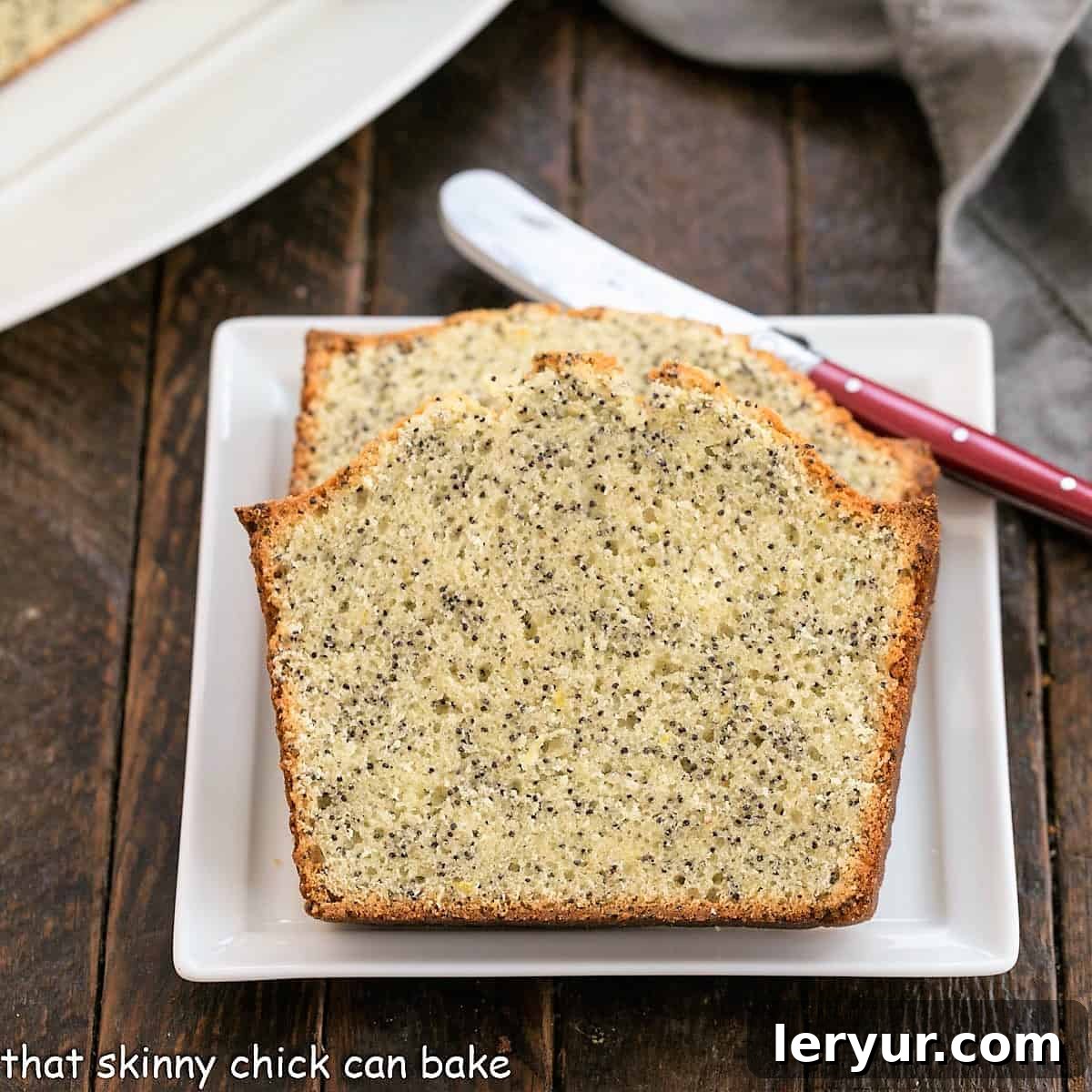
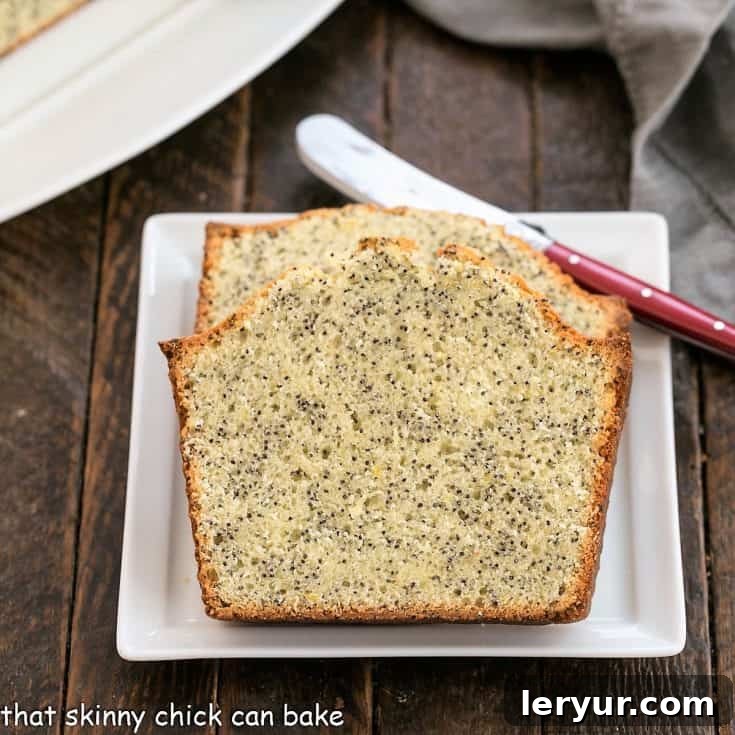
Indulge in a slice of pure comfort with this exquisite Lemon Poppy Seed Loaf Cake. Renowned for its dense, tender crumb and irresistible citrus aroma, this cake transforms any moment into a special occasion. Whether served as a simple, elegant dessert or as the perfect accompaniment to an afternoon cup of tea, its bright flavors and delightful texture are sure to captivate. This recipe isn’t just a cake; it’s a culinary experience, a testament to the timeless appeal of classic baking. Imagine the subtle crunch of poppy seeds mingled with the vibrant tang of fresh lemon, creating a harmonious symphony of taste that lingers delightfully on the palate.
The inspiration for this magnificent Lemon Poppy Seed Tea Cake Recipe comes from none other than the legendary baker Dorie Greenspan, whose expertise consistently delivers perfection. Her version, featured in the esteemed New York Times, arrived at precisely the right moment – just as our freezer stash of beloved poppy seed muffins was dwindling. It felt like kismet, a sign that a new, equally cherished treat was destined to fill its place. This loaf cake, often referred to as a quick bread due to its leavening method, is remarkably straightforward to prepare, making it accessible even for novice bakers. Yet, its sophisticated flavor profile and elegant presentation suggest a much more complex creation, making it an ideal choice for impressing guests or simply treating yourself to a moment of culinary bliss. Every bite promises a delicate balance of sweetness and tartness, making it an unforgettable addition to your baking repertoire.
Why This Lemon Poppy Seed Loaf Cake Is an Absolute Must-Bake
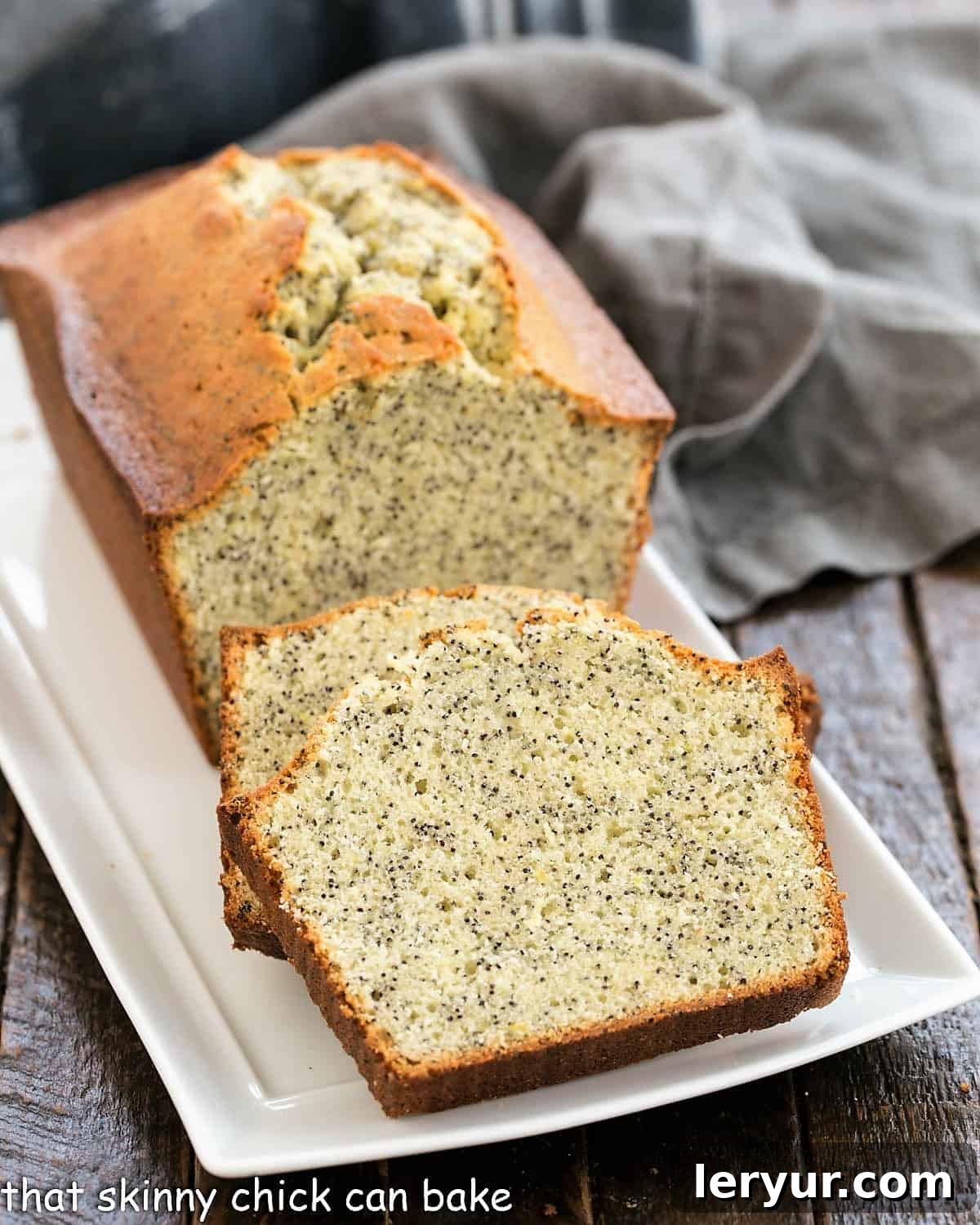
There are countless reasons why this Lemon Poppy Seed Loaf Cake deserves a prime spot in your kitchen. Beyond its obvious deliciousness, it offers an array of benefits that make it a truly exceptional bake:
- Authored by a Baking Legend: This recipe hails from Dorie Greenspan, an extraordinary baker whose recipes are celebrated worldwide for their reliability, deliciousness, and ingenious techniques. Baking a Dorie Greenspan creation means you’re almost guaranteed success and a truly delightful result. Her meticulous attention to detail ensures that every step contributes to the perfect outcome.
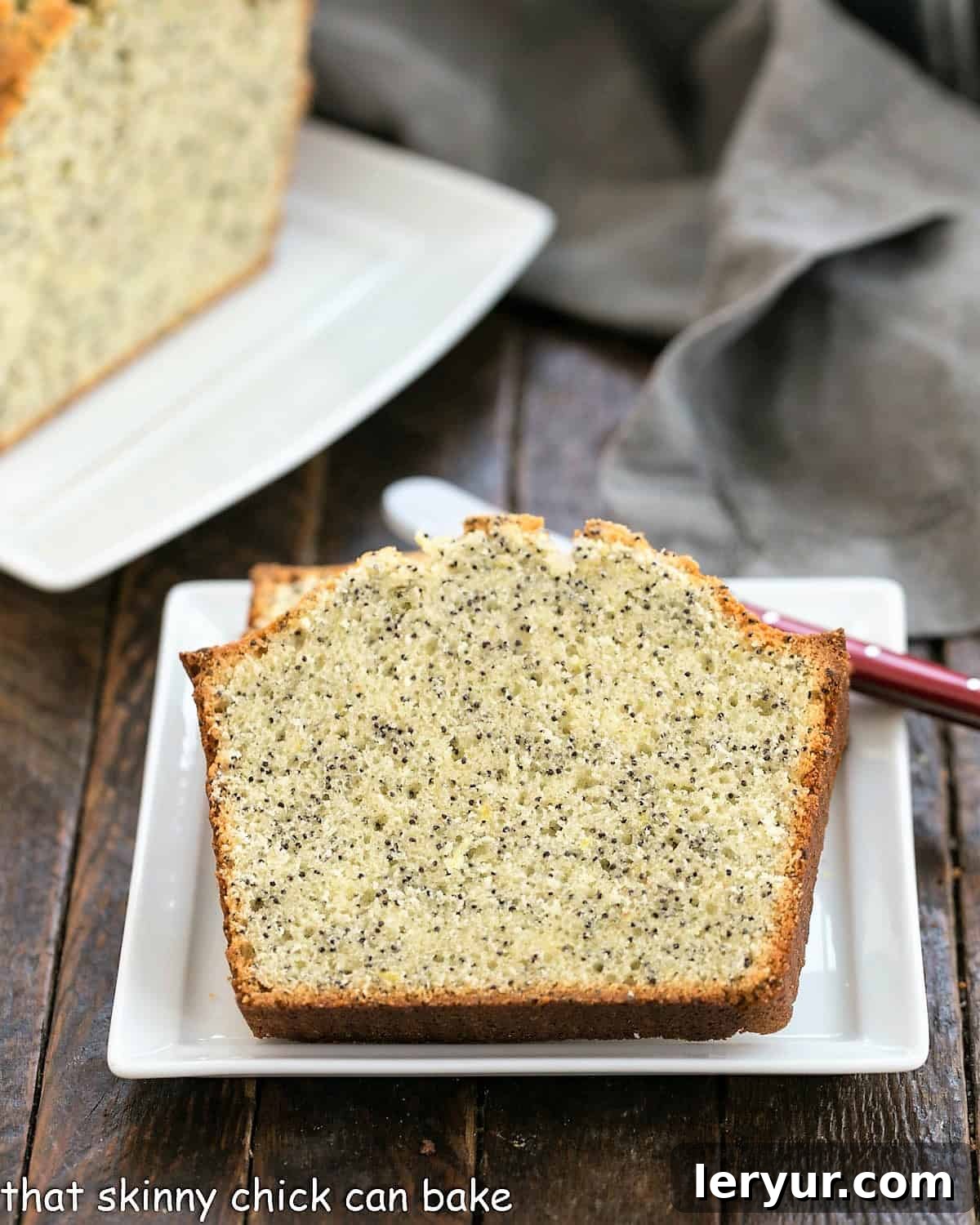
- A Scrumptious and Versatile Treat: This isn’t just a cake; it’s a versatile culinary delight. Its lovely, fine crumb and generous scattering of poppy seeds make it perfect for any occasion. Enjoy it as a refined dessert after dinner, a delightful breakfast pastry, a satisfying snack with your coffee, or a charming addition to a brunch spread. It’s equally at home on a casual weekday morning as it is on a holiday table.
- Bursting with Memorable Flavors: Each bite is an experience of vibrant flavors. It’s elegantly seasoned with the aromatic zest of fresh lemons, bright lemon juice, and a hint of warm vanilla. These classic notes are beautifully complemented by the subtle, nutty essence of poppy seeds, which also contribute a pleasing textural contrast. The combination creates a sophisticated yet comforting profile that makes this loaf a truly memorable treat, one that you’ll want to bake again and again.
- Incredible Aroma That Fills Your Home: As this lemon poppy seed loaf bakes, your kitchen will be filled with the most intoxicating aroma of citrus and warm baked goods. It’s an instant mood lifter and promises the deliciousness to come.
- Perfect for Gifting or Sharing: This beautiful loaf makes an excellent homemade gift for friends, family, or neighbors. Its impressive appearance and delightful taste ensure it will be appreciated by anyone lucky enough to receive a slice.
- Surprisingly Easy to Make: Despite its gourmet taste and elegant presentation, the recipe is straightforward and accessible for bakers of all skill levels. Dorie Greenspan’s genius lies in simplifying complex flavors into achievable steps, making this a rewarding baking project.
Expert Tips for Crafting the Perfect Lemon Poppy Seed Loaf Cake
Achieving bakery-quality results with your Lemon Poppy Seed Loaf Cake is easier than you think, especially with these insider tips. Paying attention to these details will elevate your baking from good to truly exceptional:
- Thoroughly Read the Recipe First: This might sound simple, but it’s the golden rule of baking. Before you even reach for your mixing bowls, read the entire recipe from start to finish. This helps you understand the process, gather all necessary ingredients and equipment, and anticipate any potential steps or timing considerations. Confirm you have fresh lemons for zest and juice, and crucially, check the freshness of your leavening agents.
- Ensure Your Baking Powder is Active: Baking powder is a crucial leavening agent for quick breads, but it doesn’t get used as frequently as baking soda and can lose its potency over time. Always check the expiration date on the container. If it’s nearing expiration or you’re unsure, test its activity: mix a spoonful of baking powder into a cup of hot water. If it fizzes and bubbles vigorously, it’s still fresh and ready to give your loaf that perfect rise. If it merely sits flat, it’s time for a new container.
- Test Your Poppy Seeds for Freshness: Poppy seeds, like many nuts and seeds, contain high oil content, making them susceptible to going rancid if stored improperly or for too long. Rancid poppy seeds can impart an unpleasant, bitter flavor to your otherwise delicious cake. Before using, simply taste a few. They should have a mild, slightly nutty, and pleasant flavor. If they taste bitter or stale, it’s best to discard them and use a fresh batch.
- Dorie Greenspan’s Zest-Rubbing Secret: Here’s a brilliant trick learned directly from Dorie Greenspan herself: instead of just adding lemon zest to your dry ingredients, rub the finely grated zest into the sugar with your fingertips. The abrasive action of the sugar crystals, combined with the warmth of your hands, helps to release the potent essential oils from the lemon zest. This process infuses the sugar deeply with bright, aromatic lemon flavor, distributing it more effectively throughout the batter and intensifying the overall citrus experience of the cake.
- Properly Prepare Your Loaf Pan: A well-prepared pan is key to easy removal and a beautifully shaped loaf. For optimal results, first line the bottom of your 8½-inch rectangular loaf pan with a rectangle of parchment paper. This creates a non-stick base that ensures the cake slides out smoothly. Then, generously spray the entire pan (including the parchment) with a high-quality non-stick baking spray, such as Baker’s Joy, which contains both oil and flour. Alternatively, you can butter and flour the pan thoroughly, tapping out any excess flour to prevent sticking.
- Manage Browning with Foil: If you notice the top of your loaf is browning too quickly or becoming too dark before the center is fully cooked, don’t fret. Simply create a “tent” over the loaf with aluminum foil and place it back in the oven. The foil will reflect heat, shielding the top from direct heat and allowing the interior to continue baking evenly without further browning the crust.
- Accurately Check for Doneness: The toothpick test is your reliable indicator for doneness. Insert a wooden toothpick or a thin skewer into the very center of the cake. If it comes out clean, with no wet batter or moist crumbs clinging to it, your quick bread is perfectly baked. If it comes out with wet batter, continue baking for a few more minutes and test again. A few moist crumbs are acceptable, indicating a tender, moist interior.
- Bring Ingredients to Room Temperature: For the best emulsion and smoothest batter, ensure your eggs and heavy cream are at room temperature. Cold ingredients can cause the batter to seize and result in a denser texture. If you forget to take eggs out in advance, place them in a bowl of warm (not hot) water for 5-10 minutes.
- Avoid Overmixing: Once you add the flour, mix the batter only until just combined. Overmixing develops the gluten in the flour, leading to a tough and dry loaf. A few small lumps are perfectly fine and will disappear during baking.
- Cooling is Crucial: Allow the loaf to cool in the pan on a wire rack for at least 5-10 minutes before attempting to remove it. This allows the cake to set and firm up, preventing it from breaking apart when inverted. After this initial cooling, carefully invert the pan onto a cooling rack and let the loaf cool completely. Slicing a warm loaf can result in a gummy texture.
A Simple Guide: How to Bake This Delightful Lemon Quick Bread
Making this incredible Lemon Poppy Seed Loaf Cake is a straightforward process, broken down into easy-to-follow steps. This quick bread comes together with minimal fuss, promising delicious results every time. Here’s a simplified overview of the baking journey:
- Prepare for Baking: Begin by preheating your oven to the specified temperature and meticulously preparing your loaf pan as outlined in the tips above (lining with parchment and spraying/buttering and flouring). This ensures a smooth baking and release process.
- Combine Dry Ingredients: In a medium bowl, whisk together all your dry ingredients – the flour, baking powder, and salt. Whisking ensures they are thoroughly combined and evenly distributed, which is essential for consistent leavening throughout the cake.
- Infuse the Sugar with Lemon: This is a Dorie Greenspan secret! In a larger bowl, place your sugar and the finely grated lemon zest. Use your fingertips to rub the zest into the sugar vigorously. This action releases the fragrant essential oils from the lemon zest, deeply infusing the sugar with bright, vibrant citrus flavor, setting the stage for an incredibly aromatic loaf.
- Combine Wet Ingredients and Dry: Whisk the liquid ingredients (eggs, lemon juice, vanilla, heavy cream) into the lemon-infused sugar until smooth. Then, gradually add the whisked dry ingredients to the wet mixture in three additions, mixing gently after each. Follow by incorporating the melted and cooled butter in two additions, ensuring it’s fully combined but taking care not to overmix.
- Add Poppy Seeds and Fill Pan: Gently stir in the poppy seeds using a silicone spatula. The spatula helps fold them in evenly without crushing them or overdeveloping the gluten. Scrape the complete batter into your prepared loaf pan, smoothing the top evenly.
- Bake to Perfection: Place the loaf pan in your preheated oven and bake for the recommended duration (typically 60-70 minutes). Keep an eye on the top, tenting with foil if it browns too quickly. Test for doneness by inserting a toothpick into the center; it should come out clean.
- Cooling Process: Once baked, remove the loaf from the oven and let it cool in the pan on a wire rack for about 5 minutes. This brief cooling period allows the cake to set and firm up. After 5 minutes, carefully remove the loaf from the pan and transfer it to the cooling rack to finish cooling completely. This prevents the bottom from becoming soggy and ensures a perfect texture throughout.
Frequently Asked Questions About This Delightful Loaf Cake
The term “tea cake” is wonderfully broad and can vary significantly depending on regional culinary traditions. In British culture, a tea cake typically refers to a slightly sweet bun, often enriched with dried fruit like currants or raisins, served toasted and buttered alongside a cup of tea. It can also describe a small, delicate cookie or biscuit. However, the broad term generally encompasses any cake, bun, or pastry that is traditionally served with tea, particularly during afternoon tea. This Lemon Poppy Seed Loaf Cake, with its delicate crumb and appealing flavor, fits perfectly into this versatile category, offering a more substantial yet equally refined accompaniment to your favorite brew.
The name “tea cake” originates from the tradition of serving these delightful baked goods as an integral part of the afternoon tea ritual, particularly prevalent in Britain. This cultural practice emerged in the 19th century as a social event, and tea cakes, whether buns or cookies, were specifically crafted to complement the tea experience. They were designed to be light enough not to spoil dinner but satisfying enough to bridge the gap between lunch and the evening meal. While our Lemon Poppy Seed Loaf Cake is indeed a quick bread and not a cookie or bun, its role as a perfect companion to tea aligns it with the spirit of the traditional tea cake. It’s important to note that despite the name, tea cakes typically do not use tea as an ingredient; rather, they are named for the occasion they accompany.
Dorie Greenspan’s recipe, and many others for quick breads and loaf cakes, specifically calls for an 8½-inch by 4½-inch rectangular loaf pan. This is considered a standard size for baking yeast breads, quick breads, and various loaf cakes. This dimension ensures the cake bakes evenly, achieving the perfect rise, and results in a beautifully proportioned loaf. While a 9×5-inch pan can sometimes be used as an alternative, be aware that it has a slightly larger volume. If using a 9×5-inch pan, your cake might be slightly shorter, and the baking time might need to be adjusted (potentially reduced) as the batter will spread out more thinly. Always monitor for doneness with the toothpick test, regardless of pan size.
Understanding the distinction between baking soda and baking powder is fundamental to successful baking, as they function differently as leavening agents. Baking soda (sodium bicarbonate) is a base and requires an acid present in the recipe (such as buttermilk, lemon juice, vinegar, or brown sugar) to activate and produce carbon dioxide gas, which makes baked goods rise. Without an acid, baking soda alone won’t create the desired lift and can leave a metallic taste.
On the other hand, baking powder is a complete leavening agent. It’s a mixture of baking soda, an acid (often cream of tartar), and a starch (to absorb moisture and prevent premature activation). It primarily reacts twice: once when mixed with liquid ingredients and again when heated in the oven. This double action provides a more consistent and powerful rise, especially in recipes that don’t contain enough natural acid to activate baking soda.
You might encounter recipes that use both baking soda and baking powder. This usually happens if the recipe contains an acidic ingredient that needs neutralizing, but that amount of baking soda isn’t sufficient to provide all the necessary leavening. In such cases, adding baking powder alongside baking soda ensures both proper leavening and helps to balance the pH, which can influence browning and flavor. It’s crucial to remember that baking powder generally has a much shorter shelf life than baking soda. It can lose its potency relatively quickly, often expiring and becoming ineffective while sitting in your pantry. Since it’s not always used as frequently as baking soda, it’s wise to either replace it regularly or test its freshness before use (as detailed in the tips above, by mixing a spoonful in hot water).
Absolutely! This lemon poppy seed loaf cake freezes beautifully, making it an excellent option for meal prep or enjoying a slice whenever a craving strikes. To freeze, ensure the cake is completely cooled. You can freeze the whole loaf or individual slices. Wrap the loaf tightly in plastic wrap, then an additional layer of aluminum foil to prevent freezer burn. For slices, wrap each slice individually before placing them in an airtight freezer bag or container. It can be stored in the freezer for up to 2-3 months. Thaw at room temperature, either overnight for a whole loaf or for a few hours for individual slices.
To maintain its freshness, store any leftover Lemon Poppy Seed Loaf Cake at room temperature in an airtight container for up to 3-4 days. This helps to keep it moist and prevents it from drying out. If your kitchen is particularly warm or humid, or if you plan to keep it longer, you can store it in the refrigerator. However, chilling can sometimes slightly alter the texture, making it a bit firmer. If refrigerated, allow slices to come to room temperature before serving for the best flavor and texture.
For the best flavor, always opt for fresh, unwaxed lemons. Regular Eureka or Lisbon lemons, which are commonly available, work wonderfully for their bright, tangy juice and aromatic zest. Meyer lemons, if available, can also be a delightful choice; they are a bit sweeter and less acidic with a more floral aroma, which would lend a slightly different but equally delicious character to the loaf. Regardless of the variety, ensure the lemons are firm, bright, and free of blemishes. Freshly zested and juiced lemons are paramount for that vibrant citrus burst this cake is known for.
Explore More Delicious Recipes
If you’ve fallen in love with the bright flavors and tender texture of this Lemon Poppy Seed Loaf Cake, you’re in for a treat! Here are more delightful recipes that feature similar flavor profiles or are perfect for your next tea time:
- Lemon Poppyseed Cake from Saving Room for Dessert
- Meyer Lemon Poppy Seed Tea Cakes
- Glazed Lemon Tea Scones
- Glazed Poppy Seed Bread
- Poppy Seed Bread with Blueberries
- More of my Favorite Cake Recipes
Stay in touch through social media @ Instagram, Facebook, and Pinterest. Don’t forget to tag me when you try one of my recipes! And if you love the results, please give it a 5-star rating in the recipe card.
Lemon Poppy Seed Loaf Cake Recipe
20 minutes
1 hour 10 minutes
30 minutes
2 hours
10
A sweet, simple loaf cake flavored with lemon and packed full of poppy seeds
Ingredients
- 5 ½ tablespoons butter, melted and cooled
- 1 ½ cups flour
- 1 teaspoon baking powder
- ⅛ teaspoon salt
- 1 ½ cups sugar
- Zest of one lemon (finely grated)
- 2 tablespoons lemon juice
- 4 eggs, at room temperature
- 1 ½ teaspoons vanilla
- ½ cup heavy cream
- ⅓ cup poppy seeds
Instructions
- Preheat oven to 350°.
- Spray an 8-½-inch loaf pan with non-stick baking spray (like Baker’s Joy) or butter and flour. Set aside.
- Whisk together the flour, baking powder, and salt in a small bowl.
- Put the sugar in a large bowl, add the lemon zest, and rub the zest into the sugar to release the lemon oil.
- Whisk the eggs into the sugar vigorously, one at a time.
- Whisk in the lemon juice, vanilla, then the heavy cream until smooth.
- Using the whisk, mix in the flour mixture in 3 additions.
- Add half the butter, mix with the whisk, then whisk in the rest of the butter.
- Stir in the poppy seeds with a silicone spatula, then scrape the batter into the prepared pan.
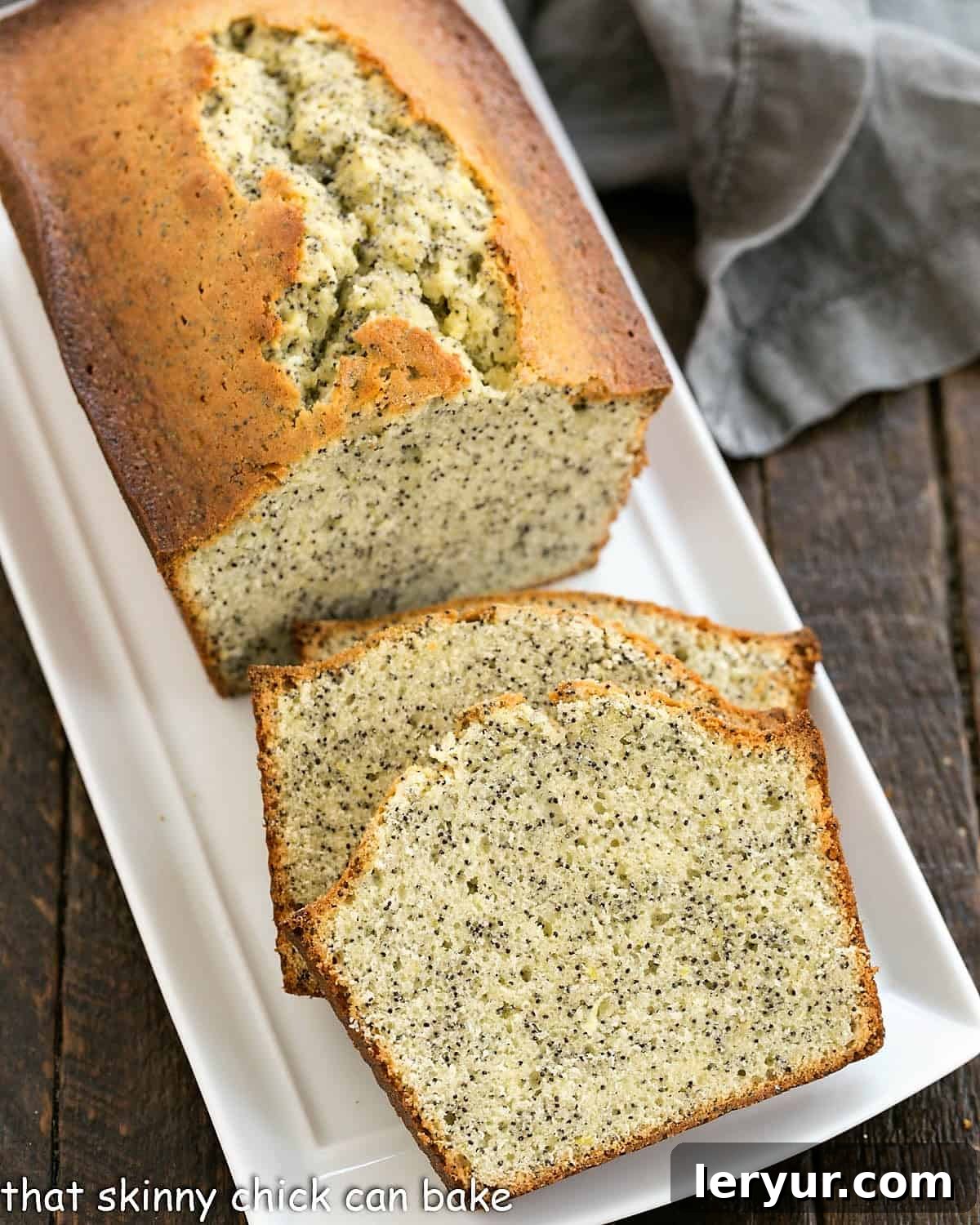
- Bake for 60-70 minutes or until the loaf rises, cracks across the top and a toothpick inserted in the middle comes out clean.
- Cool on a rack for 5 minutes, then carefully remove to a cooling rack to finish cooling.
Notes
Eggs incorporate better and create a smoother batter when at room temperature. If your eggs are cold, place them in a bowl of hot (not boiling) water for 5-10 minutes to help them get the chill off.
Poppy seeds have a high oil content and can go rancid if stored for a long time. If your poppy seeds are old, taste a few before using them to ensure they are fresh and not bitter.
This recipe is adapted from a renowned creation by Dorie Greenspan, as featured in the New York Times.
Recommended Products
As an Amazon Associate and member of other affiliate programs, I earn from qualifying purchases.
- 3 Pyrex Mixing Bowls
- OXO Good Grips 11-Inch Better Balloon Whisk
- Silicone Spatulas
- Stainless Steel Loaf Pan
Nutrition Information:
Yield:
10
Serving Size:
1
Amount Per Serving:
Calories: 318Total Fat: 15gSaturated Fat: 8gTrans Fat: 0gUnsaturated Fat: 6gCholesterol: 105mgSodium: 158mgCarbohydrates: 42gFiber: 2gSugar: 26gProtein: 6g
Thatskinnychickcanbake.com occasionally offers nutritional information for recipes contained on this site. This information is provided as a courtesy and is an estimate only. This information comes from online calculators. Although thatskinnychickcanbake.com attempts to provide accurate nutritional information, these figures are only estimates.
Varying factors such as product types or brands purchased can change the nutritional information in any given recipe. Also, many recipes on thatskinnychickcanbake.com recommend toppings, which may or may not be listed as optional and nutritional information for these added toppings is not listed. Other factors may change the nutritional information such as when the salt amount is listed “to taste,” it is not calculated into the recipe as the amount will vary. Also, different online calculators can provide different results.
To obtain the most accurate representation of the nutritional information in any given recipe, you should calculate the nutritional information with the actual ingredients used in your recipe. You are solely responsible for ensuring that any nutritional information obtained is accurate.
HOW MUCH DID YOU LOVE THIS RECIPE?
Please leave a comment on the blog or share a photo on Pinterest