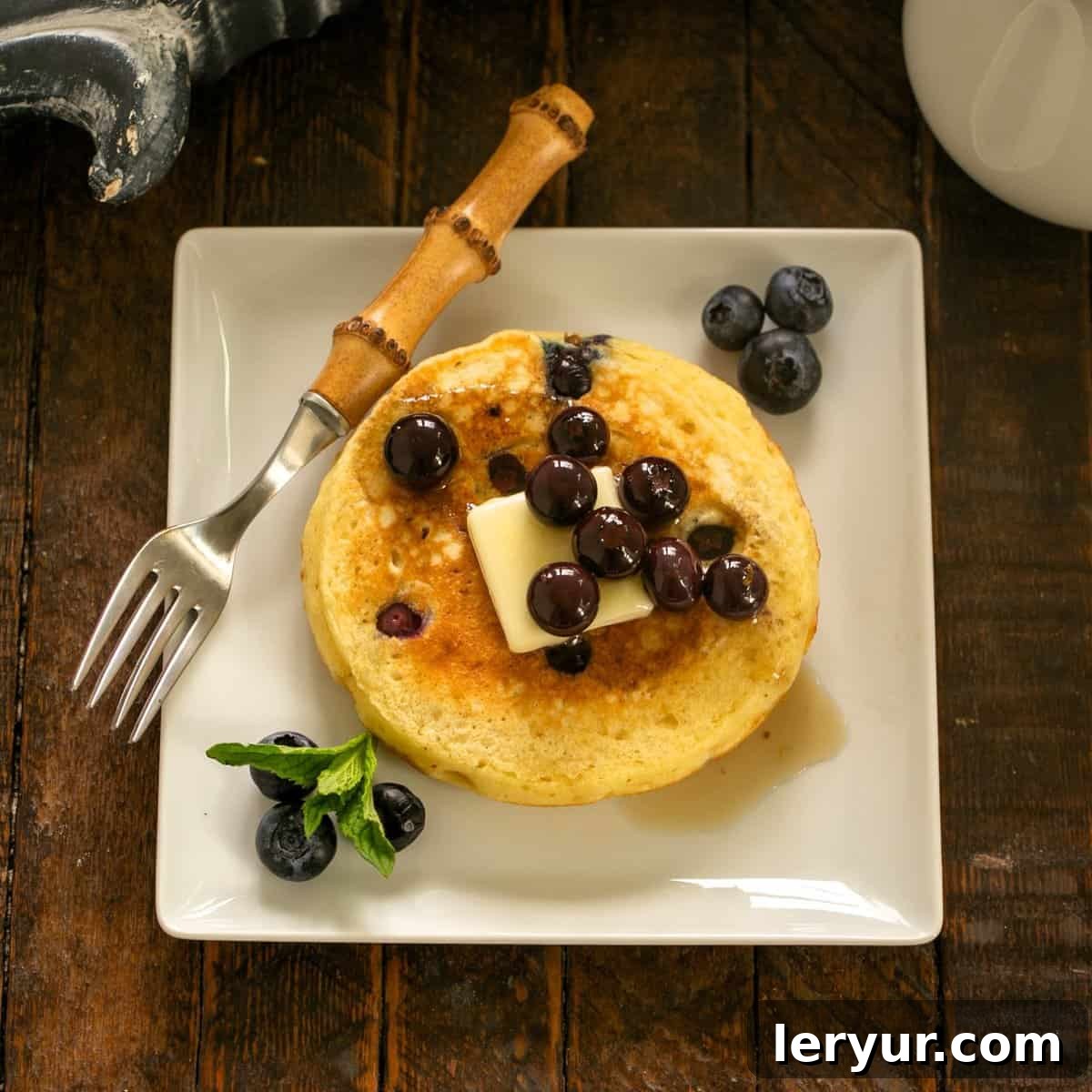
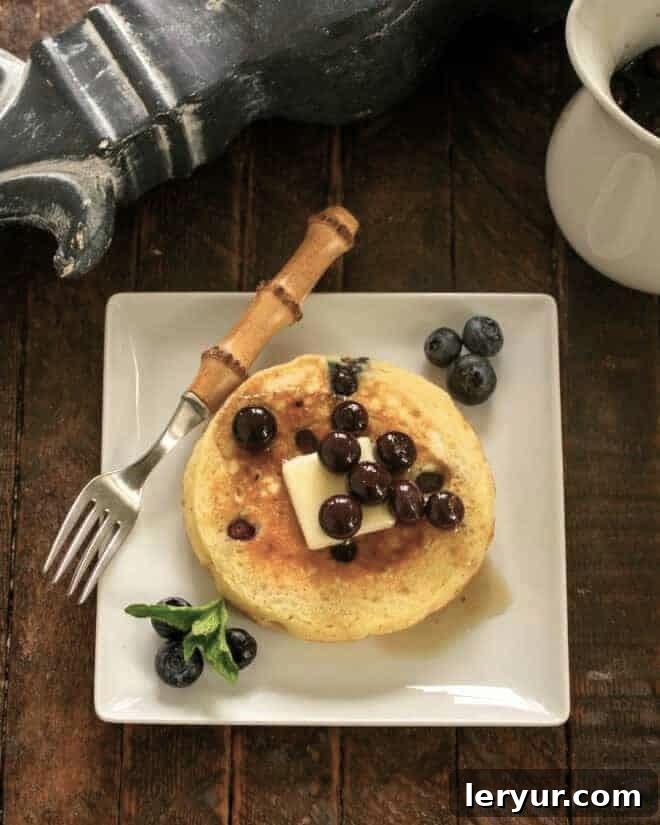
Experience breakfast perfection with these Best Fluffy Buttermilk Pancakes, exquisitely complemented by a luxurious Homemade Blueberry Maple Syrup. This isn’t just a recipe; it’s an invitation to rediscover the joy of real, from-scratch pancakes. Once you taste the difference that genuine buttermilk and fresh ingredients make, you’ll never consider a box mix again!
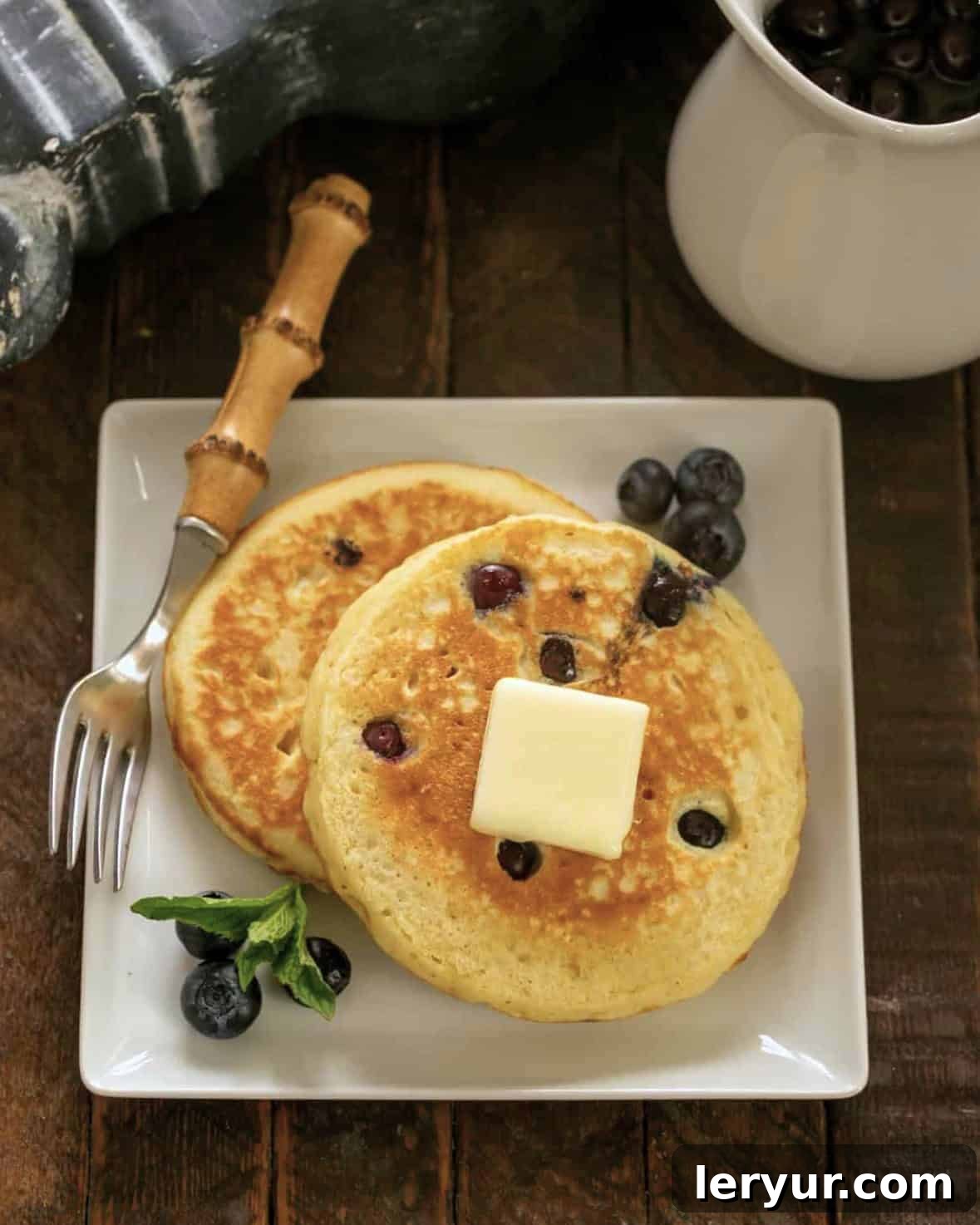
For an extra burst of fruity flavor, you can also gently fold fresh blueberries directly into the pancake batter before cooking, creating irresistible Blueberry Buttermilk Pancakes that are a true morning delight.
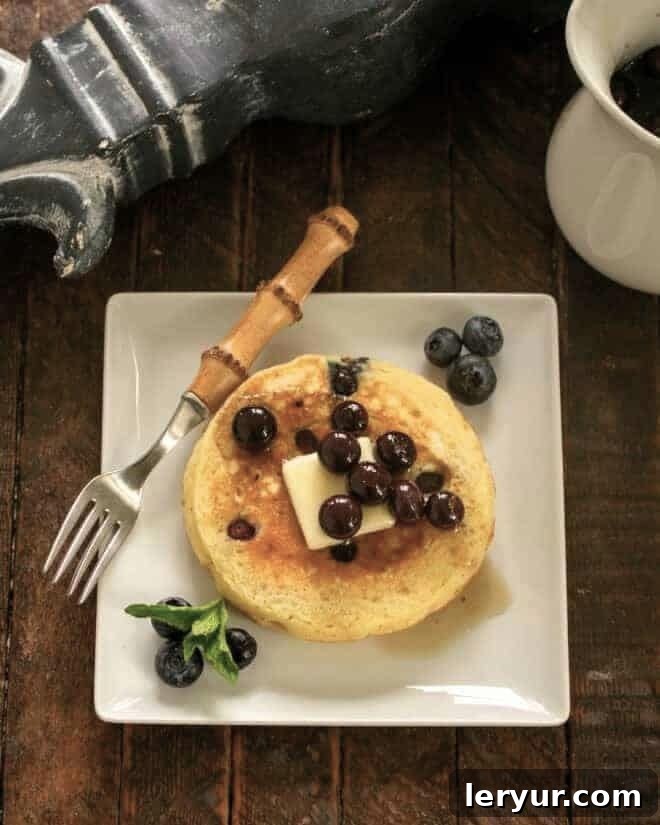
Why This Is Your New Go-To Buttermilk Pancake Recipe
Forget everything you thought you knew about pancake making. This cherished recipe, originating from our local Junior League cookbook, “Winners,” is renowned for a reason. It came to my attention years ago when a fellow home cook online hailed it as the quintessential pancake recipe. Intrigued, I typed it up and kept it in mind, and after countless batches, I can confirm: these pancakes truly live up to the hype.
- Effortless Ingredients: You’ll be amazed at how quickly these come together using common pantry staples, elevated only by the addition of fresh, plump blueberries. The batter itself takes mere minutes to prepare, making it perfect for a relaxed weekend morning or even a special weekday treat.
- Gourmet Blueberry Maple Syrup: What truly sets this recipe apart is the inclusion of a simple yet elegant blueberry maple syrup. This luscious, warm topping transforms an already delicious breakfast into a gourmet experience, adding a layer of sophisticated fruitiness that artificial syrups simply cannot match.
- Versatile Perfection: Whether you prefer them plain with classic maple syrup or crave the added sweetness and texture of blueberries, this recipe adapts beautifully. Mix some fresh berries directly into the batter for traditional blueberry pancakes, or serve them alongside the warm blueberry syrup for a double dose of flavor.
- Proven & Tested Excellence: This isn’t just any recipe; it’s a time-tested favorite from a respected community cookbook, celebrated for its consistent ability to produce perfectly tender, moist, and delightfully fluffy pancakes every time.
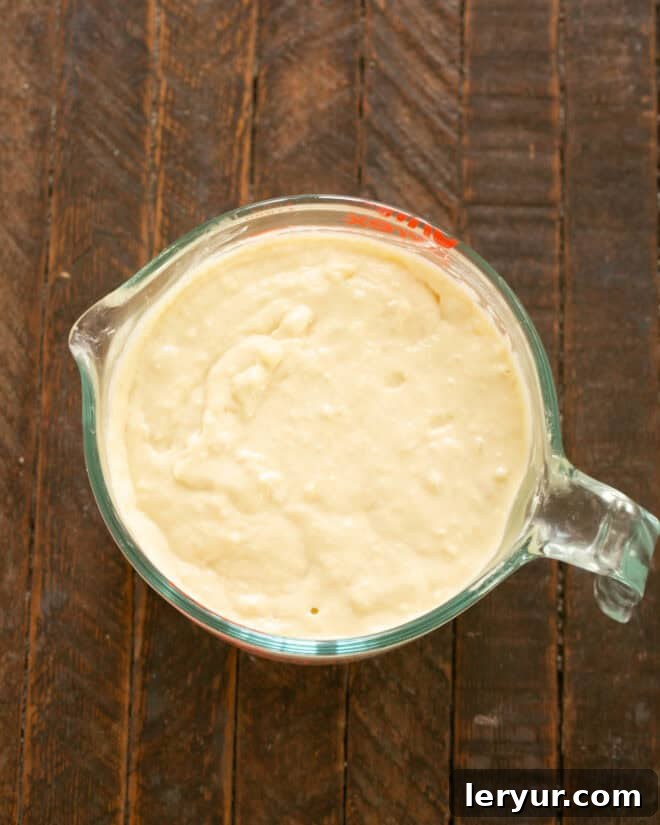
I recently revisited this beloved recipe to update its accompanying photos, inspired by a tip I saw on TV (perhaps on America’s Test Kitchen) about the magic of a slightly lumpy batter yielding thicker, more tender pancakes. Naturally, I had to put this theory to the test. The results? Absolutely transformative! The subtle lumps, a sign of perfectly mixed batter, indeed contribute to a superior pancake texture that’s light, airy, and incredibly satisfying.
Essential Ingredient Notes for Perfect Pancakes
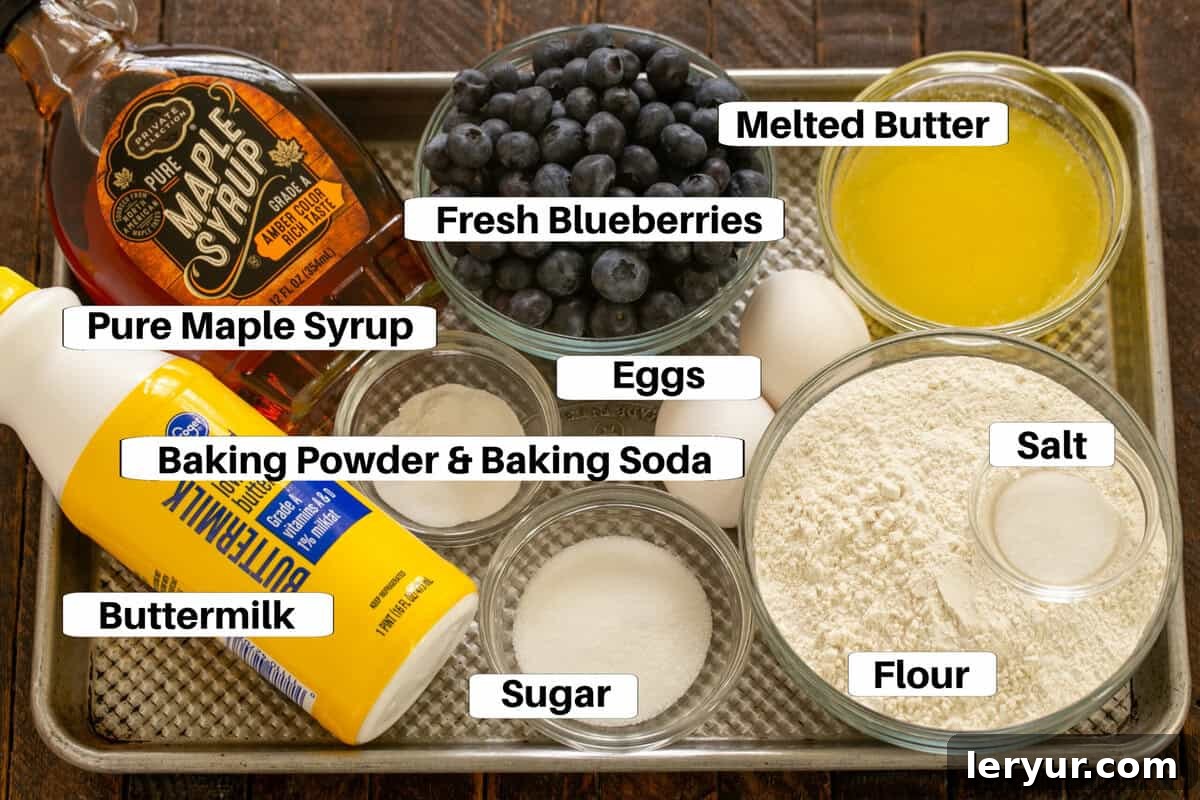
Crafting the perfect buttermilk pancake starts with understanding your ingredients. While many are kitchen staples, a few key details can elevate your results from good to absolutely outstanding:
- Kitchen Staples: You’ll need basic items like salt to balance flavors, granulated sugar for a touch of sweetness and browning, baking soda for lift, all-purpose flour (sifted for best results to avoid clumps and ensure a lighter texture), and unsalted butter, melted, for richness and moisture.
- Large Eggs: For optimal incorporation into the batter and to contribute to a smooth, cohesive mixture, ensure your eggs are at room temperature. This helps them emulsify more easily with other ingredients.
- Buttermilk: This is the star ingredient! Buttermilk’s natural acidity reacts with the baking soda, creating carbon dioxide bubbles that give pancakes their signature rise and fluffiness. Beyond leavening, the acid also tenderizes the gluten in the flour, resulting in incredibly soft and moist pancakes with a subtle, delightful tang. Don’t skip it – it’s crucial for the texture and flavor profile.
- Baking Powder: Used in conjunction with baking soda, baking powder provides an additional leavening boost. It’s vital to check the expiration date on your can, as baking powder often loses its potency faster than baking soda due to its double-acting nature. A quick test: if a spoonful in hot water doesn’t bubble vigorously, it’s time for a fresh can.
- Real Maple Syrup: When it comes to the topping, compromise is not an option. Always opt for pure, real maple syrup. Artificially flavored brands, like Log Cabin, lack the depth, complexity, and natural sweetness that genuine maple syrup brings. The difference in taste is profound and truly makes your blueberry syrup shine.
- Fresh Blueberries: For the best flavor and texture in your syrup (or mixed into your batter), select plump, firm blueberries that are free of blemishes. A light, silvery frost on their surface is a sign of freshness. Frozen blueberries can be used in a pinch, but fresh berries offer superior results for both taste and visual appeal.
How to Make the Best Buttermilk Pancakes (Step-by-Step)
Follow these simple steps to create a stack of perfectly golden, fluffy buttermilk pancakes and a sweet, fruity blueberry maple syrup that will make any morning special.
Expert Tips for Unbelievably Fluffy Buttermilk Pancakes
Achieving pancake perfection is all about understanding a few key techniques. These expert tips will help ensure your buttermilk pancakes are consistently light, airy, and delicious:
- Check Your Leavening Agents: This recipe cleverly utilizes both baking powder and baking soda for maximum lift. Remember that baking powder often has a shorter shelf life than baking soda. Always check the expiration date, and if in doubt, test your baking powder by mixing a spoonful with a few tablespoons of hot water – active powder will fizz vigorously.
- Room Temperature Eggs: For the smoothest batter and best emulsification, allow your eggs to come to room temperature before mixing. This helps them incorporate more evenly with the other liquids, leading to a more consistent batter.
- Let the Batter Rest: Don’t rush it! After mixing, let your pancake batter rest for 10-15 minutes. This crucial resting time allows the flour to fully hydrate and the gluten to relax. The result? More tender, fluffier pancakes with a superior texture.
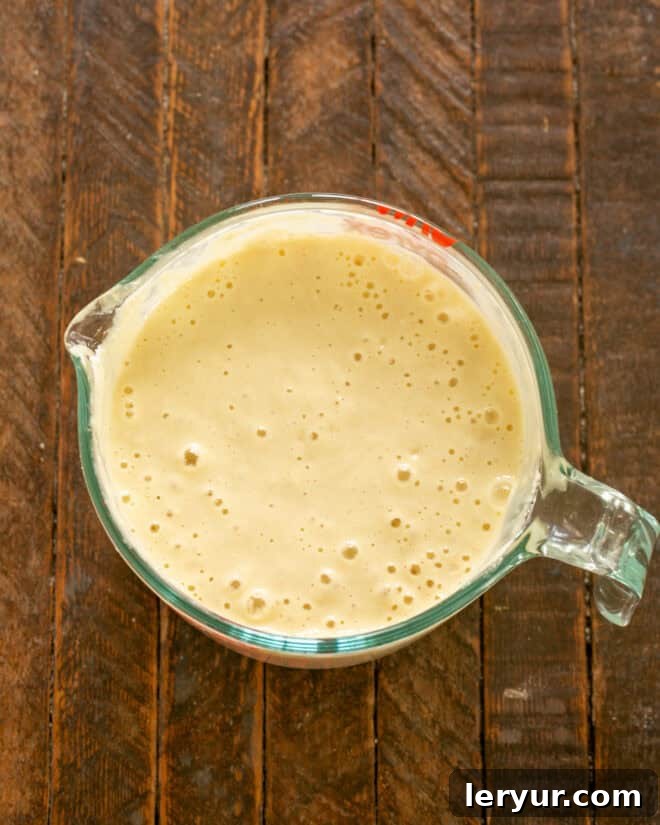
- Embrace the Lumps: Resist the urge to overmix! Your batter should be slightly lumpy. Over-mixing develops the gluten too much, leading to tough, chewy pancakes instead of light, tender ones. While you shouldn’t see large pockets of dry flour, small lumps are perfectly normal and desirable.
- Master the Heat: Cook your pancakes over medium heat, not too high and not too low. Too high, and they’ll burn on the outside before cooking through; too low, and they’ll be pale and potentially tough. A perfectly heated griddle will create a beautiful golden-brown crust.
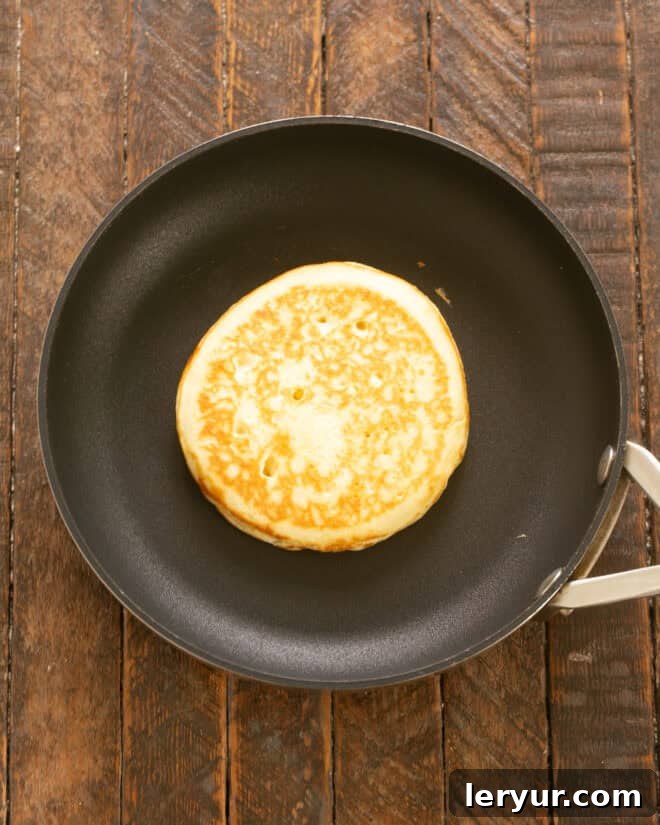
- Know When to Flip: Patience is key! Flip your pancakes when you see tell-tale bubbles appearing and bursting on the surface, the edges look set and slightly dry, and the undersides have turned a beautiful golden brown. This usually takes 2-3 minutes per side.
I recall one particular Sunday morning when my husband, a creature of habit with his weekend breakfast routine, experienced a moment of genuine panic: “NO BISQUICK!” His Sundays usually involve either French toast, eggs, waffles, or pancakes, always accompanied by bacon. That day, his heart was set on pancakes.
Being, of course, the best darn wife in the world (he doesn’t read my blog, but his office does, so my proclamation will surely reach him, haha!), I quickly sprang into action. He’ll never know how incredibly simple and quick these homemade buttermilk pancakes are to whip up. Shhh, it’s our little secret how effortlessly this “gourmet” breakfast comes together.
Frequently Asked Questions About Buttermilk Pancakes
What Makes Buttermilk Pancakes Better Than Regular Pancakes?
The primary difference lies in the buttermilk itself. Its acidity actively reacts with the baking soda in the batter, producing carbon dioxide bubbles that result in significantly taller, fluffier pancakes. Beyond the incredible lift, this acidity also works to gently break down the gluten strands in the flour, ensuring each bite is incredibly tender and moist, rather than tough or chewy. As an added bonus, buttermilk imparts a subtle, pleasing tang that adds complexity to the flavor profile, making for a truly superior pancake experience.
What Can I Use if I Don’t Have Buttermilk?
While genuine buttermilk is recommended for its unique flavor and texture contributions, you can easily create a suitable substitute at home. For 1 cup of buttermilk, measure 1 cup of regular milk (dairy or non-dairy) and remove 1 tablespoon. Then, add 1 tablespoon of either fresh lemon juice or white vinegar to the milk. Stir it gently and let it sit for about 5-10 minutes. You’ll notice it begin to curdle and thicken slightly. Give it another quick stir, and it’s ready to be used in your recipe. You could also substitute with an equal amount of thinned-out plain yogurt or sour cream, but the milk-and-acid method is the most straightforward for a direct buttermilk replacement.
Does Buttermilk Pancake Batter Need to Rest?
Yes, allowing the batter to rest is highly recommended and contributes significantly to the quality of your pancakes, though it’s not strictly “necessary” if you’re truly short on time. A resting period of 10-15 minutes (or even up to 30 minutes) serves two crucial purposes: First, it gives the flour ample time to fully hydrate, resulting in a more uniform batter and preventing dry, floury spots. Second, it allows the gluten, which was activated during mixing, to relax. Relaxed gluten yields far more tender, soft, and fluffy pancakes, as opposed to chewy or dense ones. It’s a simple step that makes a noticeable difference.
Is It OK for Pancake Batter to Be Lumpy?
Absolutely, in fact, it’s preferable! You definitely want your pancake batter to have some small lumps. The golden rule of pancake making is to avoid over-mixing. Vigorously whisking or beating the batter develops the gluten in the flour too much, which can lead to tough, rubbery pancakes that won’t rise as well. While you should ensure there are no large pockets of dry flour, small lumps indicate that you’ve mixed just enough to combine the ingredients without overworking the gluten. Embrace the lumps for tender, fluffy results!
How Hot Should Your Pan Be When Cooking Pancakes?
The ideal temperature for cooking pancakes on a pan or griddle is around 350°F (175°C). If you don’t have a thermometer, you can test the temperature by flicking a small drop of water onto the heated surface. If it immediately sizzles, dances, and evaporates within a couple of seconds, your pan is ready. If it just sits there or disappears too quickly with a sharp crackle, adjust the heat accordingly. A properly heated pan ensures an even golden-brown crust without burning the exterior or leaving the interior undercooked.
Can You Freeze Leftover Pancakes?
Yes, leftover pancakes freeze beautifully, making them perfect for meal prepping a quick breakfast! To freeze them, allow the pancakes to cool completely. Then, stack them with layers of wax paper or parchment paper in between each pancake to prevent them from sticking together. Wrap the stack tightly in plastic wrap, then place it inside a freezer-safe zip-top bag or an airtight container. They will maintain their quality in the freezer for up to 2 months. To reheat, simply place them in a 250°F (120°C) oven until warmed through, or pop them in the toaster or microwave for a quicker option.
Discover More Delicious Breakfast and Brunch Recipes
- Sourdough Pancakes from Tastes of Lizzy T
- Dutch Baby Pancakes
- Classic Buttermilk Pancakes
- Fresh Corn Pancakes
- Blueberry Cream Cheese Muffins
- Explore more Easy Breakfast Recipes for every occasion.
Stay connected and share your culinary creations with me! Find me on Instagram, Facebook, and Pinterest. Don’t forget to tag me (@thatskinnychickcanbake) when you try one of my recipes! If you love the results, please consider giving it a 5-star rating in the recipe card below – your feedback means the world.
The Ultimate Recipe:
Buttermilk Pancakes with Blueberry Maple Syrup
10 minutes
5 minutes
15 minutes
12 pancakes
The best darn buttermilk pancakes you’ll ever make, truly from scratch and incredibly fluffy!
Rating: 5 out of 5 stars based on 13 reviews.
Ingredients
For the Fluffy Buttermilk Pancakes:
- 2 large eggs, at room temperature
- 1 teaspoon salt
- 2 tablespoons granulated sugar
- 2 cups buttermilk
- 1 teaspoon baking soda
- 1 ¼ teaspoons baking powder (check freshness!)
- 2 cups all-purpose flour, sifted
- 6 tablespoons unsalted butter, melted
For the Homemade Blueberry Maple Syrup:
- 1 cup pure maple syrup
- 1 cup fresh or frozen blueberries
Instructions
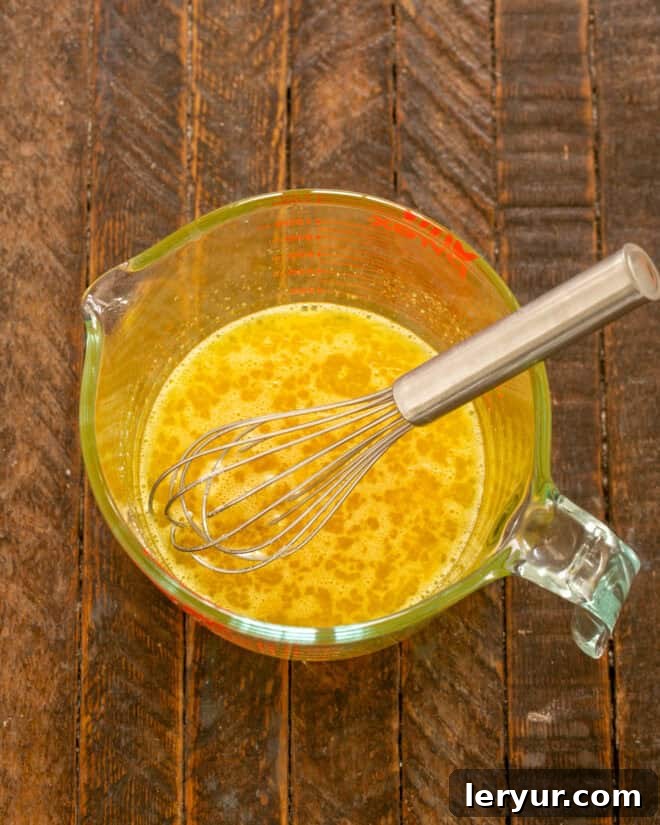
- Prepare the Wet Ingredients: In a large mixing bowl, lightly beat the room temperature eggs. Stir in the salt and sugar until well combined. Gradually whisk in the buttermilk until just incorporated.
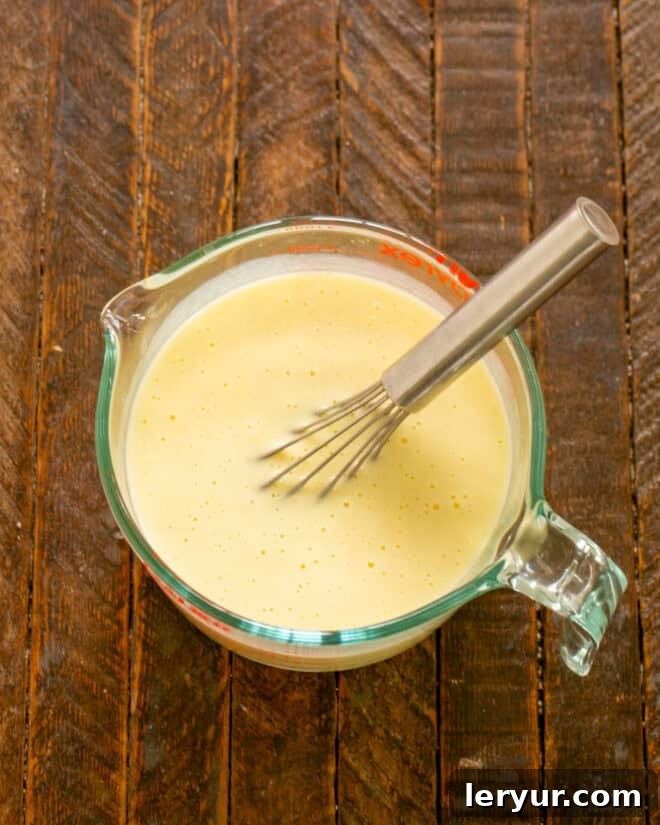
- Combine Dry Ingredients: In a separate medium bowl, whisk together the sifted flour, baking soda, and baking powder.
- Form the Batter: Add the dry ingredients to the wet ingredients. Stir gently with a whisk or spatula until just combined. The batter should be slightly lumpy; avoid overmixing to ensure tender pancakes.
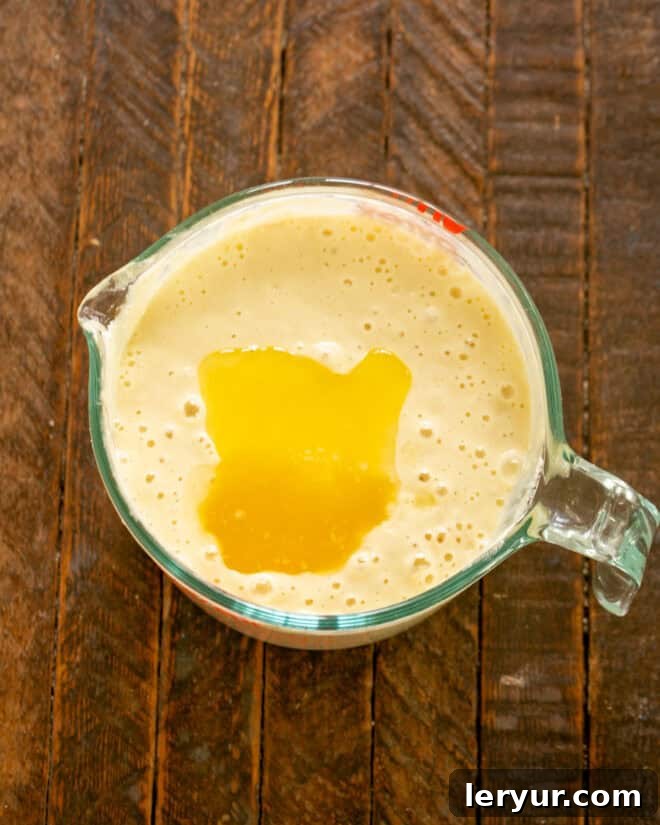
- Add Melted Butter: Fold in the melted butter until it’s evenly distributed throughout the batter. Let the batter rest for 10-15 minutes at room temperature while you prepare your griddle.
- Cook the Pancakes: Heat a lightly greased griddle or large skillet over medium heat (approximately 350°F / 175°C). Pour or scoop about ¼ cup of batter per pancake onto the hot surface, aiming for 4-inch diameter pancakes.
- Flip and Finish: Cook for 2-3 minutes, or until bubbles appear on the surface and begin to break, and the edges look set. Flip the pancakes and cook for another 1-2 minutes, or until the bottom is golden brown and cooked through. Transfer cooked pancakes to a plate and keep warm while you cook the remaining batter.
To Make the Blueberry Maple Syrup:
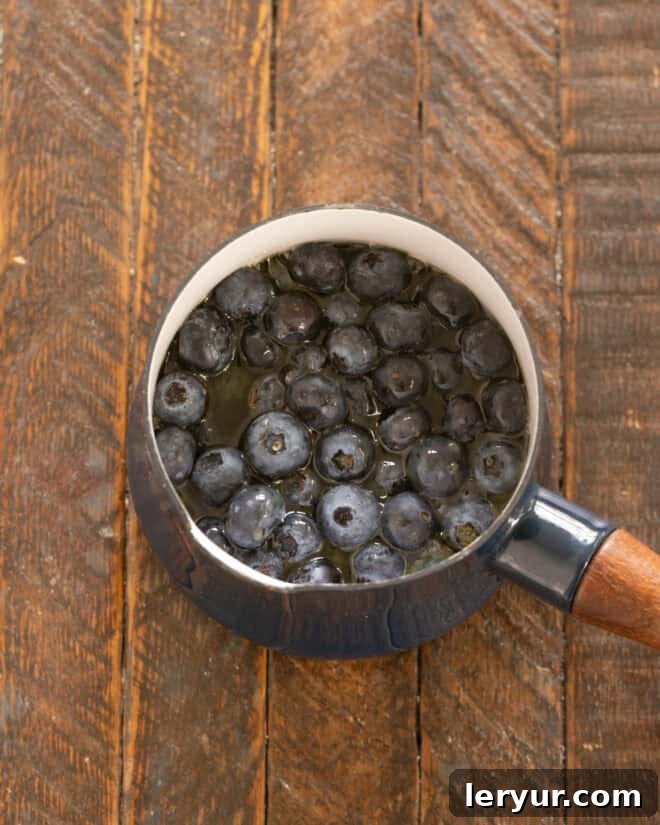
- Combine and Heat: In a small saucepan, combine the pure maple syrup and blueberries.
- Simmer to Perfection: Bring the mixture to a gentle boil over medium heat, then reduce the heat to a simmer. Cook for 10-15 minutes, stirring occasionally, until the blueberries have softened and released their juices, and the syrup has slightly thickened.
- Serve: You can serve the syrup as is for a rustic texture, or for a smoother syrup, gently mash some of the blueberries or strain the solids out if desired.
Notes and Pro Tips:
This exquisite pancake recipe is adapted from the highly regarded “Winners” cookbook, a testament to its enduring appeal.
Baking Powder Freshness: As a crucial leavening agent, ensure your baking powder is fresh. It loses potency over time, more quickly than baking soda. Test its activity by mixing a small amount with hot water; vigorous bubbling indicates it’s still effective.
Buttermilk Substitution: If you don’t have buttermilk, create a homemade version by adding 1 tablespoon of lemon juice or white vinegar to a liquid measuring cup, then filling the rest of the cup with regular milk to the 1-cup mark. Let it sit for 5 minutes before using.
Storing Leftovers: Cooled leftover pancakes can be stored in an airtight container in the refrigerator for up to 3 days, or frozen for up to 2 months (separated by parchment paper). Reheat gently in a toaster, microwave, or warm oven.
Nutrition Information:
Yield:
6 servings (2 pancakes per serving)
Serving Size:
2 pancakes
Amount Per Serving:
Calories: 481
Total Fat: 14g
Saturated Fat: 8g
Trans Fat: 0g
Unsaturated Fat: 5g
Cholesterol: 96mg
Sodium: 942mg
Carbohydrates: 80g
Fiber: 2g
Sugar: 43g
Protein: 9g
Loved This Recipe? Share It!
Help spread the joy of homemade pancakes! Share your creation on social media or save it to your Pinterest board.