
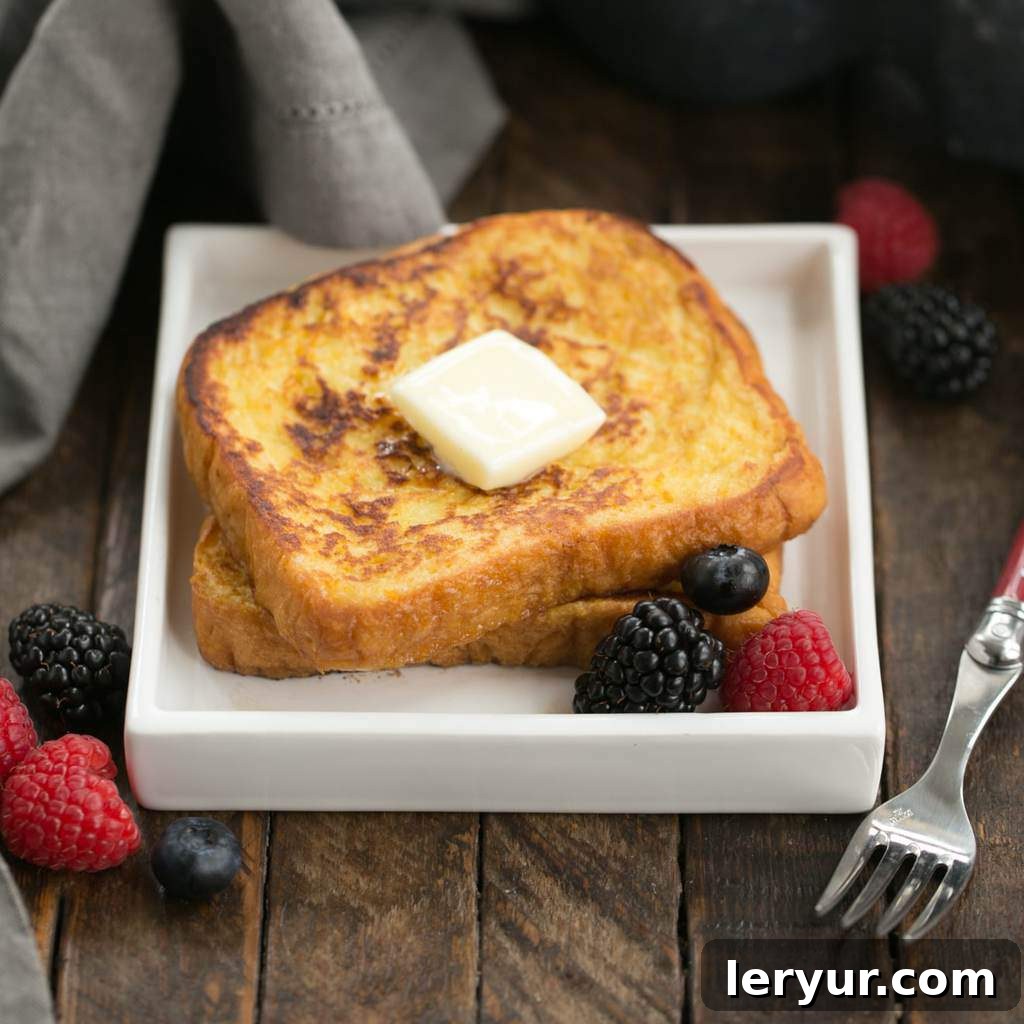
Indulge in a truly exquisite breakfast or brunch experience with this incredible Grand Marnier French Toast. Far from your everyday morning meal, this recipe elevates the classic comfort food to an elegant culinary delight, infused with the subtle yet distinctive notes of orange liqueur. It’s a dish that promises to transform an ordinary gathering into a memorable celebration, perfect for special occasions or simply when you desire a touch of gourmet luxury at your breakfast table.
While many find joy in pancakes or waffles, there’s something uniquely comforting and deeply satisfying about a perfectly prepared slice of homemade French Toast. It evokes nostalgic memories of cozy Sunday mornings and family traditions. My mother’s classic recipe, a simple blend of eggs, milk, and a whisper of nutmeg on plain sandwich bread, laid the foundation for my love of this dish. But today, we’re taking that beloved memory and enhancing it significantly. By swapping everyday bread for rich, buttery brioche and introducing the sophisticated essence of Grand Marnier, we unlock a whole new dimension of flavor and texture that is utterly irresistible.

Why This Grand Marnier French Toast Will Become Your Favorite Brunch Recipe
This isn’t just another French Toast recipe; it’s an elevated experience designed to impress. Here’s why this particular rendition stands head and shoulders above the rest:
- Subtle Flavor Enhancement with Grand Marnier: The star ingredient, Grand Marnier, along with fresh orange zest, introduces a sophisticated citrus aroma and flavor that perfectly complements the rich custard. Unlike an overwhelming orange punch, it’s a nuanced addition that brightens every bite, adding a layer of complexity without dominating the classic French Toast essence.
- Superior Texture with Brioche: Forget soggy bread. Using sturdy, rich brioche is a game-changer. Its slightly dense yet tender crumb absorbs the custard beautifully without disintegrating, resulting in a perfectly moist interior and a delightfully crisp exterior when cooked. Challah or other robust breads also work wonderfully, ensuring your French Toast holds its shape and delivers a satisfying bite.
- Luxuriously Rich and Eggy Custard: This recipe prioritizes a decadent custard. Opting for half-and-half or even a splash of heavy cream instead of regular milk significantly increases the richness, creating a velvety, eggy coating that transforms the bread into a truly indulgent treat. Every mouthful feels opulent and comforting.
- Effortless Elegance for Any Occasion: Despite its gourmet appeal, this Grand Marnier French Toast is surprisingly easy to prepare. It’s elegant enough to serve to weekend guests, making a stunning impression for Mother’s Day, Easter, or any festive brunch. Yet, the straightforward steps mean you won’t be stressed in the kitchen, allowing you to enjoy your company and the delicious results.
- A Double Dose of Orange Delight: For those who adore citrus, this recipe offers a harmonious blend of freshly grated orange zest and the Grand Marnier. This dual approach ensures a vibrant, natural orange flavor that permeates the French Toast, making it an irresistible morning treat that truly stands out.
The Origins of a Classic: Pain Perdu
French Toast, known as “Pain Perdu” in France (meaning “lost bread”), has a rich history that speaks to its resourceful origins. The dish was traditionally a brilliant way to revive stale bread that would otherwise be discarded. Instead of being lost, the bread found new life, soaked in a sweet, eggy mixture and fried to golden perfection. While some tales trace its lineage back to ancient Rome or even King Henry V, the core concept remains the same: transforming simple, readily available ingredients into something truly special.
Our Grand Marnier French Toast pays homage to this heritage while elevating it with premium ingredients and sophisticated flavors. It embraces the spirit of “pain perdu” by utilizing sturdy, slightly stale bread for optimal absorption, ensuring a luxurious texture that is never soggy. This modern twist honors tradition while introducing a fresh, exciting dimension to a timeless favorite.
What Our Readers Are Saying:
“This is THE best French Toast I have ever made. I set my thick-cut bread out overnight and it held the custard and kept its shape perfectly! This is a keeper, thank you for posting!”
Step-by-Step Guide to Perfect Grand Marnier French Toast
Creating this elegant French Toast is simpler than you might think. Follow these steps for consistently delicious results:
- Prepare Your Bread for Optimal Absorption: Begin with high-quality, sturdy bread like brioche or challah. The key is to ensure it’s slightly stale, or at least a day old. If your bread is very fresh and soft, slice it about ¾ to 1-inch thick and spread the slices out on your kitchen counter for an hour or two to air dry, flipping once. This crucial step allows the bread to absorb more of the rich custard without becoming mushy, resulting in a perfectly tender interior.
- Whisk Together the Decadent Custard: In a shallow dish or pie plate, whisk together your eggs and either whole milk or half-and-half. For an even richer result, half-and-half is highly recommended. Incorporate the pinch of salt, a generous teaspoon of pure vanilla extract, the sugar, finely grated orange zest, and, if using, the Grand Marnier. Whisk until all ingredients are well combined and the mixture is smooth and slightly frothy.
- Preheat Your Skillet and Butter: Place a large skillet or griddle over medium heat. Allow it to heat thoroughly, then add a tablespoon of butter, letting it melt and coat the bottom of the pan evenly. You want the butter to be shimmering, but not browning too quickly, which indicates the heat is too high.
- Dip the Bread with Precision: Gently place a slice of prepared bread into the egg and milk mixture. Allow it to soak for about 15-30 seconds per side, depending on the staleness and thickness of your bread. The goal is for the bread to be fully saturated but not waterlogged. Lift the bread, letting any excess custard drip back into the dish.
- Cook to Golden Perfection: Carefully transfer the soaked bread to the preheated skillet. Cook for 3-4 minutes per side, or until each side is beautifully golden brown and cooked through. The exact timing will depend on your stove and the thickness of the bread. Repeat this process with the remaining slices, adding more butter to the pan as needed to prevent sticking and ensure even browning.
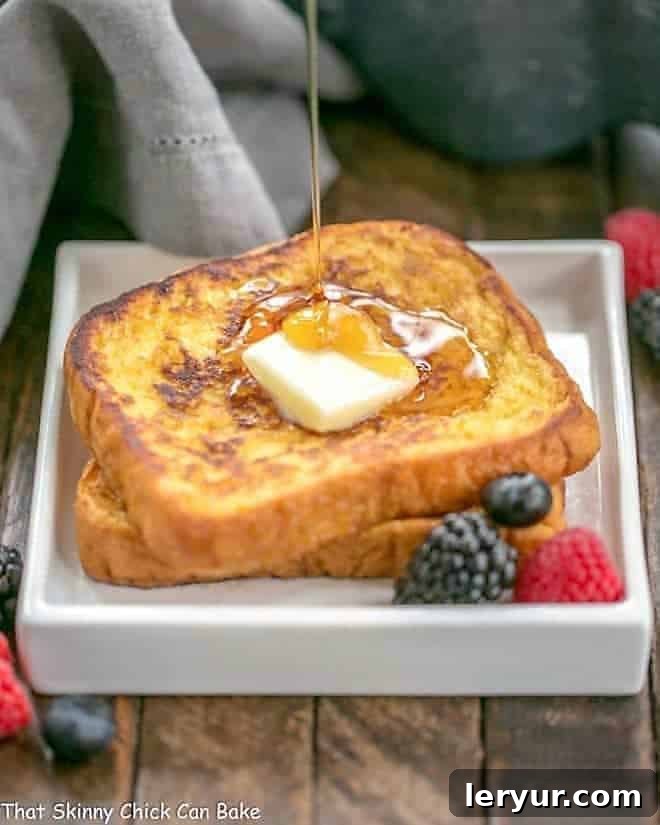
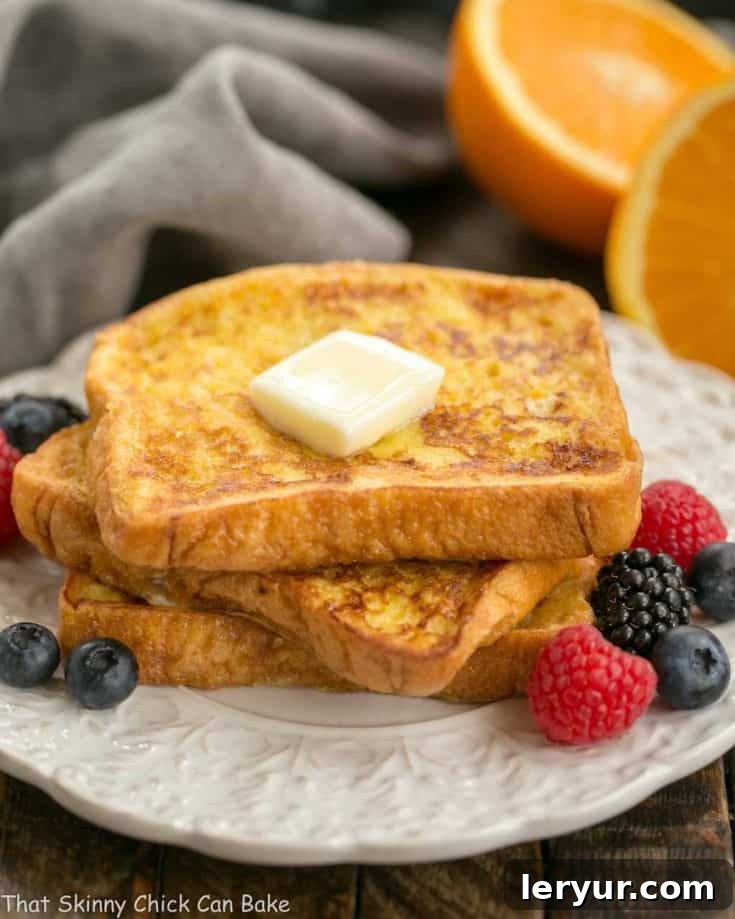
- Serve Immediately with Elegant Toppings: French Toast is best enjoyed hot, straight from the pan. Arrange the slices on plates and serve with a pat of butter, warm maple syrup, a dusting of powdered sugar, and a scattering of fresh berries like raspberries, blueberries, or sliced strawberries. For an extra touch of flair, garnish with a fresh orange slice or a little extra zest.
Essential Ingredients for Flawless French Toast
The secret to exceptional Grand Marnier French Toast lies in selecting the right ingredients. Here’s a closer look at what you’ll need:
- Kitchen Staples: You’ll need basic pantry items such as fresh large eggs, a pinch of salt (to balance the sweetness and enhance flavor), unsalted butter for cooking, and granulated sugar for the custard.
- Whole Milk or Half-and-Half: For a truly rich and creamy custard, opt for whole milk or, even better, half-and-half. The higher fat content contributes to a more luxurious texture and mouthfeel in the finished French Toast. Avoid skim milk, as it will result in a much thinner, less flavorful custard.
- Pure Vanilla Extract: Always reach for real vanilla extract. Its deep, aromatic notes are essential for the classic French Toast flavor. Artificial vanilla flavoring simply cannot compare and will detract from the overall quality of the dish.
- Fresh Orange Zest: Finely grated zest from a fresh orange provides a burst of natural citrus aroma and flavor. Avoid using dried orange zest from a jar, as it lacks the vibrant essential oils and fresh taste that makes this dish special. A microplane zester works perfectly for this task.
- Grand Marnier (or alternative orange liqueur): This premium orange liqueur is what truly sets this French Toast apart. It introduces a sophisticated, bittersweet orange flavor that beautifully complements the sweet custard. While most of the alcohol will evaporate during cooking, you can omit it if you prefer. Excellent alternatives include Cointreau or Triple Sec, both offering similar orange notes.
- Sturdy Bread (Brioche, Challah, or Day-Old Baguette): The type of bread you choose is paramount. Soft, fresh sandwich bread tends to fall apart and get soggy. Instead, opt for a sturdy, slightly stale bread that can absorb the custard without losing its structure. Brioche, with its buttery richness, is the top choice for its tender crumb and ability to hold up beautifully. Challah, another eggy and rich bread, is also excellent. Even a day-old baguette, sliced thickly, can work wonders.
Expert Tips for Unforgettable Grand Marnier French Toast
Achieving French Toast perfection is within your reach with these expert tips:
- Embrace “Pain Perdu”: The French term for French Toast, “Pain Perdu” or “lost bread,” hints at the ideal bread choice. Stale bread isn’t just a suggestion; it’s a secret weapon. Day-old bread has dried out slightly, creating tiny pockets that readily soak up the custard without turning mushy.
- The Right Bread Makes All the Difference: As mentioned, sturdy bread is key. While brioche and challah are exceptional choices due to their rich, dense crumb, don’t overlook other options. A rustic sourdough or even thick-sliced Texas toast can provide a good foundation. The goal is a bread that can withstand soaking without disintegrating.
- A Nod to History with Orange Liqueur: Adding a French orange liqueur like Grand Marnier is a natural and elegant progression for this classic dish. French Toast has a storied past, and incorporating a touch of French sophistication elevates it to new heights, making it a truly gourmet experience.
- Mastering the Art of Dipping: The dipping process is crucial. It requires a delicate balance—too long, and the bread will become oversaturated and fall apart; too short, and it won’t absorb enough flavor. Aim for a quick dip, about 15-30 seconds per side for most bread types. You want the bread to feel heavy and saturated but still hold its shape.
- Don’t Overcrowd the Pan: Cook French Toast in batches, ensuring there’s enough space between slices in the skillet. Overcrowding lowers the pan’s temperature, leading to uneven cooking and steaming instead of crisping.
- Keep Warm While You Cook: To serve all your French Toast hot, preheat your oven to a low temperature (around 200°F or 95°C). As each batch finishes cooking, transfer the slices to a baking sheet and keep them warm in the oven until you’re ready to serve.
- The Longevity of Flavor: Just as “Pain Perdu” has stood the test of time, the delightful flavors of this Grand Marnier French Toast, with its balanced sweetness and citrus notes, are sure to make it a timeless favorite in your household.

Frequently Asked Questions About French Toast
At its core, French Toast batter is a simple mixture of eggs and milk. However, for a richer, more luxurious experience, you can elevate it by using half-and-half or even a touch of heavy cream instead of regular milk. Common additions for flavor include sugar, pure vanilla extract, a pinch of salt, and spices like nutmeg or cinnamon. For our Grand Marnier version, fresh orange zest and orange liqueur are added to create a unique citrus profile.
For the ideal French Toast, aim for bread slices that are approximately ¾ to 1-inch thick. This thickness provides a substantial piece of bread that can absorb plenty of the custard without becoming too flimsy or falling apart. Thicker slices also result in a more satisfying, tender interior texture after cooking.
The soaking time largely depends on the type and freshness of your bread. For sturdy, slightly stale bread like brioche or challah, a brief soak of about 15-30 seconds per side is often sufficient. The goal is for the bread to be fully saturated with the custard but not waterlogged. If the bread is very dense, you might soak it a little longer, but always check to ensure it’s firm enough to handle without breaking.
Preventing soggy French Toast is crucial for a perfect texture. Key strategies include using sturdy, slightly stale bread, avoiding oversoaking the bread in the custard, ensuring your custard isn’t too thin (e.g., using half-and-half instead of skim milk), and cooking the French Toast thoroughly over medium heat until golden brown on both sides and cooked through in the center.
Absolutely! You can prepare the French Toast custard a day in advance. Simply whisk all the ingredients together, cover it tightly, and store it in the refrigerator. This allows the flavors to meld beautifully and makes morning preparation even quicker. Just give it a quick whisk again before dipping your bread.
Explore More Delicious Brunch Recipes:
- Sugar-Crusted French Toast
- Raspberry Mascarpone French Toast Casserole
- Sausage Croissant French Toast Casserole
- Overnight Cinnamon Bread French Toast
- Pumpkin French Toast
- Plus, a wide array of Brunch Recipes
Stay connected with us for more delectable recipes and culinary inspiration! Follow us on Instagram, Facebook, and Pinterest. We love seeing your creations, so don’t forget to tag us when you try one of our recipes! If you enjoyed this Grand Marnier French Toast, please consider leaving a 5-star rating and comment.
Grand Marnier French Toast Recipe
The Recipe:
Grand Marnier French Toast
10 minutes
10 minutes
20 minutes
2 servings
A delicious, double dose of orange added to this classic breakfast dish.
Ingredients
- 2 large eggs
- ½ cup whole milk or half and half
- Dash of salt
- 1 teaspoon pure vanilla extract
- ½ teaspoon finely grated orange zest
- 1 tablespoon granulated sugar
- 1 tablespoon Grand Marnier, optional (see notes below)*
- 4 slices Brioche, Challah, or another sturdy bread (stale bread preferred)
- 1 tablespoon unsalted butter
Instructions
- In a shallow bowl or Pyrex pie plate, whisk together eggs and milk (or half and half). Add the salt, vanilla, orange zest, sugar, and Grand Marnier (if using). Whisk until well combined.
- Melt the butter in a large skillet or on a griddle over medium heat until shimmering.
- Dip one slice of bread into the egg mixture briefly, allowing it to soak for about 15-30 seconds per side, ensuring it’s saturated but not overly soggy.
- Place the soaked bread in the hot skillet. Cook for 3-4 minutes per side, or until lightly golden brown and cooked through. Repeat with remaining bread slices, adding more butter as needed.
- Serve immediately with your favorite toppings such as butter, warm maple syrup, powdered sugar, and/or fresh berries.
Notes
*The small amount of Grand Marnier will mostly evaporate during the cooking process. However, if serving to children or individuals who prefer to avoid alcoholic beverages, you may omit it entirely.
Recommended Products
As an Amazon Associate and member of other affiliate programs, I earn from qualifying purchases.
- Real Maple Syrup
- Flat Whisk
- Ceramic pie plate
Nutrition Information:
Yield:
2
Serving Size:
2 slices
Amount Per Serving (estimated):
Calories: 780Total Fat: 39gSaturated Fat: 22gTrans Fat: 1gUnsaturated Fat: 15gCholesterol: 407mgSodium: 874mgCarbohydrates: 79gFiber: 3gSugar: 22gProtein: 23g
This nutritional information is an estimate only, provided as a courtesy. Figures may vary based on specific brands and ingredients used. To obtain the most accurate nutritional data, please calculate with the actual ingredients used in your recipe.