
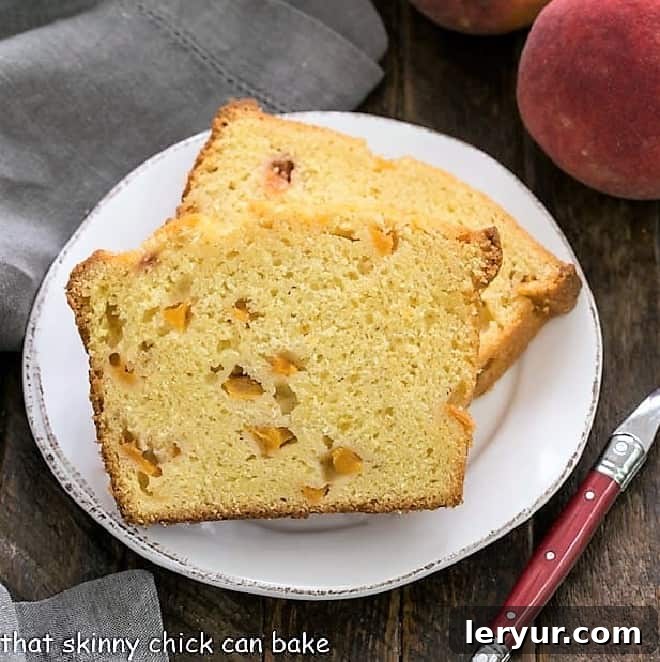
Imagine a kitchen filled with the sweet, intoxicating aroma of perfectly ripe Georgia peaches. That’s precisely the inspiration behind this incredibly dense, remarkably flavorful Glazed Peach Pound Cake – a truly delectable way to savor the vibrant essence of summer’s most cherished fruit!
This exquisite Peach Pound Cake Recipe proved to be an absolute sensation at our recent summer book club gathering. In those unique pandemic times, we enjoyed our dinner spread across the spacious backyard, each friend bringing a delightful picnic-style dish. My contribution? The dessert, of course, and this cake stole the show!
Why This Glazed Peach Pound Cake is a Must-Bake This Season
When the New York Times published their recipe for peach pound cake, it immediately captured my attention and soared to the top of my baking queue. Having already celebrated peach season with two rustic peach cobblers, an elegant peach galette, and a classic peach pie, one might think my peach appetite would be sated. But my family, like me, simply adores the sweet, juicy bounty of fresh summer peaches, so any trepidation about another peach dessert quickly vanished. This recipe, specifically, stands out for several compelling reasons:
- Inspired by Culinary Excellence: The original inspiration for this peach pound cake comes from the renowned New York Times, ensuring a foundation of quality and expertly tested techniques. We’ve adapted it slightly to make it even more accessible and flavorful for home bakers.
- Celebrates Seasonal Freshness: There’s no better way to honor the peak of peach season than by incorporating these golden beauties into a truly special dessert. This cake is designed to highlight the natural sweetness and vibrant aroma of fresh, ripe peaches, transforming them into a comforting yet sophisticated treat.
- The Perfect Size for Sharing (or Not!): If you’re often searching for a delicious cake recipe that doesn’t yield an enormous, overwhelming dessert, this pound cake hits all the right notes. Its loaf pan format makes it ideal for smaller gatherings, intimate dinners, or simply for enjoying a slice (or two!) throughout the week. It’s substantial enough to satisfy but perfectly manageable.
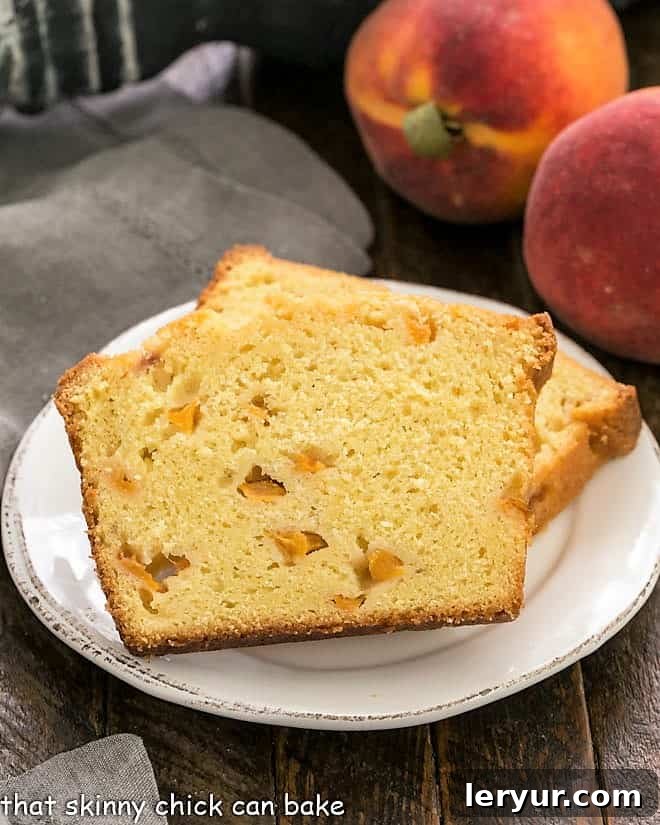
- Unforgettable Texture and Flavor: This isn’t just any cake; it’s a pound cake. Expect a wonderfully dense, moist crumb that melts in your mouth, infused with the rich, unmistakable taste of peach in every bite. The fresh peach glaze adds another layer of fruity sweetness and a beautiful sheen.
- Surprisingly Simple to Master: Despite its impressive appearance and gourmet taste, the steps to create this Glazed Peach Pound Cake are straightforward, making it approachable for bakers of all skill levels. With our expert tips, you’ll achieve bakery-quality results right in your own kitchen.
Expert Tips for Baking the Perfect Peach Pound Cake
Achieving a moist, dense, and flavorful peach pound cake is all about paying attention to a few key details. Here are my top expert tips to ensure your cake turns out perfectly every time:
- Proper Pan Filling is Crucial: My number one tip for any loaf cake, especially a dense one like a pound cake, is to never overfill your pan. Aim to fill it approximately 3/4 full. This allows sufficient room for the batter to rise and expand evenly without spilling over or creating an overly domed top that cracks excessively.
- Don’t Waste Excess Batter: If you find yourself with a little extra batter after filling your main loaf pan, don’t throw it out! It’s perfectly fine to bake any remaining batter in a greased muffin tin or a smaller mini loaf pan. These smaller portions will bake faster, typically needing only 20-25 minutes. They make delightful individual treats!
- Ensure Peaches are Dry: Excess moisture can throw off the delicate balance of your cake batter, potentially leading to a gummy texture or making your cake collapse. After dicing your fresh peaches, spread them out between layers of paper towels and gently pat them dry. This step helps the peaches integrate beautifully into the batter without introducing unwanted liquid.
- Flawless Pan Prep for Easy Release: No one wants their beautiful cake to stick to the pan. For an easy and clean release, I highly recommend using an oil and flour baking spray, such as Baker’s Joy, which creates a non-stick coating. For extra assurance, especially with pound cakes, I also line the bottom of the pan with a strip of parchment paper cut to fit. This combination guarantees your cake slides out effortlessly.
- Mixing Technique Matters: When incorporating the flour mixture into the wet ingredients, resist the urge to vigorously whisk it. Whisking can overdevelop the gluten in the flour, which will make your pound cake lighter and more airy – contrary to the dense, rich texture we’re aiming for. Instead, use a wooden spoon or a silicone spatula to gently fold the ingredients together until just combined. A few lumps are perfectly acceptable; overmixing is the enemy of a tender pound cake.
- Quality Peaches Yield Quality Cake: The flavor of your cake is only as good as the flavor of your peaches. Select fragrant, perfectly ripe, and flavorful peaches for the best results. If your peaches are bland, your cake will reflect that. Look for peaches that have a sweet aroma and a slight give when gently squeezed.
- PRO-Tip: Canned Peaches as a Substitute: If fresh peaches are unavailable or out of season, don’t despair! You can absolutely use canned peach halves. Just be sure to drain them thoroughly and pat them dry before dicing and adding them to the batter. Opt for peaches canned in light syrup rather than heavy syrup to control the sweetness and moisture.
- Test for Doneness Accurately: To determine if your pound cake is fully baked, insert a clean wooden toothpick or a thin skewer into the very center of the cake. It should come out clean or with only a few moist crumbs attached. If you see wet batter, bake for another 5-10 minutes and retest. Remember, oven temperatures can vary, so visual cues and this toothpick test are your best friends.
Frequently Asked Questions About Peach Pound Cake
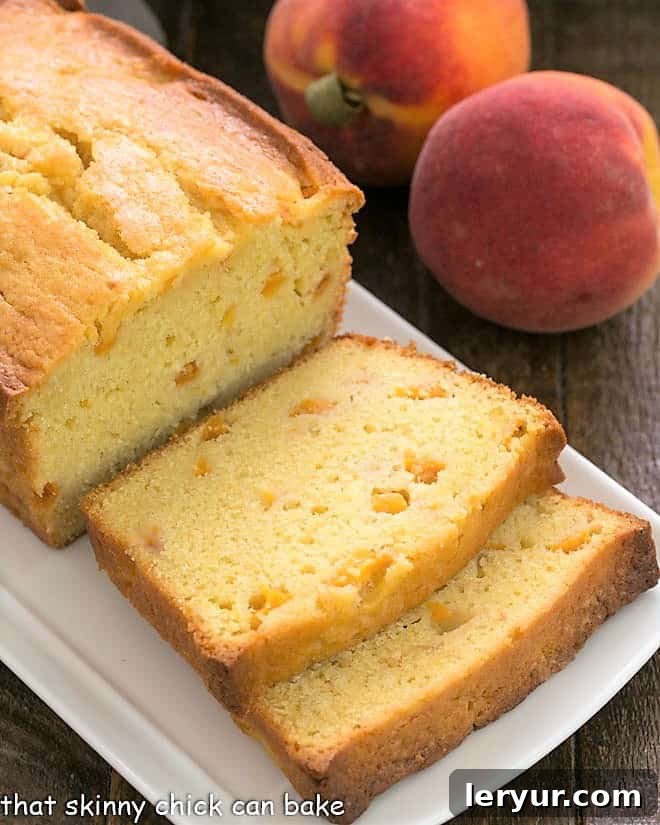
A pound cake is a classic, rich, and dense cake characterized by its fine, close crumb. Its traditional name originates from the original recipe’s proportions: one pound each of butter, sugar, flour, and eggs! This perfectly balanced ratio results in its signature sturdy yet tender texture. In France, it’s affectionately known as quatre-quarts, which literally translates to “four quarters,” referring to these equal proportions of main ingredients.
Absolutely, pound cakes are excellent candidates for freezing, making them perfect for meal prep or enjoying later. To freeze, ensure the cake is completely cooled. Wrap it tightly first in a layer of plastic wrap, then an additional layer of aluminum foil to prevent freezer burn. It will keep well in the freezer for up to 3 months. For best results, it’s generally recommended to freeze the cake unglazed and add the fresh glaze after thawing.
For the first 24 hours, this Glazed Peach Pound Cake is perfectly fine stored at room temperature, especially if kept in an airtight container or tightly wrapped. However, because the fresh peach glaze contributes significant moisture, and fruit-filled cakes can be more prone to spoilage, I highly recommend wrapping any leftovers well and storing them in the refrigerator after the first day. This will extend its freshness and maintain its delicious texture.
Yes, definitely! Canned peaches are a fantastic substitute when fresh peaches are not in season or readily available. They are typically processed at their peak ripeness, ensuring good flavor. The crucial steps are to make sure you drain them thoroughly to remove all excess liquid and then pat the diced peaches very dry with paper towels before folding them into the batter. I also recommend using canned peaches packed in light syrup rather than heavy syrup to avoid an overly sweet cake and to minimize extra moisture.
Identifying a perfectly ripe peach is key to a delicious cake. First, visually inspect the skin: avoid peaches with any green patches near the stem, as this indicates they were picked too early. Also, steer clear of shriveled skin, a sign of dehydration. Next, trust your nose: a ripe peach will emit a wonderfully sweet, distinctively peachy aroma. Finally, give the fruit a gentle squeeze. If it yields slightly to pressure without being mushy, it’s ripe and ready to be transformed into your delicious pound cake!
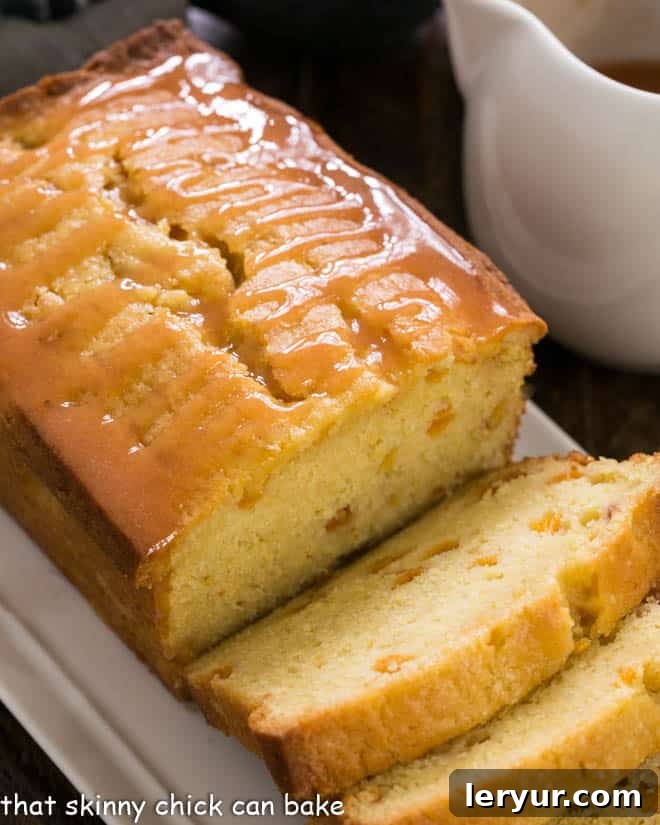
This recipe features a remarkably simple yet incredibly flavorful glaze. It leverages some of the fresh peach puree already prepared for the cake batter. You simply combine powdered sugar with this reserved peach puree in your food processor or a small bowl, blending until smooth. You can easily adjust the consistency to your preference: for a thicker glaze, add a bit more powdered sugar; for a thinner, more drippy glaze, incorporate a tiny amount of water or extra peach puree until you reach the desired consistency. It’s the perfect vibrant finish for this summer cake.
To make this Glazed Peach Pound Cake, you’ll need a few essential kitchen tools. Key equipment includes a 9×5-inch loaf pan, a food processor for pureeing the peaches, large and medium mixing bowls, a whisk, a wooden spoon or silicone spatula for mixing, and measuring cups and spoons. A wire rack for cooling the cake is also very helpful. Having these items ready will ensure a smooth baking process.
While this recipe highlights the pure flavor of peaches, you can certainly experiment with spices if you desire! A pinch of ground cinnamon, a touch of nutmeg, or even a subtle hint of cardamom would beautifully complement the peaches. Start with a small amount, about 1/4 to 1/2 teaspoon, and adjust to your taste preferences. Remember that spices can sometimes overpower delicate fruit flavors, so use them judiciously.
Explore More Irresistible Cake Recipes
If you’ve fallen in love with the comforting simplicity and rich flavor of pound cakes, or simply can’t get enough of delightful desserts, you’re in the right place! Here are some other fantastic cake recipes you might enjoy:
- Decadent Chocolate Pound Cake from The View from Great Island – For the chocolate lovers!
- Sweet Strawberry Pound Cake – Another seasonal fruit favorite, perfect for spring and summer.
- Bright Glazed Lemon Pound Cake – Zesty and refreshing, a classic for any time of year.
- The Ultimate Classic Pound Cake Recipe – A foundational recipe that every baker should have in their repertoire.
- Tangy Key Lime Pound Cake – A taste of the tropics in a dense, delightful cake.
- Plus, you might enjoy this delightful Charming Peach Upside-Down Cake, offering a different take on baking with peaches.
- Discover more of the Best Cake Recipes for every occasion right here!
Stay connected and share your culinary creations with me through social media! Follow me @ Instagram, Facebook, and Pinterest. I absolutely love seeing your photos, so don’t forget to tag me when you try one of my recipes! And if you adore the results and find this recipe worthy, please consider leaving a 5-star rating and a review in the recipe card below – your feedback means the world to me.
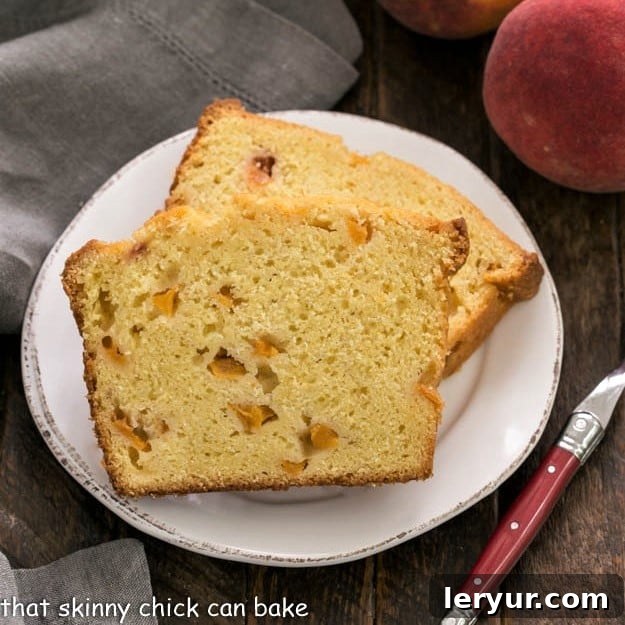
Glazed Peach Pound Cake
30 minutes
1 hour 30 minutes
10 minutes
2 hours 10 minutes
12 servings
A beautifully dense, incredibly delicious pound cake recipe crafted with peak-of-the-season peaches, featuring a moist crumb and a luscious homemade peach glaze.
Ingredients for Glazed Peach Pound Cake
- 1 cup (2 sticks) unsalted butter, melted and cooled to room temperature
- 2 ½ cups all-purpose flour
- 3 medium, perfectly ripe peaches, divided
- 1 tablespoon fresh lemon juice
- 3 large eggs plus 1 large egg yolk, lightly beaten
- 1 ½ teaspoons pure vanilla extract
- ¼ teaspoon almond extract (optional, but enhances peach flavor)
- 1 cup powdered sugar, plus more as needed for the glaze
- 1 ½ cups granulated sugar
- 2 ½ teaspoons baking powder
- ¼ teaspoon fine sea salt
Step-by-Step Instructions for Glazed Peach Pound Cake
- Prepare Your Oven and Pan: Preheat your oven to 325 degrees Fahrenheit (160°C). Lightly spray a 9-by-5-inch loaf pan generously with a non-stick baking spray (like Baker’s Joy) and, for extra non-stick insurance, line the bottom with a piece of parchment paper. Set aside.
- Prepare Diced Peaches: Take one of the three medium peaches. Dice it into small, uniform pieces, about 1/4 to 1/3-inch in size. Place the diced peaches between two layers of paper towels and gently pat them dry to remove excess moisture. This is crucial for proper cake texture.
- Make Peach Puree Base: Place the remaining two peaches (peeled and pitted) along with the fresh lemon juice in a food processor. Process until a completely smooth puree forms. Measure out exactly one cup of this peach puree. Transfer this measured puree to a large mixing bowl, then add the melted butter (ensuring it’s cooled to room temperature), the beaten eggs and egg yolk, vanilla extract, and almond extract (if using). Whisk these wet ingredients together until well combined and set the bowl aside.
- Prepare the Peach Glaze: To the *remaining* peach puree in the food processor, add one cup of powdered sugar. Blend on high until the mixture is smooth and fully combined, forming a glaze. If the glaze is too thick, add a tiny bit of water (half a teaspoon at a time) to reach your desired pouring consistency. If it’s too thin, add more powdered sugar. Cover the glaze and set it aside at room temperature; it will be drizzled over the cooled cake.
- Combine Dry and Wet Ingredients: In a separate large mixing bowl, whisk together the dry ingredients: flour, granulated sugar, baking powder, and salt, ensuring they are evenly distributed. Pour the peach-butter-egg mixture (the wet ingredients from step 3) into the dry flour mixture. Using a wooden spoon or a rubber spatula, mix well until the batter is just combined. Be careful not to overmix, as this can lead to a tough cake. Finally, gently fold in the dried diced peaches.
- Bake the Pound Cake: Pour the prepared batter into your loaf pan. Remember the expert tip: only fill the pan about 3/4 full to allow for proper rising. Place the pan in the preheated oven and bake for 75 to 90 minutes. The cake is done when the top is golden brown and a wooden toothpick inserted into the very center comes out clean or with just a few moist crumbs attached. Once baked, remove the pan from the oven and allow the cake to cool in the pan for 10 minutes before carefully transferring it to a wire rack to cool completely.
- Glaze and Serve: Once the cake has cooled completely on the wire rack (this is important, as glazing a warm cake will cause the glaze to melt and run), give your peach glaze one final stir. Generously drizzle the beautiful glaze over the entire top of the cooled pound cake. Slice and serve immediately. Wrap any leftover cake tightly in plastic wrap and store at room temperature for up to 2 days, then transfer to the refrigerator for extended freshness.
Recipe Notes & Variations
Adapted from a highly-regarded New York Times recipe, with slight modifications for enhanced flavor and home-baking success.
As a reminder, do not overfill your loaf pan; filling it approximately 2/3 to 3/4 full is ideal for a perfectly baked pound cake.
Should you have any excess batter, simply pour it into a greased muffin tin or a smaller mini loaf pan. Bake these smaller portions until a toothpick inserted into the middle comes out clean, usually taking significantly less time than the main loaf.
If fresh peaches are out of season, you can effectively use 6 canned peach halves. Just be sure to rinse them thoroughly to remove any syrup residue and pat them completely dry before dicing and incorporating them into the batter.
Recommended Baking Tools & Products
As an Amazon Associate and member of other affiliate programs, I earn from qualifying purchases, helping to support this blog at no extra cost to you.
- Set of Silicone Spatulas
- OXO Good Grips 11-Inch Better Balloon Whisk
- High-Quality Food Processor
- Baker’s Joy Baking Spray
- Reynolds Parchment Paper Sheets
- Stainless Steel Loaf Pan
Nutrition Information:
Yield:
12
Serving Size:
1 slice
Amount Per Serving:
Calories: 402Total Fat: 17gSaturated Fat: 10gTrans Fat: 1gUnsaturated Fat: 6gCholesterol: 103mgSodium: 287mgCarbohydrates: 58gFiber: 1gSugar: 37gProtein: 5g
Thatskinnychickcanbake.com occasionally offers nutritional information for recipes contained on this site. This information is provided as a courtesy and is an estimate only. This information comes from online calculators. Although thatskinnychickcanbake.com attempts to provide accurate nutritional information, these figures are only estimates. Varying factors such as product types or brands purchased can change the nutritional information in any given recipe. Also, many recipes on thatskinnychickcanbake.com recommend toppings, which may or may not be listed as optional and nutritional information for these added toppings is not listed. Other factors may change the nutritional information such as when the salt amount is listed “to taste,” it is not calculated into the recipe as the amount will vary. Also, different online calculators can provide different results. To obtain the most accurate representation of the nutritional information in any given recipe, you should calculate the nutritional information with the actual ingredients used in your recipe. You are solely responsible for ensuring that any nutritional information obtained is accurate.
HOW MUCH DID YOU LOVE THIS RECIPE?
Please leave a comment on the blog below or share a photo of your beautiful creation on Pinterest!