
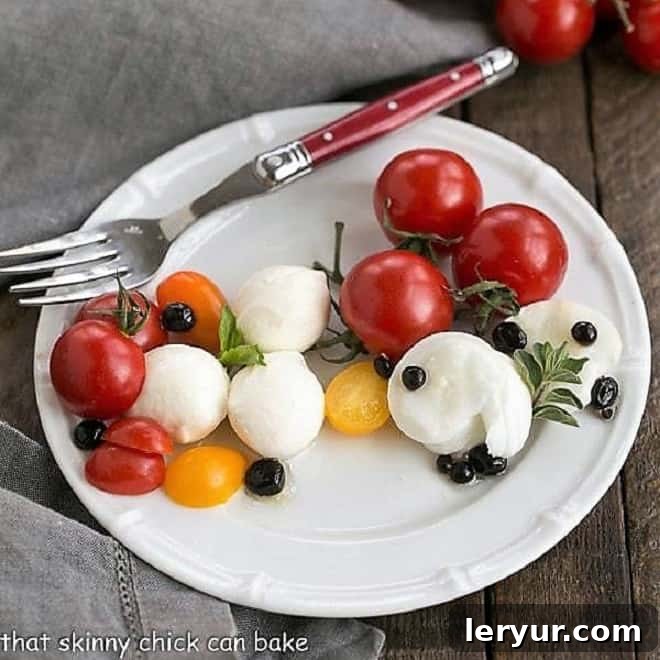
Experience the delightful fusion of tradition and gourmet innovation with this exquisite Burrata Caprese Salad with Balsamic Pearls. While a classic Caprese featuring fresh garden tomatoes and mozzarella with a hint of basil remains an undeniable summer favorite, this recipe elevates it to an art form. Imagine the creamy indulgence of burrata cheese paired with the vibrant acidity of perfectly ripe tomatoes, all crowned with mesmerizing balsamic pearls that burst with flavor. It’s not just a salad; it’s a sophisticated culinary experience, perfect for any occasion that calls for something truly special.
This Caprese Salad Recipe is a thoughtful reimagining of the beloved Italian classic. Instead of traditional buffalo or fresh mozzarella, we introduce the luxurious Burrata cheese, transforming the texture and flavor profile into something profoundly rich and satisfying. For the ultimate taste of summer, we highly recommend using heirloom or sun-ripened garden tomatoes, as their natural sweetness and vibrant colors are paramount to the salad’s success. Whether you’re hosting a dinner party or simply craving a taste of Italy, this Burrata Caprese salad offers a refreshingly elegant twist on a timeless dish.
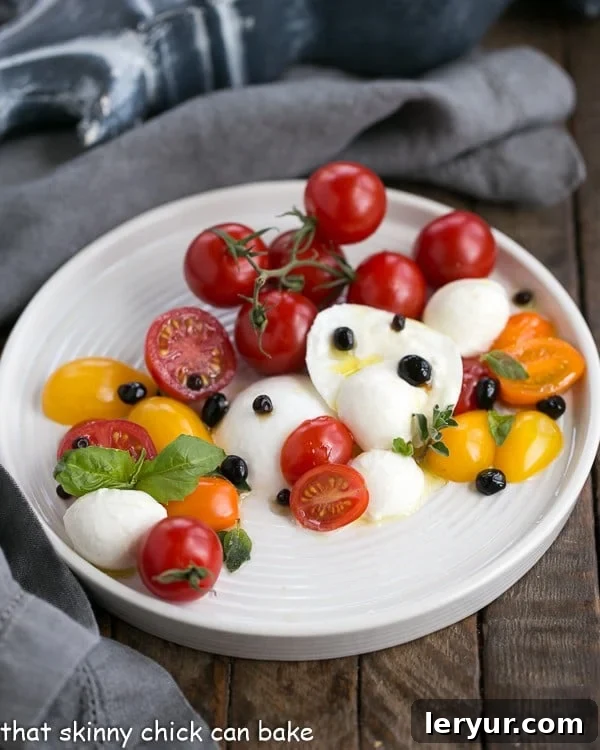
Why You Must Make This Burrata Caprese Salad with Balsamic Pearls
Even when ripe garden tomatoes are a distant memory, the allure of a fresh Caprese salad doesn’t fade. This recipe, featuring sweet cherry tomatoes on the vine, ensures you can enjoy a taste of summer any time of year. While fresh mozzarella is the traditional choice for a classic Caprese (pronounced cah-preh-zseh), the inclusion of burrata cheese offers an indulgent and unforgettable alternative. Burrata, which beautifully translates to “buttered” in Italian, is a shell of fresh mozzarella lovingly filled with a luscious combination of cream and delicate cheese curds. This creates an incredibly soft, rich, and creamy interior that truly sets it apart. But the real showstopper in this salad, adding a touch of gourmet flair and a delightful textural contrast, is the balsamic pearls. They transform a simple drizzle of vinegar into an impressive, jewel-like garnish.
There are several compelling reasons to embrace this upgraded Caprese experience:
- Seasonal Versatility: Unlike traditional Caprese, which relies heavily on peak-season tomatoes, this Burrata Caprese can be enjoyed year-round. While heirloom or garden tomatoes are ideal in summer, sweet cherry tomatoes or even roasted tomatoes can substitute beautifully during the off-season, ensuring a delicious outcome every time.
- Gourmet Presentation: Balsamic pearls are more than just a garnish; they’re a culinary statement. These glistening orbs offer a sophisticated, impressive alternative to a simple balsamic drizzle, elevating your salad from delightful to truly spectacular. They add a unique textural element and a concentrated burst of flavor with every bite.
- An Introduction to Burrata: If you haven’t yet discovered the creamy bliss of burrata cheese, this salad serves as the perfect introduction. Its delicate mozzarella shell encases a decadent, creamy center that simply melts in your mouth, providing a luxurious experience that is distinct from fresh mozzarella. It’s a taste sensation you won’t soon forget.
- Effortless Elegance: Despite its gourmet appearance, assembling this Burrata Caprese is surprisingly simple. Most of the preparation involves slicing tomatoes and arranging ingredients, making it an ideal choice for both weeknight meals and special gatherings where you want to impress without spending hours in the kitchen.
- Balanced Flavors: The rich creaminess of burrata perfectly complements the bright acidity of tomatoes and the fragrant freshness of basil. The balsamic pearls add a sweet and tangy counterpoint, creating a harmonious symphony of flavors that is both refreshing and deeply satisfying.
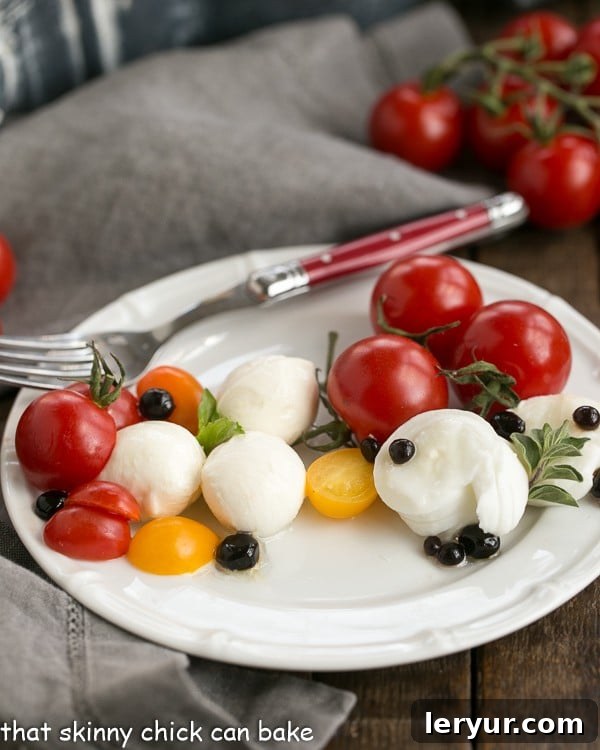
The Elevated Classic: A Burrata Caprese Masterpiece
The Caprese salad, or Insalata Caprese, hails from the beautiful island of Capri in Italy. Its classic form, symbolizing the Italian flag with its vibrant red tomatoes, white mozzarella, and green basil, has captivated palates worldwide for generations. It’s a testament to the power of simple, high-quality ingredients harmonizing together. This dish celebrates the purity of flavor, relying heavily on the freshness and ripeness of its components.
Our rendition takes this cherished classic and introduces a captivating twist: the inclusion of burrata cheese and homemade balsamic pearls. I vividly recall my initial attempts at making balsamic vinegar pearls, which were, to put it mildly, less than successful. However, a friend, Juliana, from Color Your Recipes, later shared her detailed Balsamic Vinegar Caviar recipe. Armed with a renewed sense of determination, a stash of agar-agar, and an endless supply of balsamic vinegar, I decided it was time for another attempt. Juliana’s meticulous instructions provided the missing link, and to my delight, I achieved resounding success! These glistening balsamic pearls made an undeniable statement on my tomato mozzarella salad, transforming it from a simple dish into an elegant culinary creation.
The substitution of burrata for traditional mozzarella is what truly sets this salad apart. While fresh mozzarella offers a pleasant chewiness and milky flavor, burrata takes the experience to another level. Its outer skin provides a familiar texture, but cutting into it reveals a creamy, dreamy interior of stracciatella (shredded mozzarella curds mixed with cream). This luscious core spills out onto the plate, mingling beautifully with the tomato juices and olive oil, creating an irresistibly rich and luxurious mouthfeel. This simple change elevates the salad from a refreshing side to a decadent centerpiece, perfect for those who appreciate fine Italian cheese.
How to Make Balsamic Pearls: A Step-by-Step Guide to Culinary Magic
Balsamic pearls, often referred to as balsamic caviar, are an incredible way to add a sophisticated touch and a concentrated burst of flavor to your dishes. Essentially, they are gelled balsamic vinegar, created through a process known as spherification. This technique, made accessible with the help of agar-agar, transforms liquid balsamic into tiny, jewel-like spheres that burst with tangy sweetness on the palate. Agar-agar, a natural vegetarian gelling agent derived from seaweed, is key to achieving their perfect texture. Here’s a detailed guide to crafting these culinary gems:
- Prepare and Chill Your Oil: The first crucial step is to ensure your chosen oil is thoroughly chilled. You can use either a neutral vegetable oil or a light olive oil for this process. While olive oil can add a subtle flavor, a neutral vegetable oil might be preferred to let the balsamic shine. Pour the oil into a tall, thin glass or container, then place it in the freezer for a minimum of 30 minutes. The colder the oil, the faster the balsamic mixture will solidify into perfect pearls as it drops. This rapid chilling is essential for the spherification process.
- Heat the Balsamic and Agar-Agar Mixture: In a small saucepan, combine your balsamic vinegar with the agar-agar. Bring this mixture to a gentle boil over medium heat, stirring continuously to ensure the agar-agar fully dissolves. It’s important that there are no visible grains. Once dissolved, remove the mixture from the heat and allow it to cool down to approximately 130°F (54°C). This temperature is critical; if the mixture cools too much, it will begin to gel in the saucepan, making it difficult to form pearls. If this happens, simply reheat it gently until it returns to the desired liquid consistency.
- The Fun Part: Forming the Pearls: Retrieve the chilled oil from the freezer. To maintain its low temperature, you can place the glass containing the oil into a larger bowl filled with ice. Now comes the exciting part! Using a clean dropper or a syringe (a medicine dropper works wonderfully), draw up the warm balsamic mixture. Slowly and carefully drip the balsamic mixture into the cold oil, one drop at a time, from a reasonable height (about 4-6 inches above the oil surface). As each tiny droplet falls through the cold oil, it will instantly cool and gel, forming perfect spherical pearls. For smaller, caviar-like pearls, use single, quick drips. For slightly larger pearls, you can try a quick double drip. Observe the magic as they descend and solidify!
- Retrieve, Rinse, and Store: Once you’ve used all your balsamic mixture (or made enough pearls for your needs), use a slotted spoon or a fine-mesh sieve to carefully scoop the balsamic pearls out of the oil. Rinse them gently under cold water to remove any residual oil. This step is important for flavor purity. Once rinsed, the pearls are ready to use as an elegant garnish. Any leftover balsamic pearls can be stored in a covered container in the refrigerator for up to a week, ready to elevate future dishes.
These homemade balsamic pearls are not just for Caprese salads; they can be used to garnish bruschetta, grilled fish, roasted vegetables, or even desserts like panna cotta for a surprising burst of flavor.
Frequently Asked Questions: Burrata Caprese Salad with Balsamic Pearls
Burrata is a fresh, semi-soft Italian cheese, much like mozzarella, and both are typically packed in whey or water to maintain their moisture and freshness. The key difference lies in Burrata’s unique structure: it features an outer shell of solid mozzarella that encases a creamy, luxurious interior known as stracciatella. This stracciatella is a delightful mixture of shredded mozzarella curds and rich cream, giving burrata its characteristic oozy, melt-in-your-mouth texture that sets it apart from the more uniformly firm fresh mozzarella.
A Burrata Caprese salad is incredibly versatile. For a light yet satisfying lunch, it pairs exquisitely with some crusty artisan bread, perfect for soaking up the creamy burrata and tomato juices, perhaps accompanied by a small bowl of seasoned olive oil for dipping. As a vibrant side salad, it serves as an excellent complement to a variety of main courses. It’s particularly fantastic with grilled meats like chicken or steak, offering a refreshing contrast to their richness. It also shines alongside classic Italian entrees such as pasta dishes, lasagna, or a hearty risotto.
A Burrata Caprese is a contemporary and gourmet interpretation of the traditional Italian Caprese salad. The fundamental distinction lies in the cheese component: instead of the classic fresh mozzarella (typically buffalo mozzarella or fior di latte), Burrata cheese is used. This substitution introduces a profoundly creamier and richer texture to the salad, offering a delightful contrast to the fresh tomatoes and basil.
The quintessential classic Caprese salad is renowned for its elegant simplicity and reliance on peak-quality ingredients. The core components include ripe, fresh tomatoes (often sliced heirloom or beefsteak varieties), fragrant fresh basil leaves, fresh mozzarella cheese (traditionally buffalo mozzarella), and a drizzle of premium extra virgin olive oil. Many variations also incorporate balsamic vinegar, a balsamic glaze or reduction, or even a light Italian salad dressing to enhance the flavors further.
The Caprese salad, or Insalata Caprese (meaning “salad in the style of Capri”), has its roots on the picturesque island of Capri, located off the stunning west coast of Italy. While its exact origins are debated, it is believed to have become popular in the early 20th century. Interestingly, early versions of the Caprese salad were sometimes served with arugula and oregano, providing a slightly different aromatic profile compared to the basil that is almost universally used in today’s classic rendition.
While agar-agar is the most common and reliable gelling agent for making balsamic pearls at home, some recipes attempt spherification using gelatin or calcium chloride with sodium alginate (a more advanced molecular gastronomy technique). However, agar-agar is highly recommended for its ease of use, ability to set at room temperature, and creation of a stable, bursting pearl texture that gelatin often struggles to achieve. For best results and consistency, stick with agar-agar for your balsamic pearls.
You May Also Like: Explore More Delicious Recipes
- Easy Balsamic Chicken with Tomatoes by Life Tastes Good
- Savory Tomato Pie with Pre-Made Crust by The Foodie Affair
- Fresh Tomato Basil Pasta
- Summer Panzanella Salad
- Caprese Salad with Chicken
- Homemade Pizza Margherita
- More Side Dish Recipes
Stay connected and share your culinary adventures! Find us on social media @ Instagram, Facebook, and Pinterest. Don’t forget to tag us when you try one of our delicious recipes! Your feedback is invaluable, so if you love the results, please consider leaving a 5-star rating in the recipe card below.
Burrata Caprese Salad with Balsamic Pearls
30 minutes
5 minutes
35 minutes
4 servings
A sophisticated twist on the classic Italian Caprese salad, featuring creamy Burrata cheese and impressive balsamic vinegar pearls.
Ingredients
For Balsamic Pearls:
- ½ cup balsamic vinegar
- 1.5 grams agar-agar (weighed accurately with a kitchen scale)
- 1 ½ cups vegetable oil (or light olive oil, if preferred)
For the Salad:
- 11-ounce package of super sweet cherry tomatoes on the vine, sliced in half (or use fresh garden/heirloom tomatoes in season)
- 4 ounces Burrata cheese, sliced (be aware centers will ooze, so perfect slices are not expected)
- 8-ounce package of small fresh mozzarella balls (ciliegine)
- Extra virgin olive oil
- Balsamic pearls (or a drizzle of high-quality balsamic vinegar if pearls are not used)
- Fresh basil and oregano, small leaves or finely chopped
- Kosher salt, to taste
Instructions
- To Prepare Balsamic Pearls: Pour the vegetable or olive oil into a tall, thin glass. Place the glass in the freezer for about 30 minutes to ensure the oil is thoroughly chilled.
- Heat Balsamic Mixture: In a small saucepan, combine the balsamic vinegar and sprinkle the agar-agar evenly over it. Bring the mixture to a boil over medium heat, stirring continuously to fully dissolve the agar-agar. Once boiling and agar-agar is dissolved, remove from heat and allow the mixture to cool to exactly 130°F (54°C). If it cools too much and begins to gel, gently reheat it until it becomes liquid again.
- Form the Pearls: Remove the cold oil from the freezer. To keep it cold throughout the process, you can place the oil-filled glass into a larger container filled with ice. Fill a syringe or a medicine dropper with the warm balsamic mixture. Slowly and steadily drip the balsamic mixture into the cold oil from a few inches above the surface. As each drop falls through the oil, it will instantly cool and gel, forming spherical pearls. For smaller, caviar-like pearls, use single, quick drips. For larger pearls, you can try a quick double drop.
- Rinse and Store Pearls: Once all the balsamic mixture has been used, or you have enough pearls, use a slotted spoon or a fine-mesh sieve to carefully remove the pearls from the oil. Rinse them gently under cold water to remove any oil residue. Store the balsamic pearls in a covered container in the refrigerator until ready to use.
- Assemble the Salad: For each serving, arrange one or two slices of creamy Burrata cheese artfully in the center of a plate. Scatter the small mozzarella balls around the Burrata. Generously scatter the sliced tomatoes over the plate. Finish by sprinkling the homemade balsamic pearls (or drizzling balsamic vinegar) and fresh basil and oregano leaves over the salad. Season lightly with kosher salt, then drizzle with a high-quality extra virgin olive oil before serving.
Notes
Please note that the calorie count provided below is elevated because the entire amount of vegetable oil used in making the balsamic pearls was included in the calculation. Much of this oil will not be consumed with the salad, so the actual calorie intake will be significantly lower.
Nutrition Information:
Yield:
4
Serving Size:
1
Amount Per Serving:
Calories: 938Total Fat: 93gSaturated Fat: 11gTrans Fat: 2gUnsaturated Fat: 77gCholesterol: 27mgSodium: 368mgCarbohydrates: 20gFiber: 2gSugar: 16gProtein: 9g
Calorie count includes the vegetable oil used for making the pearls, which is mostly discarded and not consumed. The actual caloric intake from the salad will be considerably lower.
HOW MUCH DID YOU LOVE THIS RECIPE?
Please leave a comment on the blog or share a photo on Pinterest