
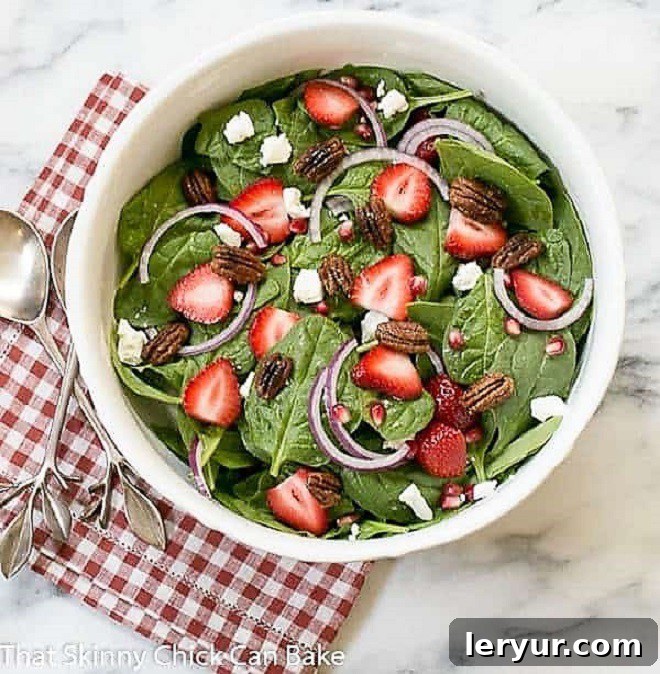
This Spinach, Strawberry, Pomegranate, and Feta Salad is a vibrant celebration of flavors and textures, meticulously crafted to delight every palate. At its heart lies my absolute favorite and most reliable dressing: a classic, homemade Balsamic Vinaigrette Recipe that elevates simple ingredients to extraordinary heights. Prepare for a salad experience that is both refreshing and profoundly satisfying.
While a simple lettuce and tomato salad with a basic ranch or French dressing might satisfy some, my culinary preferences lean towards something more adventurous and nuanced. I crave the interplay of sweet fruits, crunchy nuts, and savory cheeses, all brought together by the bright acidity of a homemade vinaigrette. This recipe embodies that philosophy, transforming fresh produce into a masterpiece of taste and visual appeal.
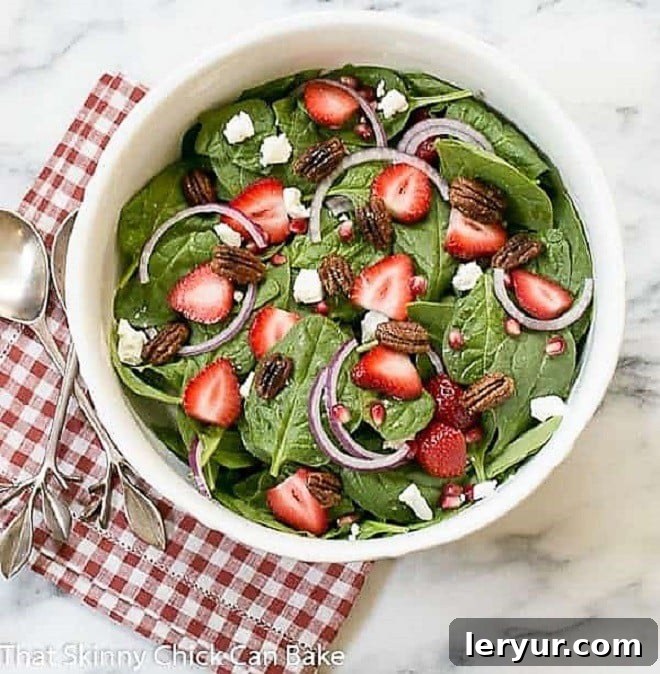
Why You Must Make This Irresistible Spinach, Strawberry, Pomegranate, Feta Salad
This isn’t just another salad; it’s an experience waiting to happen. Here’s why this particular combination of ingredients, dressed with our signature balsamic vinaigrette, deserves a coveted spot on your table:
- Unlocking the Pomegranate’s Potential: If you’ve ever admired beautiful pomegranates at the market but felt unsure how to incorporate them into your cooking, this salad offers a delicious and straightforward solution. The ruby-red arils burst with a tangy-sweet juice and provide a delightful crunch, making them a star ingredient that adds both visual appeal and a unique flavor dimension. It’s a fantastic way to enjoy this seasonal fruit!
- A Vinaigrette You’ll Keep Forever: The accompanying balsamic vinaigrette isn’t merely a dressing; it’s a culinary staple. Its balanced acidity, subtle sweetness, and aromatic depth make it incredibly versatile. Once you master this recipe, you’ll find yourself reaching for it to dress countless other salads, marinate vegetables, or even drizzle over roasted meats. It’s a game-changer for homemade dressings.
- A Symphony of Flavors and Textures: Prepare for an exhilarating culinary journey with every bite. This salad perfectly harmonizes sweet strawberries, tart pomegranate arils, creamy and salty feta cheese, the delicate earthiness of baby spinach, and the satisfying crunch of sugared pecans. It’s a complex profile that hits all the right notes – sweet, tangy, savory, and fresh – creating a truly memorable eating experience.
- Visually Stunning & Perfectly Versatile: Beyond its incredible taste, this salad is a feast for the eyes. The vibrant, jewel-toned strawberries and pomegranate arils contrast beautifully with the rich green spinach leaves, creating an inviting and elegant presentation. This makes it an ideal choice for entertaining guests, adding a touch of sophistication to holiday meals, or simply elevating your everyday family dinners. It’s both impressive and effortlessly delicious.
- Packed with Nutrients: Beyond taste, this salad is a powerhouse of nutrition. Spinach provides iron and vitamins A and K, strawberries are rich in vitamin C and antioxidants, pomegranates offer powerful antioxidants and fiber, and pecans contribute healthy fats and protein. Enjoy a meal that nourishes your body while tantalizing your taste buds.
Essential Ingredient Notes for Your Spinach, Strawberry, Pomegranate, Feta Salad
Crafting a truly exceptional salad begins with selecting the finest ingredients. Here’s a closer look at what you’ll need and some tips for choosing and preparing each component:
- Kitchen Staples: Ensure you have granulated sugar, Kosher salt, and freshly ground black pepper on hand. These foundational seasonings are crucial for balancing the flavors in both the salad and the dressing.
- Sugared Pecan Halves: These candied nuts add an irresistible crunch and a touch of sweet caramelized flavor that beautifully complements the other ingredients. While the recipe provides instructions for making them, you can also substitute with plain toasted pecans, walnuts, or almonds if preferred.
- Baby Spinach: Opt for tender baby spinach leaves over mature spinach. Their delicate texture makes them perfect for salads. For ultimate convenience, purchase pre-washed and pre-dried packaged baby spinach, saving you valuable prep time.
- Red Onion: Thinly sliced red onion adds a sharp, pungent bite. If you find raw onions too assertive, a simple trick is to soak the slices in cold water for about 10-15 minutes. This process helps to mellow their intensity, making them more palatable for sensitive palates.
- Fresh Strawberries: Seek out firm, plump, and deeply red berries that emit a sweet, fragrant aroma. Avoid any with white or green areas around the stem, which indicate under-ripeness, or any soft spots or signs of mold. Rinse them gently and slice them just before assembling the salad to maintain their freshness.
- Feta Cheese: For superior quality, flavor, and texture, always choose a block of feta cheese and crumble it yourself. Pre-crumbled feta often contains anti-caking agents that can affect its creaminess and taste. The salty, tangy notes of feta are indispensable in this salad.
- Small Pomegranate: The star of the show! Pomegranate arils provide a beautiful color, a juicy burst, and a delightful tartness. While you can easily extract the arils yourself (see our FAQ section for methods), many stores offer pre-packaged pomegranate arils in the refrigerated produce section when they are in season, providing a convenient shortcut.
- Balsamic Vinegar: The quality of your balsamic vinegar directly impacts the flavor of your vinaigrette. Invest in a good quality, aged balsamic vinegar. It should be slightly thick, almost syrupy, with a complex balance of sweetness and acidity, indicative of a longer aging process. This depth of flavor makes all the difference.
- Dijon Mustard: A classic Dijon mustard, such as Grey Poupon, is my go-to. It adds a subtle piquant kick and, more importantly, acts as a crucial emulsifying agent, helping the oil and vinegar bind together into a smooth, cohesive dressing.
- Fresh Garlic Clove: Minced fresh garlic infuses the vinaigrette with a pungent, aromatic warmth. Using a garlic press is an excellent way to achieve a fine mince quickly and easily.
- Extra Virgin Olive Oil: For salad dressings, extra virgin olive oil is paramount. Its rich, fruity notes and superior quality are essential for a delicious vinaigrette. I highly recommend a high-quality brand like California Olive Ranch for its consistent flavor.
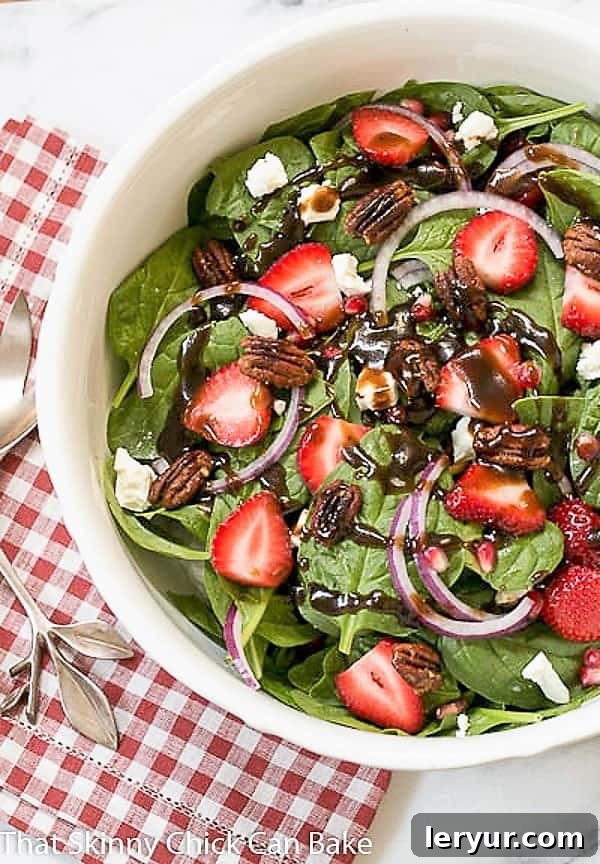
Crafting the Perfect Balsamic Vinaigrette: A Step-by-Step Guide
A truly outstanding salad is often defined by its dressing. Our homemade balsamic vinaigrette is remarkably easy to prepare and yields a far superior flavor compared to store-bought alternatives. I find that a Pyrex measuring cup is ideal for this task; its spout makes transferring the finished dressing to a storage jar effortless, and the markings simplify ingredient measurement.
- Start with the Base: Begin by pouring your balsamic vinegar into your mixing bowl or measuring cup. Following this, whisk in all your seasonings (salt, pepper), Dijon mustard, and minced garlic. Combine these ingredients thoroughly before introducing the oil. The order of ingredients is key to proper emulsification.
- PRO-Tip: The Balsamic Difference: The cornerstone of a truly magnificent balsamic vinaigrette is the quality of your balsamic vinegar. This is not the place to skimp! Seek out a good aged balsamic vinegar – ideally one that is at least 12-18 years old. A high-quality balsamic will naturally offer a delightful sweetness and possess a slightly syrupy consistency. If you opt for a younger or different type of vinegar, you may need to adjust the sweetness by adding a small amount of honey or sugar to achieve a balanced flavor profile.
- The Art of Emulsification: Once your vinegar, seasonings, mustard, and garlic are thoroughly whisked together, it’s time to introduce the olive oil. This step requires a slow and steady hand. Begin to slowly drizzle in the extra virgin olive oil while continuously whisking the mixture vigorously. This gradual addition and constant agitation are crucial for achieving a stable emulsion, where the oil and vinegar bind together into a thick, creamy dressing that won’t easily separate.
- PRO-Tip: Choose Your Olive Oil Wisely: Just as with balsamic vinegar, the quality of your olive oil matters significantly for a dressing. While regular olive oil is perfectly fine for cooking, extra virgin olive oil is the best choice for vinaigrettes. Its distinct fruity flavor and superior aroma contribute immensely to the overall taste of your dressing.
- Dijon’s Dual Role: The addition of Dijon mustard does more than just enhance the flavor with a touch of piquancy. It also plays a vital role in the emulsification process. Dijon contains natural emulsifiers that help to stabilize the dressing, ensuring a smooth, cohesive texture. Even if you’re not a big mustard fan, I recommend starting with at least a teaspoon; its presence is key for achieving that perfect, creamy consistency. You won’t distinctly taste the mustard, but you will appreciate its contribution to the dressing’s body.
So, grab your whisk, ensure you have a top-notch aged balsamic vinegar (I swear by an 18-year aged version from my local spice shop), and prepare to create a vinaigrette that will elevate any salad to gourmet status. This homemade dressing stores well in the refrigerator for up to a week; just give it a good shake or whisk before each use.
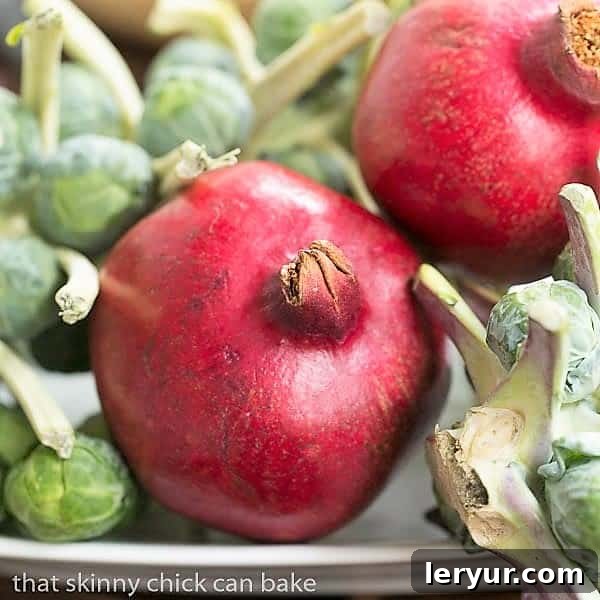
Beyond the Salad Bowl: Creative Uses for Pomegranates
Pomegranates are more than just a salad topping; their vibrant color and unique sweet-tart flavor make them incredibly versatile in the kitchen and beyond. Here are some inspiring ways to incorporate these “jewels of winter” into your culinary repertoire:
- Elegant Fruit & Cheese Platters: Aside from gracing salads, pomegranates make a stunning addition to any winter fruit tray or cheese board. Gently crack open a pomegranate and arrange it artfully alongside berries, pineapple chunks, and kiwi slices. The sight of the gem-like arils spilling from the shell creates an exquisite, inviting presentation. Pair them with a selection of cheeses, crackers, and slices of pear or apple for a truly sophisticated spread.
- Dazzling Cocktail Garnishes: Elevate your beverage game by using pomegranate arils as a beautiful and flavorful garnish. They add a pop of color and a hint of tartness to cocktails that utilize pomegranate juice, such as a Pomegranate Cosmo or a festive Pomegranate Champagne Cocktail. They also work wonderfully in mocktails or sparkling water.
- Breakfast & Brunch Boost: Sprinkle pomegranate arils generously into your morning yogurt, over your avocado toast, or as a vibrant topping for oatmeal and granola. Their refreshing burst of flavor and satisfying crunch will wake up your taste buds and add a healthy dose of antioxidants to your first meal of the day.
- Savory Enhancements: Don’t limit pomegranates to sweet dishes. Their tartness makes them an excellent counterpoint to rich, savory foods. Use them to garnish grilled or roasted meats like chicken, lamb, or pork. They also pair wonderfully with roasted root vegetables, rice pilafs, or even sprinkled over hummus. The bright red arils will instantly make any dish more appealing and gourmet.
- Dessert Decorations: For a simple yet elegant dessert, sprinkle pomegranate arils over vanilla ice cream, panna cotta, or a chocolate tart. Their color and texture add a sophisticated touch.
Frequently Asked Questions About Pomegranates
Determining the ripeness of a pomegranate involves a few sensory cues. First, observe its color; it can range from a deep red to a pink-blushed yellow. Crucially, you should not see any green, as this indicates it was picked too early and will not ripen further once harvested. A ripe pomegranate will feel dense and heavy for its size, suggesting a bounty of juicy arils within. While they are often somewhat round, ripe pomegranates typically have a slightly squarish or hexagonal shape due to the growth of the internal arils. Gently tapping a ripe pomegranate might produce a metallic sound, another indicator of its readiness. Refer to the photos in this article for visual guidance on selecting the perfect fruit.
Yes, absolutely! The tiny, jewel-like seeds, which are technically called arils, are entirely edible. Each aril consists of a small, crunchy white seed encased in a sweet, vibrant red, juicy pulp. You can enjoy them whole, chewing them gently to release their refreshing juice and benefiting from the dietary fiber the tiny seed provides. Both the arils and the delicious, slightly tart juice they contain are packed with antioxidants and vitamins, making them a healthy and delightful snack or ingredient.
Extracting pomegranate arils can seem daunting, but there are a couple of effective methods to make the process simple and mess-free.
Method 1 (Water Method): First, carefully remove the crown (stem end) of the pomegranate. Then, score the skin from the stem end down to the bottom, following the natural section divisions if visible, creating 4-6 shallow cuts. Submerge the scored pomegranate in a bowl of cold water. While underwater, gently pull open the sections and use your fingers to loosen and remove the arils. The arils will sink to the bottom, and the white pith will float, making it easy to separate. This method prevents the juice from staining your hands or clothing.
Method 2 (Spoon Method): Alternatively, after removing the stem end and scoring the pomegranate as described above, hold a section of the pomegranate cut-side down over a bowl. Using the back of a sturdy spoon, firmly tap the exterior of the rind. The vibrations will encourage the arils to release and fall into the bowl below. Repeat with all sections until all arils are freed. Whichever method you choose, take care to remove as much of the bitter white pith as possible.
In the United States, pomegranates have a relatively long and bountiful season, typically running from mid-September through early January. This makes them a fantastic fruit to enjoy throughout the autumn and winter months, perfect for incorporating into holiday dishes and vibrant salads like this one. While this is their peak season, some varieties might be available slightly earlier or later. You can often find pomegranate arils (the seeds) in the refrigerated section of produce departments year-round, though their freshness and taste are best during peak season.
You May Also Like: Other Delicious Salad Recipes and Pairings
- Creamy Homemade Blue Cheese Salad Dressing
- Easy Honey French Salad Dressing
- Hearty Chicken Feta Casserole
- Strawberry Spinach Salad with Blue Cheese and Candied Pecans
- Elegant Endive Cups with Blue Cheese and Raspberries
- Discover more of the Best Salad Recipes for every occasion!
Stay connected and be the first to know about new recipes and culinary inspiration by following me on social media: find me on Instagram, Facebook, and Pinterest. Don’t forget to tag me when you try one of my delicious recipes – I love seeing your creations! And if you absolutely adore the results, please consider leaving a 5-star rating in the recipe card below to help other home cooks discover this fantastic dish.
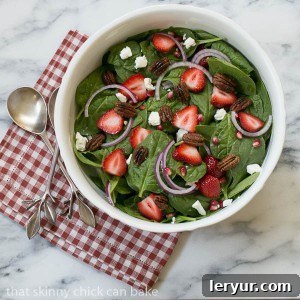
Spinach, Strawberry, Pomegranate, Feta Salad Recipe
10 minutes
5 minutes
15 minutes
4 servings
A beautifully balanced and utterly delicious salad, exquisitely dressed with the most fabulous homemade balsamic vinaigrette.
Rating: 4.9 out of 5 stars (based on 37 reviews)
Ingredients
- ½ cup sugared pecans (preparation instructions below)
- 1 tablespoon granulated sugar (for sugared pecans)
- 5 ounces baby spinach, fresh and washed
- ½ small red onion, very thinly sliced
- 8 ounces fresh strawberries, hulled and sliced
- ½ cup crumbled Feta cheese (from a block for best quality)
- Seeds (arils) from one small pomegranate
For the Best Balsamic Vinaigrette Dressing:
- 3 tablespoons premium, aged balsamic vinegar
- 2 teaspoons Dijon mustard
- 1 fresh garlic clove, minced
- ½ cup extra virgin olive oil
- ½ teaspoon kosher salt
- A pinch of freshly ground black pepper
Instructions
- Prepare Sugared Pecans: In a nonstick sauté pan, combine the pecans and 1 tablespoon of sugar. Cook over medium heat, stirring frequently, until the sugar melts and evenly coats the pecans. Immediately transfer the sugared pecans onto non-stick foil or parchment paper to cool completely, preventing them from sticking together.
- Make the Balsamic Vinaigrette: In a small bowl or a Pyrex measuring cup, whisk together the balsamic vinegar, Dijon mustard, and minced garlic until well combined. Gradually add the extra virgin olive oil in a slow, steady stream while continuously whisking vigorously. Continue whisking until the dressing is emulsified and has a smooth, creamy consistency. Season the vinaigrette with kosher salt and freshly ground black pepper to taste.
- Assemble the Salad: In a large serving bowl, place the baby spinach as the base. Evenly arrange the thinly sliced red onion, sliced strawberries, crumbled Feta cheese, and vibrant pomegranate arils over the spinach. Top with the cooled sugared pecans.
- Dress and Serve: Just before serving, drizzle the homemade balsamic vinaigrette generously over the salad. Gently toss all the ingredients together to ensure every leaf and fruit is lightly coated with the delicious dressing. Serve immediately and enjoy this spectacular combination of flavors and textures.
Notes
Using the highest quality balsamic vinegar you can find is crucial for the dressing’s flavor. My personal favorite is one aged for 18 years, offering exceptional depth and sweetness.
If you prefer a milder onion flavor, remember the tip to soak your thinly sliced red onions in cold water for about 10-15 minutes before adding them to the salad. This significantly reduces their sharp pungency.
Nutrition Information:
Yield:
4
Serving Size:
1
Amount Per Serving:
Calories: 456Total Fat: 37gSaturated Fat: 7gTrans Fat: 0gUnsaturated Fat: 28gCholesterol: 17mgSodium: 572mgCarbohydrates: 30gFiber: 6gSugar: 22gProtein: 6g
HOW MUCH DID YOU LOVE THIS RECIPE?
Please leave a comment on the blog or share a photo on Pinterest!